
Urban Pigment Foraging
Recording of an online class with Lucy Mayes
Two 2 hour videos
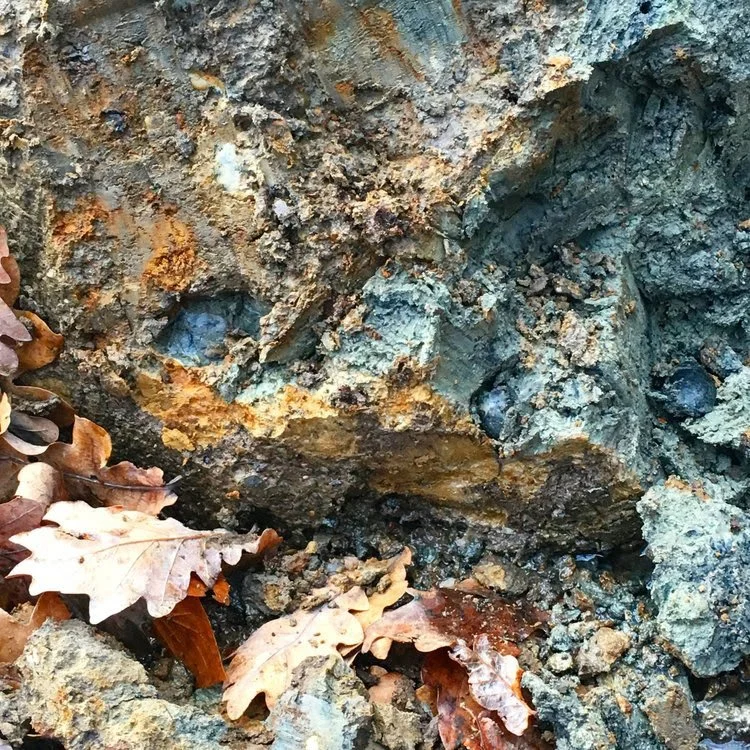
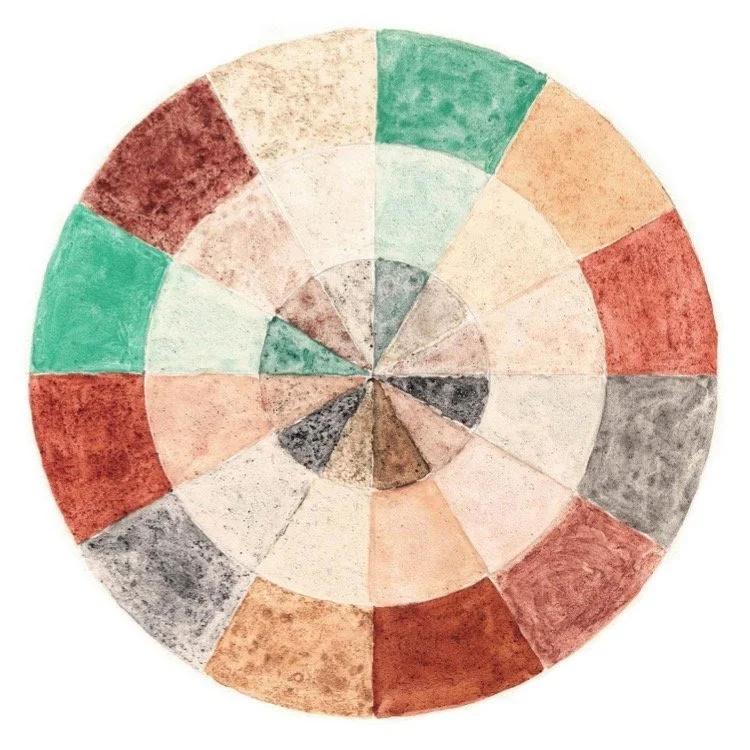
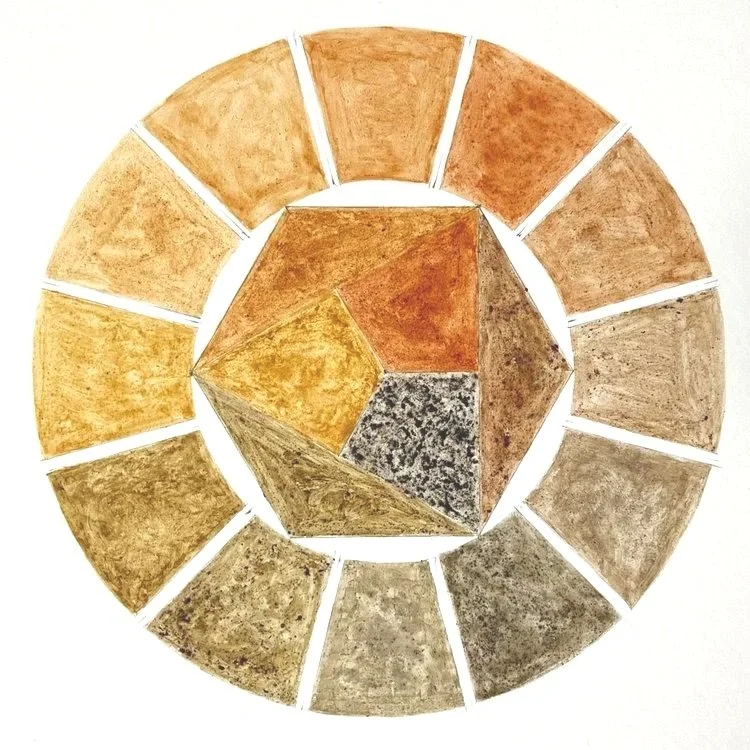
Learn how to make unique paints working with urban foraged pigments, working building materials/mineral/earth/plant pigments; combining with locally foraged binding mediums derived from the gum of fruit bearing trees.
Lucy Mayes (of London Pigment) will share her practice of sourcing and working with the pigments she forages in her urban locale in East London. Offering guidance on what materials will be useful for colour making and how to tell.
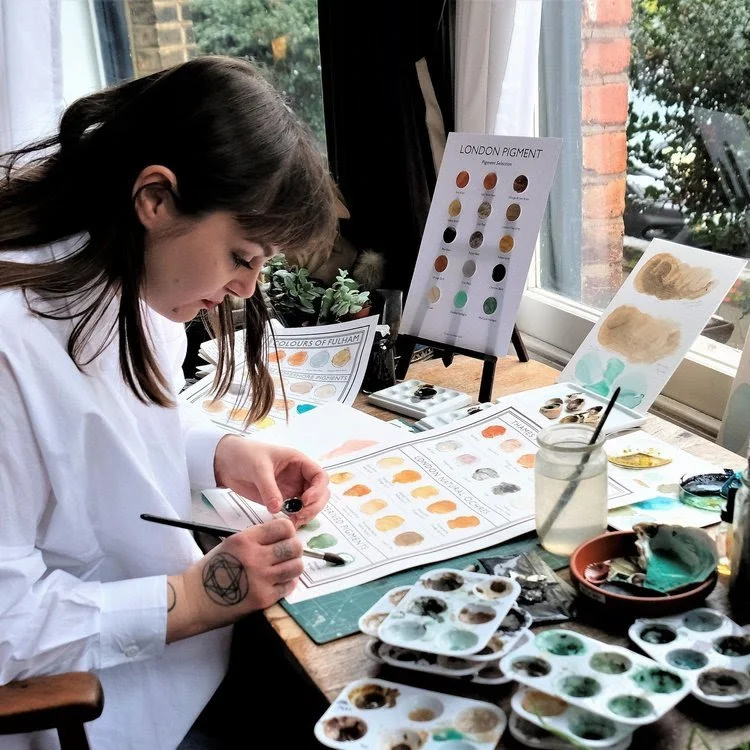
She will lead a live paint making demonstration showing techniques for processing of urban found material. Lucy will also share what urban plants she uses for ink and pigment making, how to spot them and process them.
Develop a basic understanding of ethical practices, safety information and the politics of reuse in relation to urban pigment foraging. Covering safety guidance - what protective gear should we wear whilst collecting and processing, where not to forage etc, and guidance around land ownership/ common land/ U.K bylaws.
We will be discussing the politics of reuse - how making colour from discarded materials encourages the stewardship and care of objects - and where this could lead.
Lucy is an artist who is fascinated by the radical colour potential of discarded materials, like construction rubble, bricks or organic garden waste. She enjoys teasing out colour compounds from these often overlooked substances. She enjoys showing people how to harness colour from surprising and unusual raw materials, so that they might reconsider their own surroundings and look at everyday materials with renewed interest or anew. There is hidden or undeveloped potential in the most banal or ubiquitous of starting materials. Let us choose to reuse materials to encourage the stewardship and care of objects.
Access the resources for one year
About Lucy Mayes

Lucy Mayes is an artist and pigment maker & researcher working in London and Hampshire. Her work as ‘London Pigment’ uses urban waste stream materials to make recycled pigment. Her practice is centred on the use of unusual, surprising or esoteric raw materials to make colour as a way of documenting events or ‘happenings’. Verdigris made from copper wire stripped from burnt-out mopeds, soot and ash from park fires and construction rubble have all been used in her work to make new pigments. Her colour-making practice centres on creating sustainable pigments from anthropocene waste streams. She works in the capacity of pigment/colour consultant and has worked with Neptune Interiors Ltd, Jaguar Land Rover, Royal Cornwall Museum, V&A, Kew Gardens on pigment projects. She previously worked as product developer and pigment specialist at renowned colourman L.Cornelissen & Son where she developed their historical pigment archive. She teaches pigment making at institutions nationally and hopes to re-orientate our connections to colour; through the creation of intimate relationships with matter formed through embodied making.orld.
Policy on Sharing Course Content
Thank you for your interest in our programmes. To ensure a high-quality experience and to respect the intellectual property rights of our teachers, we ask all participants to adhere to the following guidelines:
Do Not Share Recording Links or PDFs: The content provided during our sessions, including recording links and PDFs, is the intellectual property of our instructors. These materials are meant exclusively for the use of registered participants. Please refrain from sharing these resources with anyone outside of the program. Unauthorized distribution can undermine the value of the content and the hard work of our educators.
Do Not Share Zoom Links: Each session has a limited number of spaces to maintain an interactive and engaging environment. Sharing Zoom links with individuals who are not registered disrupts this balance and can lead to overcrowding, detracting from the experience of all participants. Please ensure that Zoom links are kept confidential and are not shared with others.
We appreciate your understanding and cooperation in these matters. By following these guidelines, you help us protect the intellectual property of our teachers and ensure that all participants have a fair and enjoyable learning experience.