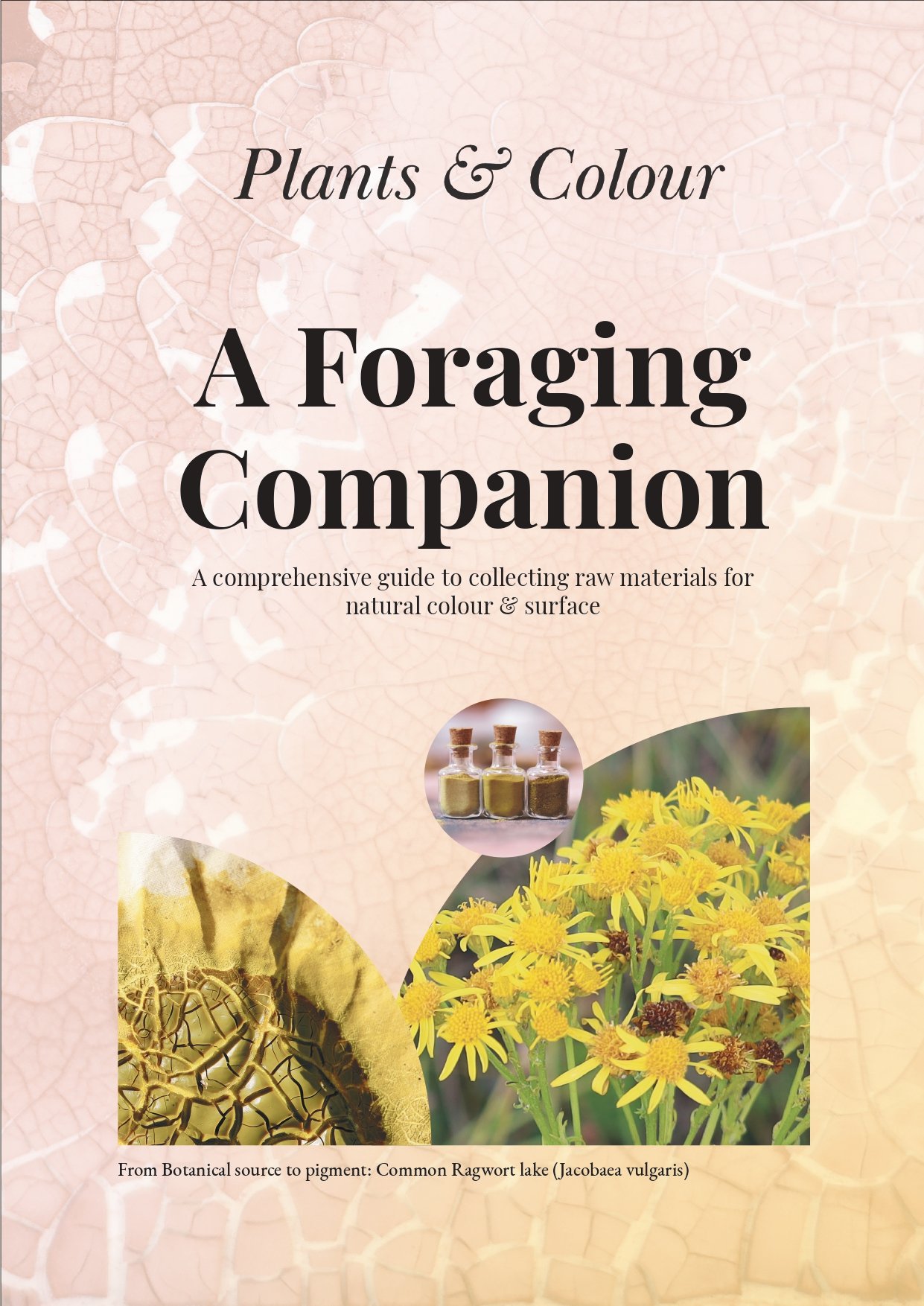
A Foraging Companion
A Comprehensive Guide To Collecting Raw Materials For Natural Colour & Surface
A Downloadable PDF Guide written and compiled by Lucy Mayes
This guide brings together practical tips for collecting, poetic reflections, foraging philosophies, and ways to cultivate, give back, and share an ecological and reflective practice. At the end of this guide, you'll find an extensive reading list of online sources, articles, and books ranging from practical foraging manuals to ecological studies. It includes works grounded in Western science as well as writings from Indigenous knowledge holders, all of which have helped shape and inform this guide.
This introduction to foraging is useful for:
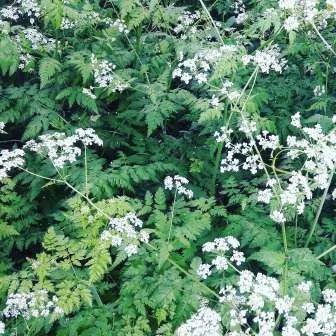
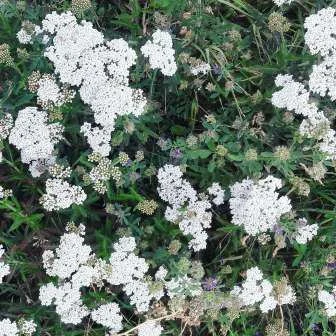
Plant foraging for dyeing
Lake pigment making
Cordage, basketry, fibre arts, weaving, textile embellishment, wreaths and floral arrangements
Mushroom foraging for dyeing and pigment making
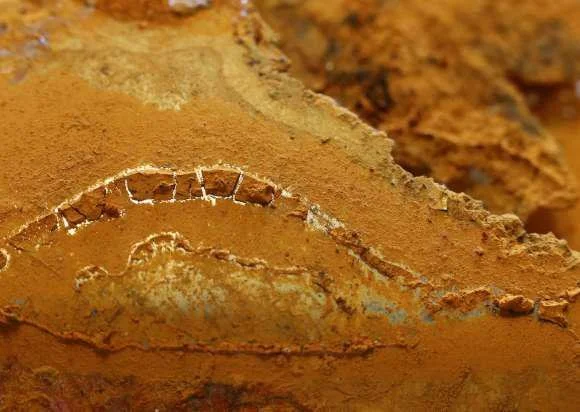
Mineral foraging for pigments and grounds, natural ink and paint making
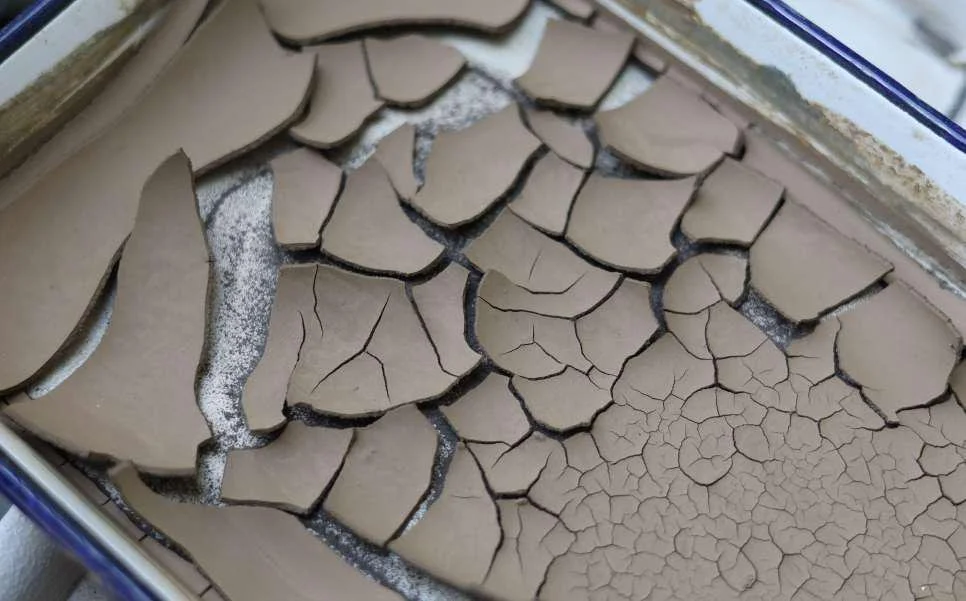
Natural building processes such as clay and earthen plaster work
Eco-printing, natural sculpture or assemblage art
With contributions from: Caroline Ross, Natalie Stopka, Annie Hogg,
Flora Arbuthnott, Carolyn Sweeney, Anna Lukala, Julie Beeler
May it bring delight to trace each creation back to its source, and awaken the reverence that rests at the beginning of all making with the materials of the earth and allow joy to spring forth in knowing where your work really begins.
-
2. Practical Guide
To reflect the diversity of environments and materials to be collected, we’ve divided the equipment list into useful sections. The equipment list is organised as follows:
1. Essential Tools Foraging tools, equipment and sundries for all foragers General Tool Kit
Receptacles2. Organic Resources Equipment for collecting organic raw materials Fungi & Lichen
Plants3. Inorganic Resources Equipment for collecting inorganic raw materials Minerals
4. Mixed Resources Waste-Stream Derived Materials
To reflect the diversity of environments and materials to be collected, we’ve divided the equipment list into useful sections. The equipment list is organised as follows:
1. Essential Tools Foraging tools, equipment and sundries for all foragers General Tool Kit
Receptacles2. Organic Resources Equipment for collecting organic raw materials Fungi & Lichen
Plants3. Inorganic Resources Equipment for collecting inorganic raw materials Minerals
4. Mixed Resources Waste-Stream Derived Materials
-
3. Colour Gathering Code
You might set out with a plan to gather materials, blackberries for ink, for example, or you might, more impromptu, stumble upon a ripe patch by a bus stop. In either case, it’s worth pausing before you collect, especially when the material is scarce, to ask yourself a few important questions.
Before gathering any material, take a moment to pause and reflect.
You might set out with a plan to gather materials, blackberries for ink, for example, or you might, more impromptu, stumble upon a ripe patch by a bus stop. In either case, it’s worth pausing before you collect, especially when the material is scarce, to ask yourself a few important questions.
Before gathering any material, take a moment to pause and reflect.
-
4. Foraging Philosophy
The removal of material for use in your practice is extractive albeit a small intervention in scale upon your geological locale. Roughly 120 million tons of clay are mined globally each year by industry. However with the rising trend of using wild clay within creative practices for ceramists, sculptors and pigment makers these volumes are not accounted for within annual statistics.
The removal of material for use in your practice is extractive albeit a small intervention in scale upon your geological locale. Roughly 120 million tons of clay are mined globally each year by industry. However with the rising trend of using wild clay within creative practices for ceramists, sculptors and pigment makers these volumes are not accounted for within annual statistics.
-
5. Legalities, Ethics, and Research
Foraging plants for natural art materials is a practice that connects us deeply with the landscape, allowing us to transform leaves, flowers, roots, and berries into vibrant colours. However, it is important to approach this practice with both respect and legal awareness. Laws regarding plant collection vary by country, region, and type of land, and certain species may be protected or restricted.
Foraging plants for natural art materials is a practice that connects us deeply with the landscape, allowing us to transform leaves, flowers, roots, and berries into vibrant colours. However, it is important to approach this practice with both respect and legal awareness. Laws regarding plant collection vary by country, region, and type of land, and certain species may be protected or restricted.
-
6. Foraging Around The World
Across the following pages, we have included brief overviews of intercontinental foraging considerations, highlighting both regional differences and shared global principles. While necessarily concise, this guidance is intended to support our international audience and encourage responsible, informed foraging across diverse landscapes.
Across the following pages, we have included brief overviews of intercontinental foraging considerations, highlighting both regional differences and shared global principles. While necessarily concise, this guidance is intended to support our international audience and encourage responsible, informed foraging across diverse landscapes.
-
7. Teachers' Insights
Across the following pages, we have included brief overviews of intercontinental foraging considerations, highlighting both regional differences and shared global principles. While necessarily concise, this guidance is intended to support our international audience and encourage responsible, informed foraging across diverse landscapes.
Across the following pages, we have included brief overviews of intercontinental foraging considerations, highlighting both regional differences and shared global principles. While necessarily concise, this guidance is intended to support our international audience and encourage responsible, informed foraging across diverse landscapes.
-
8. Closing Thoughts
Foraging for natural dyes and pigments is more than a craft, it is a living relationship with the land, the seasons, and the histories written into them. Each time you gather, you step into a lineage of human practice that stretches back thousands of years. Whether it’s eucalyptus leaves in Australia, indigo in India, or lichens in Scandinavia, the act is never just about colour, it’s about connection and ecological care-taking of your craft.
Foraging for natural dyes and pigments is more than a craft, it is a living relationship with the land, the seasons, and the histories written into them. Each time you gather, you step into a lineage of human practice that stretches back thousands of years. Whether it’s eucalyptus leaves in Australia, indigo in India, or lichens in Scandinavia, the act is never just about colour, it’s about connection and ecological care-taking of your craft.
-
9. Supporting Notes & Bibliography
Thank you to all of the teachers who have generously shared their insightful knowledge for this publication. We also extend our gratitude to all of our workshop participants, both online and in person, who continue to share so willingly their invaluable local material knowledge.
Thank you to all of the teachers who have generously shared their insightful knowledge for this publication. We also extend our gratitude to all of our workshop participants, both online and in person, who continue to share so willingly their invaluable local material knowledge.
-
![]()
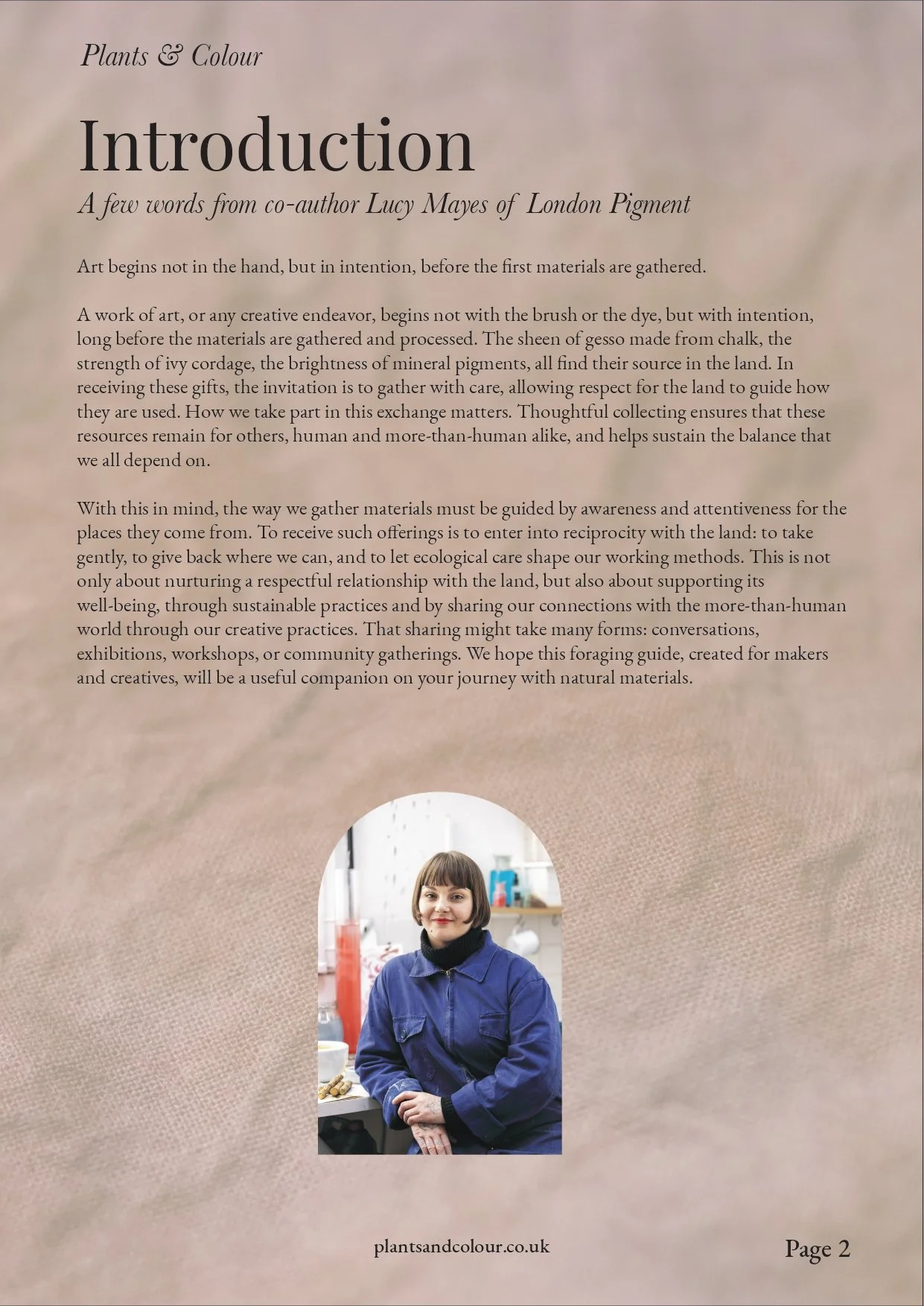
Lucy Mayes
Lucy Mayes is an artist and pigment maker & researcher working in London and Hampshire. Her work as ‘London Pigment’ uses urban waste stream materials to make recycled pigment. Her practice is centred on the use of unusual, surprising or esoteric raw materials to make colour as a way of documenting events or ‘happenings’. Verdigris made from copper wire stripped from burnt-out mopeds, soot and ash from park fires and construction rubble have all been used in her work to make new pigments. Her colour-making practice centres on creating sustainable pigments from anthropocene waste streams. She works in the capacity of pigment/colour consultant and has worked with Neptune Interiors Ltd, Jaguar Land Rover, Royal Cornwall Museum, V&A, Kew Gardens on pigment projects. She previously worked as product developer and pigment specialist at renowned colourman L.Cornelissen & Son where she developed their historical pigment archive. She teaches pigment making at institutions nationally and hopes to re-orientate our connections to colour; through the creation of intimate relationships with matter formed through embodied making.