
Plant Guide
By Flora Arbuthnott
There are many plants that are really worthwhile to grow or gather for inks and paints. Here is a selection of some plants that I have had success with, with recommended processes, the colours you can get, links to seed suppliers, and dried plant suppliers.
I want to encourage you to explore the plants that are growing around where you live. I recommend that you identify the plant first and check that it will not give off poisonous fumes or harm your skin. You can dry out plants to store them in air tight containers out of direct sunlight.
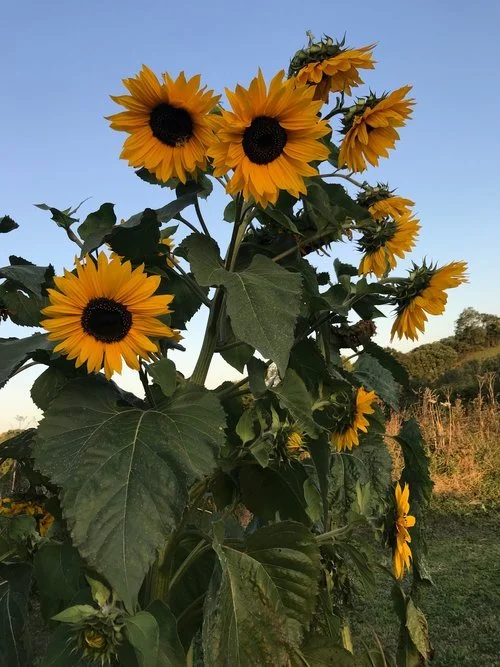
-
Colour: Purple/Blue
Techniques: Soda Ash Ink, Lake Pigment.
Notes: Annual. These grow up to 8ft. The seeds contain anthocyanins that are heat and light sensitive. Be gentle with heat and avoid boiling.
UK: Dyeing Crafts US: Grand Prismatic Seed
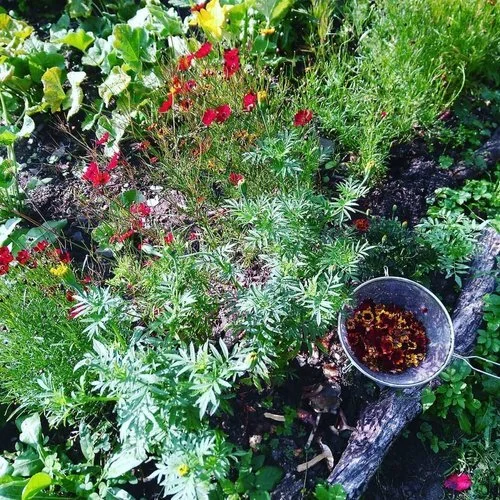
-
Yellow, orange, green.
Lake pigment, evaporated ink, or soda ash ink.
Notes: Tender annual. Keep harvesting the flowers and more and more will come.
Seed Suppliers: UK: Tagetes Erecta - Dyeing Crafts US: Queen Sophia Marigold - Grand Prismatic Seed US: Shades Of Gold - Grand Prismatic Seed
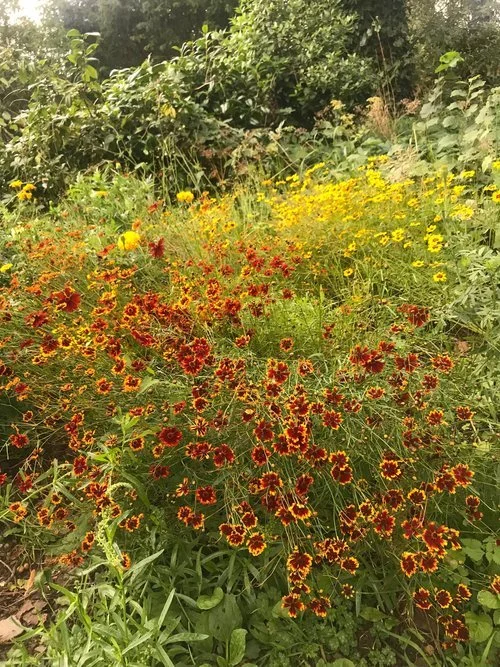
-
Red/Orange
Lake pigment, evaporated ink, or soda ash ink.
Notes: Tender annual. Keep harvesting the flowers in the summer and.more will come.
Seed Suppliers: UK: Dyeing Crafts US: Grand Prismatic Seed
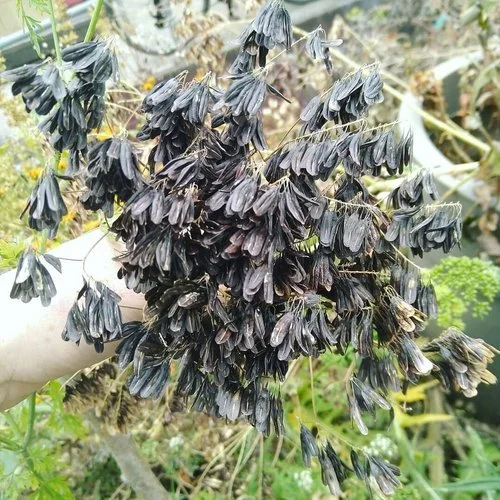
-
Blue
Lake pigment of the seeds. Extract the indigo from the leaves of the first year of growth.
UK: Wild Colours UK: Dyeing Crafts
Notes: Woad in invasive in some parts of the US and Australia so please check the rules in your area before growing this plant. There may be wild invasive plants local to you that would benefit from your harvesting.
Indigo extraction process
-
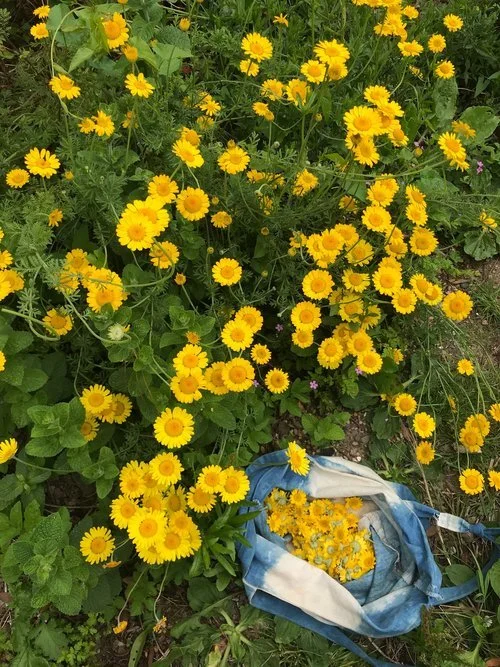
Yellow. Grey and black with iron.
Lake pigment, evaporated ink, soda ash ink.
Notes: Hardy perennial.
Seeds: UK: Dyeing Crafts UK: Wild Colours US: Grand Prismatic Seeds
-
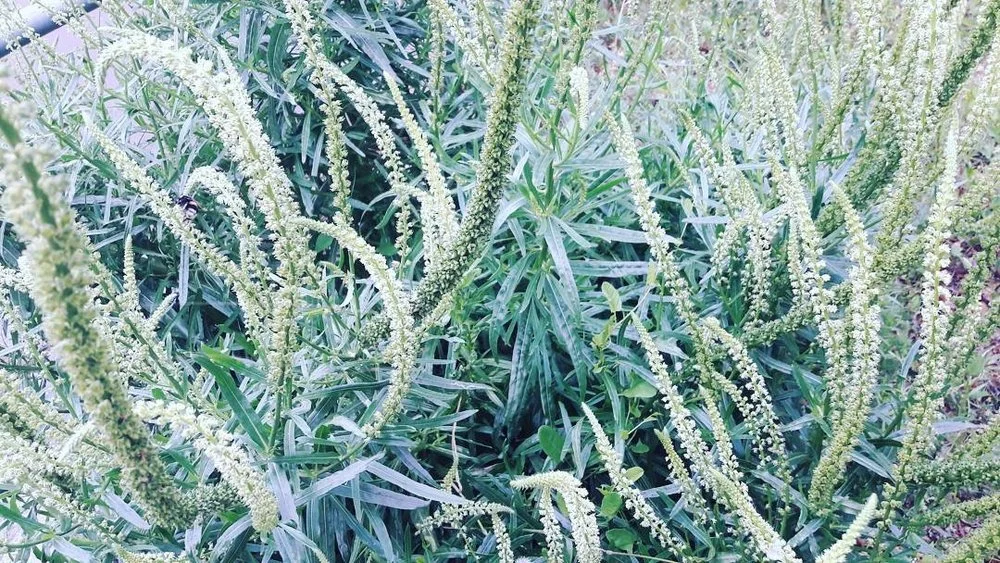
Yellow
Evaporated Ink, Lake Pigment
Notes: A hardy biannial. Gives bright yellows from all aerial parts once flowered.
Seeds: UK: Wild Colours UK: Dyeing Crafts
-
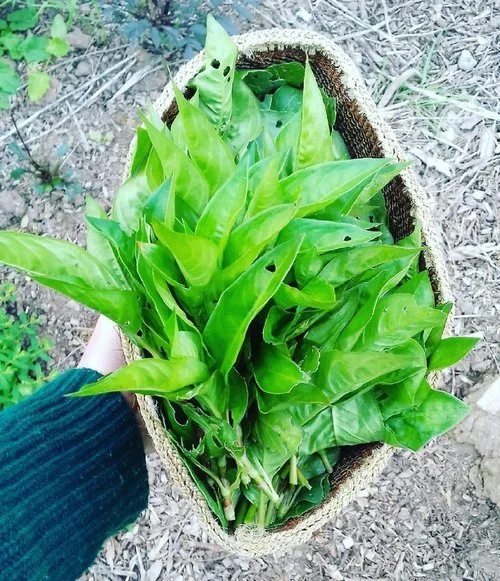
Blue
Extract the indigo pigment and use as you would a lake pigment.How to extract indigo from Japanese Indigo.
Notes: Tender annual. Harvest the leaves in the summer.
UK: Dyeing Crafts US: Grand Prismatic Seed
-
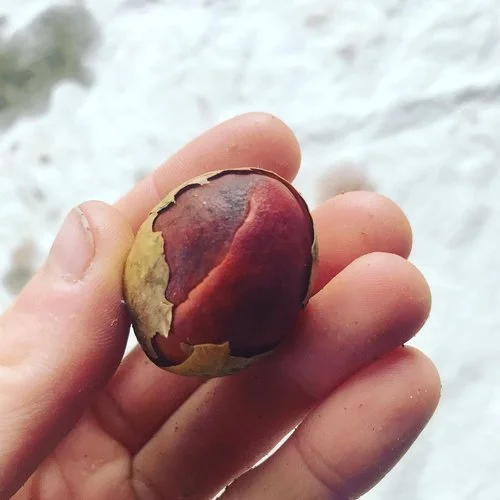
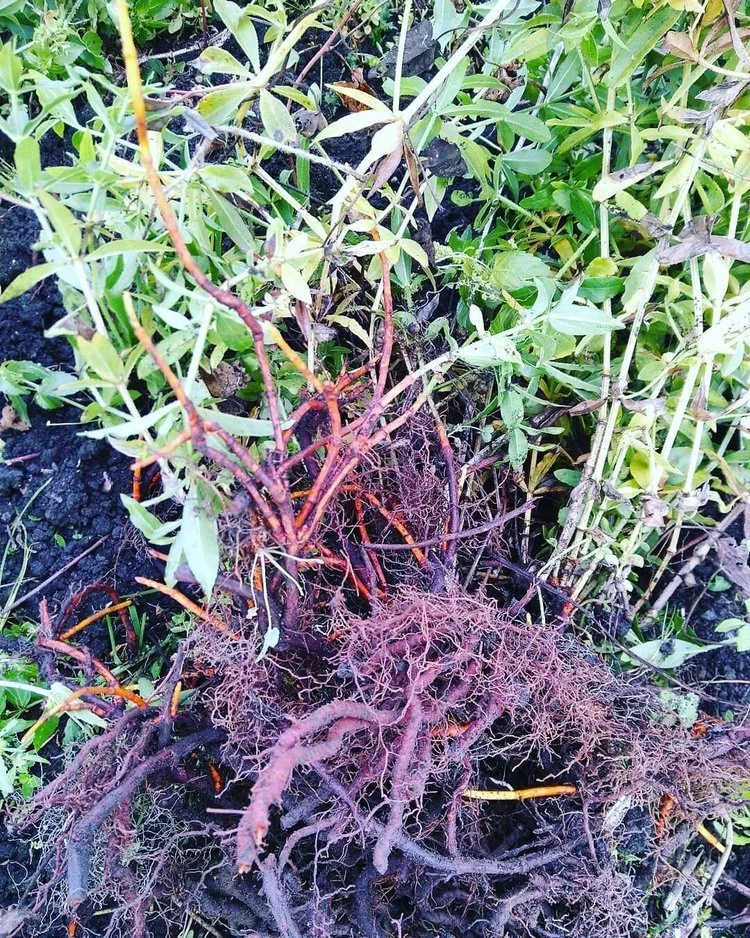
Red/Orange/Pink
Soda Ash Ink, Lake Pigment
Notes: Hardy perennial. Reds, pinks, oranges from roots. Best left to mature for at least three years.
Seeds: UK: Wild Colours UK: Dyeing Crafts US: Grand Prismatic Seeds
-
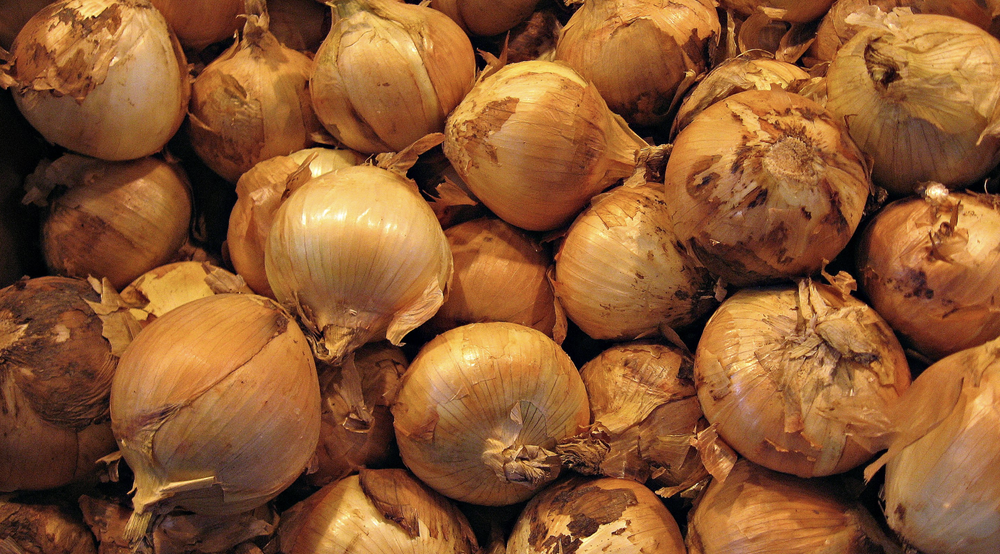
Yellow/Orange
Soda Ash Ink
-
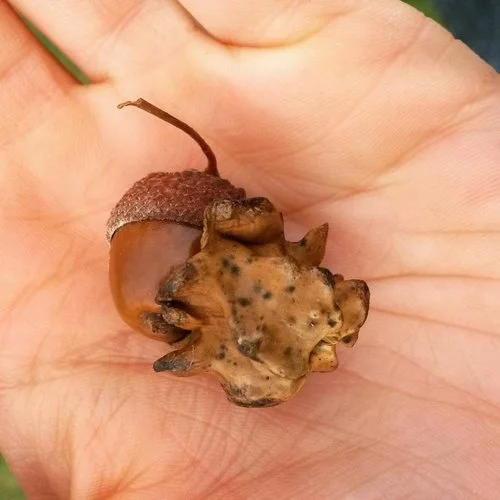
Brown, Black with iron.
Evaporated Ink
Notes: This is a knopper gall that grows on the acorns You can colllect these in the autumn when the wasp has hatched and they drop from the tree. There are many types of galls you can use.
-
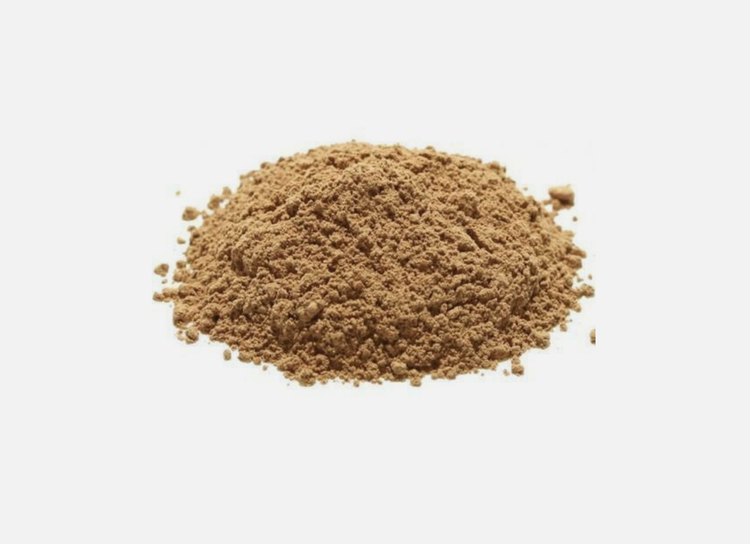
Yellow
Evaporated Ink
Notes: This acts as a colour enhancer and fixative for other colour due to it’s aluminium content.
-
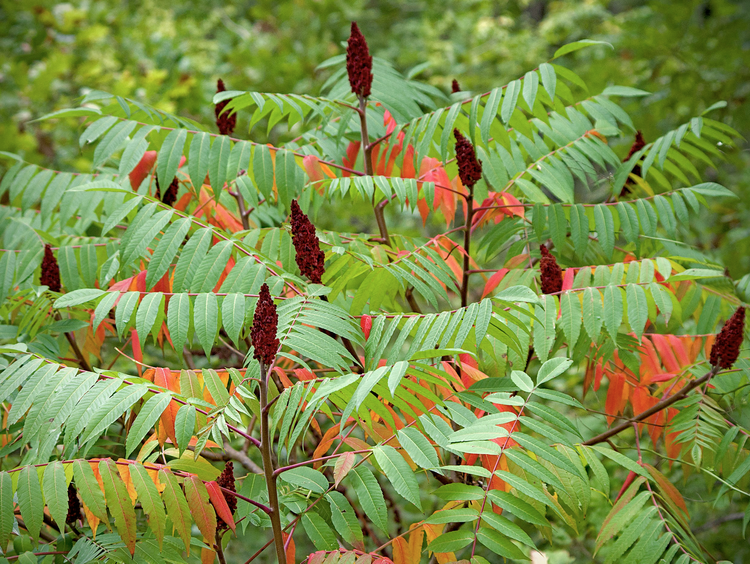
Grey, black with iron.
Evaporated ink
Notes: All parts of the plant can be used.
-
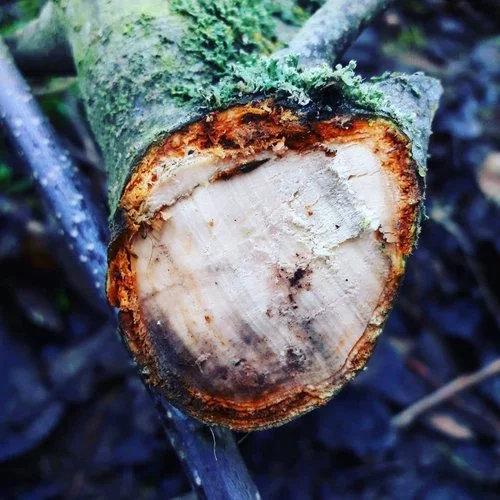
Yellow, orange, pink, brown.
Evaporated ink
Notes: Strip the bark from freshly cut branches. This is easiest in early spring.
-
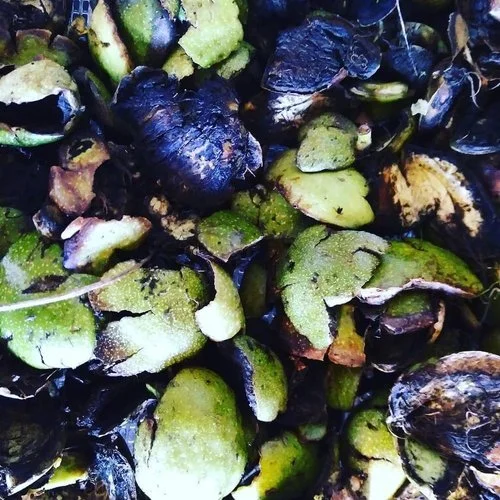
Brown, black with iron
Evaporated ink, lake pigment
-
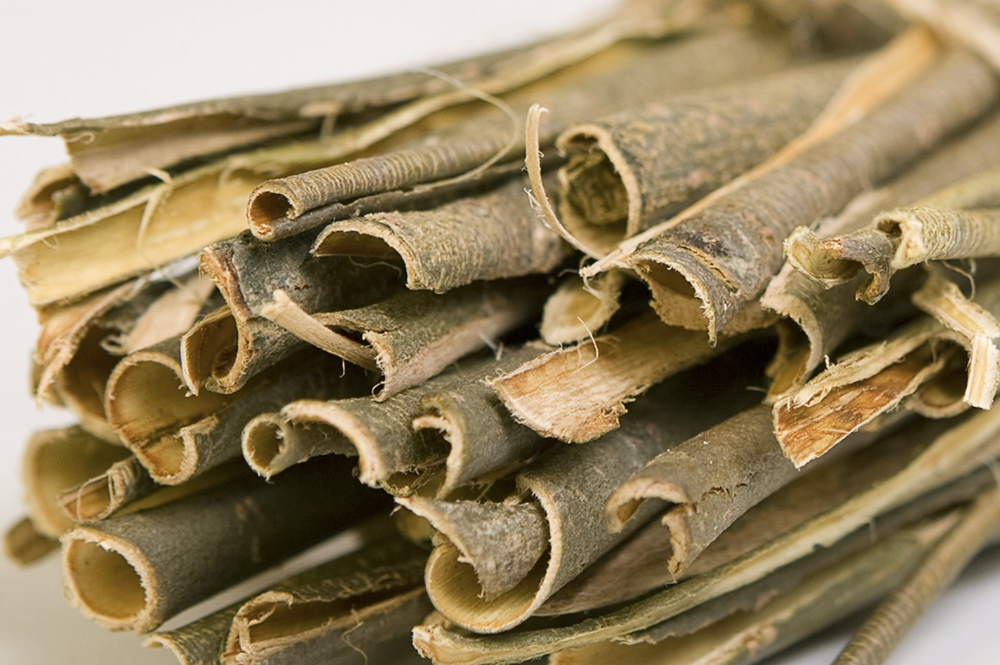
Yellow, orange, pink, brown.
Evaporated ink
Notes: Strip the bark from freshly cut branches. This is easiest in early spring.
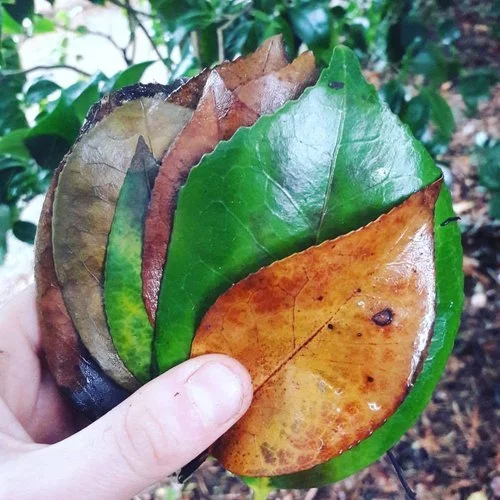
-
Yellow, burgundy
Evaporated Ink
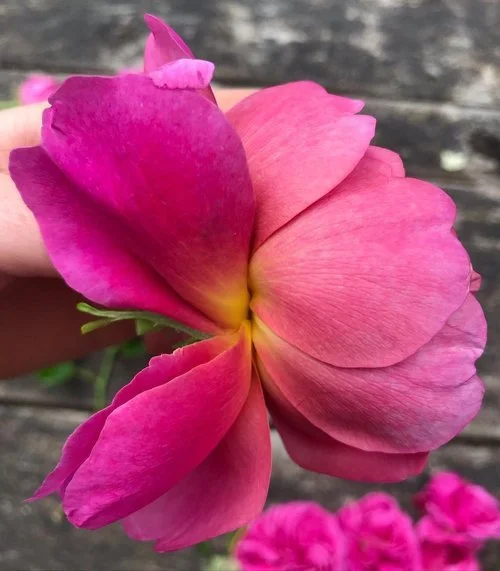
-
Green, yellow, pink
Lake Pigment
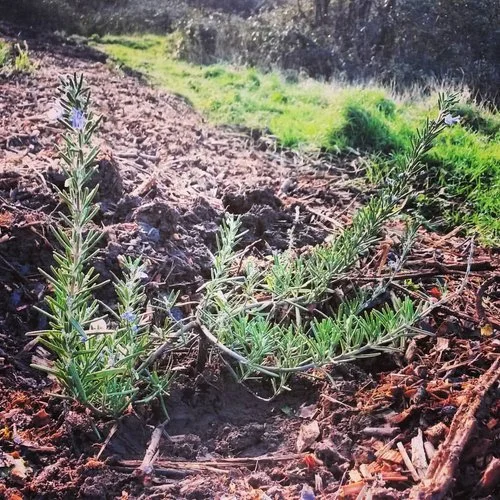
-
Green, brown, red, purple
Evaporated ink
Notes: Rosemary is a mysterious plant; I have made so many different colours from it. I think this is due to the volatile oils in the plant.
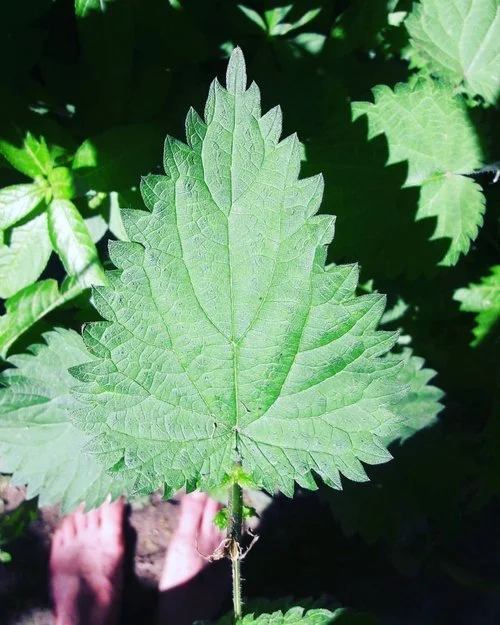
-
Green
Soda Ash Ink
Notes: Early spring nettles will give the greenest colour.
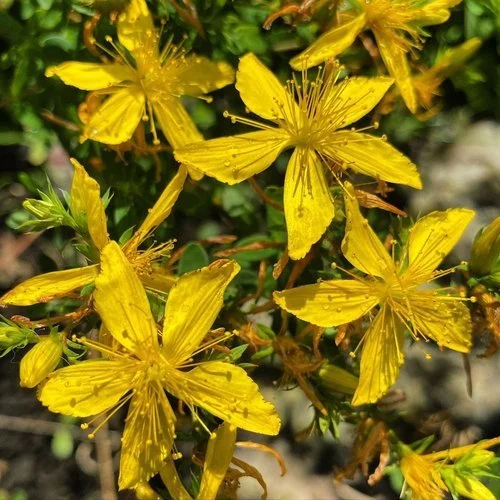
-
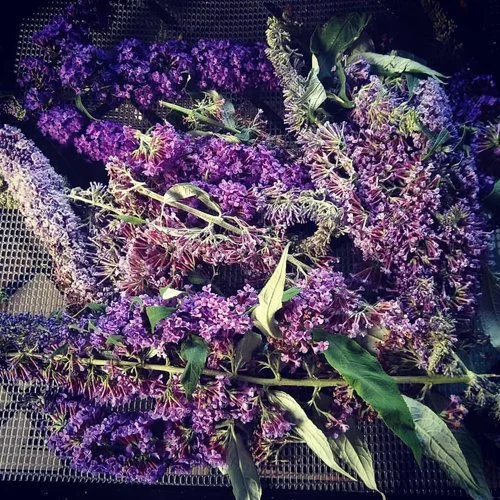
Pink
Soda Ash Ink
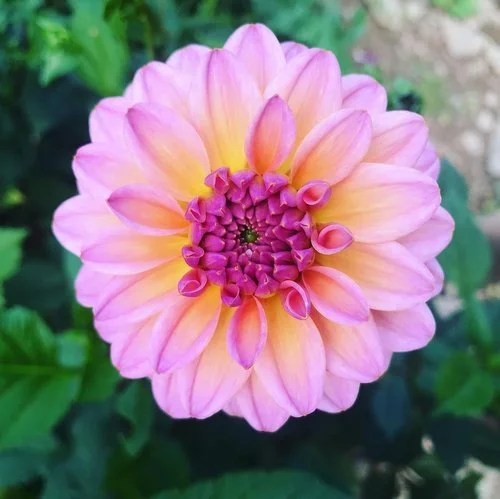
-
Yellow
Soda Ash Ink, Evaporated ink, Lake Pigment
-
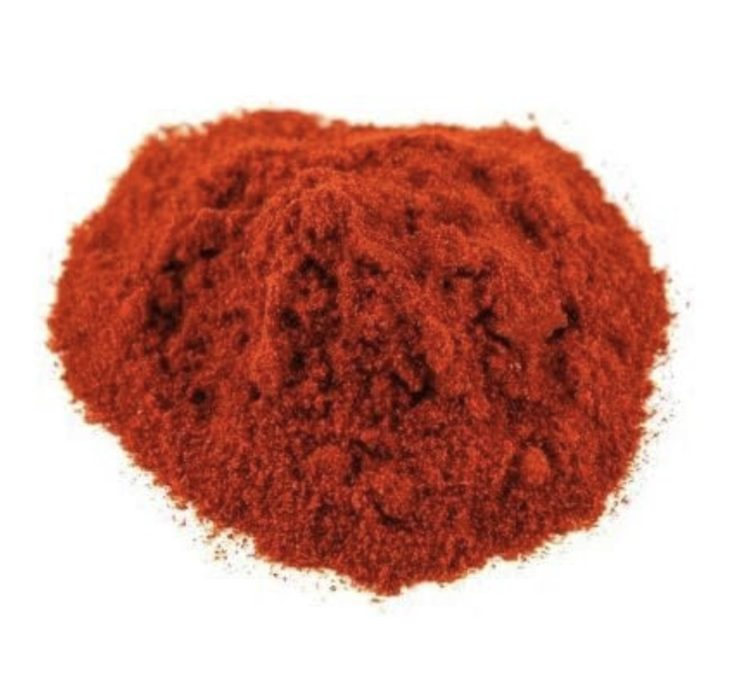
All fruits, berries, and vegetables, such as blackberry, beetroot, blueberry, elderberry. Purple fruits will fade to grey. Turmeric is light sensitive so will fade. Purple flowers such as dahlias and hibiscus fade.
-
Dye extracts can be made in to a paint or ink very easily as they are water soluble. A stable green is difficult to achieve so Chlorophyllin extract is a useful alternative.
Indigo pigment is energy and time intensive to make yourself from indigo leaves. So you can purchase indigo extract. This is a non-water soluble pigment, however the particles are so small and light it is very easy to work with and turn in to a paint or an ink.