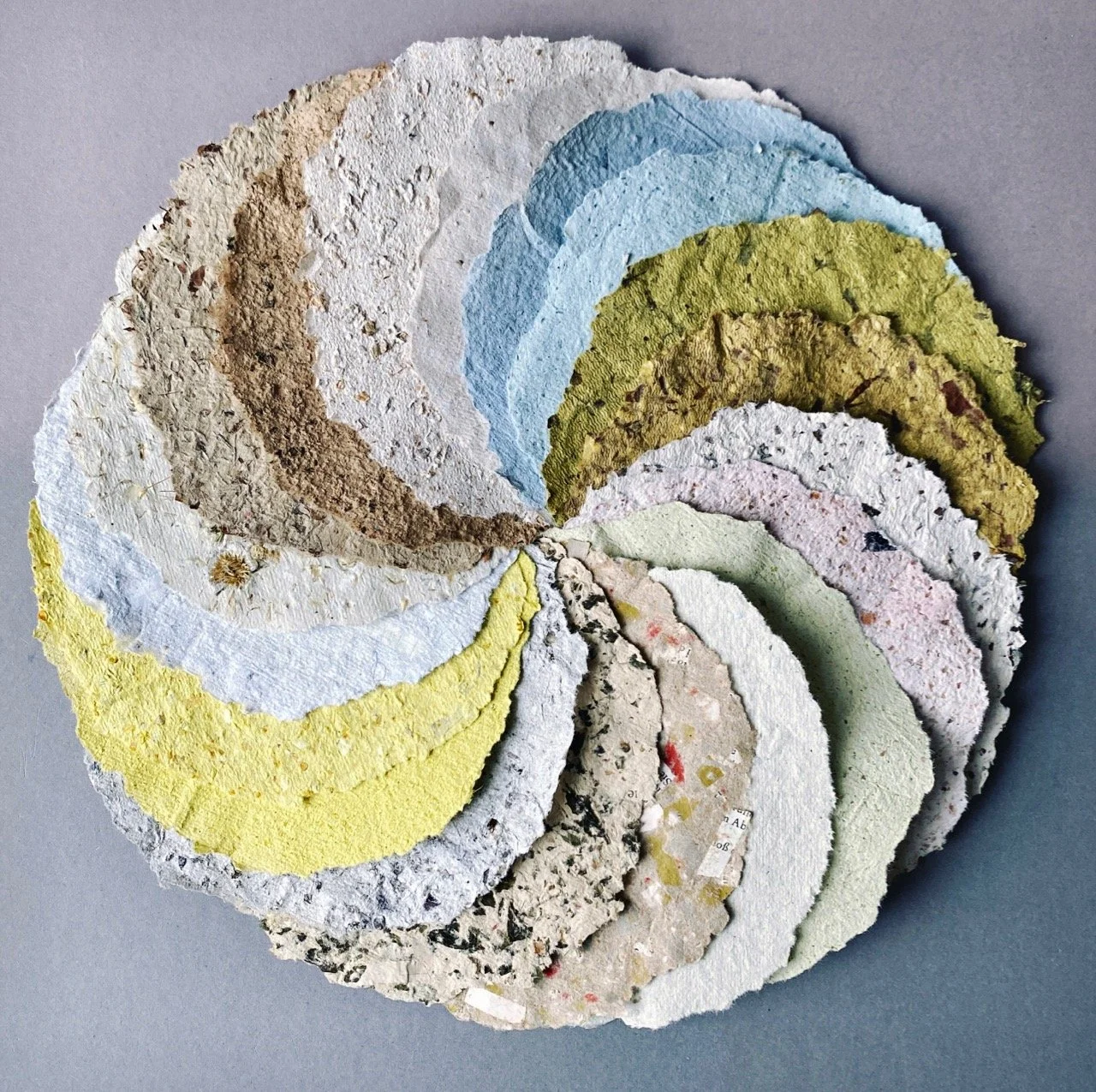
Paper Making
12 Live Online Sessions: From June to August 2027
With Sarah Grace Dye, Radha Pandey, Isobel Denton, and Greta Facchinato
An in depth introduction to experimental papermaking working with natural, locally available materials in creative ways.
Creating your own papermaking setup from scratch, from simple moulds and deckles to the basic kit you need to get you started.
We will look at the history of papermaking and how techniques vary from place to place and why.
Inviting you to experiment with incorporating foraged fibres and found materials for unique and unexpected results. Teaching you how to identify local plants from which you can make usable pulp, with guidance on what to look out for and how to prepare them.
We will be making clean, flat sheets, and then moving beyond the page to making 3D shapes and sculptural forms.
We will be incorporating colour in the paper making process, both by dyeing the pulp and by selecting naturally coloured found materials to mix in to create the colour in the sheet.
We will finally cover sizing handmade paper for better use with drawing, ink and paint.
-
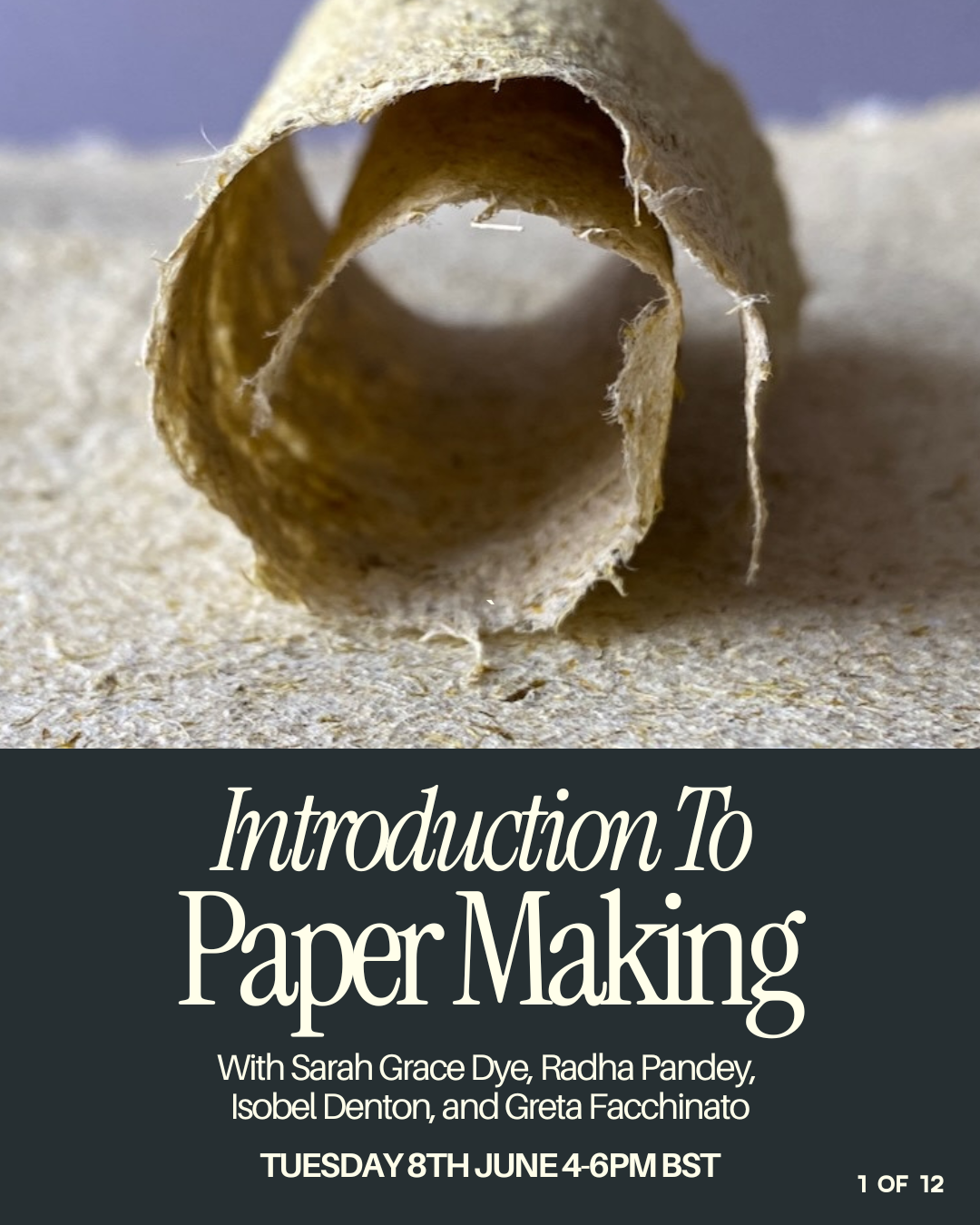
in this introductory session, you will meet the teachers,have an overview of the programme, and get familiar with the online resource area. We will consider how you can get set up for starting papermaking at home. What the basic equipment and materials you might need, with ideas for making a simple and affordable set-up using items you may already have in the home.
-
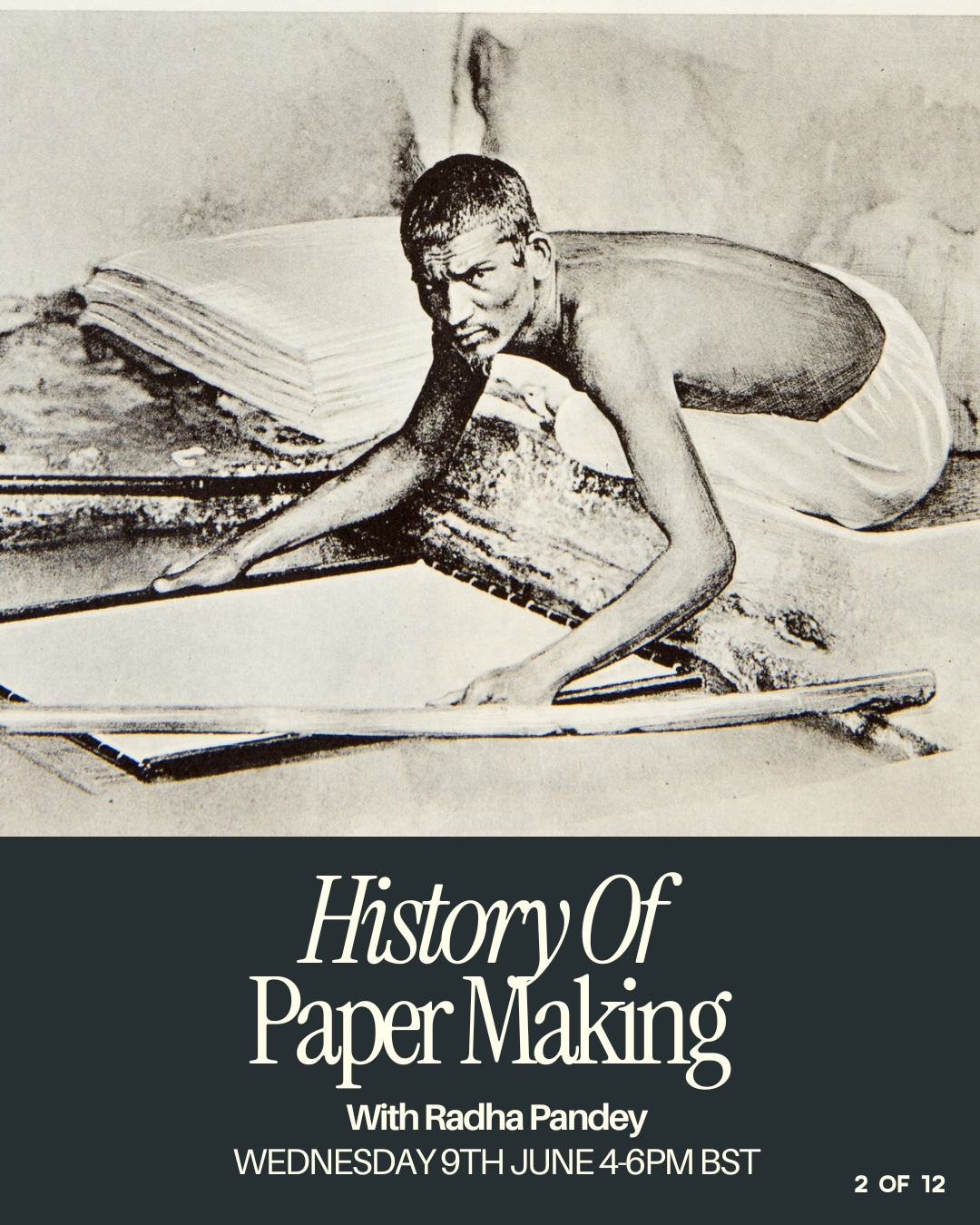
This talk covers a history of the invention, and movement of paper from China, Japan, Korea, Vietnam, India, Samarkand and into Europe and the US. I also discuss the traditional methods of fiber prep, the tools and techniques that set the papermaking traditions in these areas apart, and why certain developments took place, and how that affected paper, its use, and the spread of papermaking.
-
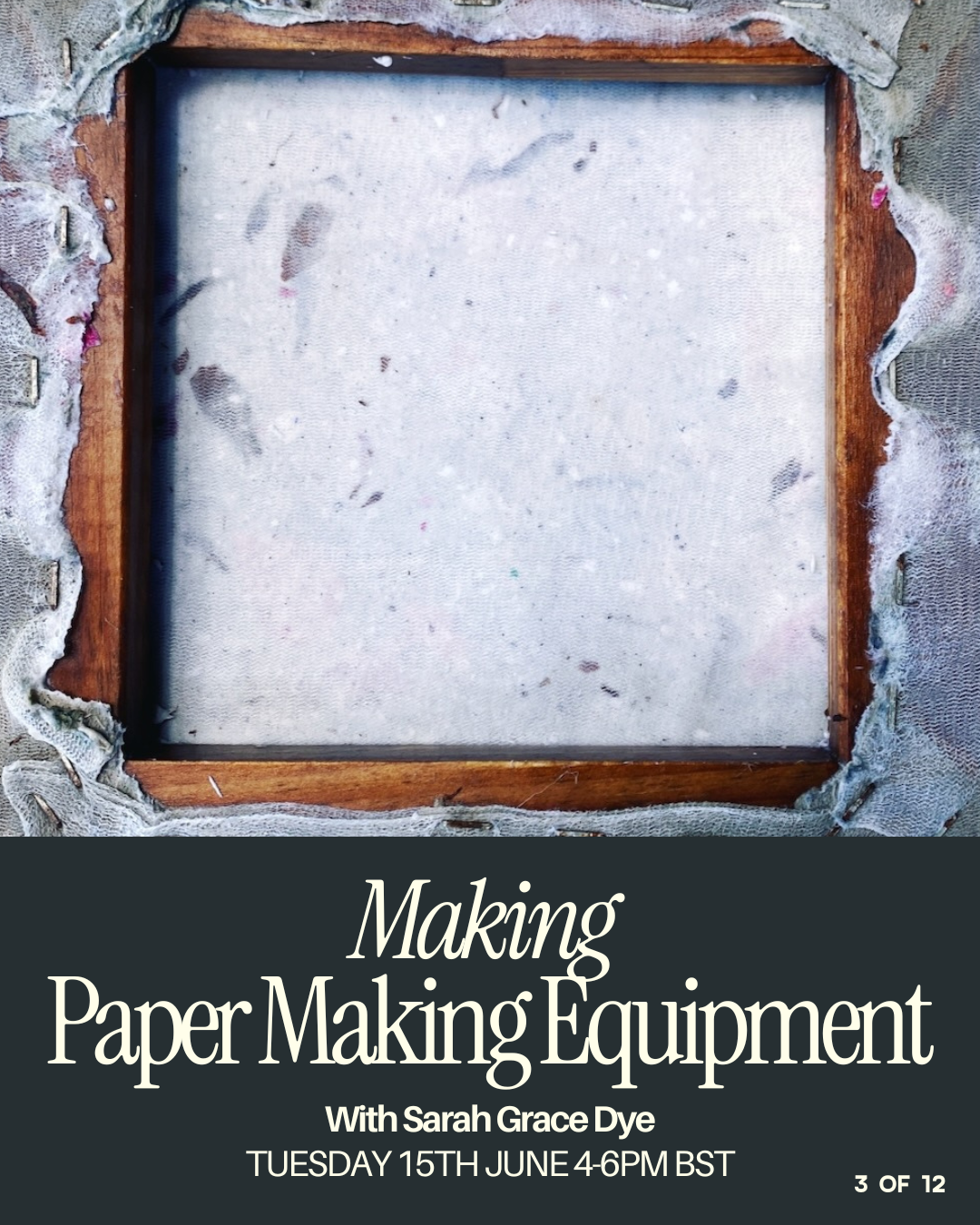
In this session you will be shown the range of equipment needed for paper making at home. You will learn how to make your own moulds and deckles in a simple and cost effective way with regular household objects. We will also consider what chemicals might be involved in the process of paper making and think about good practice when it comes to the materials we choose and the environment around us.
-
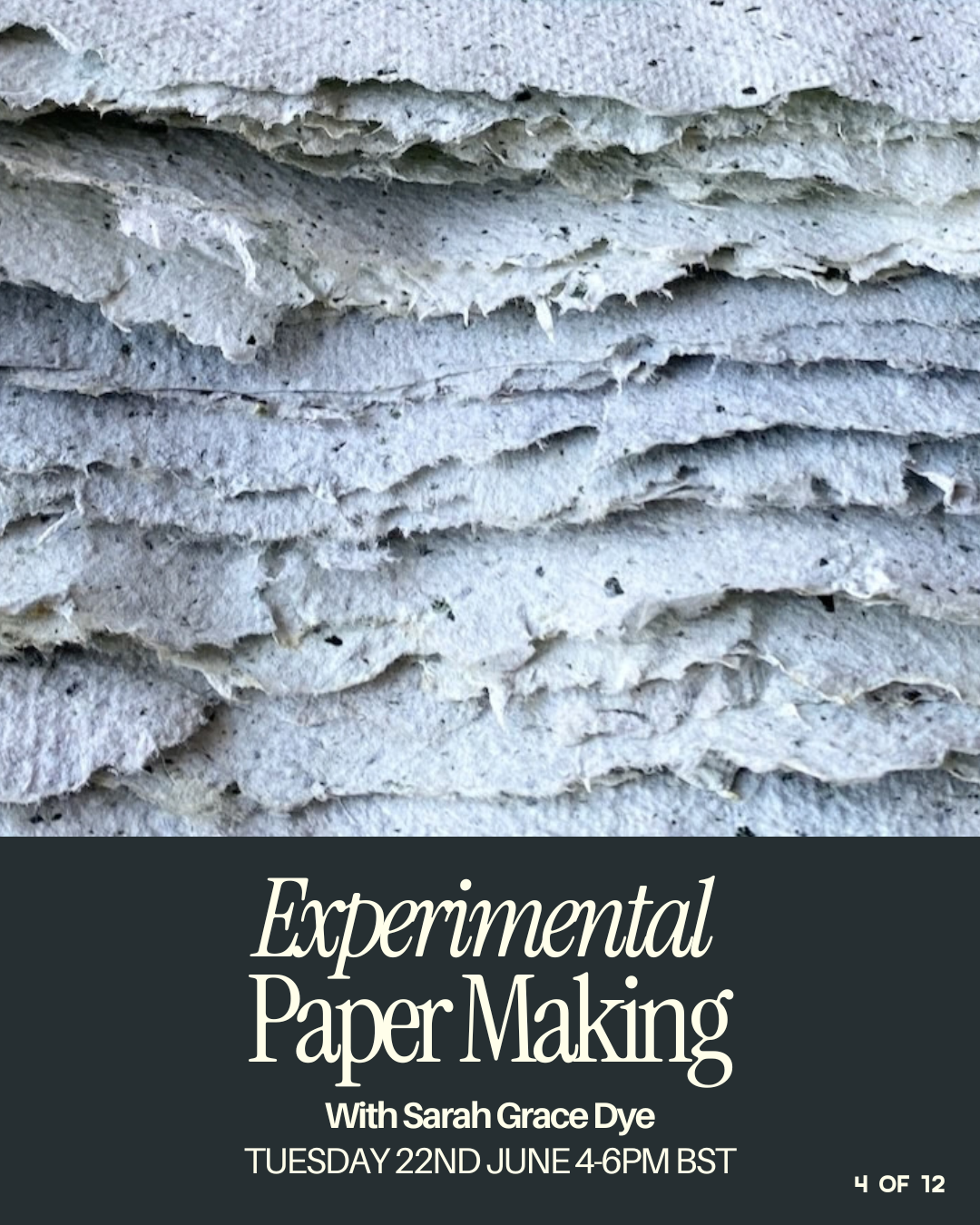
During this session you will learn about various materials we throw away everyday and how these can be recycled and made into paper from paper bags, dryer fluff, packaging to vegetable and garden waste. You will be guided through the process step by step of collecting, processing and making sheets of paper to the finished dry sheets. Experimentation is key so you are able to equip yourself with the knowledge and skills to transform the waste from your home into something beautiful and useable.
-
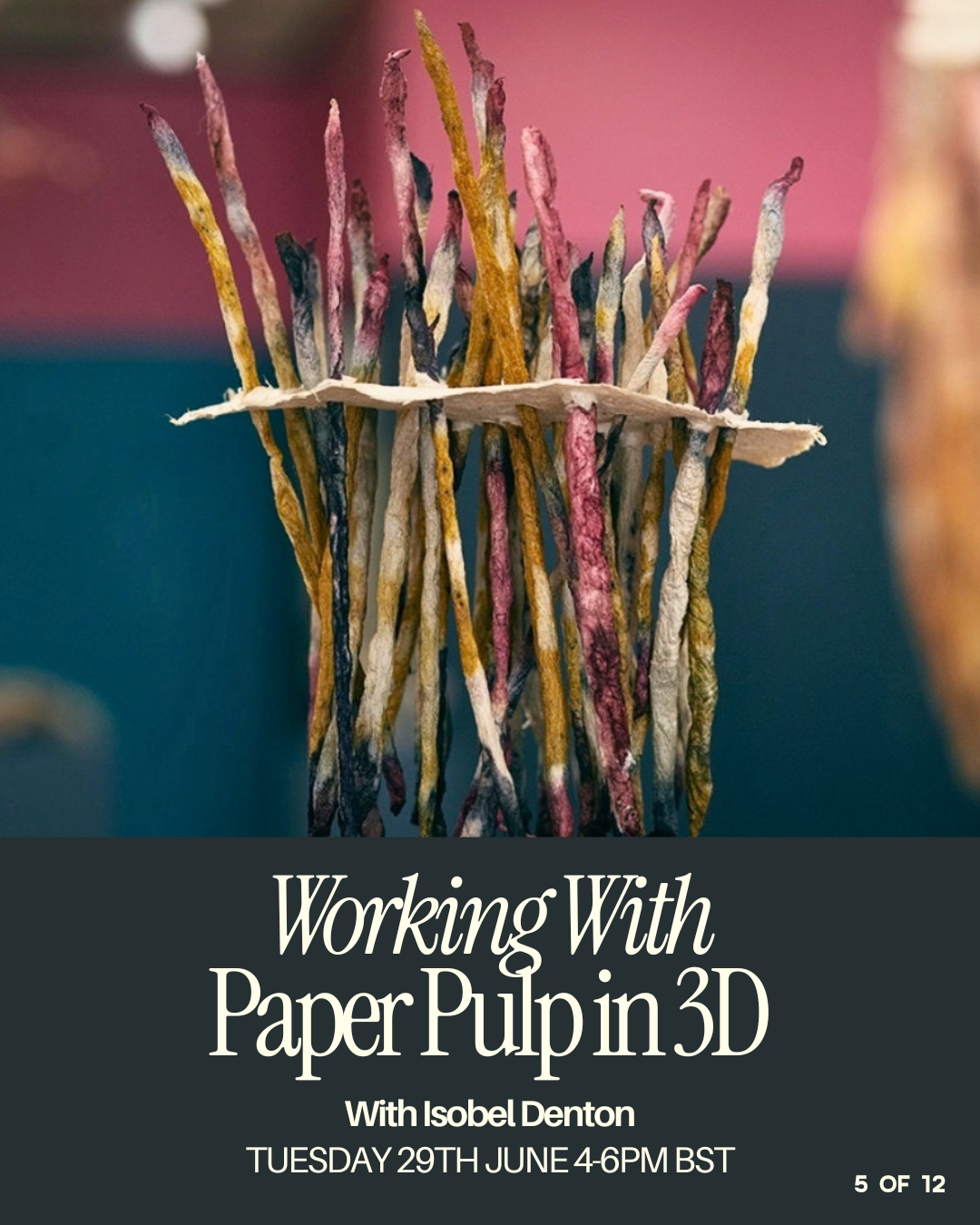
In this creative workshop, you’ll discover how everyday waste materials can be transformed into beautiful, organic 3D sculptures. You’ll learn how to make handmade paper using waste paper, old cotton clothing and fabric scraps, exploring the process from pulping and forming sheets to creating your own sculptural material. We will also give discarded plastic bottles and punnets a new lease of life, using them as moulds to shape and form your handmade paper into three-dimensional sculptures. I’ll guide you through each stage of the process, from making the paper to moulding and building a finished piece. A playful exploration of natural forms and texture using repurposed materials, this workshop is all about discovering the creative potential in materials that might otherwise end up in the recycling bin.
-
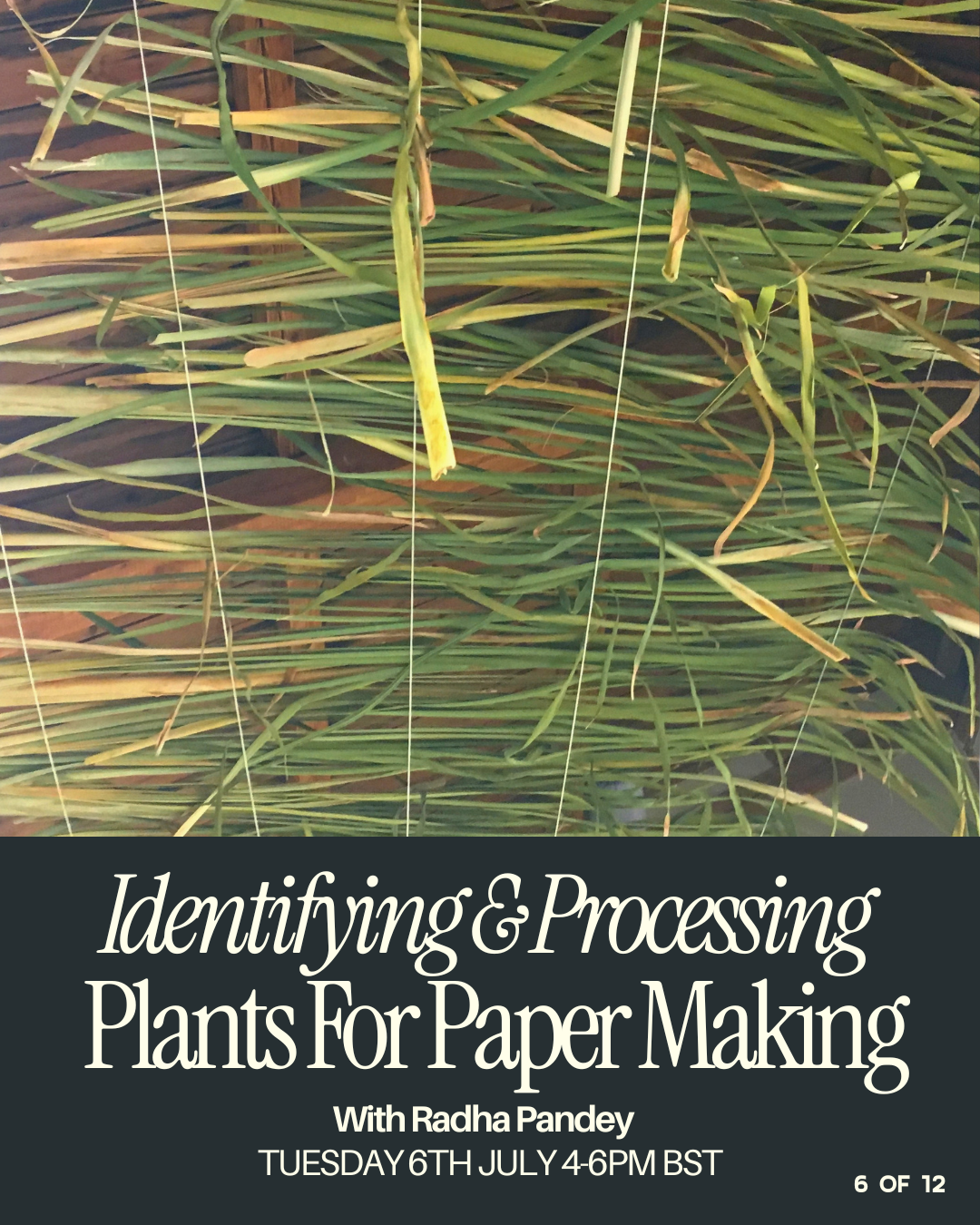
In this class, participants will learn how to process plants for papermaking. There are several plants that are good for making into paper and fall is the best time to harvest what you have in your yard or in neighbourhood. Participants will learn how to identify which part of the plant might be good for papermaking, how to process the plant for fiber by steaming, stripping, cooking, or all three, how to process fiber into pulp and how make simple sheets of paper from materials you may have around the house.
-
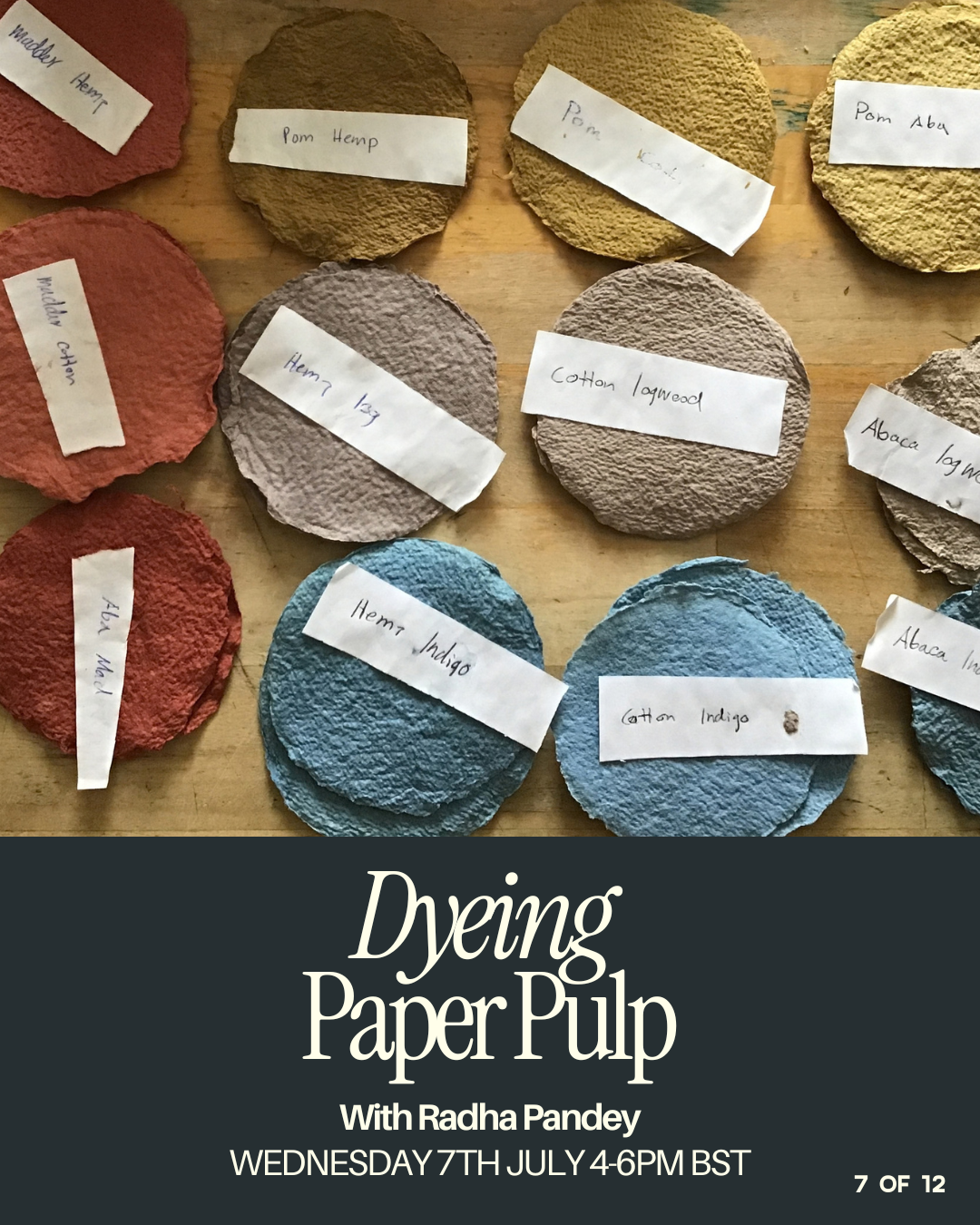
Description goes hereIn this demonstration, participants will learn about how to mordant and dye two types of pulp which can then be used to make paper. Each pulp takes dye differently and behaves differently to being heated. We will also go over how to make small tester sheets with the dyed pulp.
-
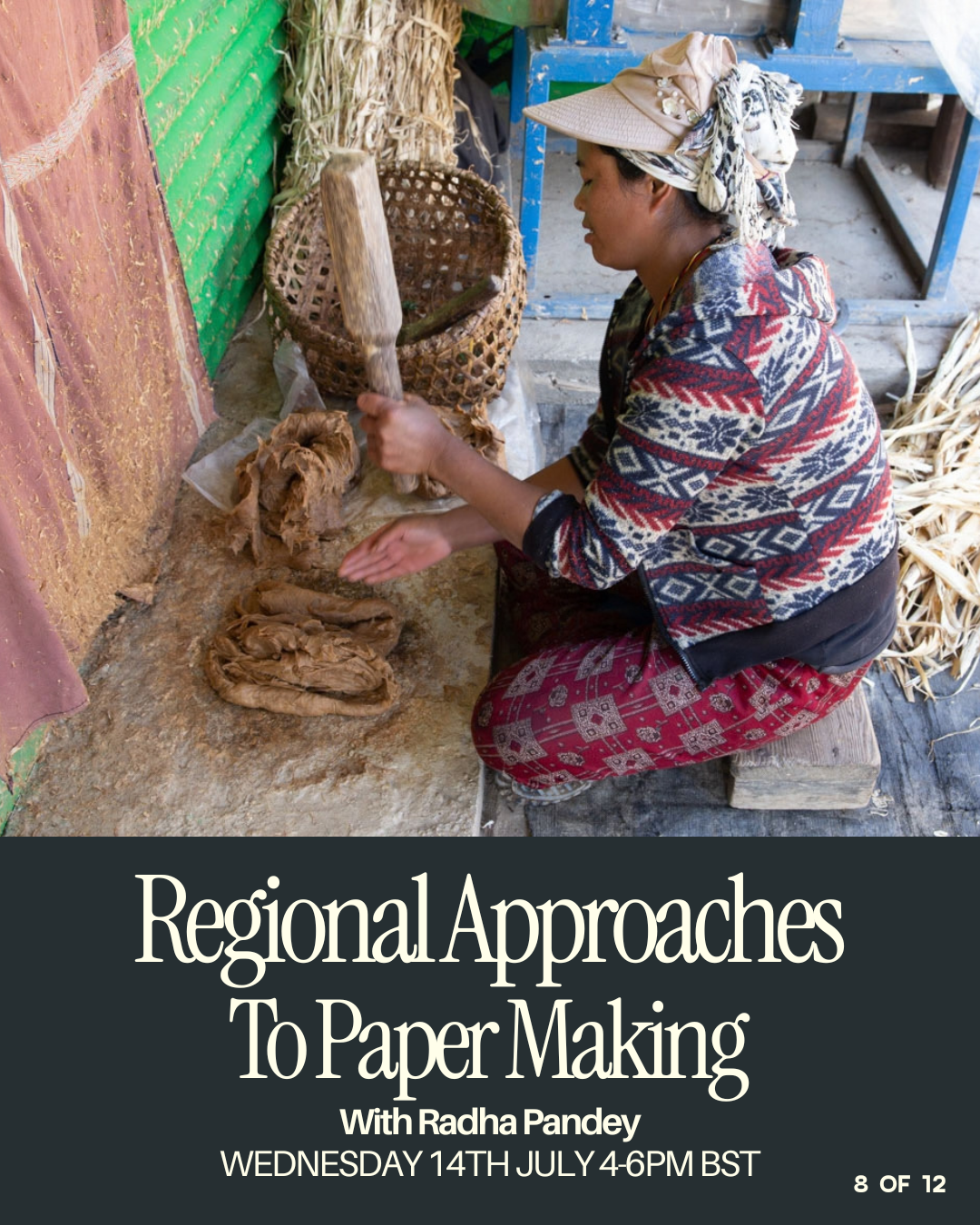
This talk will focus on the regional approaches to papermaking, and how certain geographic locations resulted in certain fibers or tools being used in paper production. We will look at historical images and examples of tools and their contemporary counterparts.
-
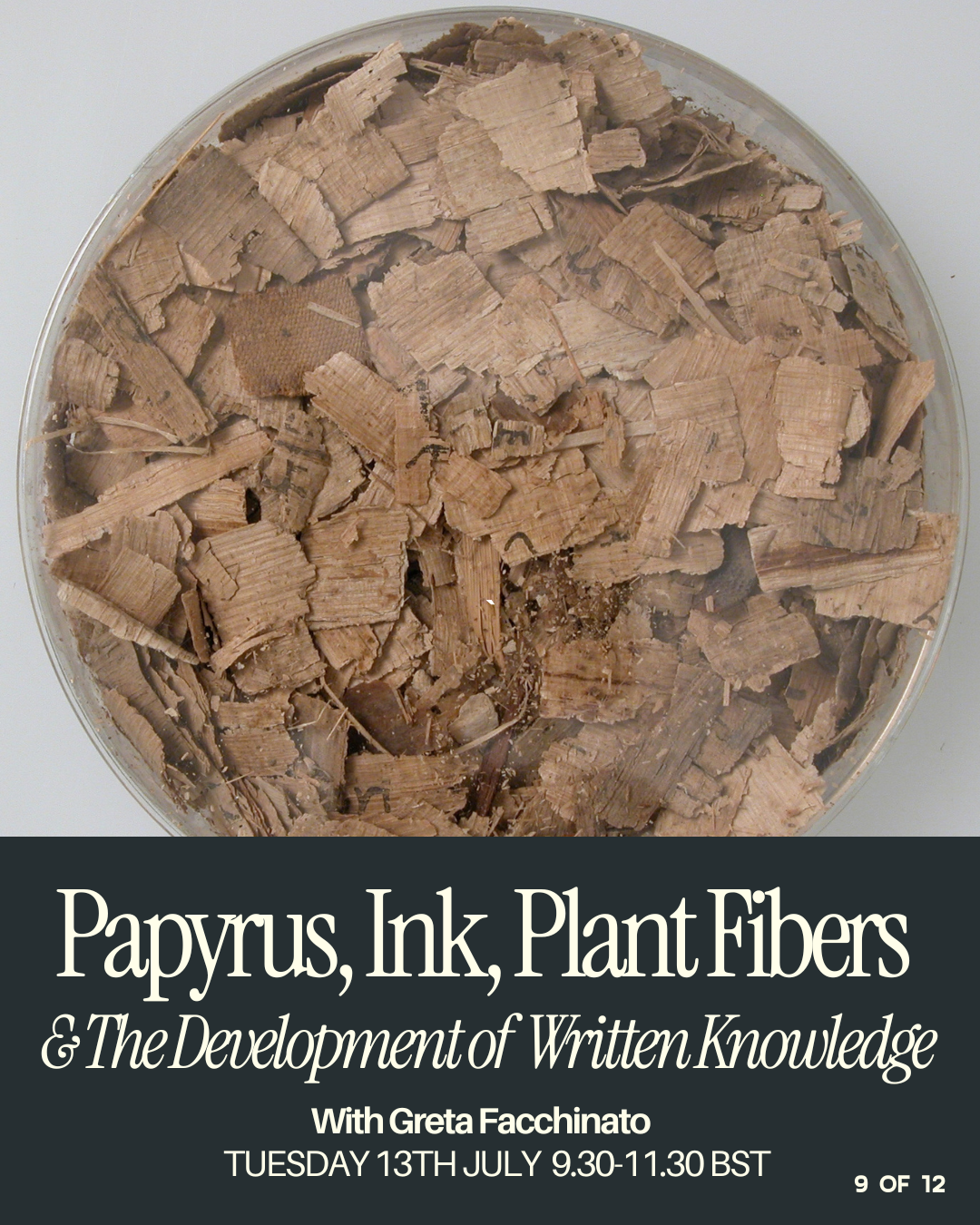
This lecture explores the profound interconnection between botany, ink, and the birth of written culture. By looking at the physical nature of the papyrus plant and paper, we will examine how the qualities and limitations of its fibers guided how history was recorded, ideas shared, and secrets preserved. We will trace the journey of how a river reed, combined with the fluids of early inks, allowed the fleeting spoken word to take root, giving rise to the very first books and the development of what we now know as written knowledge.
-
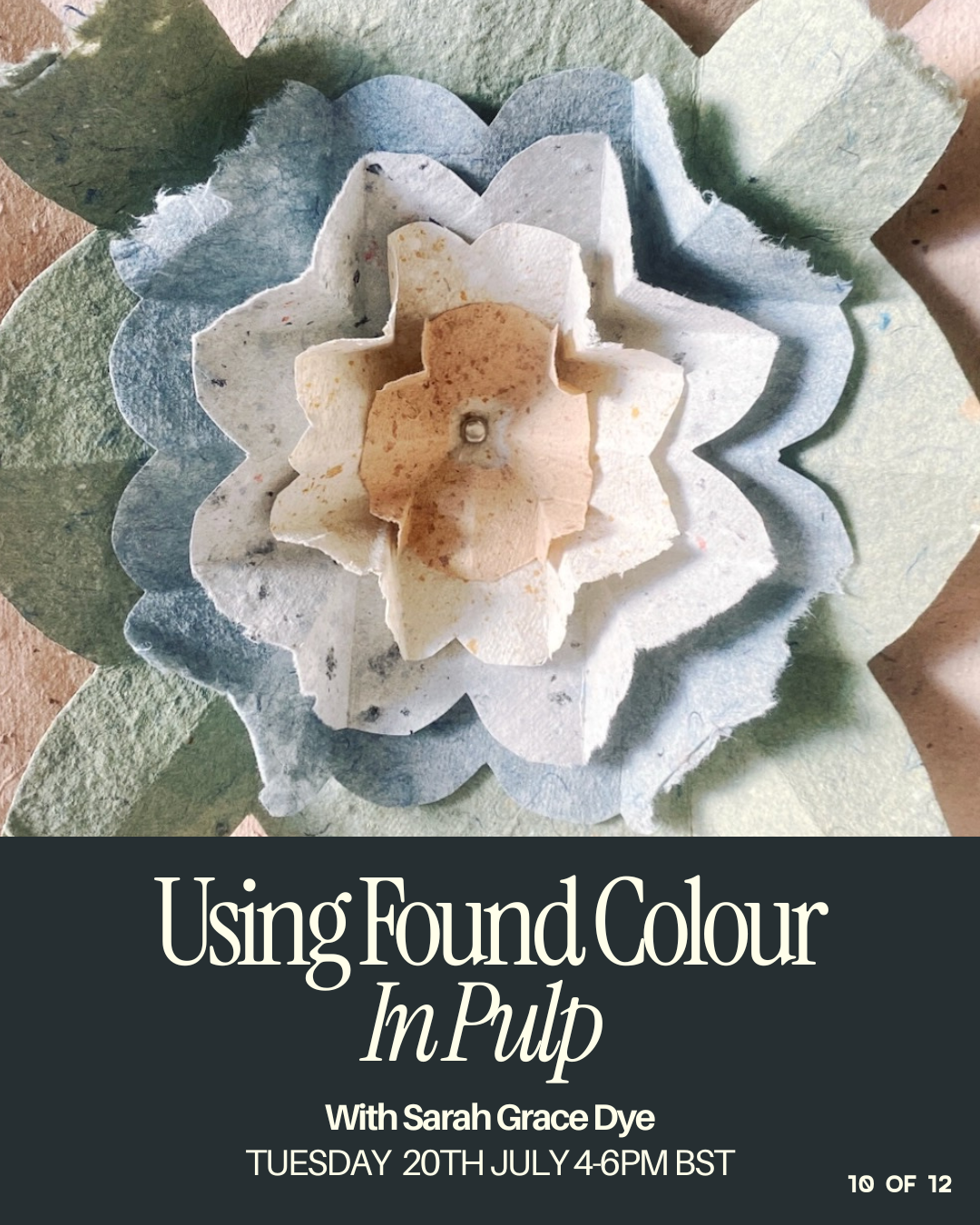
This session will dive into how it is possible to make coloured paper from found coloured pulp. What colours can we find naturally in our everyday environment and we will consider the longevity of those colours. You will be shown a wide variety of papers made with coloured pulp and encouraged to look differently at the waste your home and garden produces. This lesson sits very well alongside a practice of natural dying, ink and pigment making using up the waste from these practises, but not exclusively. There is so much we throw away that could be utilised here.
-
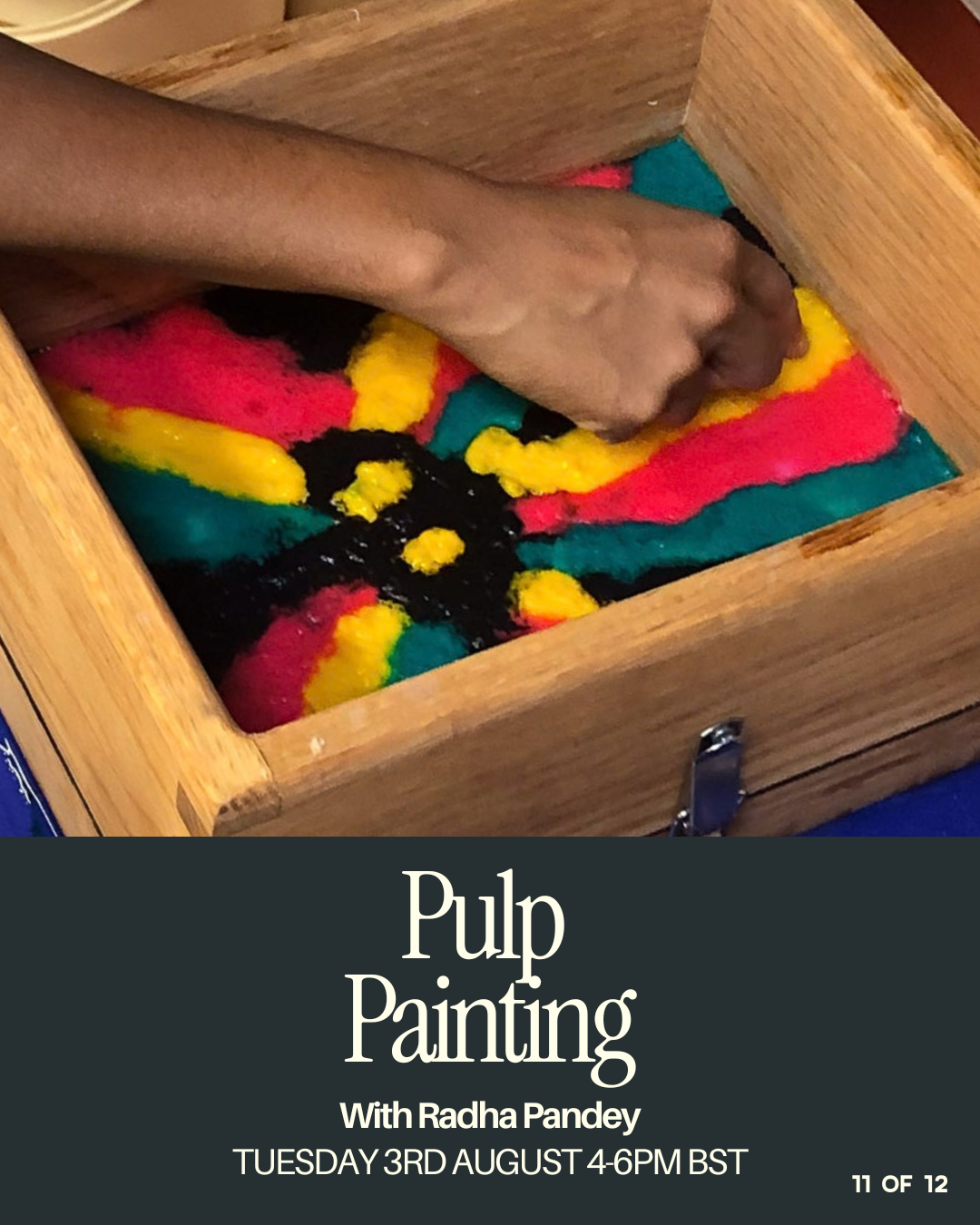
In this demo, participants will learn how to pigment highly beaten pulps for pulp painting, how to work with layers of pulp, and use brushes and stencils to create patterns imagery.
-
In this class, participants will learn how to use external sizing to make the paper surface impervious to inks. We will discuss different materials that can be used for sizing papers at home and pros and cons of each.
Paper Making
12 Live Online Sessions: Eight Live Online Demonstrations and Four Live Online Talks
11 PDF Handouts
Access 24 hours of teaching (live & recorded)
Optional What’s App Group for sharing work with other course members
Access to recordings until August 2028
Join Live or Watch The Recordings
-
-
With All Teachers
Tuesday 8th June 4-6pm GMT
-
History Of Paper
With Radha Pandey
This talk covers a history of the invention, and movement of paper from China, Japan, Korea, Vietnam, India, Samarkand and into Europe and the US. I also discuss the traditional methods of fiber prep, the tools and techniques that set the papermaking traditions in these areas apart, and why certain developments took place, and how that affected paper, its use, and the spread of papermaking.
Tuesday 9th June 4-6pm GMT
-
Making Paper Making Equipment
With Sarah Grace Dye
In this session you will be shown the range of equipment needed for paper making at home. You will learn how to make your own moulds and deckles in a simple and cost effective way with regular household objects. We will also consider what chemicals might be involved in the process of paper making and think about good practice when it comes to the materials we choose and the environment around us.
Tuesday 15th June 4-6pm GMT
-
Experimental Paper Making
With Sarah Grace Dye
During this session you will learn about various materials we throw away everyday and how these can be recycled and made into paper from paper bags, dryer fluff, packaging to vegetable and garden waste. You will be guided through the process step by step of collecting, processing and making sheets of paper to the finished dry sheets.
Tuesday 22nd June 4-6pm GMT
-
Working With Paper Pulp in 3D
With Isobel Denton
In this creative workshop, you’ll discover how everyday waste materials can be transformed into beautiful, organic 3D sculptures. You’ll learn how to make handmade paper using waste paper, old cotton clothing and fabric scraps, exploring the process from pulping and forming sheets to creating your own sculptural material.
Tuesday 29th June 4-6pm GMT
-
Dyeing Pulp
With Radha Pandey
In this demonstration, participants will learn about how to mordant and dye two types of pulp which can then be used to make paper. Each pulp takes dye differently and behaves differently to being heated. We will also go over how to make small tester sheets with the dyed pulp.
Thursday 7th July 4-6pm BST
-
The Living Connection Between Botany and Books
With Greta Facchinato
By looking at the physical nature of the papyrus plant, we will examine how the qualities and limitations of its fibers guided how history was recorded, ideas shared, and secrets preserved. We will trace the journey of how a river reed, combined with the fluids of early inks, allowed the fleeting spoken word to take root, giving rise to the very first books and the development of what we now know as written knowledge.
Tuesday 13th July 9.30-11.30am BST
-
Regional Approaches to Paper Making
With Radha Pandey
This talk will focus on the regional approaches to papermaking, and how certain geographic locations resulted in certain fibers or tools being used in paper production. We will look at historical images and examples of tools and their contemporary counterparts.
Tuesday 14th July 4-5.30pm BST
-
Using Found Colour in Paper Pulp
With Sarah Grace Dye
This session will dive into how it is possible to make coloured paper from found coloured pulp. What colours can we find naturally in our everyday environment and we will consider the longevity of those colours. You will be shown a wide variety of papers made with coloured pulp and encouraged to look differently at the waste your home and garden produces.
Tuesday 20th July 4-6pm GMT
-
Pulp Painting
With Radha Pandey
In this demo, participants will learn how to pigment highly beaten pulps for pulp painting, how to work with layers of pulp, and use brushes and stencils to create patterns imagery.
Tuesday 3rd August 4-6pm BST
With Radha Pandey
In this demo, participants will learn how to pigment highly beaten pulps for pulp painting, how to work with layers of pulp, and use brushes and stencils to create patterns imagery.
Tuesday 3rd August 4-6pm BST
-
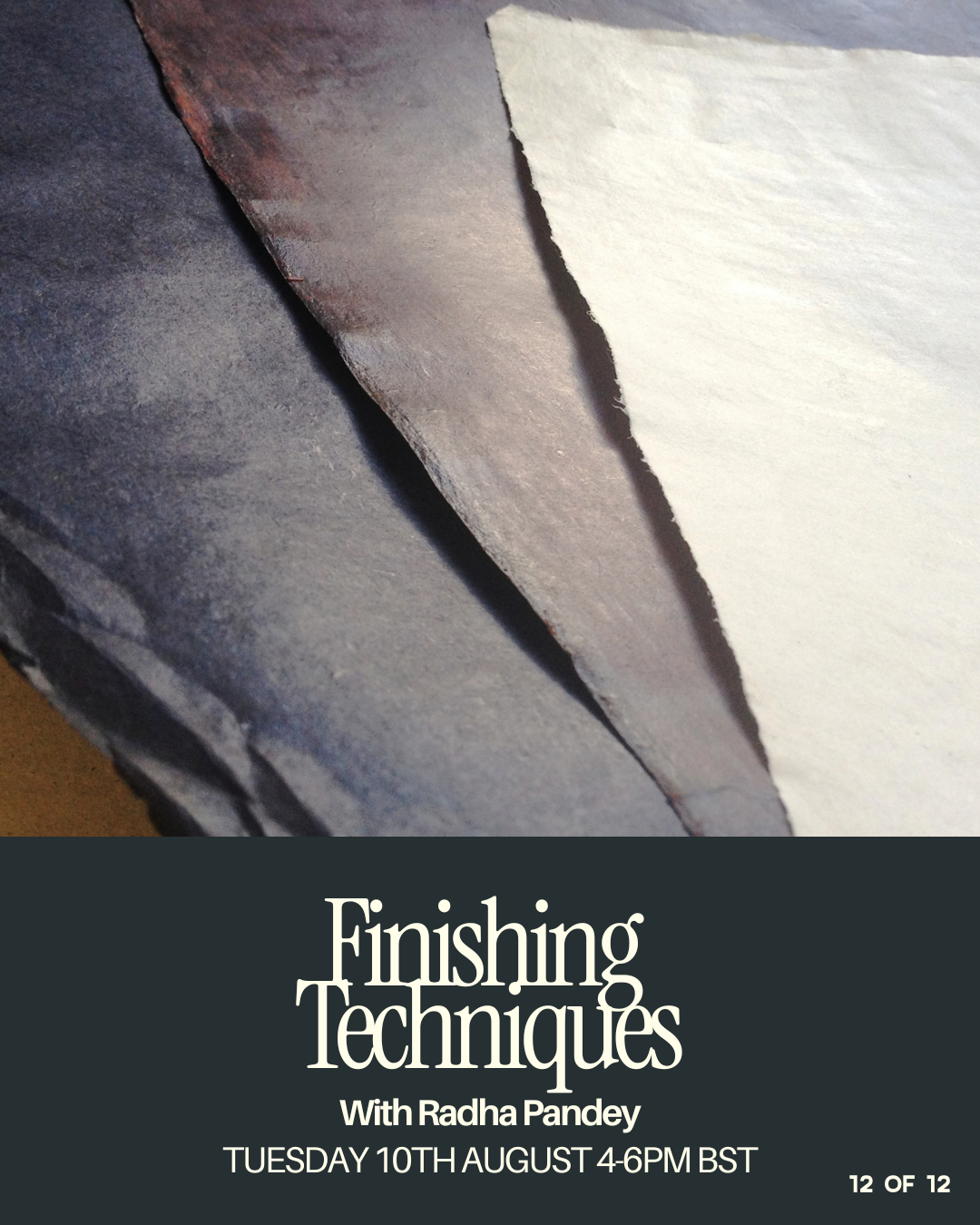
Finishing techniques
With Radha Pandey
In this class, participants will learn how to use external sizing to make the paper surface impervious to inks. We will discuss different materials that can be used for sizing papers at home and pros and cons of each.
Tuesday 10th August 4-5.30pm BST
With Radha Pandey
In this class, participants will learn how to use external sizing to make the paper surface impervious to inks. We will discuss different materials that can be used for sizing papers at home and pros and cons of each.
Tuesday 10th August 4-5.30pm BST
CONTRUBUTORS
-
![]()
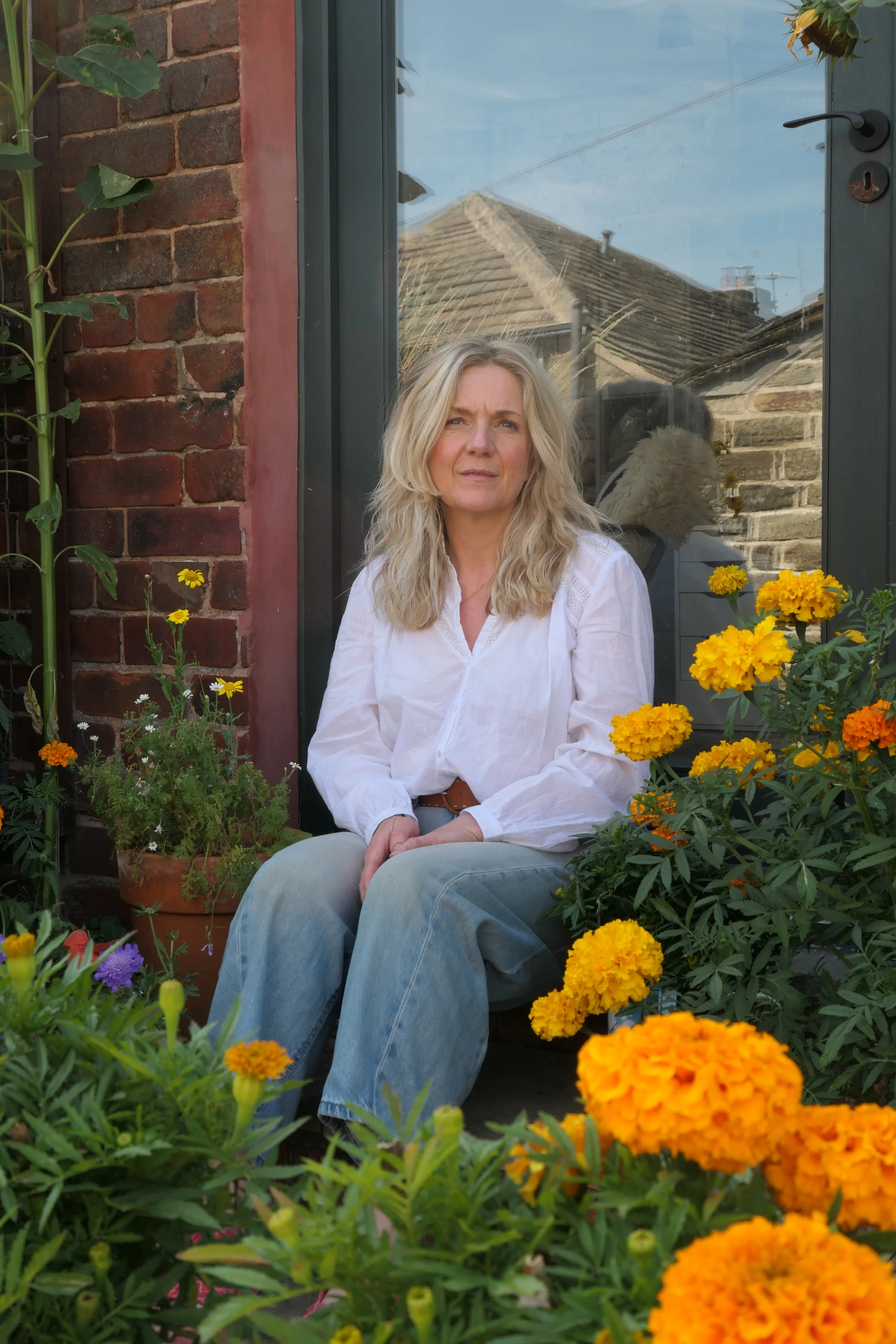
Isobel Denton
Issy is a textile artist specialising in traditional practices creating natural inks & dyes for textile & paper applications. She works from her studio in West Yorkshire under the name of ‘abitmoreink’. She became interested in dyes, and dyeing techniques whilst originally working in theatre, film and television, as a costumier. For the last 3 years she has been creating an extensive dye garden - growing plants for use in her own practice. Presently, she is focussed on developing a 3D sculptural work using various traditional craft practices and making paper using plants such as flax and other materials she either grows, or forages locally. In addition to her own practice she regularly delivers workshops at various venues. She also works with many arts based organisations and in schools, to create pieces for exhibitions that explore the narrative of natural dyeing and related processes.
‘I'm focused on growing my dye plants, as I have a large dye garden. I'm more of a generalist when it comes to using the materials I grow and a general experimentalist. Sustainability is at the core of my practice, and more recently my work has been exploring paper-making and sculptural forms. I’ve just co-created an exhibition with children from @makerworldhudds called Biophilic Sculptures as part of the Woven Festival, made entirely from sustainable materials—recycled paper and textiles, naturally dyed with plants from my garden.’
-
![]()
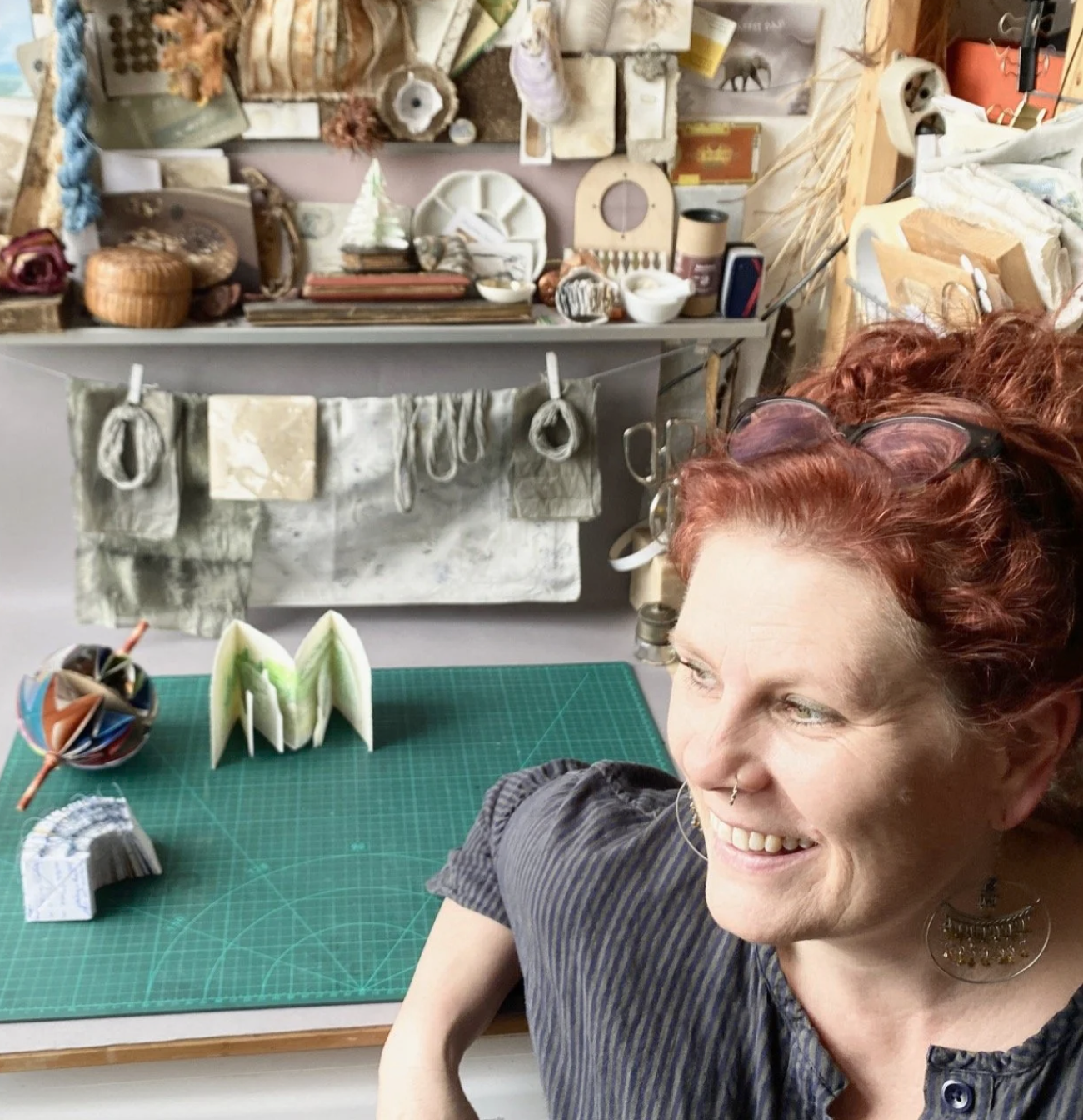
Sarah Grace Dye
Sarah Grace Dye is a visual artist who loves to find a use for and beauty in the ephemera of the everyday. Working with these objects has become like an alchemic practice enabling a transformation to take place. She believes learning to use the materials that surround us is important and her ethos dictates that it is important to waste nothing, that everything has a purpose and unique attributes to be examined, explored, elevated and a new purpose discovered. In essence, to search out beauty and hope in everything. The resulting alchemic objects are to be celebrated, shared and treasured.
Sarah is a collector and uses papermaking, natural dye and ink making, drawing, cyanotype, stitch and origami to create work, often within book structures, that amalgamates these together to produce small and perfectly formed keepsakes that echo the essence of the materials and story they communicate.
Sarah is a firm believer that everyone has the capacity to be creative and she is keen, wherever possible, to provide the catalyst for that to be realised. Her belief in the freedom to play and discover ones own marks is central and she is constantly developing this area within her own practice.
-
![]()
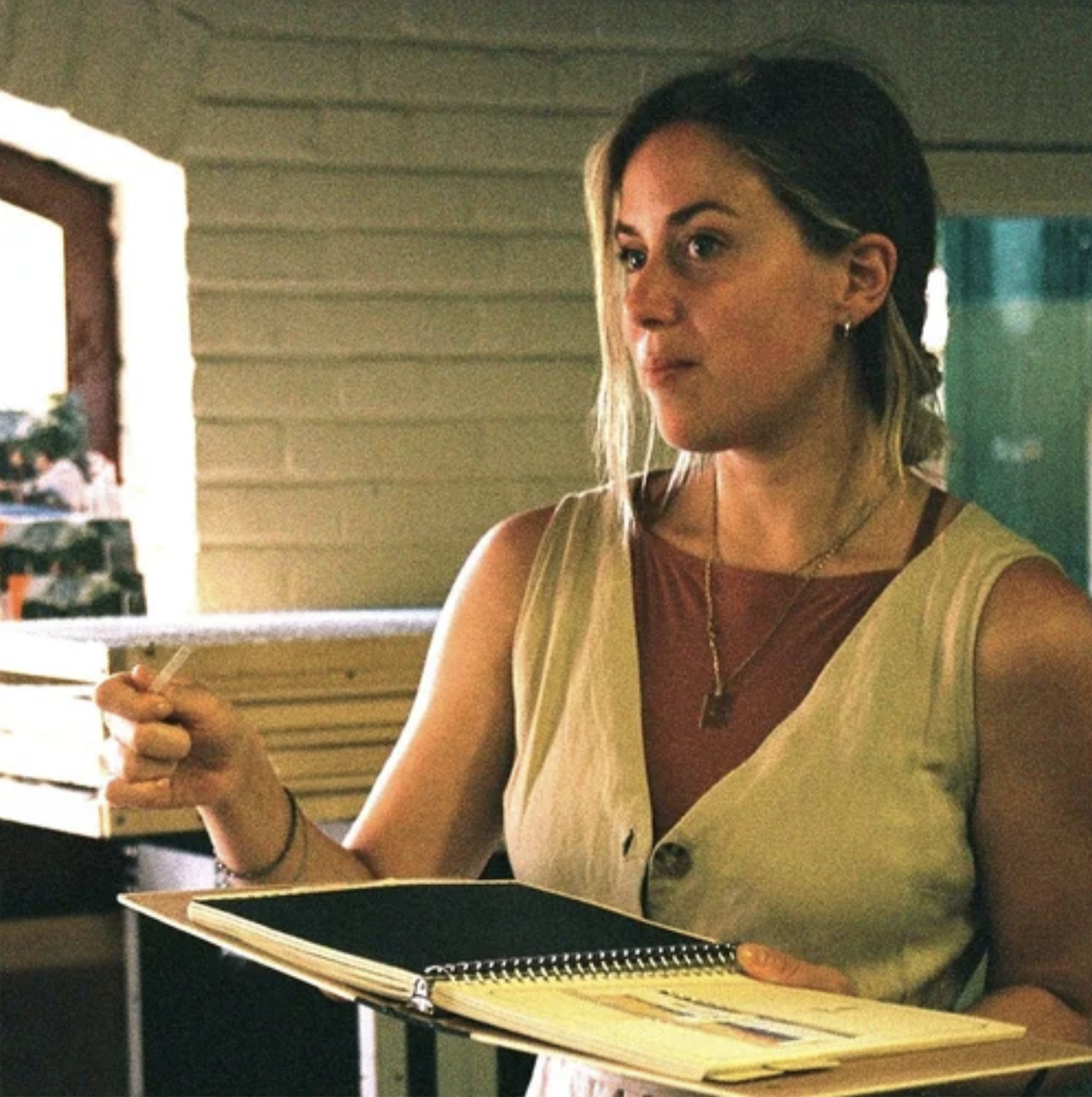
Greta Facchinato
Greta Desirèe Facchinato (IT/LU) is a research-based multidisciplinary artist and designer. She holds a Masters in Artistic Research from KABK Den Haag (NL) and a Batchelors in Visual and Performance Arts with a specialization in Sculpture from Accademia di Belle Arti di Venezia (IT). Through the crossflow of different mediums and the investigation of daily life encounters, gestures, and materials her practice invites us to experience matter from an embodied awareness. She runs a studio focused on research and sustainable education through natural materials, illustration and creative workshops. In 2021 with her project Colour is Alive she researched organic ink making for screen printing. Since then she is been working with the knowledge of color and the interconnection with our environment through the practice of making sustainable ink for printing techniques.
-
![]()
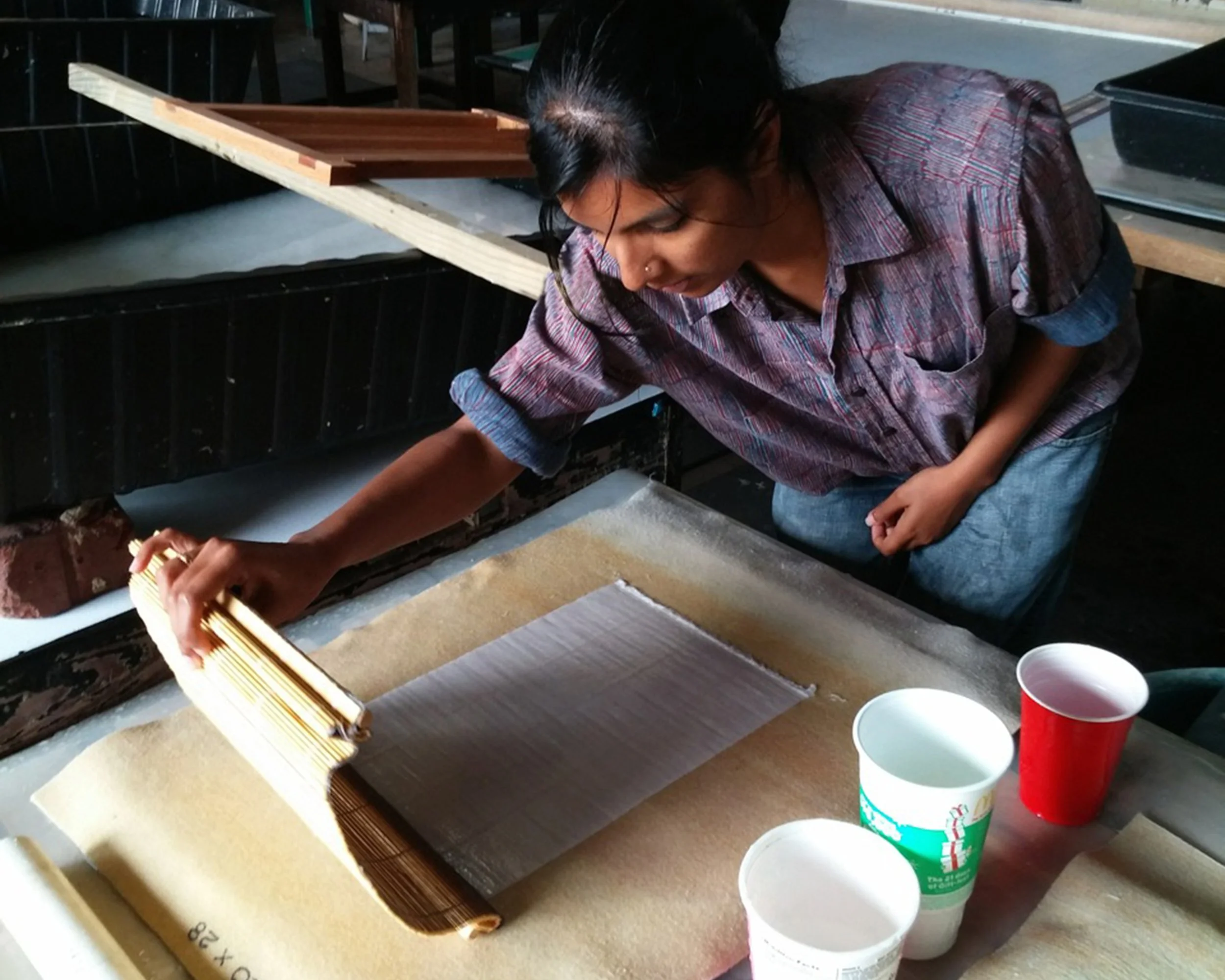
Radha Pandey
Radha Pandey is a book artist, papermaker and letterpress printer. She earned her MFA in Book Arts from the University of Iowa Center for the Book. She specializes in Indo-Islamicate Papermaking and teaches book arts classes in India, Europe and the US.
Her book Anatomia Botanica (2014) won the MICA Book Award and received an Honorable Mention at the 15th Carl Hertzog Award for Excellence in Book Design. In 2018, her book Deep Time won the Joshua Heller Memorial Award. Pandey’s most recent book Flora of Mughal India won the prestigious MCBA Book Prize (2024).
Her books are held in over 80 collections internationally, including the Library of Congress and Yale University. She runs a book arts studio in India and Norway with her partner, Johan Solberg.
Currently, Radha is working on a book about shadows and our perception of the colour black.