 Image 1 of 24
 Image 2 of 24
 Image 3 of 24
 Image 4 of 24
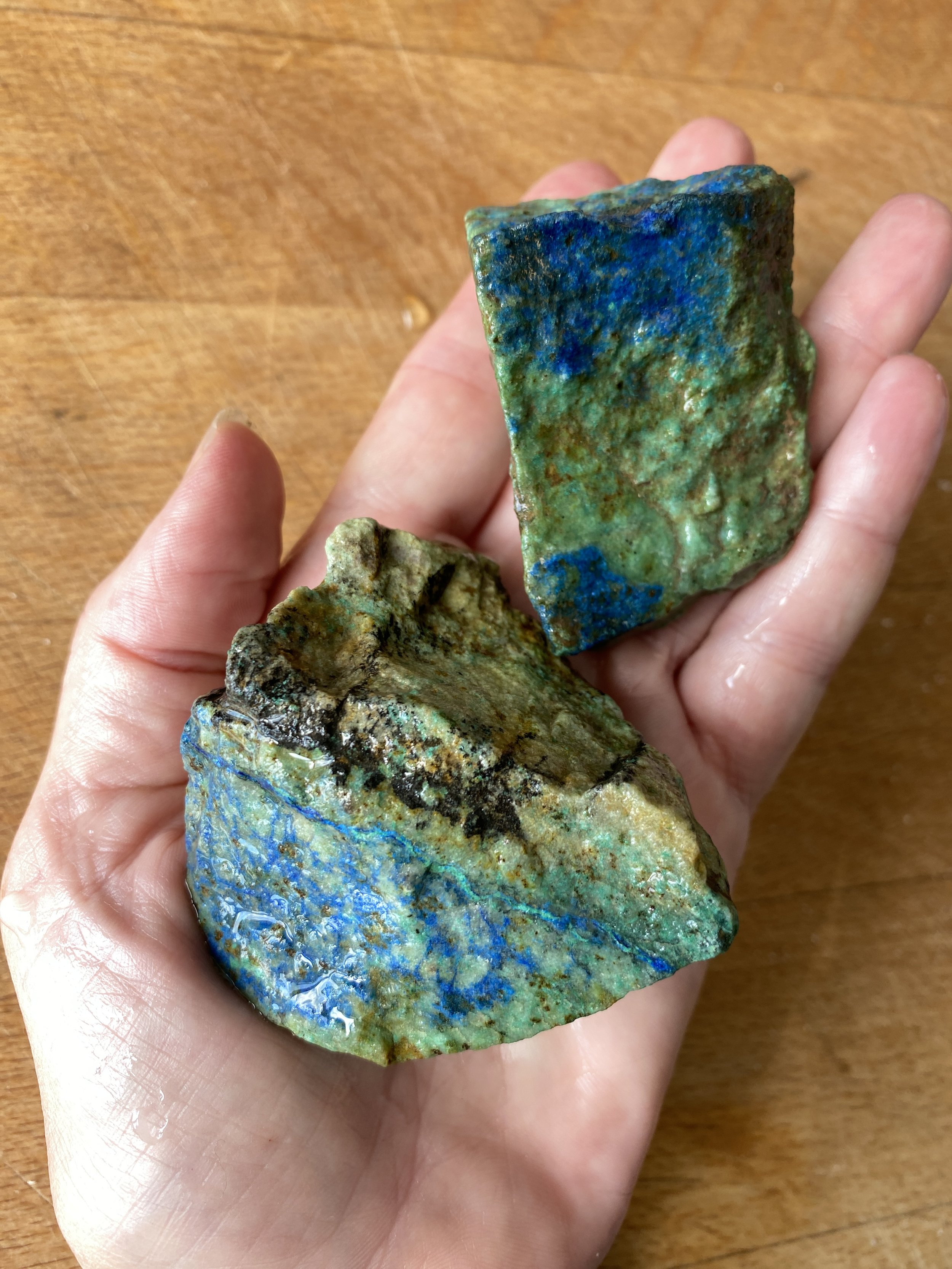 Image 5 of 24
 Image 6 of 24
 Image 7 of 24
 Image 8 of 24
 Image 9 of 24
 Image 10 of 24
 Image 11 of 24
 Image 12 of 24
 Image 13 of 24
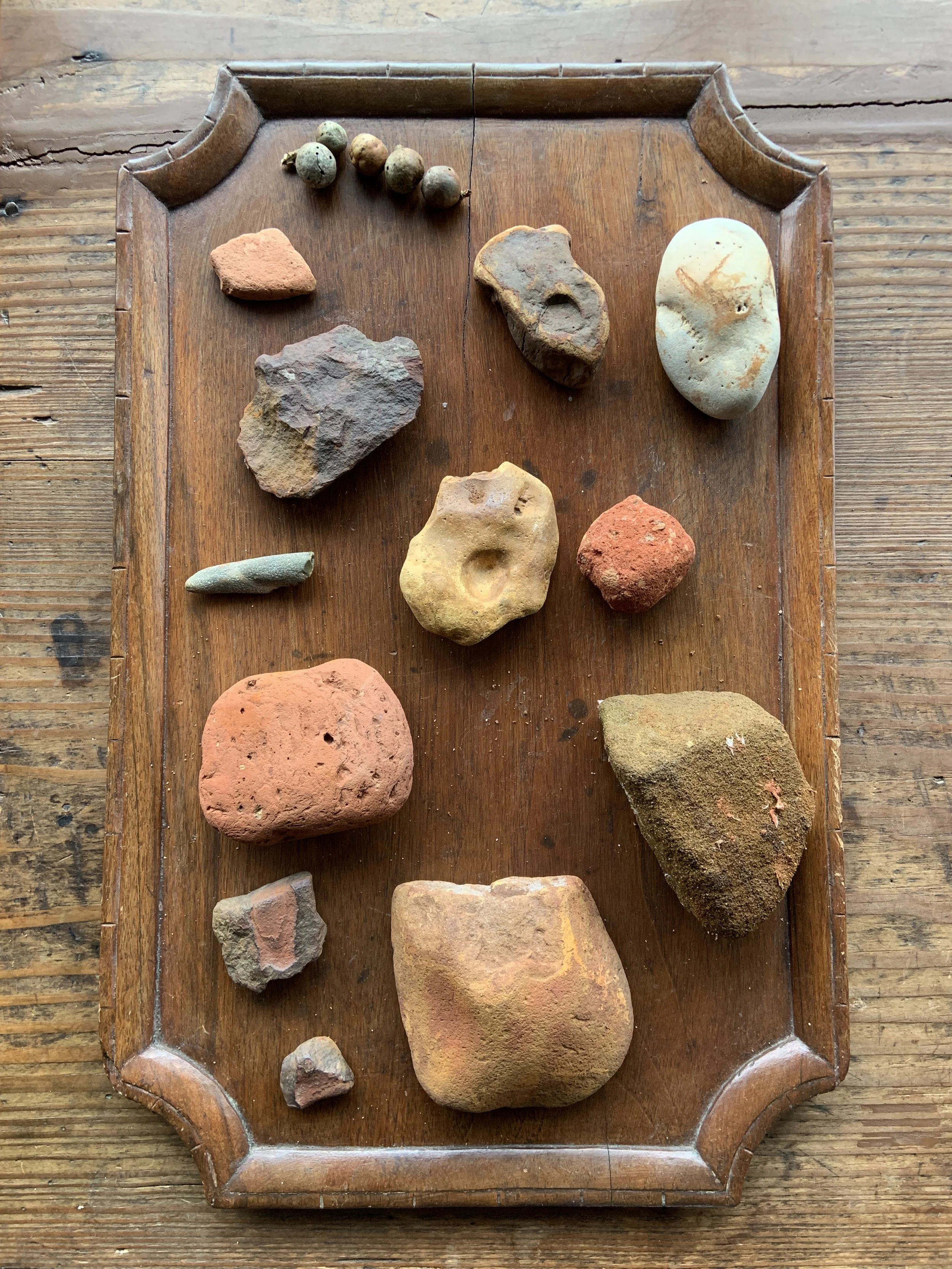 Image 14 of 24
 Image 15 of 24
 Image 16 of 24
 Image 17 of 24
 Image 18 of 24
 Image 19 of 24
 Image 20 of 24
 Image 21 of 24
 Image 22 of 24
 Image 23 of 24
 Image 24 of 24
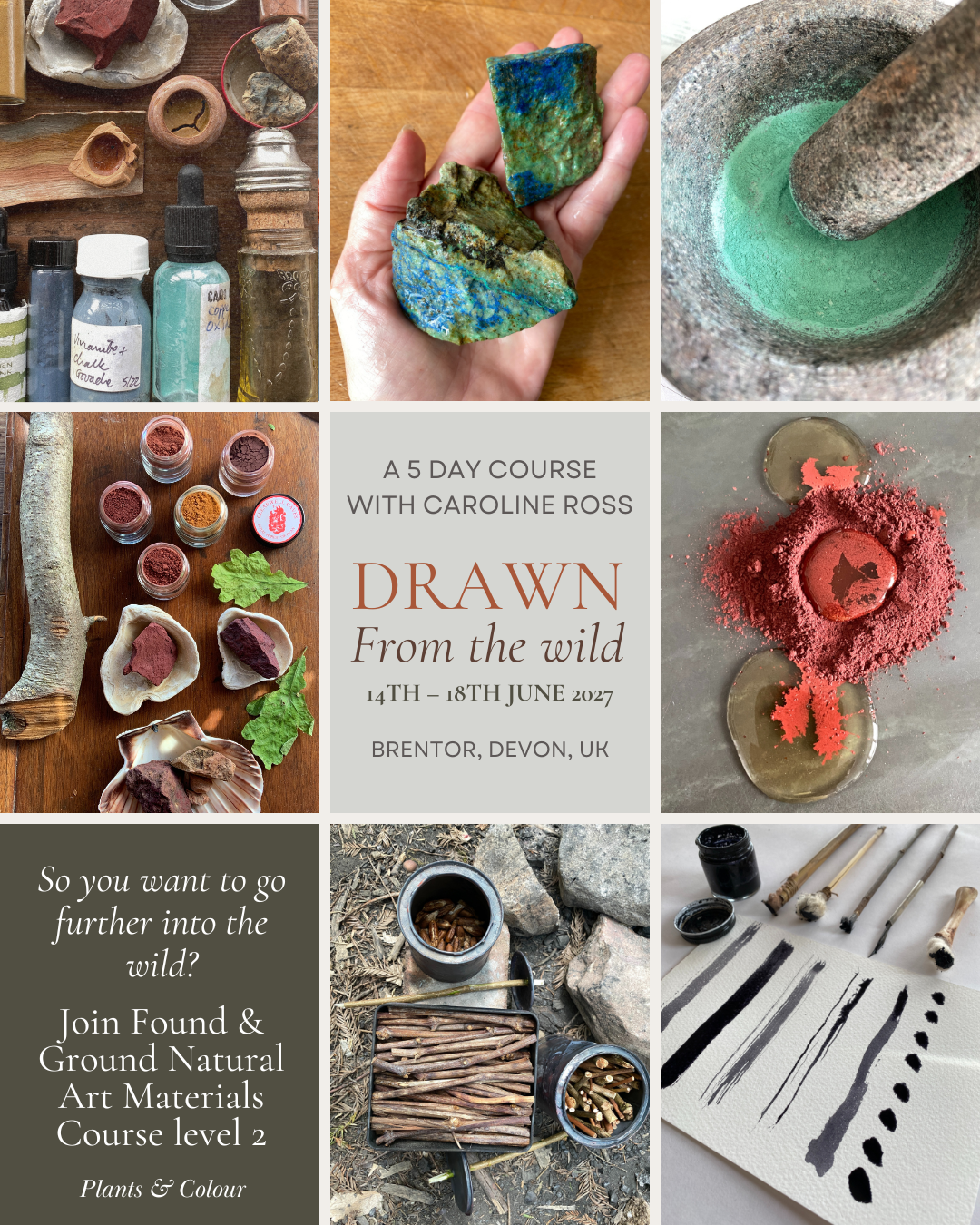
All of the topics from her current book Drawn From the Wild will be covered, with the addition of semi-precious stone pigments, oil pastels and a large variety of natural paint media for use on almost any surface.
This course offers hands-on experience, with each day dedicated to a different aspect of natural art materials. Caroline will guide you through each step of the process, encouraging creativity and experimentation. By the end of the week, you will be able to confidently source and make your own art materials from natural and urban environments.
It is suitable for anyone but especially those who have experimented even a little with making their own art materials before. For those who have enjoyed Caroline’s first book, studied online, in person, or privately with natural arts materials teachers before, this course was made especially with you in mind! We’ll be creating bespoke materials of the highest quality to augment your growing natural art kit.
The course will include:
An introduction to Caroline’s work and Plants and Colour, the week’s plan, ethics, safety, useful information etc.
Sketchbooks: creating books to use through the week and a concertina style book box to create a bespoke journey through the materials and landscape.
A delve into alternative surfaces to draw on: repurposed, foraged, clothing, leather, etc.
Metal point grounds: making gouache ground (vegan) and traditional rabbit skin glue and bone white grounds (non-vegan but waste stream) on paper and boards, tinted grounds. Preparing a metal point ground sketchbook for plein air drawing.
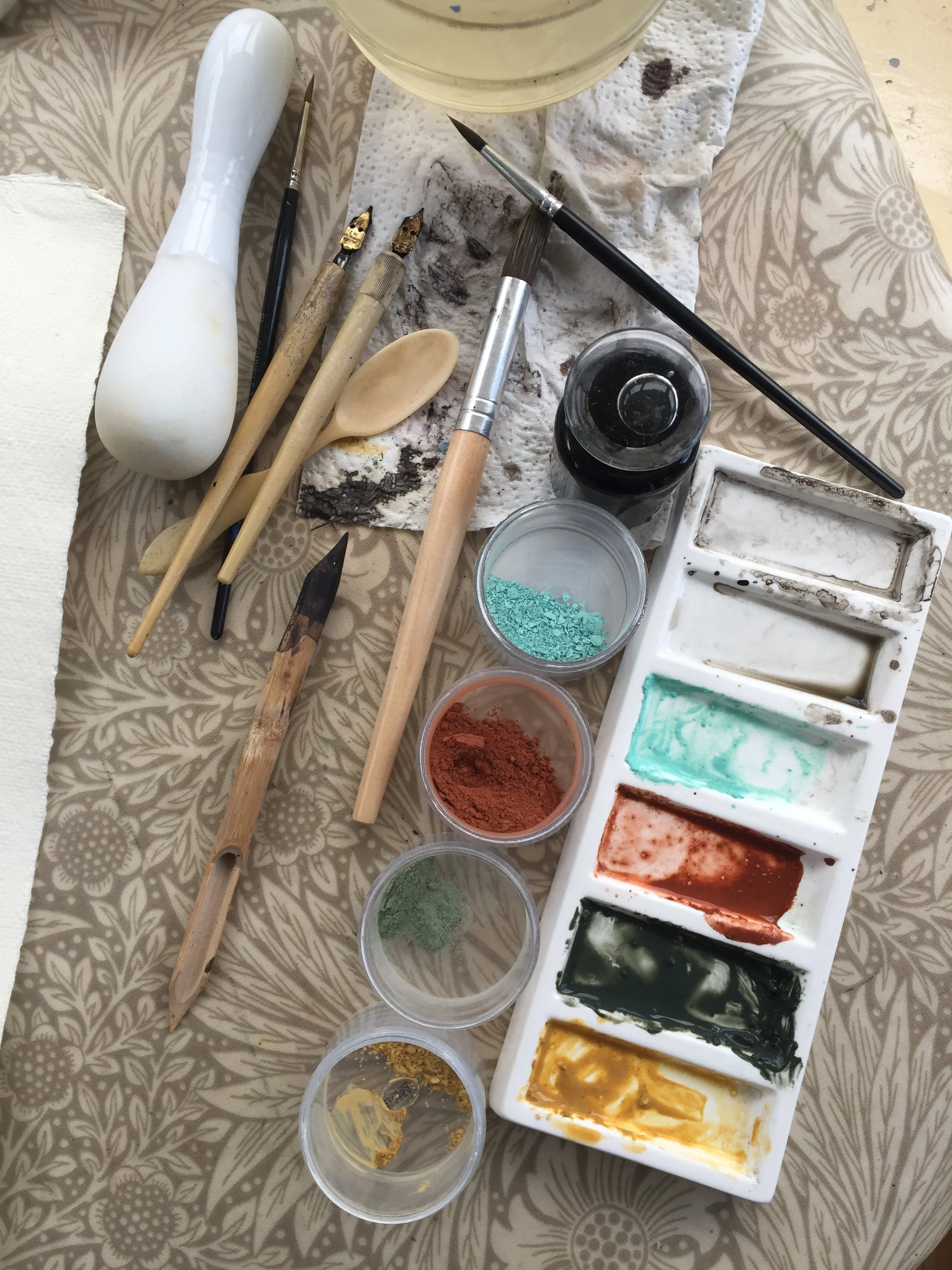
Pigments: sourcing, foraging, assessment, safety and fine processing. You’ll learn how to use refine pigments further, use a fineness of grind gauge.
Semi-precious stone pigments: sourcing, prep, grinding, washing, difference to earth pigments.
Paint-making: traditional binders, fine paints, trouble-shooting and improvements, watercolours, glue paint, egg paints, vegan paints.
Casein Paints: You will learn how to make casein paint, an amazing natural polymer paint medium that can even be used outdoors.
Alternative to petrochemical oil pastels: We’ll also be making a much better (in my opinion) alternative to smeary old petrochemical oil pastels.
Hide Glue: We’ll also look at how to make traditional hide scrap glue and use it for both adhesive and paint medium on card, canvas, leather and suede.
Pastels: conte, soft, experimental, graphite, wax (guest session with Flora!), natural fixatives, holders, cleaning and storage.
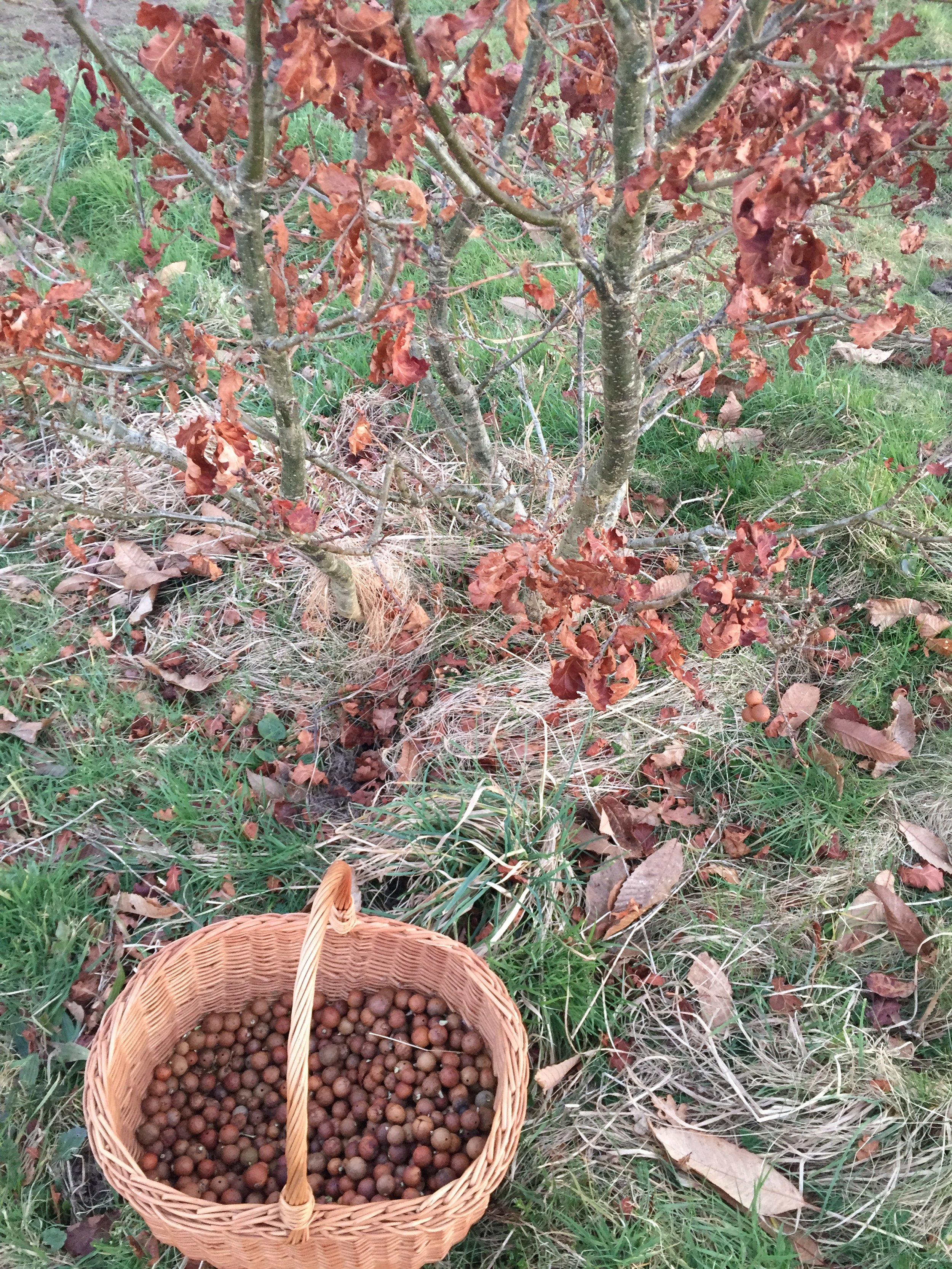
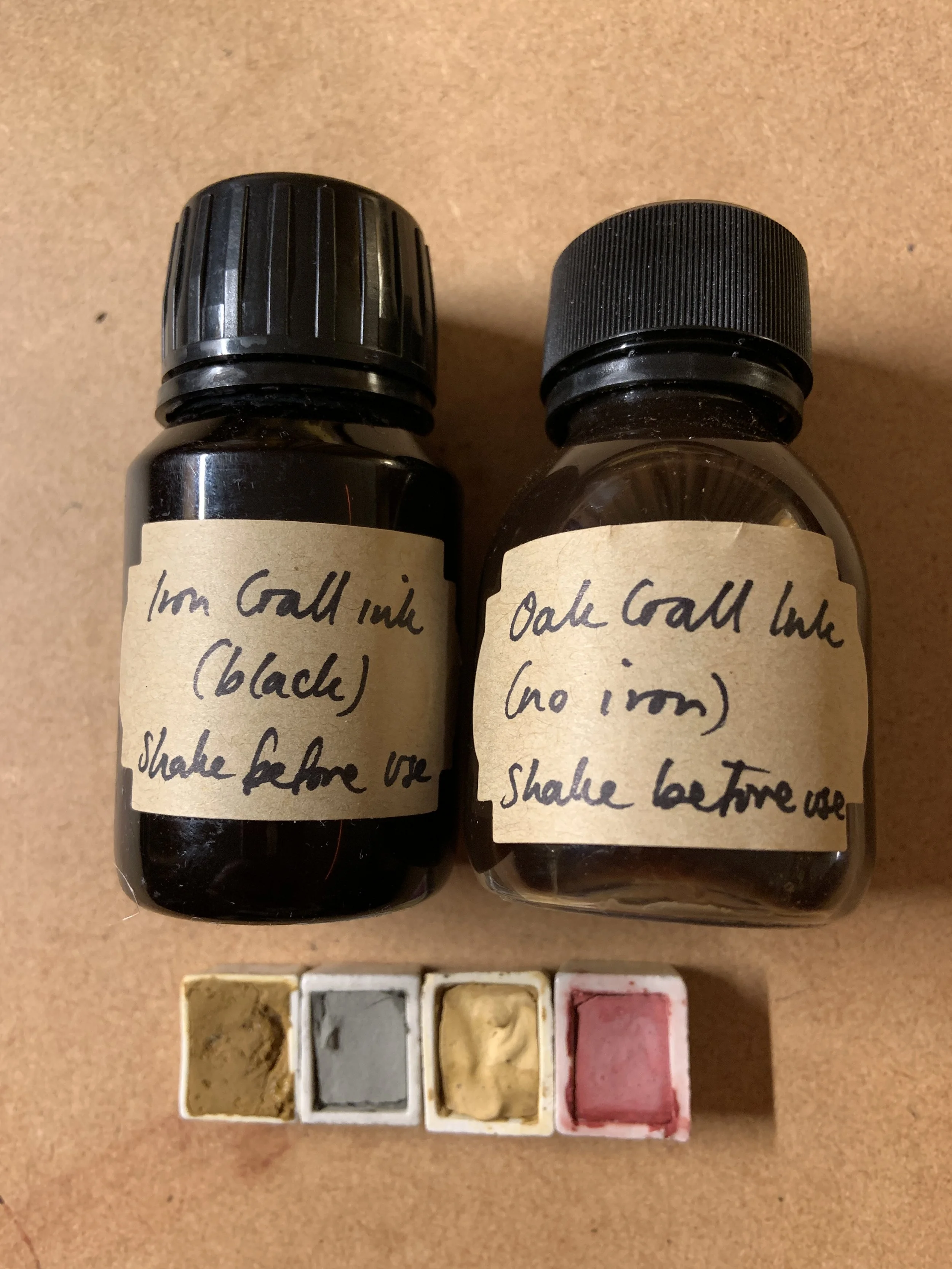
Ink: in the background, we will have a pot of wonderful walnut husk ink brewing and other tannin inks during the week. Simple botanical inks with good lightfastness will also be covered alongside the principles of simple dip pens and brushes. Also how to pH test and modify (buffer) inks, for better archival quality.
Charcoal making: outdoors, including wood, bone and date stone traditional blacks, and oil charcoal.
Metal point use and preparation of extra grounds. Drawing with found and improvised household metals, as well as professional tools and exploring this superb historical method which can replace the need for disposable permanent mark-making drawing tools.
Using everything… Our final day will be set aside for drawing and painting projects: whether still life, outdoors drawing, improvisation, or taking inspiration from each other’s work, or from poetry. There will also be time to make more of any of the materials you have most loved during the week and to transform materials you have brought with you into paint or pastels. We can make swatches of all of our creations before ending the day with a big giveaway, where all the extras of things we make go on a big table to share with each other.
Resources: A week or two after the course, everyone will receive a specially tailored pdf file with all the recipes and methods from the course as well as links to things we mentioned, a bibliography and more. I appreciate that some people like to take copious notes and others prefer to stay immersed in the making. The course notes are designed to allow you to relax and get into the physical work without fear of missing out on details. Signed copies of both books will be available during the course at a reduced price for participants.
Who Is This For?
This course is aimed at people who have already been learning and practicing making natural art materials who would like to hone and deepen their skills. This course is ideal for artists, art teachers, and anyone interested in sustainable art practices.
Capacity: 16 participants
What's Included
5 Days of learning
All raw art materials needed for the course
PDF Handout - A week or two after the course, you will receive a tailored PDF resource file with all recipes, methods, and additional learning materials to take home.
Food & Drink:
Vegetarian lunches are freshly made at the hall each day by our cook, Kathy Curtis. (DF & GF options)
Monday Afternoon Cream Tea - With sandwiches, cakes and scones etc (DF & GF options) (4.30-6.30pm)
Tea, Coffee, biscuits and fruit. (DF & GF options)
Accessibility:
Car: There is plenty of car parking at the hall.
Train: The nearest train station is Okehampton with an hourly service from Exeter. This is a half hour drive from the hall.
Bus: 118 hourly service will take you from Okehampton, Tavistock, or Gunnislake to Brentor.
There are likely to be some local field trips during the week which will involve driving to one or two different places, we will organise some car-sharing within the group for these excursions.
Here is our local accommodation guide
TESTIMONIALS
I thoroughly enjoyed the Making Paints, Pastels and Pigments from Nature course with Caroline Ross\. Her depth of knowledge is remarkable, but what made the experience so special was the generous, calm and encouraging way she shared it\. Caroline created a welcoming space where curiosity and experimentation were celebrated, making even complex processes feel accessible and enjoyable\. The course transformed the way I think about colour and materials\. Learning to gather, prepare and work with pigments from the landscape deepened my appreciation of the relationship between place, process and creativity\. I left feeling inspired, equipped with practical skills, and with a renewed sense of connection to the natural world\. I would wholeheartedly recommend this course to anyone interested in sustainable art practices, natural pigments, or simply rediscovering the joy of making with the earth.
A truly inspiring and lifechanging week. Caroline is a fantastic teacher and her knoladge of the natrural world is vast. I met such a wouderful commuinity of humans. I couldn't recomend this corse more for anyone and evryone, if you are curious about making art/ creating in a more climate concious and sustainable way, absolutely brilliant!
A wonderful workshop filled with art and people that are very healing for this planet. A place where art makes sense : creating beauty and a community around it. Good for thoses who are already into nature art making as the teacher has an incredible expertise and can help you on very specific points
This course has been a turning point in my creative practice. Rather than simply learning new techniques, I’ve found a way of bringing together everything I love—drawing, foraging, natural pigments, textiles and careful observation of the seasons. Caroline has a wonderful ability to nurture confidence while encouraging experimentation, allowing everyone to develop in their own unique way. I’ve left with a deeper understanding of natural materials, a head full of ideas, and a clear vision for my own perpetual nature journal. I know the inspiration and skills I’ve gained this week will continue to shape my work for years to come. It has been a truly special experience.