
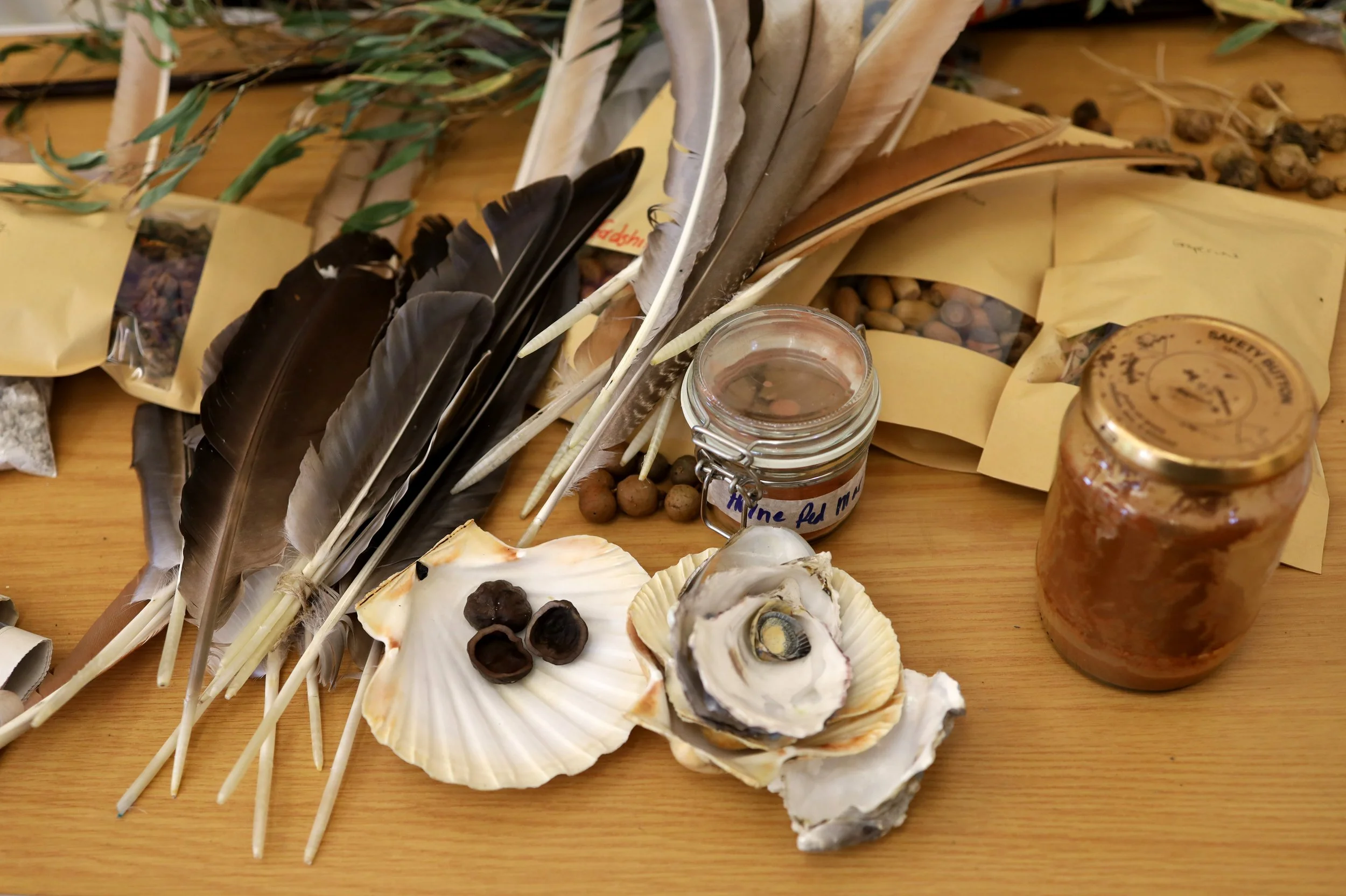
NATURAL MATERIALS IN PRACTICE
January - December 2027 Animal Materials For Artists
12 Monthly Meet-Ups
Facilitated by Annie Hogg
Join a community of artists and makers exploring working with animal based materials for making natural colour and art materials; to share ideas, explorations, and questions.
January: Opening Session Group member introductions
February to November: 10 Sessions with a talk and discussion group
Guest Artist Talks (60 minutes) Each talk will shed light on a different aspect of working with plants.
A 10 minute Break
Discussion Group (60-90 minutes) An open space for emergent discussion and conversation. Connect with a global community of artists and. practitioners working with animal based materials for natural colour making and art materials. Members are invited to share questions, explorations, and work in process or completed, offering feedback and responses to each-other’s work. This is supported by ongoing conversation and photo sharing online.
December: Closing Session: Group sharing and reflections
Join live or watch the recording
-
-
Introduction Session
28th January, 6-8pm GMT - A two hour session for all the group members to meet and set intentions for the year going forward.
Hosted by Annie Hogg
28th January, 6-8pm GMT - A two hour session for all the group members to meet and set intentions for the year going forward.
Hosted by Annie Hogg
-
-
-
Bone With Annie Hogg
Bone preparation for sculptural decorative and tool appliaction. We will discuss safe sourcing of bones and cover the steps necessary to dissect and clean, in a respectful and caring manner. Participants will be able to use bones for further sculptural and decorative applications.
6pm-7pm GMT, Thursday 25th February 2027
Bone preparation for sculptural decorative and tool appliaction. We will discuss safe sourcing of bones and cover the steps necessary to dissect and clean, in a respectful and caring manner. Participants will be able to use bones for further sculptural and decorative applications.
6pm-7pm GMT, Thursday 25th February 2027
-
From 7.10pm GMT, Thursday 25th February 2027
-
-
-
Hair & Shells With Annie Hogg
Pigment, Preservation and Brushes - A look at utilising found animal parts. Following on from Bones, we will look at basic preservation of animal parts, specifically bird wings and claws. We will look at the various materials which can be used for preservation and their pros and cons. Garden Snail shells will be discussed as a pigment source (charred). We will consider some sources of animal hair and the making of rudimentary brushes.
6pm-7pm GMT, Thursday 25th March 2027
Pigment, Preservation and Brushes - A look at utilising found animal parts. Following on from Bones, we will look at basic preservation of animal parts, specifically bird wings and claws. We will look at the various materials which can be used for preservation and their pros and cons. Garden Snail shells will be discussed as a pigment source (charred). We will consider some sources of animal hair and the making of rudimentary brushes.
6pm-7pm GMT, Thursday 25th March 2027
-
From 7.10pm GMT, Thursday 25 th March 2027
-
-
-
Insecta: Colour from Creepy Crawlies & Critters With Lucy Mayes
This session begins with a concise presentation outlining the main dyes and pigments derived from various insect species that supplied the ancient and medieval worlds with vivid colour. We will explore the global history and utility of these vital colorants, including Mediterranean kermes, South Asian stick lac, and the transformative 16th-century introduction of Mexican cochineal.
6-7pm BST, Thursday 22nd April 2027
This session begins with a concise presentation outlining the main dyes and pigments derived from various insect species that supplied the ancient and medieval worlds with vivid colour. We will explore the global history and utility of these vital colorants, including Mediterranean kermes, South Asian stick lac, and the transformative 16th-century introduction of Mexican cochineal.
6-7pm BST, Thursday 22nd April 2027
-
From 7.10pm BST, Thursday 22nd April 2027
-
-
-
Animalia Marina: Hues From the Sea With Lucy Mayes
This session begins with a concise presentation mapping out the rich, historically high-status pigments and dyes derived from marine organisms that supplied ancient, classical, and medieval societies. We will explore the global history and legendary status of these vital colorants, including Phoenician Tyrian purple, european dog whelk. sepia ink from Mediterranean cuttlefish, and the pink-orange carotenoids locked inside crustacean shells.
6-7pm BST, Thursday 27th May 2027
This session begins with a concise presentation mapping out the rich, historically high-status pigments and dyes derived from marine organisms that supplied ancient, classical, and medieval societies. We will explore the global history and legendary status of these vital colorants, including Phoenician Tyrian purple, european dog whelk. sepia ink from Mediterranean cuttlefish, and the pink-orange carotenoids locked inside crustacean shells.
6-7pm BST, Thursday 27th May 2027
-
From 7.10pm BST, Thursday 27th May 2027,
-
-
-
Pisces: Glues & paints made from fish With Lucy Mayes
Structural adhesives, paint binders, and sizing agents derived from aquatic species used by painters, scribes, and luthiers across the ancient and medieval worlds. Exploring their history and utility, focusing on how early artisans converted everyday scrap fish waste (such as cod and pike heads, skins, and bones) into structural glues. We will also trace the history of isinglass, a legendary, high-clarity binder made from the dried swim bladders of sturgeons.
6pm-7pm GMT, Thursday 24th June 2027
Structural adhesives, paint binders, and sizing agents derived from aquatic species used by painters, scribes, and luthiers across the ancient and medieval worlds. Exploring their history and utility, focusing on how early artisans converted everyday scrap fish waste (such as cod and pike heads, skins, and bones) into structural glues. We will also trace the history of isinglass, a legendary, high-clarity binder made from the dried swim bladders of sturgeons.
6pm-7pm GMT, Thursday 24th June 2027
-
From 7.10pm BST, Thursday 24th June 2027,
-
-
-
Mammal Skin As Material With Theresa Emmerich Kamper
Overview of common types of processed skin and their variations. Such as Rawhide from parchment to parfleche, and braided latigo to babiche, Fat or Oil Tans - the most widely spread tannage technology both temporally and geographically, Vegetable Tans and Mineral Tans which become the standard tannage post industrial revolution.
A visual walk through of the steps of tanning from preprocesses to finished leather with examples of the finished products.6pm-7pm GMT, Thursday 29th July 2027
Overview of common types of processed skin and their variations. Such as Rawhide from parchment to parfleche, and braided latigo to babiche, Fat or Oil Tans - the most widely spread tannage technology both temporally and geographically, Vegetable Tans and Mineral Tans which become the standard tannage post industrial revolution.
A visual walk through of the steps of tanning from preprocesses to finished leather with examples of the finished products.6pm-7pm GMT, Thursday 29th July 2027
-
From 7.10pm BST, Thursday 29th July 2027
-
-
-
Fish Skin As Material With Theresa Emmerich Kamper
Overview of the regions of the world which traditionally used fish skins and the tannage technologies which are most often applied to them. Discussion of the morphology of fish skin and how it differs from mammal skin. dyeing mediums which work well for fish skin and fish skin specific needs during tanning, dyeing and sewing.
Demonstration of fish skin processing: Defleshing, Scaling, Tanning, and Dressing6pm-7pm GMT, Thursday 26th August 2027
Overview of the regions of the world which traditionally used fish skins and the tannage technologies which are most often applied to them. Discussion of the morphology of fish skin and how it differs from mammal skin. dyeing mediums which work well for fish skin and fish skin specific needs during tanning, dyeing and sewing.
Demonstration of fish skin processing: Defleshing, Scaling, Tanning, and Dressing6pm-7pm GMT, Thursday 26th August 2027
-
From 6pm GMT, 26th August 2027
-
-
-
Chicken & Other Fowl With Caroline Ross
An introduction to some of the many historical and current uses of art materials from chickens, geese, swans and other edible fowl, including foraged items and things salvaged from food waste. We will cover raw materials - eggs, skin, bones, feathers and products including, paint mediums, glue, pigment and drawing and painting tools. The demo will cover how to make bone black, hide glue, tempera & glair mediums, plus quill and bone pens and brushes.
6pm-7pm BST, Thursday 30th September 2027
An introduction to some of the many historical and current uses of art materials from chickens, geese, swans and other edible fowl, including foraged items and things salvaged from food waste. We will cover raw materials - eggs, skin, bones, feathers and products including, paint mediums, glue, pigment and drawing and painting tools. The demo will cover how to make bone black, hide glue, tempera & glair mediums, plus quill and bone pens and brushes.
6pm-7pm BST, Thursday 30th September 2027
-
From 7.10pm BST, Thursday 30th September 2027
-
-
-
Milk Mediums, Washes and Paints With Caroline Ross
This is an illustrated look at milk and milk-derived paints, mediums and washes from history and the present day. We will look at ways to make beautiful waste-free sustainable paints from this most easily available of materials and even from milk that has gone past its edible state.
6pm-7pm BST, Thursday 28th October 2027
This is an illustrated look at milk and milk-derived paints, mediums and washes from history and the present day. We will look at ways to make beautiful waste-free sustainable paints from this most easily available of materials and even from milk that has gone past its edible state.
6pm-7pm BST, Thursday 28th October 2027
-
From 7.10pm BST, Thursday 28th October 2027
-
-
-
Using The Whole Animal With Theresa Emmerich Kamper
A single animal represents an astonishing amount of resources our ancestors used to cook and craft their way through life. From leather, glue and thread and a huge variety of containers, to brushes, binders, rattles, ornamentation and of course tools. We will delve into the common non-culinary uses of the different parts of an animal such as a deer, sheep, goat or cow, with examples of many finished items made from bone, skin, sinew, and internal organs.
6pm-7pm BST, Thursday 25th November 2027
A single animal represents an astonishing amount of resources our ancestors used to cook and craft their way through life. From leather, glue and thread and a huge variety of containers, to brushes, binders, rattles, ornamentation and of course tools. We will delve into the common non-culinary uses of the different parts of an animal such as a deer, sheep, goat or cow, with examples of many finished items made from bone, skin, sinew, and internal organs.
6pm-7pm BST, Thursday 25th November 2027
-
From 7.10pm BST, Thursday 25th November 2027
-
-
-
Closing Session
16th December 2027, 6-8pm GMT - A two hour session for all the group members to share their reflections on the past year together and set intentions for the future.
Hosted by Annie Hogg
16th December 2027, 6-8pm GMT - A two hour session for all the group members to share their reflections on the past year together and set intentions for the future.
Hosted by Annie Hogg
-
CONTRUBUTORS
-
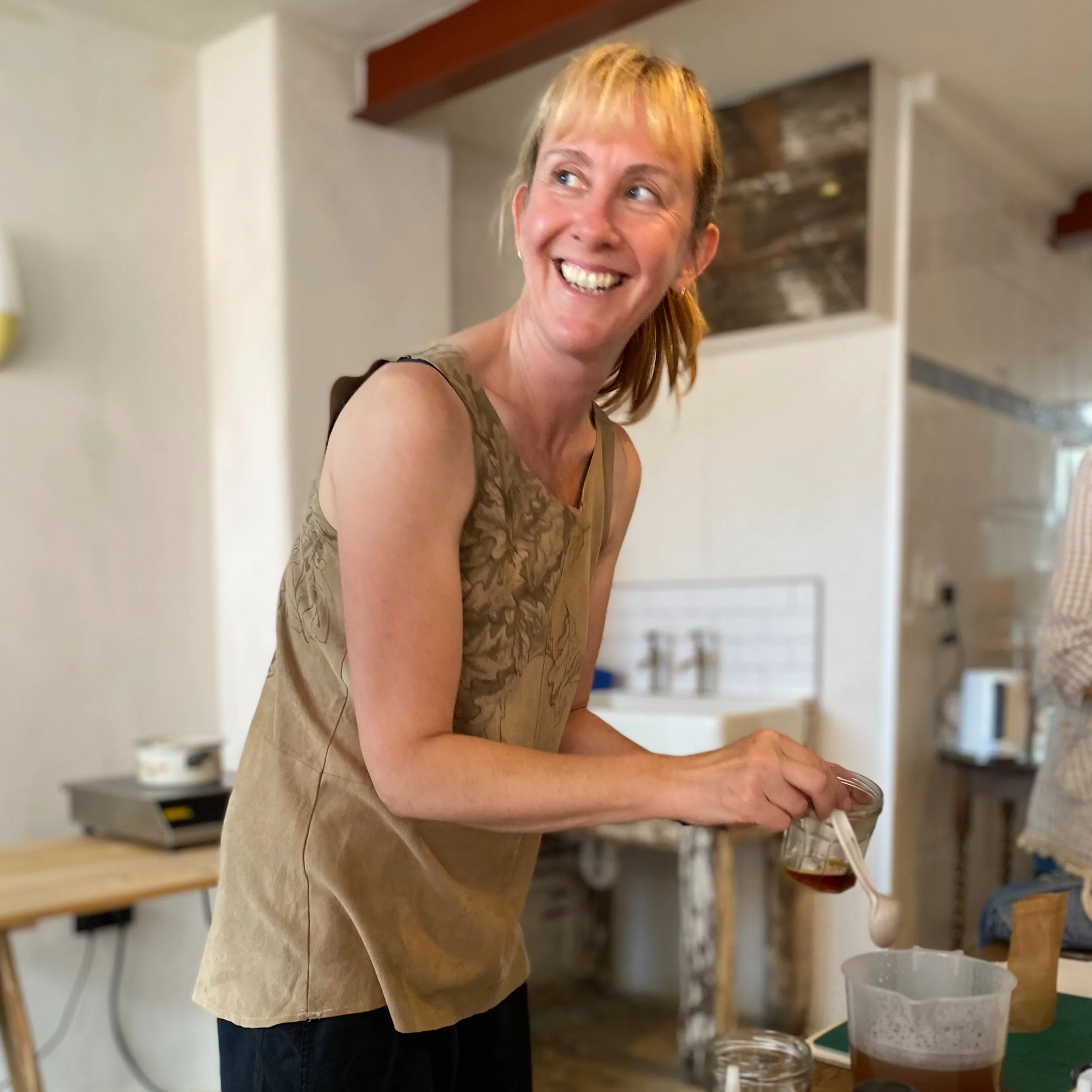
Caroline Ross
Caroline Ross is an artist, writer and teacher living by the sea in Bournemouth. Her debut book ‘Found and Ground: A Practical Guide to Making your own Foraged Paints’ was published by Search Press in June 2023.
She is writing the follow up about ancient and foraged drawing materials, ‘Drawn From the Wild’ to be published spring 2025. Using what nature provides and repurposing what humans discard are a large part of her practice.
After the rooks have feasted on the riverbank, the empty mussel shells become paint palettes. The seasonally moulted flight feathers of local swans and geese become quill pens and brushes. Chalk dug out from their setts by badgers is left in piles in the woods, where she gathers it and take it home to make gouache.
Caroline makes paints from foraged earth pigments from around the UK, and art tools and inks from natural, wild, and found materials such as oak galls, rusty nails, elderberries, bay leaves and cherry tree gum.
The natural fluctuations of materials and the botanical ink stains or ochre paints forming prepared grounds on paper, all suggest forms with which she works.
-

Lucy Mayes
Lucy Mayes is an artist and pigment maker & researcher working in London and Hampshire. Her work as ‘London Pigment’ uses urban waste stream materials to make recycled pigment. Her practice is centred on the use of unusual, surprising or esoteric raw materials to make colour as a way of documenting events or ‘happenings’.
Verdigris made from copper wire stripped from burnt-out mopeds, soot and ash from park fires and construction rubble have all been used in her work to make new pigments. Her colour-making practice centres on creating sustainable pigments from anthropocene waste streams.
She works in the capacity of pigment/colour consultant and has worked with Neptune Interiors Ltd, Jaguar Land Rover, Royal Cornwall Museum, V&A, Kew Gardens on pigment projects. She previously worked as product developer and pigment specialist at renowned colourman L.Cornelissen & Son where she developed their historical pigment archive.
She teaches pigment making at institutions nationally and hopes to re-orientate our connections to colour; through the creation of intimate relationships with matter formed through embodied making.
-
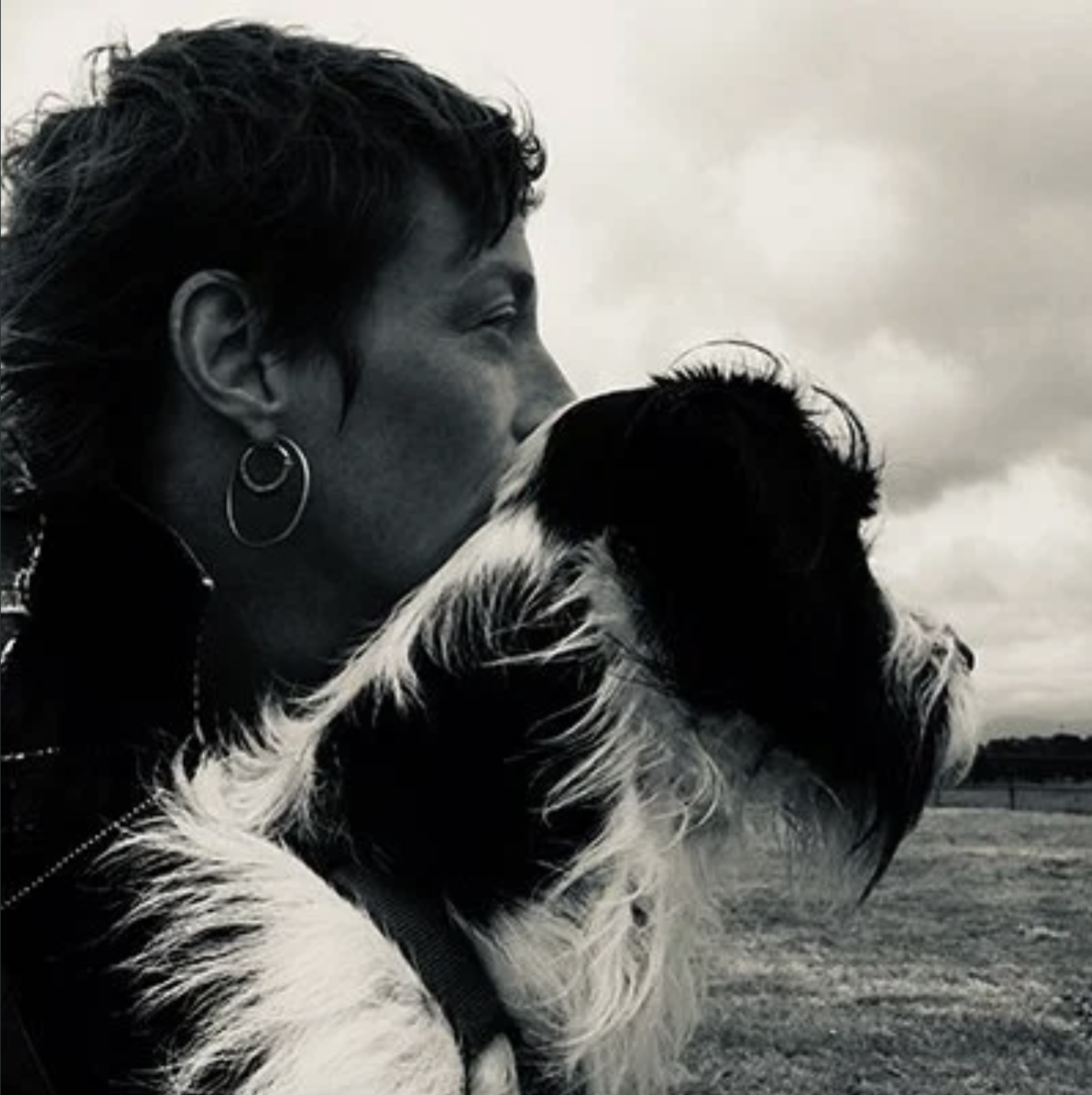
Annie Hogg
Annie Hogg is a visual artist based in Co. Tipperary, Ireland, where she lives and works with Archy, a Hound.
Her work explores power relations and resources. Aiming to see both human and other than human responses and outcomes in human led situations.
She works with natural materials in traditional and innovative ways within her studio based practice predominantly through sculpture and installation, and has recently begun to incorporate social engagement, sound and moving image.
After receiving a BA in sculpture from Aki College of Art, The Netherlands, she worked on environmental campaigns, studied organic horticulture returning to a full time creative practice in recent years. These tendrils remain important within her visual language.
Annie enjoys delivering engaging workshops, talks and lectures on materials and processes within her own practice and the greater realm of natural colour and material use.
-
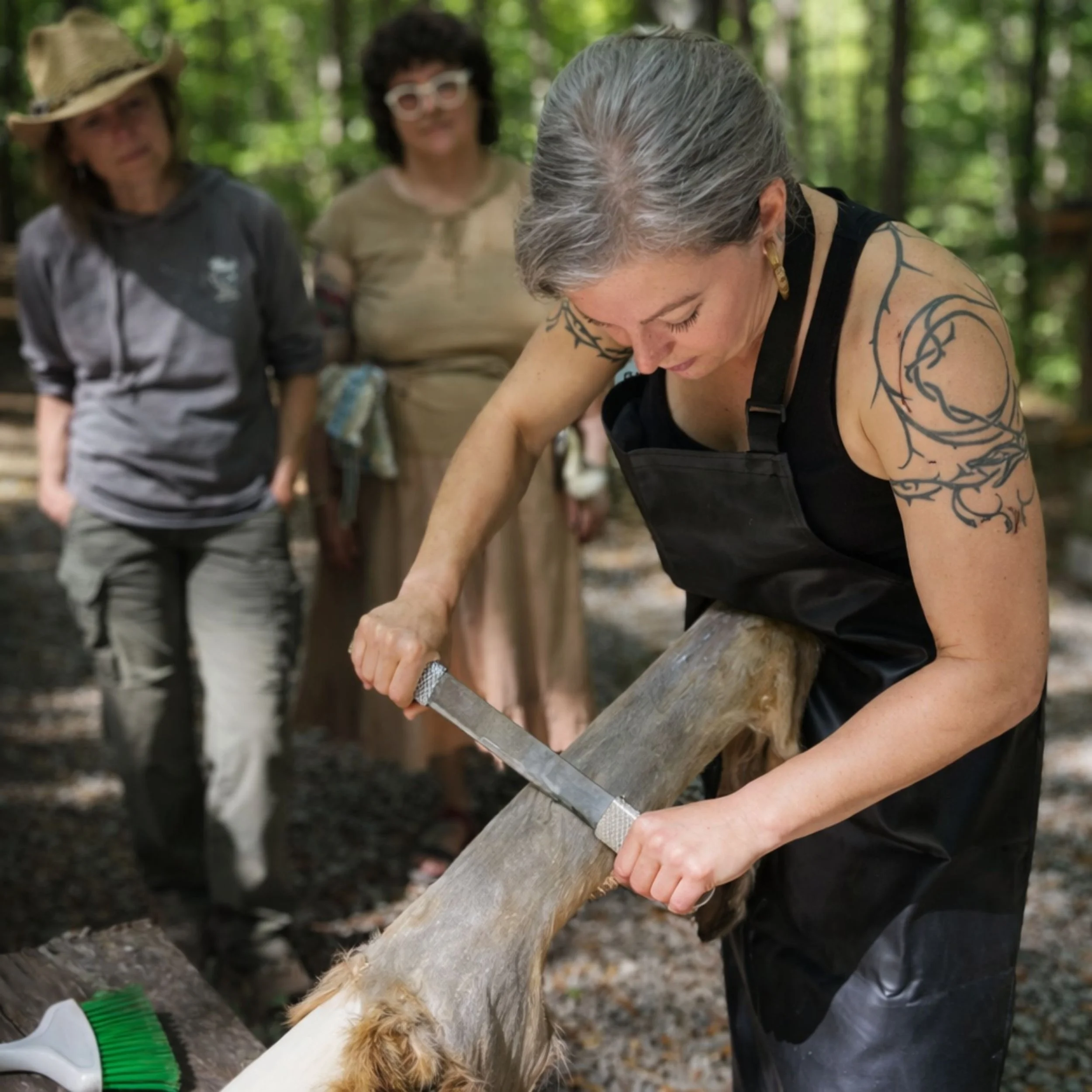
Theresa Emmerich Kamper
Theresa is an avid practitioner of traditional living skills and primitive technologies of all kinds and have pursued this interest in the academic field of Experimental Archaeology, where she holds an MA in Experimental Archaeology and a PhD on the ‘Microscopic Analysis of Prehistoric Tanning Technologies’ from the University of Exeter.
She has been tanning skins using traditional technologies for over 30 years. Learning to tan was a natural offshoot of the attempt to use as much of the animal as possible, and had the added bonus of producing a beautiful end product. Through much trial and error and with the support of very tolerant parents, she learned to brain tan skins between the ages of 11 and 13. Later interaction with other traditional tanners and excellent written information vastly improved the efficiency and quality of her tanning process and end product.
She has taught various tanning methods, including fat tan, vegetable tan, alum taw, and rawhide production, to groups ranging from bushcrafters to University students for over 15 years, drawing on my extensive personal experience to provide a broad understanding of the tanning process. She includes a diverse range of information, from skin morphology to helpful hints for dealing with the numerous and frustrating problems often encountered when first learning to tan (and often long after!).
In addition to my main area of expertise in tanning technologies, she has also taught and demonstrated a wide range of traditional living skills including; the construction and use of traditional weapons, the use of plant and animal fibres, patterning and clothing construction, basketry, clay processing, pottery manufacture and firing, shelter construction and use, friction fire lighting and basic flint knapping and stone tool construction and use.
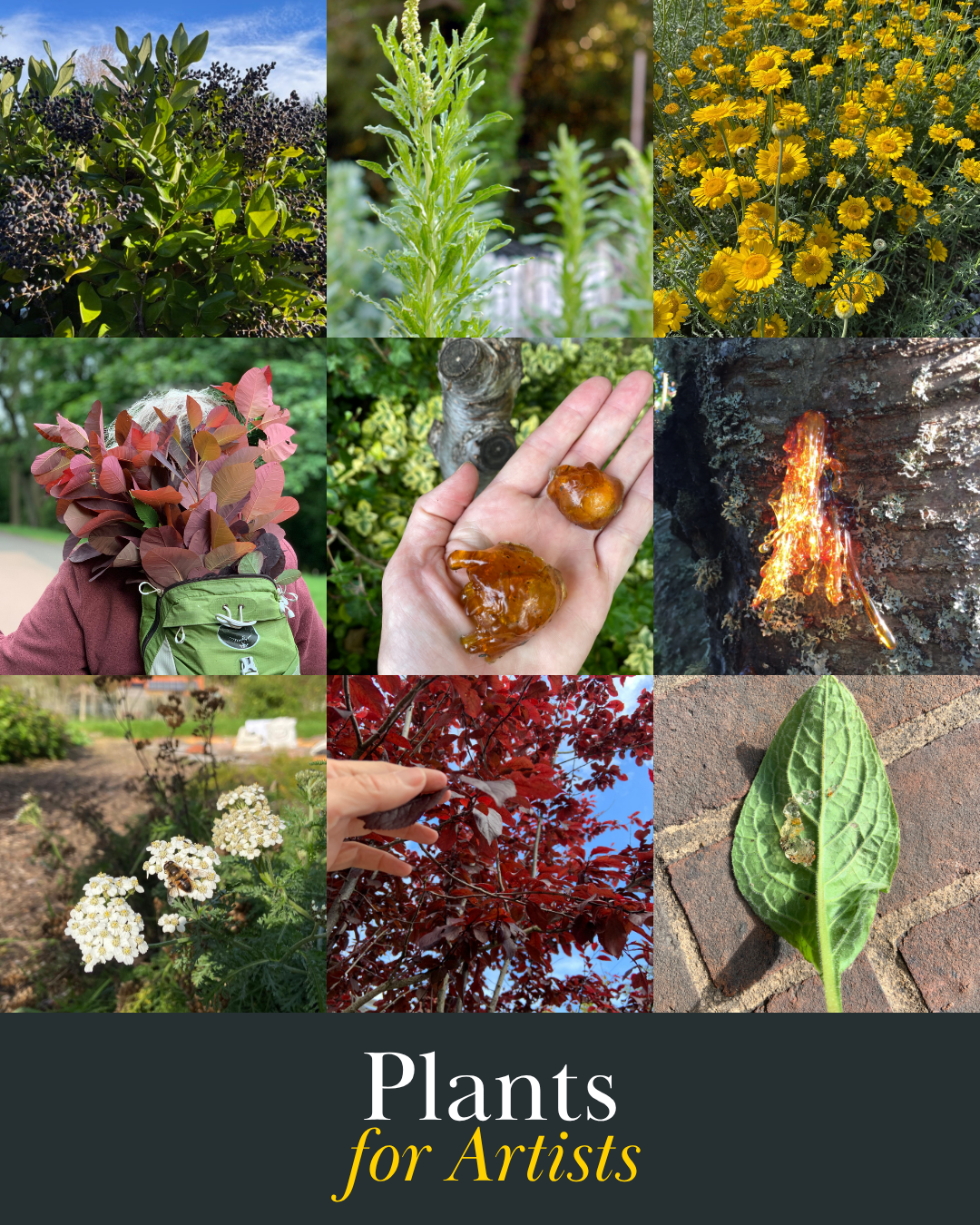
Facilitated by Natalie Stopka and Isobel Denton
Guest Artist Talks:
Alder - David Begley
Privet - Carolyn Sweeney
Cotinus - Elisabeth Viguie Culshaw
Weld - Natalie Stopka
Dyer's Chamomile - Isobel Denton
Turnsole - Annie Hogg
Japanese Indigo - Sarah Grace Dye
Yarrow - Greta Facchinato
Madder - Lucy Mayes
Cherry - Caroline Ross
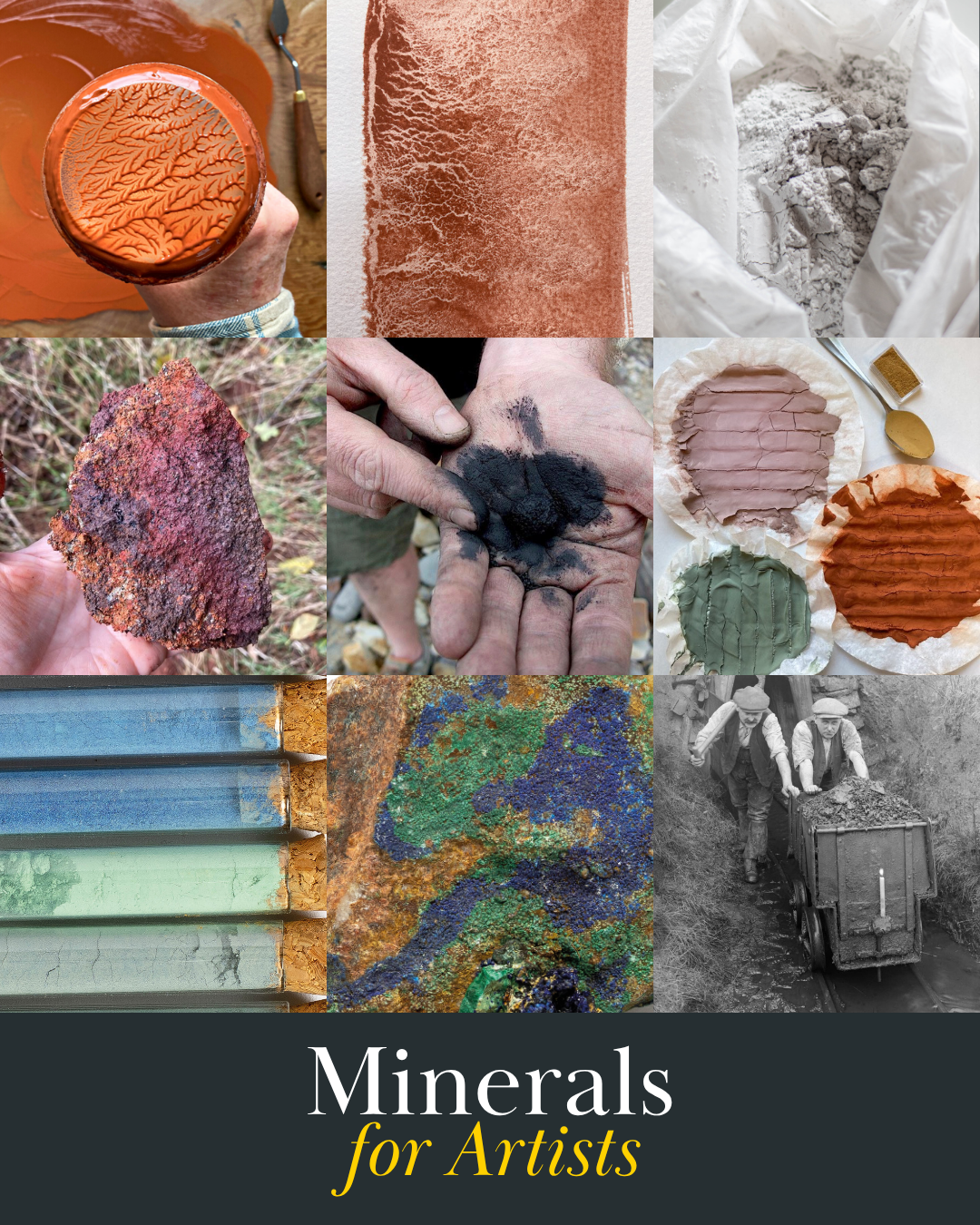
Facilitated by Lucy Mayes
Guest Artist Talks:
Gathering and Working With Ochres - Ethics & Values - Pete Ward
The Evolution of a Mineral Pigment Collection - Caroline Ross
The Mineral Colour Spectrum - Lucy Mayes
Reading Rocks - Lucy Mayes
Clay - Carolyn Sweeney
Bideford Black - Pete Ward
Graphite - Carolyn Sweeney
Chalk - Natalie Stopka
Lime - limestone, quicklime, slaked lime, their uses and the lime cycle - Natalie Stopka
Place, Material and Object - The importance of place relative to cultural practices, materials and objects in Indigenous traditions - Melonie Ancheta
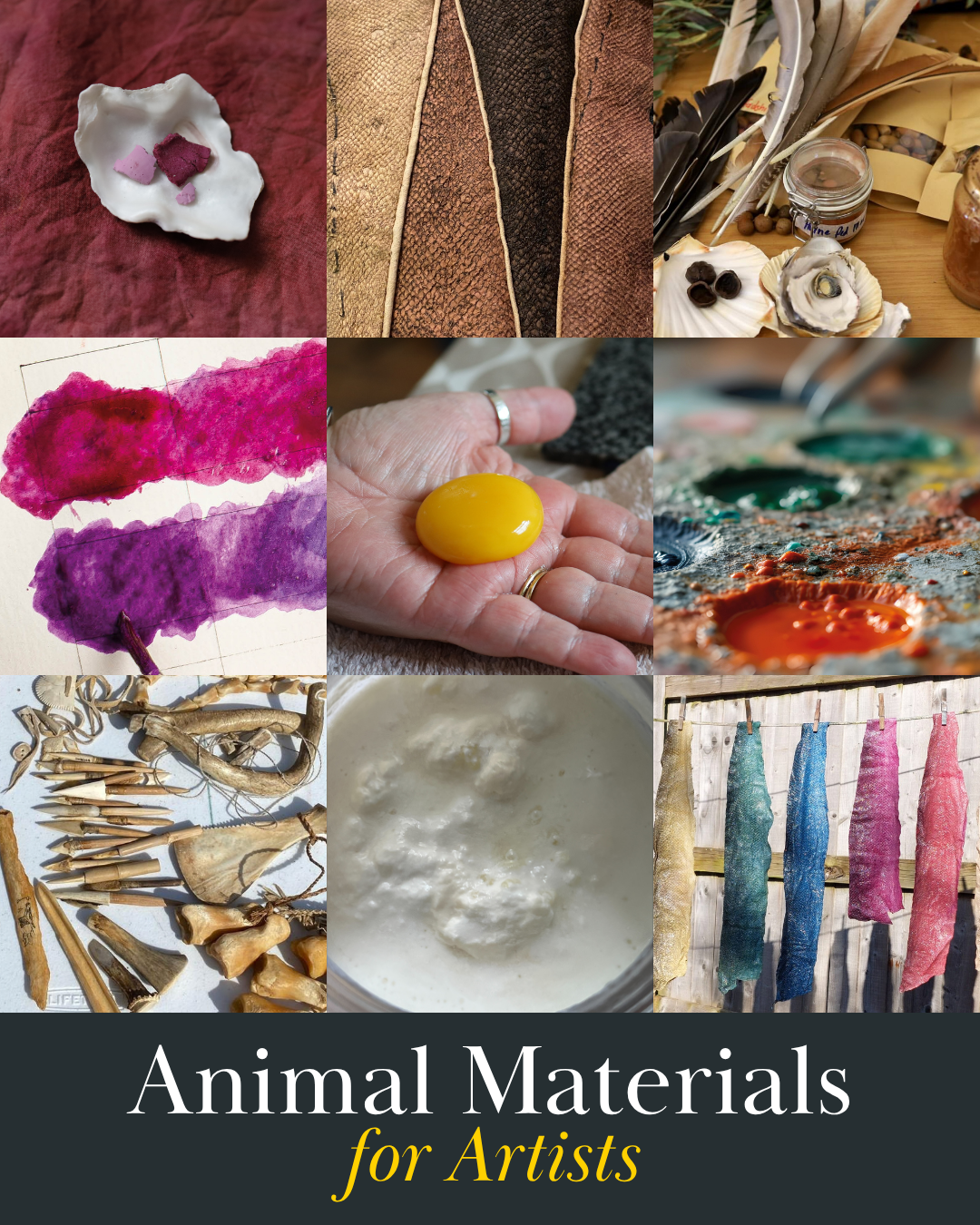
Facilitated by Annie Hogg
Guest Artist Talks:
Bones & Snail Shells - Annie Hogg
Hair - Annie Hogg
Insecta: Colour from Creepy Crawlies & Critters - Lucy Mayes
Animalia Marina: Hues From the Sea - Lucy Mayes
Pisces: Glues & paints made from fish - Lucy Mayes
Mammal Skin As Material - Theresa Emmerich Kamper
Fish Kin as Material - Theresa Emmerich Kamper
Thank the Hen - colour, tools and mediums from birds - Caroline Ross
Milk mediums, washes and paints - Caroline Ross
Using The Whole Animal - Theresa Emmerich