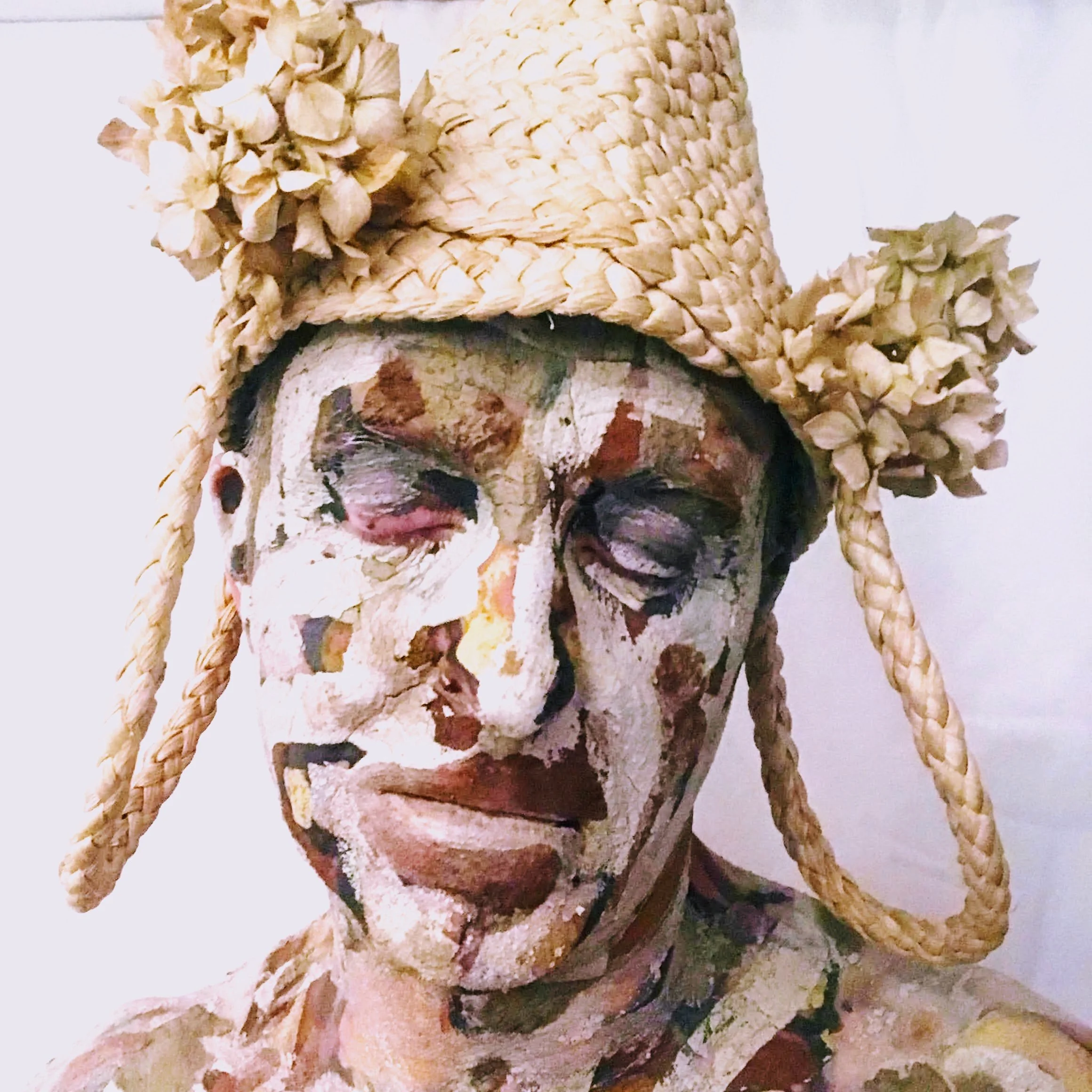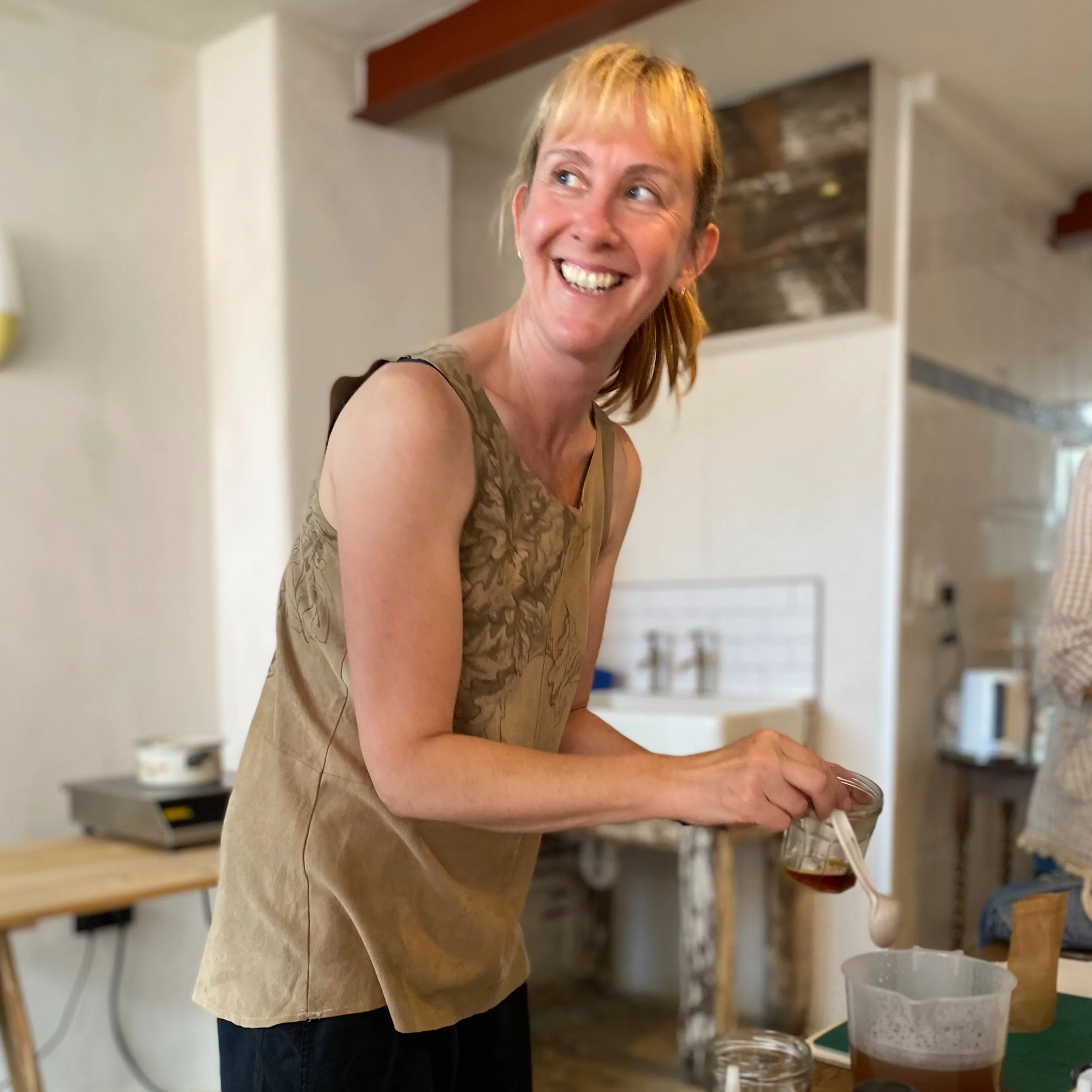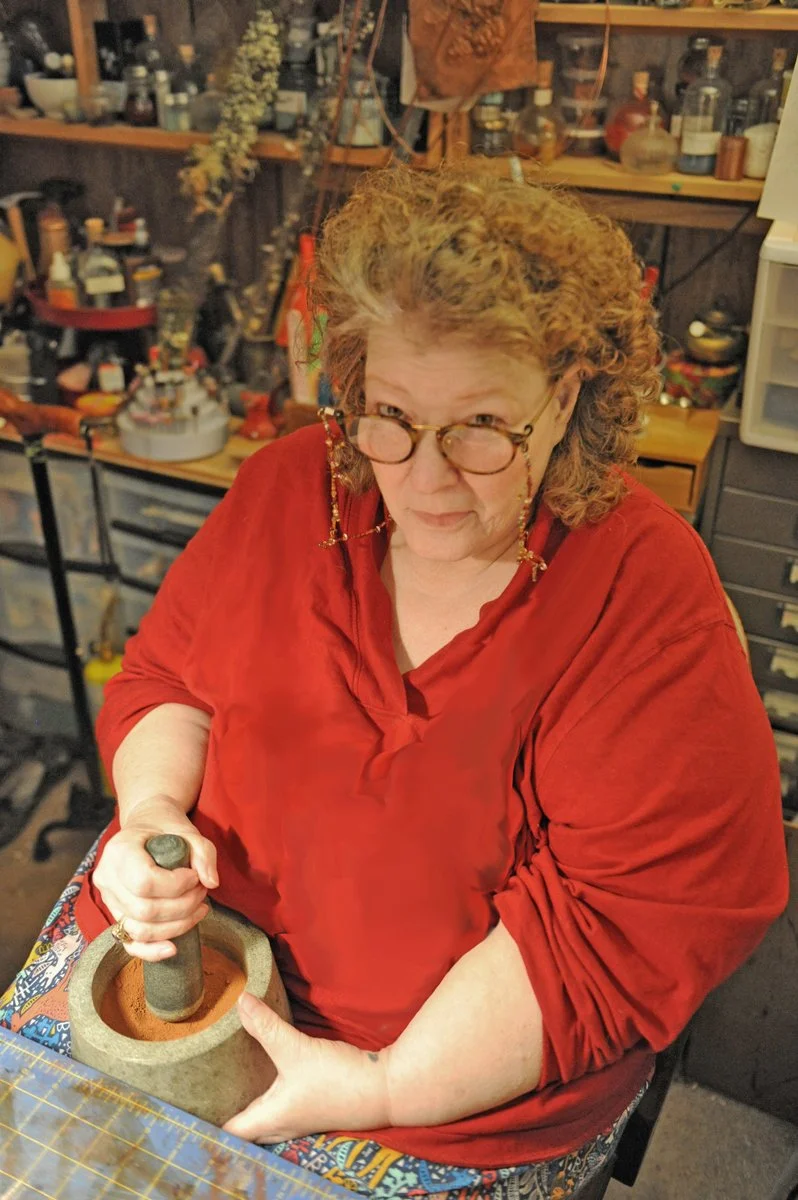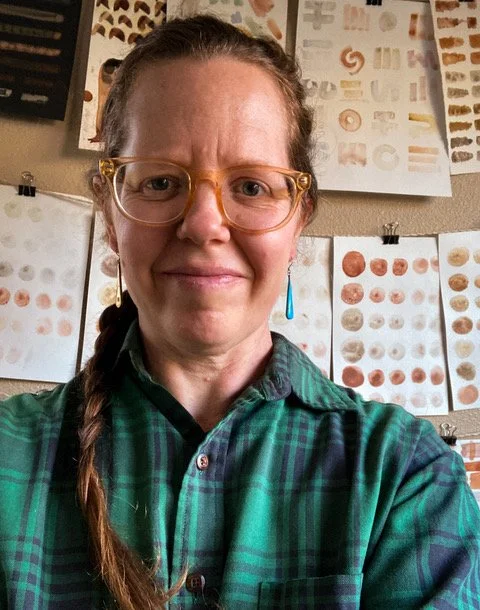
January - December 2027 NATURAL MATERIALS IN PRACTICE
Minerals
For Artists
A Year Long Learning Community - Starting in January 2027
Which natural minerals are integral to your creative practice, and how do their material qualities shape your work?
Join a community of artists and practitioners exploring working with naturally available minerals for paints, pastels, pigments, and other uses; to share ideas, explorations, and questions.
Each group will gather for 12 monthly sessions. Each session includes a guest artist deep diving in to their practice with minerals, followed by group sharing and discussion.
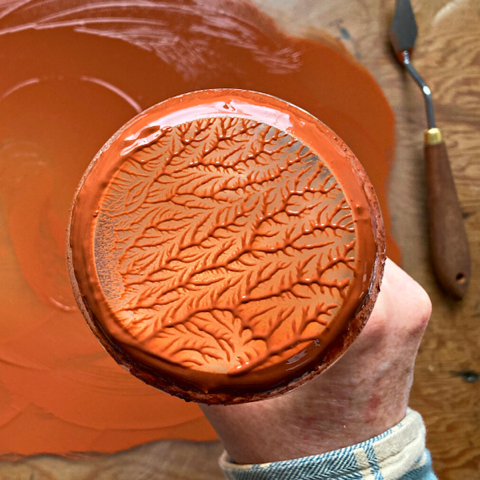
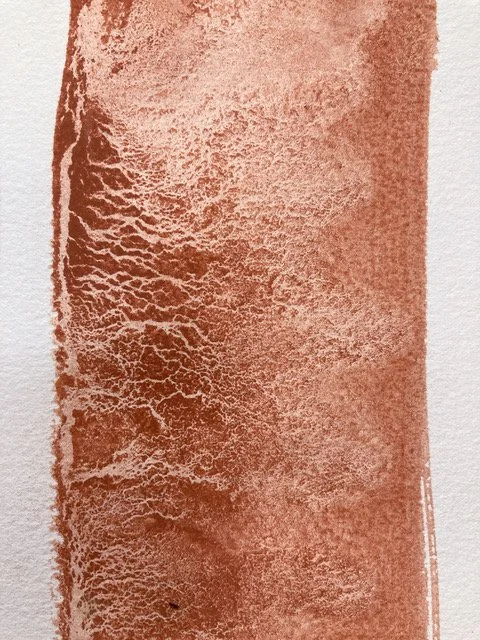
You will learn about the varied properties, histories and uses of mineral based materials, including ochres, clays, graphite, blacks, chalk and lime. We will investigate the mineral colour palette, how to 'read' rocks, the ethics of foraging materials, the relationships between place, materials, objects and cultural heritage.
Plenty of time will be allowed for sharing and discussion as a group, so you can share knowledge, ask questions, show work in progress and get feedback from this amazing global community of like-minded artists. There will be ongoing online chat and photo sharing to support the programme, offering you the chance to deepen your knowledge and develop your practice, while connecting with others who are exploring the potential of mineral based colour.
You can join live or watch the recordings in your own time, and we will be able for you to stream and watch them for one year, until the end of 2028.
Welcoming members at all stages of experience from experienced makers to those starting their learning journey.
12 Monthly Online Meet-ups
Facilitated by Lucy Mayes
Introduction Session - Thursday 21 January 2027 - 6-8.10pm GMT
Ten Monthly Guest Artist Talks (60 minutes) Each talk will shed light on a different aspect of working with natural minerals. Followed by Group Sharing & Discussion - February to November From 6 to 8.30pm GMT
Gathering and Working With Ochres - Ethics & Values with Pete Ward - Thursday 18 February 2027
The Mineral Colour Spectrum with Lucy Mayes - Thursday 15 April 2027
Reading Rocks with Lucy Mayes - Thursday 20 May 2027
The Evolution Of A Mineral Pigment Collection with Caroline Ross - Thursday 18 March 2027
Clay with Carolyn Sweeney - Thursday 17 June 2027
Bideford Black with Pete Ward - Thursday 22 July 2027
Graphite with Carolyn Sweeney - Thursday 19 August 2027
Chalk with Natalie Stopka - Thursday 23 September 2027
Lime (limestone, quicklime, slaked lime, their uses and the lime cycle) with Natalie Stopka - Thursday 21 October 2027
Place, Material and Object: The importance of place relative to cultural practices, materials and objects in Indigenous traditions with Melonie Ancheta - Thursday 18 November 2027
There is a ten minute break after each talk
Group Sharing & Discussion (60-90 minutes)
The talks are followed by an open space for emergent discussion and conversation. Connect with a global community of artists exploring plants for colour and art materials. Members are invited to share questions, explorations, and work in process or completed, offering feedback and responses to each-other’s work. This is supported by ongoing conversation and photo sharing online.
Closing Session for Group sharing and reflections - Thursday 9 December 2027 - 6-8.10pm GMT
You can join live or watch the recordings. Recordings will be available to stream up to one year (Until the end of 2028)
PROGRAMME OUTLINE
-
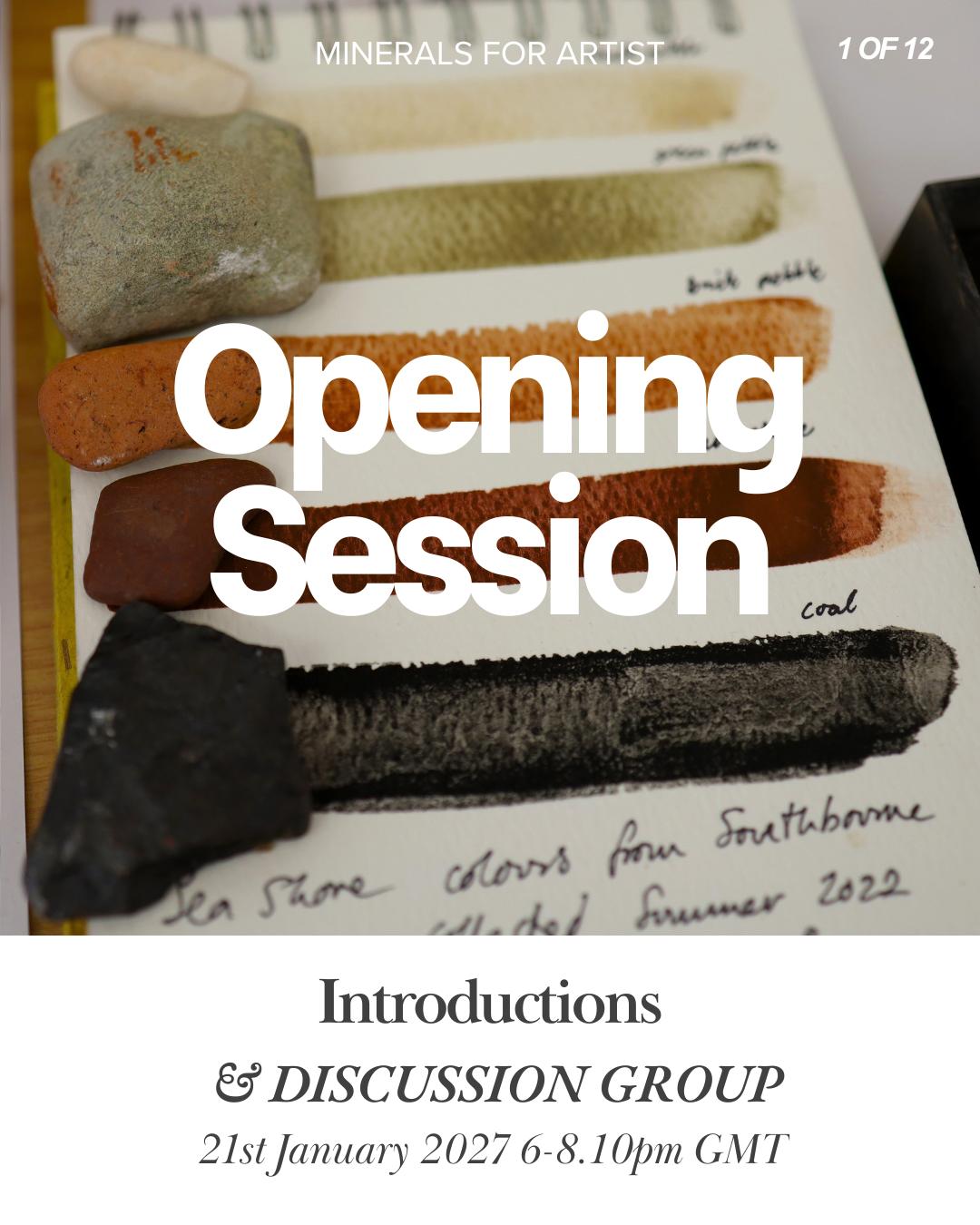
A two hour session for all the group members to meet and set intentions for the year going forward.
Hosted by Lucy Mayes
-
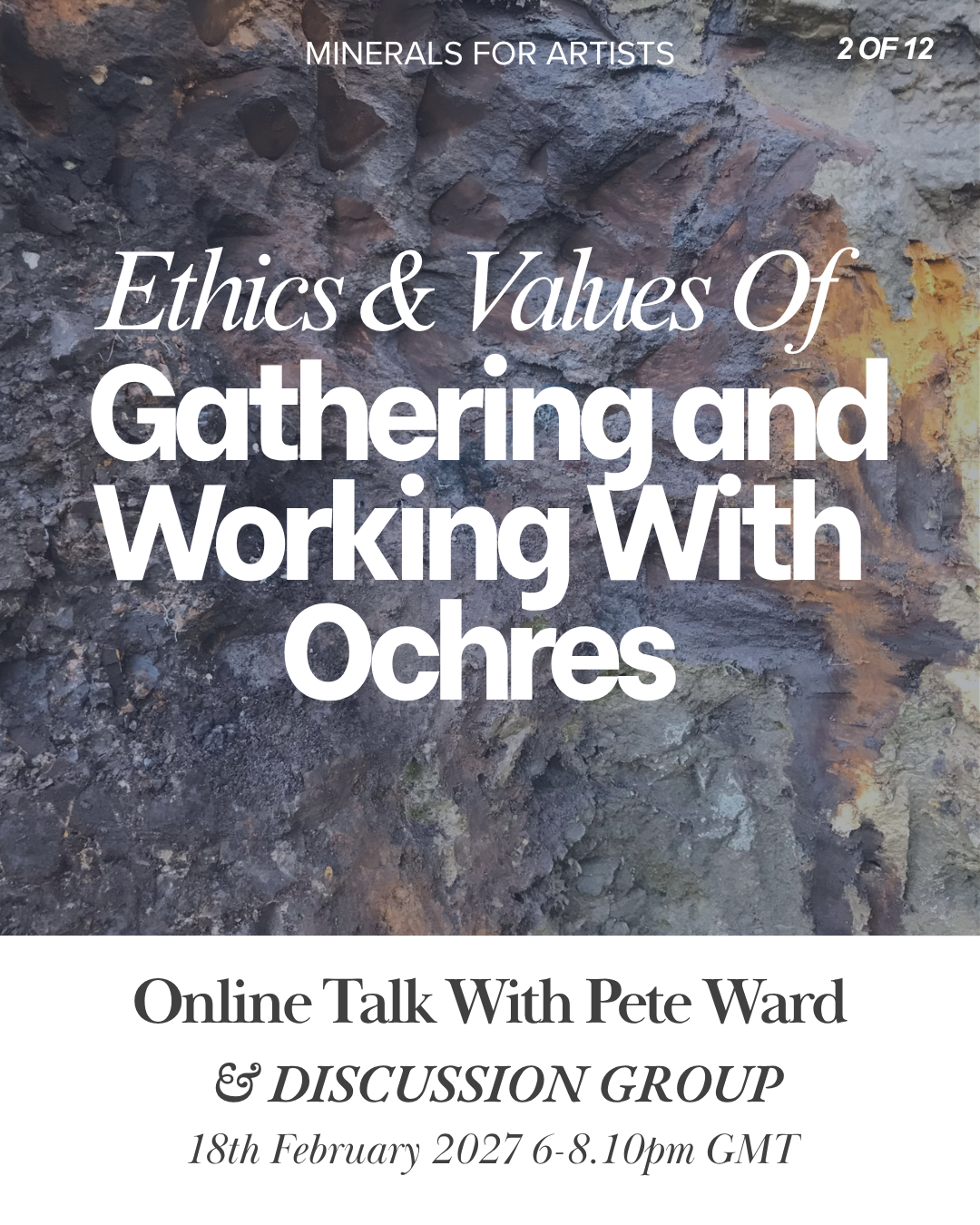
Amidst the rising cacophony of ecological disturbance, many of us, and particularly artists, have turned to foraged materials to satisfy our spiritual desire for connection with Nature and to hopefully redress some of the issues of needless extraction, overconsumption and subsequent pollution underlying and fuelling the apparent and ongoing poly-crisis. However, despite the many and various romantic and redemptive notions of communications with an animate earth, gathering and working with ochres is more often guided by practical knowledge and ethical and ecological considerations.
This presentation, founded on Pete’s 20-year’s-experience working with ochres and his ongoing PhD research, will outline some of the considerations revealed when gathering ochres and other natural materials, and the many and diverse insights offered through a dedicated, devotional practice. His presentation will draw upon aspects of Indigenous Knowledge and UK Law, alongside his own experience, hopefully provoking some controversy and topics for further discussion.
-
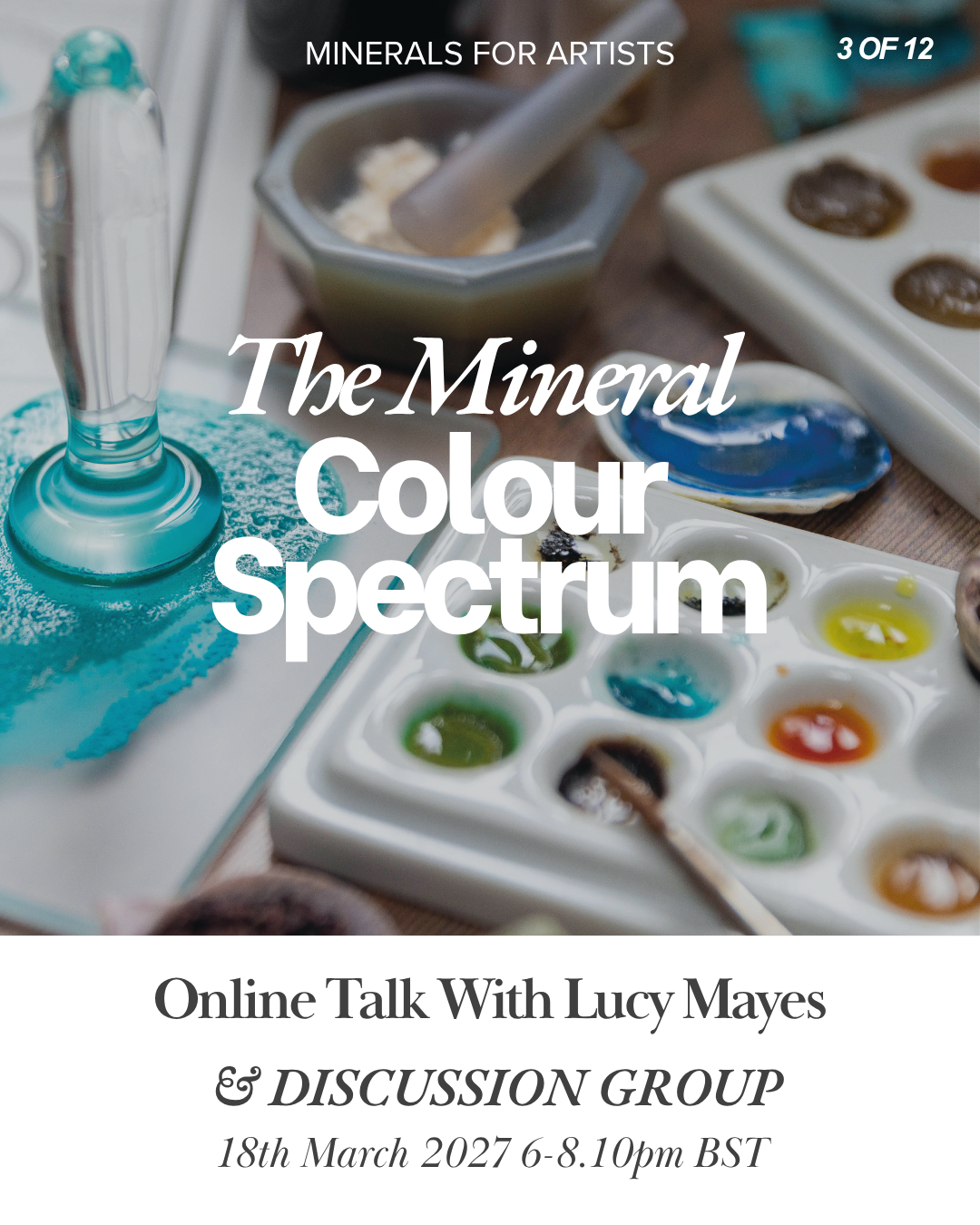
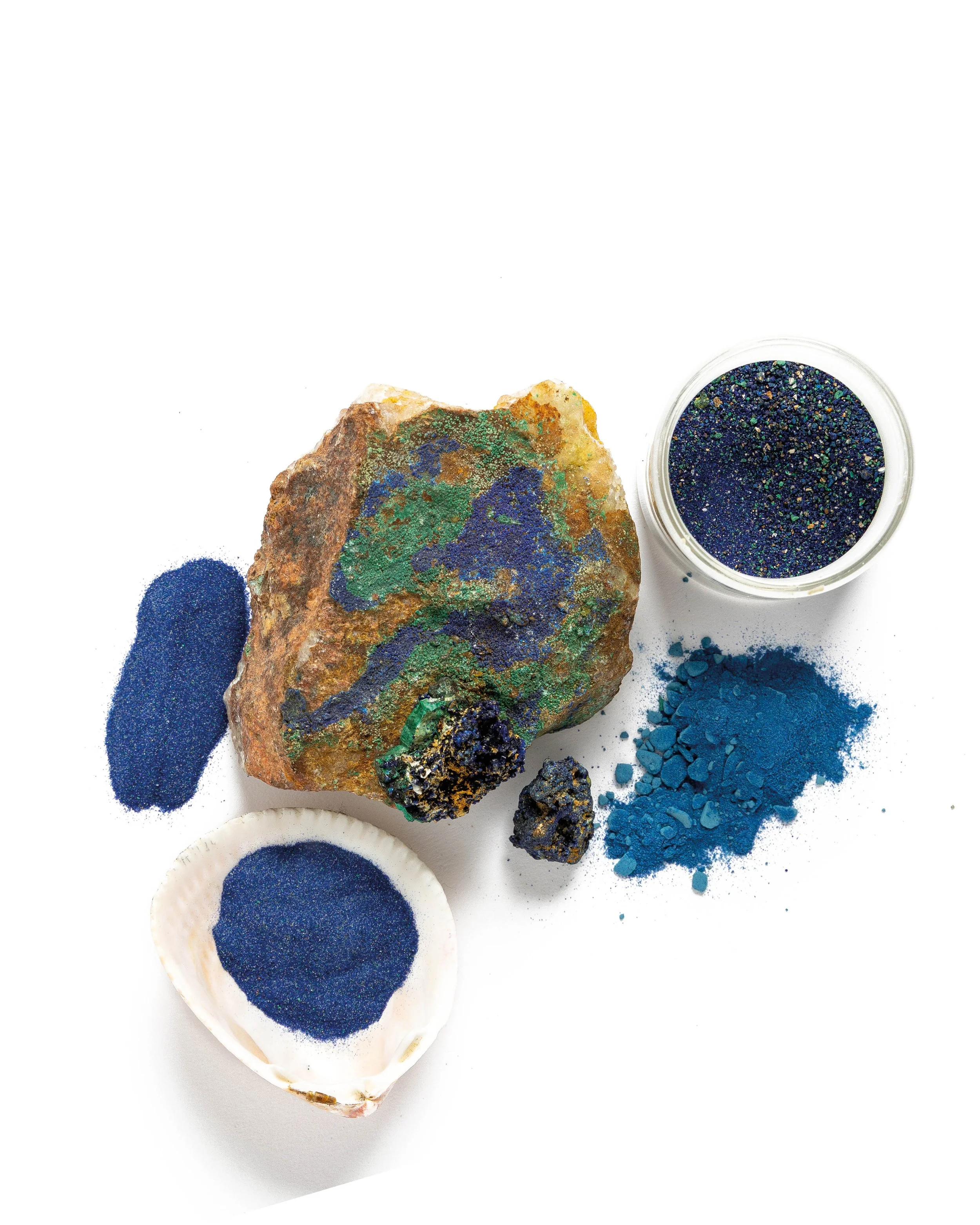
This session introduces the mineral spectrum of natural pigments, exploring how coloured minerals have shaped the palettes of artists from ancient civilizations to contemporary practice. We will examine the geological origins of mineral colour and the ways in which local geology and chemistry influence hue, stability, and permanence. Particular attention will be given to the main mineral groups that give colour, including iron-oxide ochres, iron-phosphate vivianite, copper-carbonate minerals such as malachite and azurite, purple ochres, calcareous white earths, and complex silicate green earths.
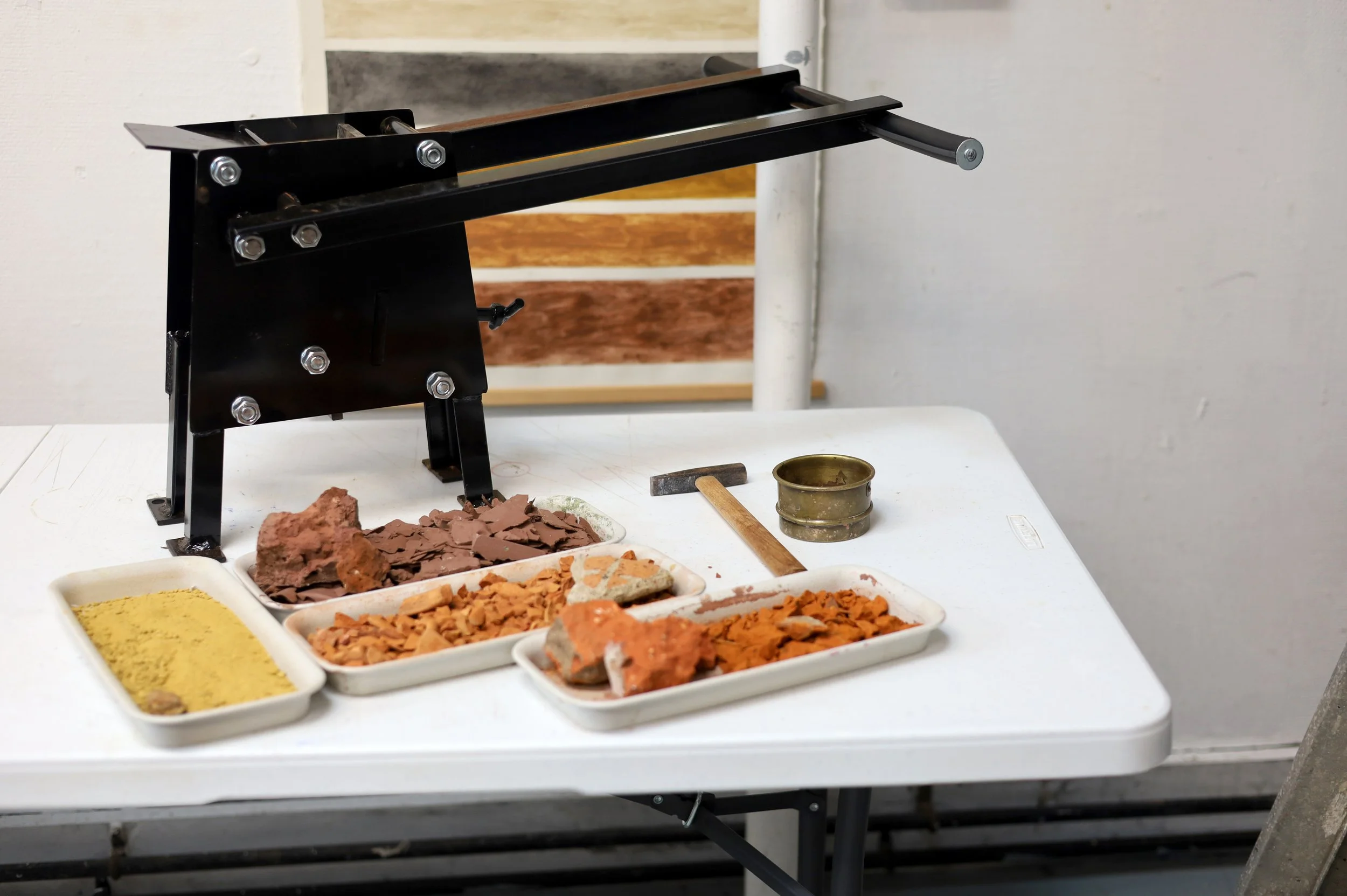
We will also explore how raw minerals are transformed into usable artists’ pigments through traditional preparation and extraction techniques. A live demonstration will introduce processes such as crushing, grinding, levigation, and water sorting, showing how impurities are separated from fine pigment particles to produce stable, high-quality colour. The session will also touch on historical methods involving animal- and plant-derived glues and soaps, connecting geology and mineral chemistry with the practical knowledge of pigment makers and artists.
-
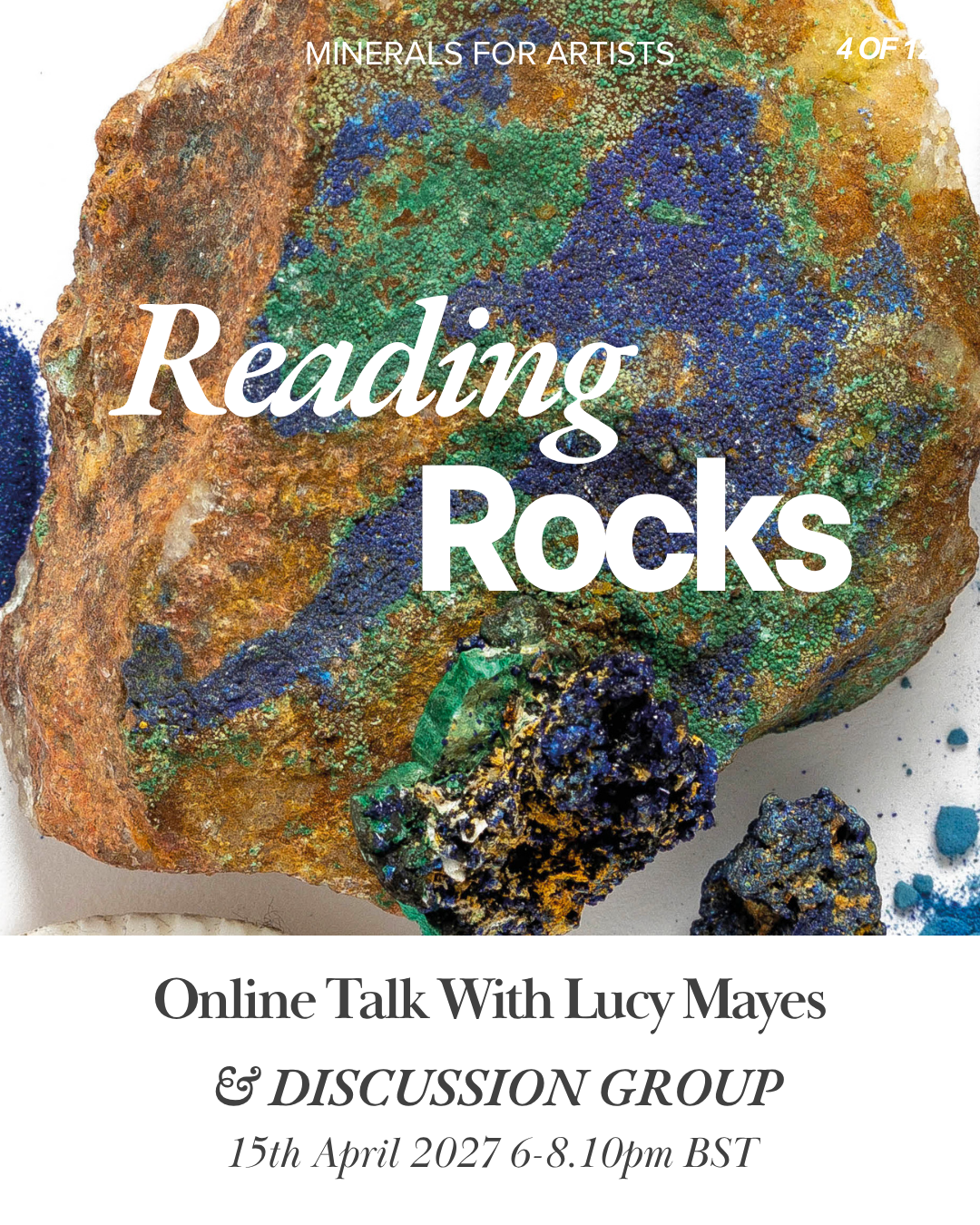
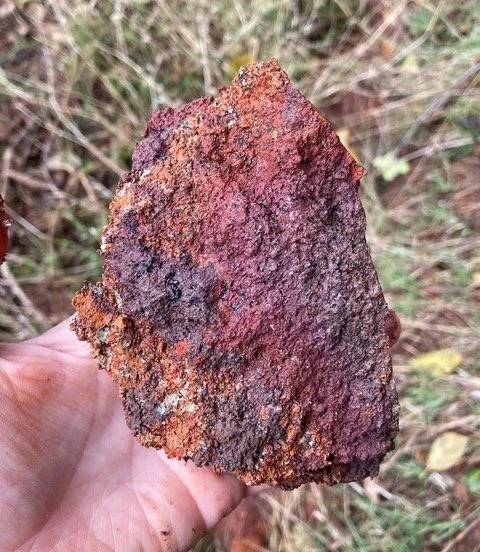
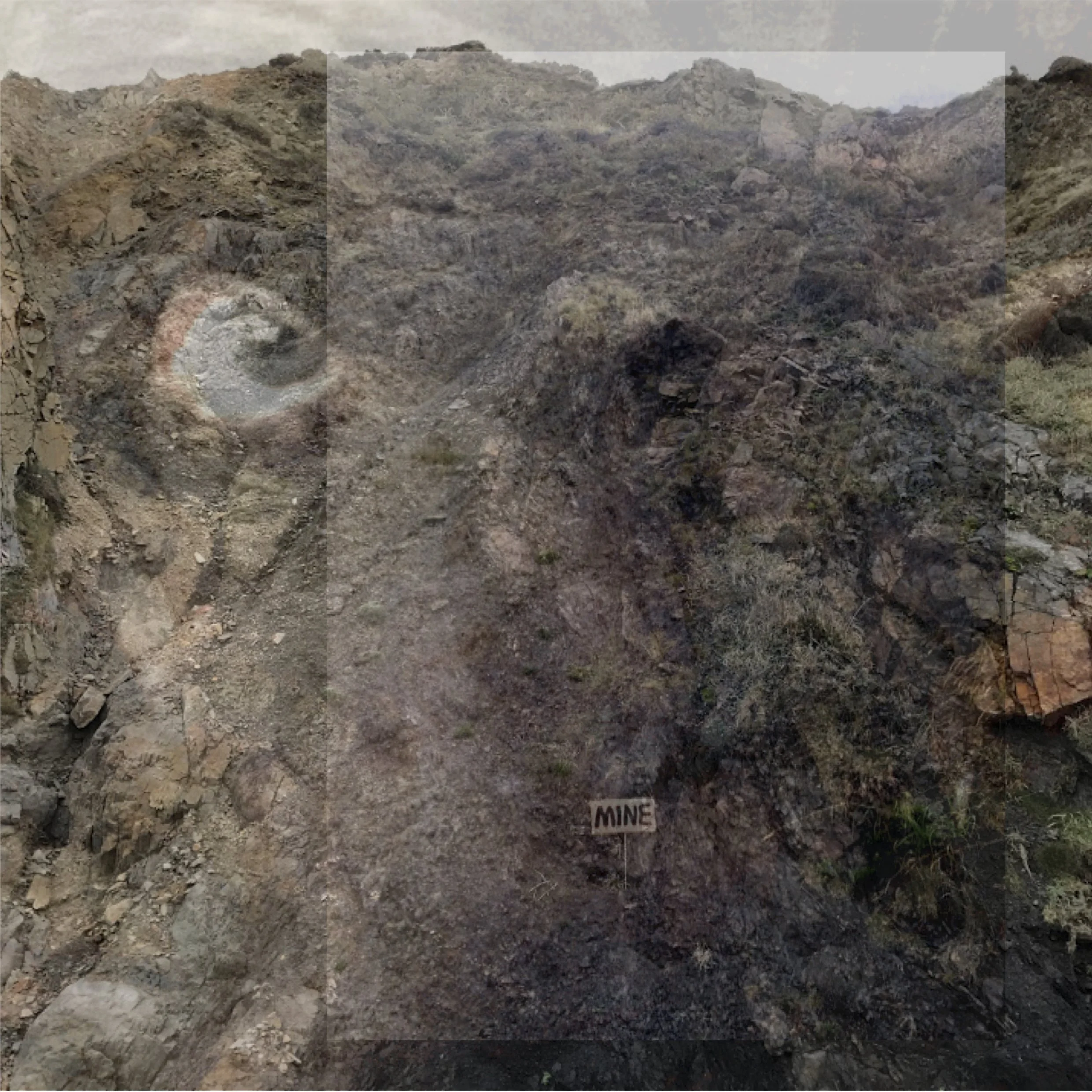
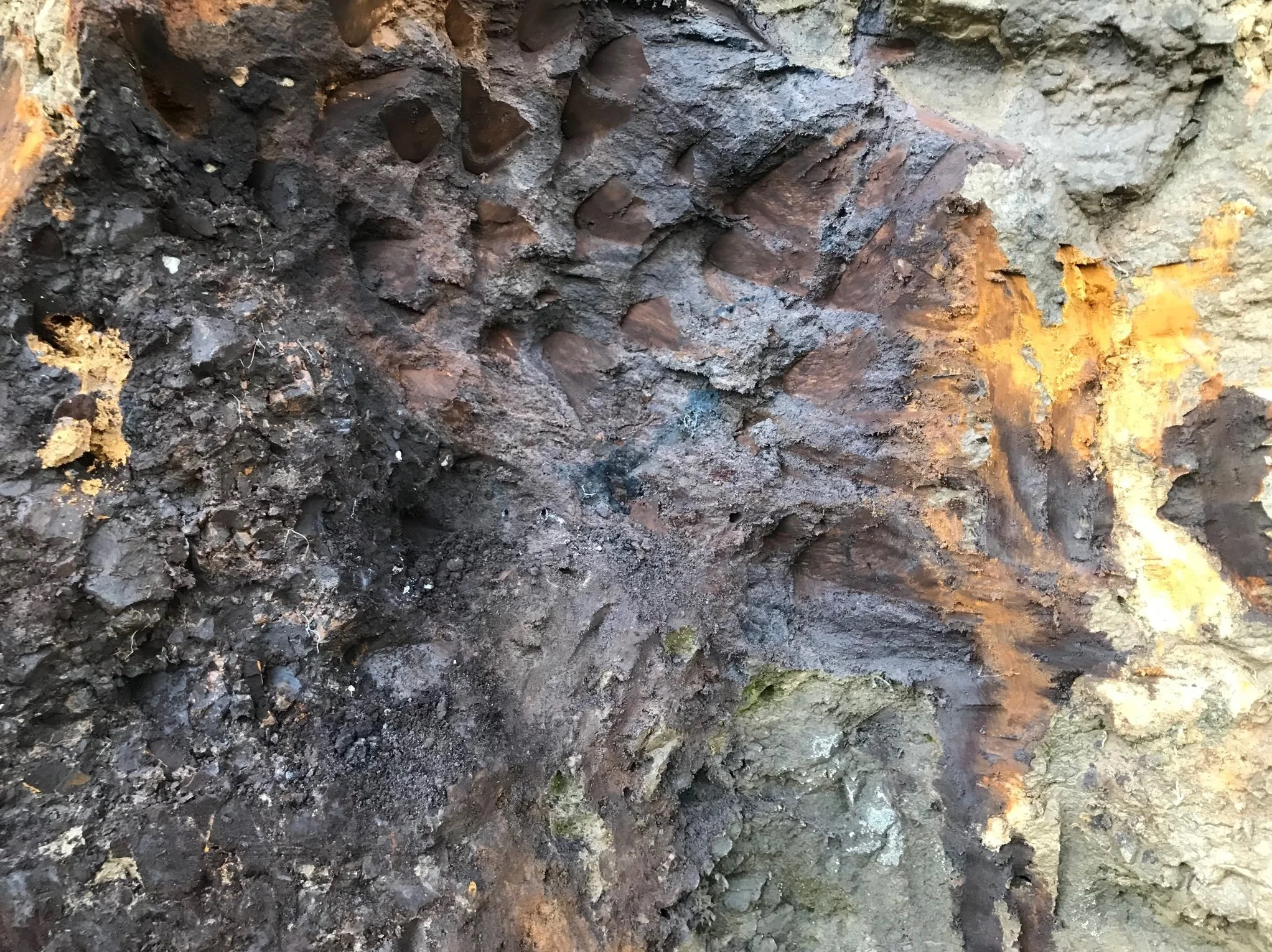
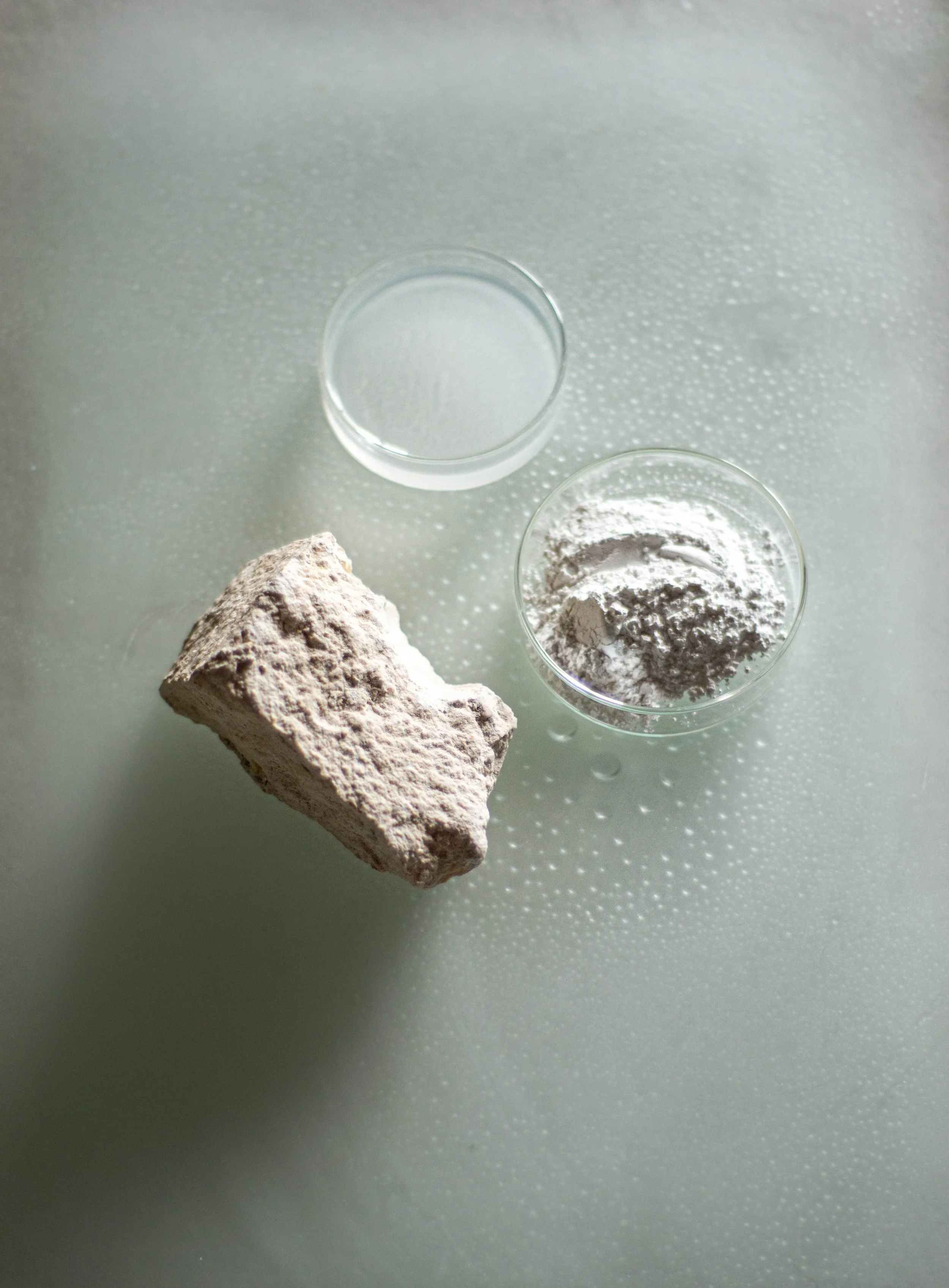
This session explores how historical pigments are connected to specific geological environments and how artists can learn to read the landscape to locate useful materials in situ. We will examine the formations and conditions in which key colour-bearing minerals develop, from copper oxidation zones containing malachite and azurite to anaerobic environments associated with vivianite and sedimentary deposits rich in iron ochres. Alongside these primary colourants, we will also consider the overlooked value of less colourful minerals and refining byproducts, including silica-rich rocks and quartz, and how these materials can be repurposed as structural fillers, textured grounds, and surface modifiers.
Through live demonstration and hands-on material review, the session will show how field-collected geological materials can be sorted, processed, and characterised for different artistic uses. We will cover practical methods for reading geological maps, identifying visual indicators such as staining and exposed layers, and separating pigment-bearing material from useful non-pigmentary stone. Attendees will also examine raw samples alongside processed pigments and fillers, learning to recognise differences in texture, grit, crystalline structure, and working properties, and to understand how both colour and structure can be harvested from the geological landscape.
-
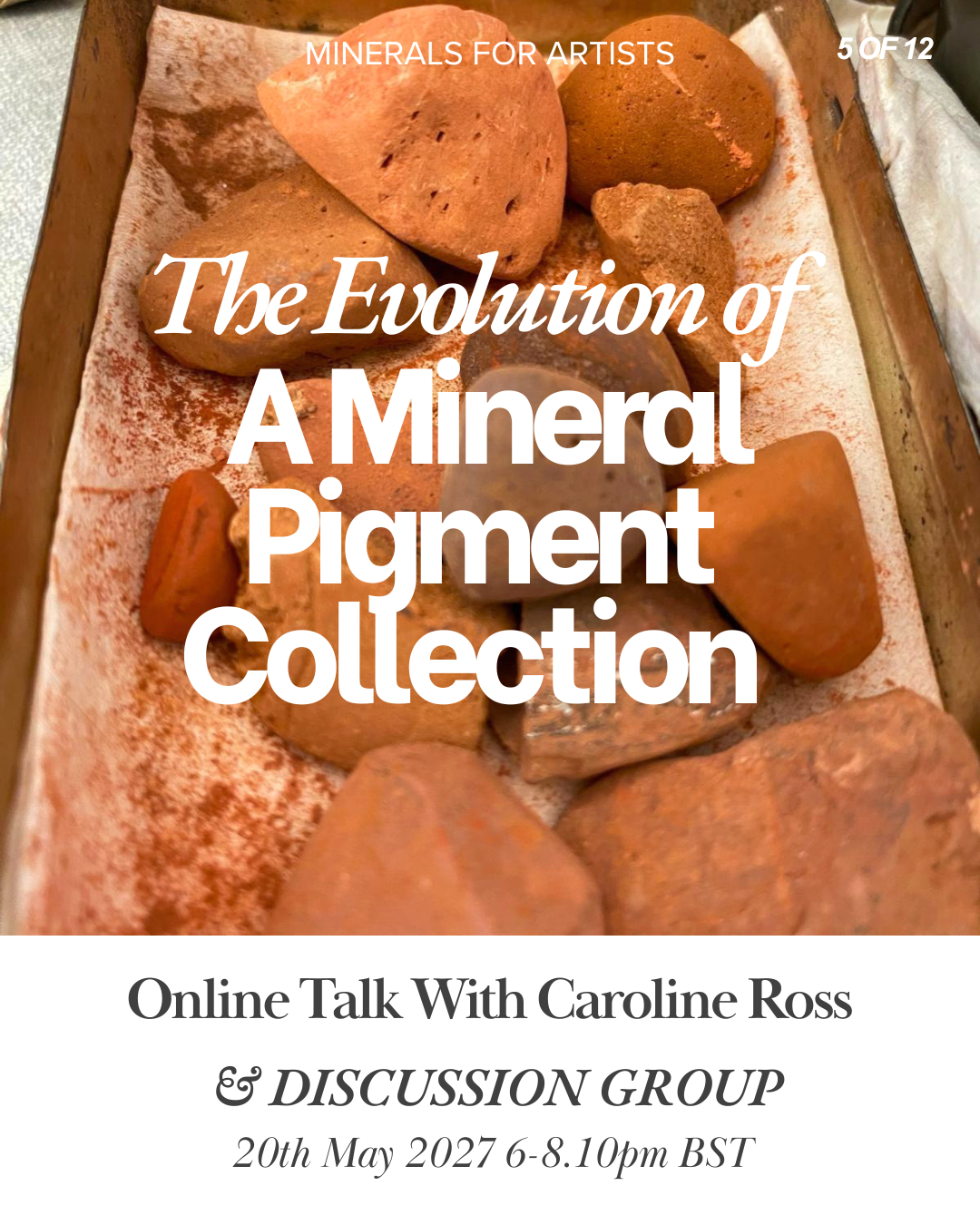
Walk through the growth of a personal, artist's mineral pigment collection: how mine and others' mineral practices started, grew, changed and are used, whether for art, science, teaching, research, personal interest, cultural practice or a mixture of all of these.
We will look at how to process, store and share pigments, including abundant clays, widely encountered rocks and soils, and the waste stream minerals and mineral derived pigments found in rural and urban environments.
We will explore via demonstration the levigation process for earths and soft rocks to contrast with ceramic pestle and mortar grinds for semi precious minerals, as well as covering liquid-use mesh sieves, dry use screens, a grind gauge to test how finely we have prepared our pigments, and more. With ample time for questions, this session aims to leave you confident to navigate your own unique pathway through mineral pigments, hopefully strewn with an abundance of beautiful rocks!
-
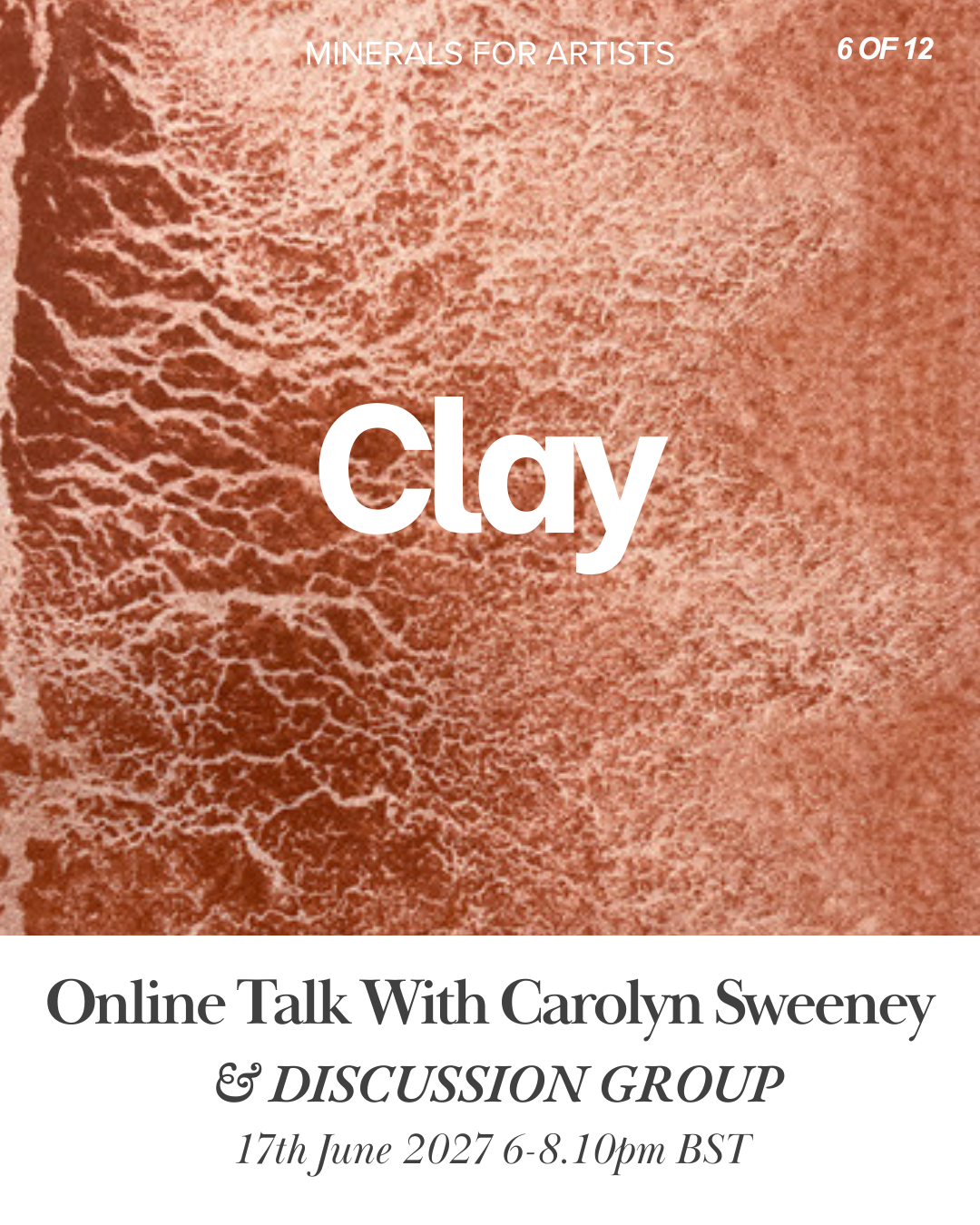
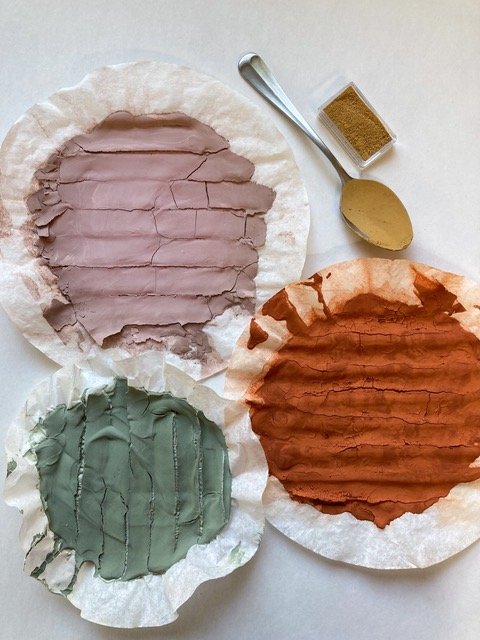
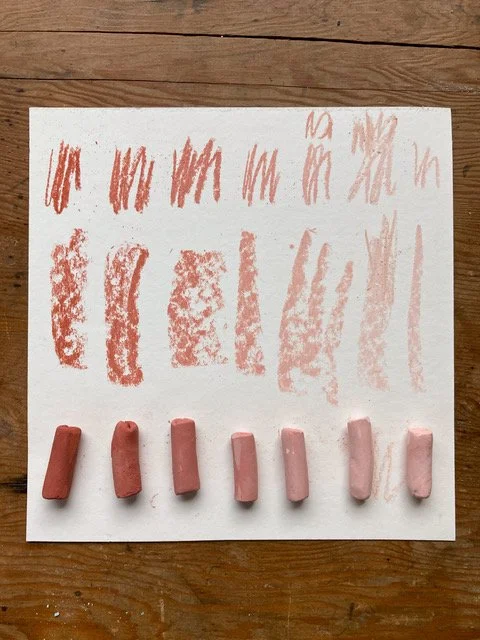
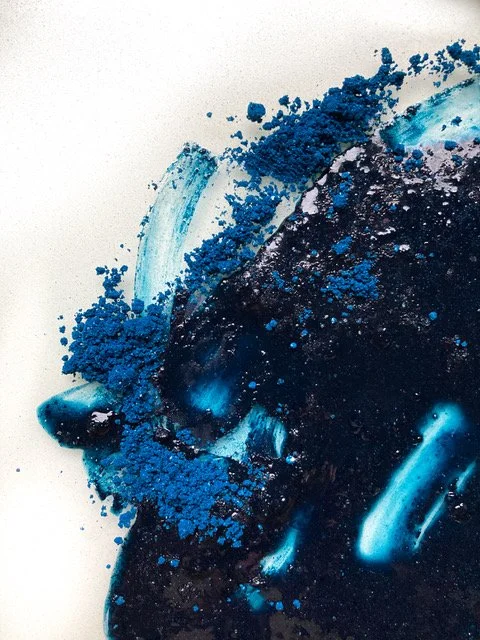
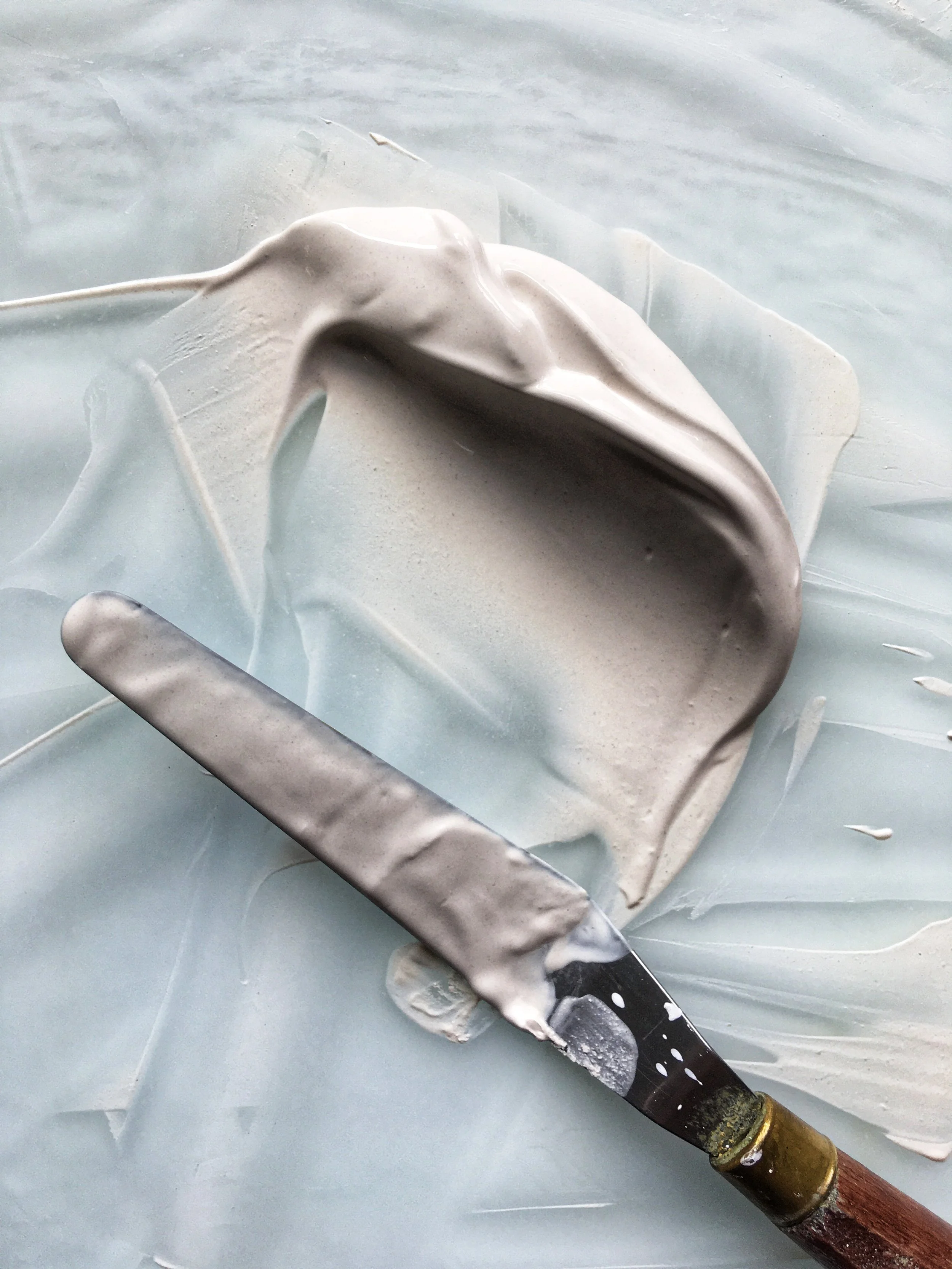
When Carolyn talks to people about foraging for mineral pigments she tells them to look for clay. It is widely available, grinds up beautifully, and has a small particle size. The more she works with clay the more uses she find for it. The sticky quality of clay can bind pastels or serve as it’s own paint binder. We’ll discuss how the molecular structure of clay insures the longterm stability of Maya Blue pigment, which is made from specific types of clay and botanical indigo. She will also demonstrate how to make a usable paint-like material with nothing but clay and water.
-
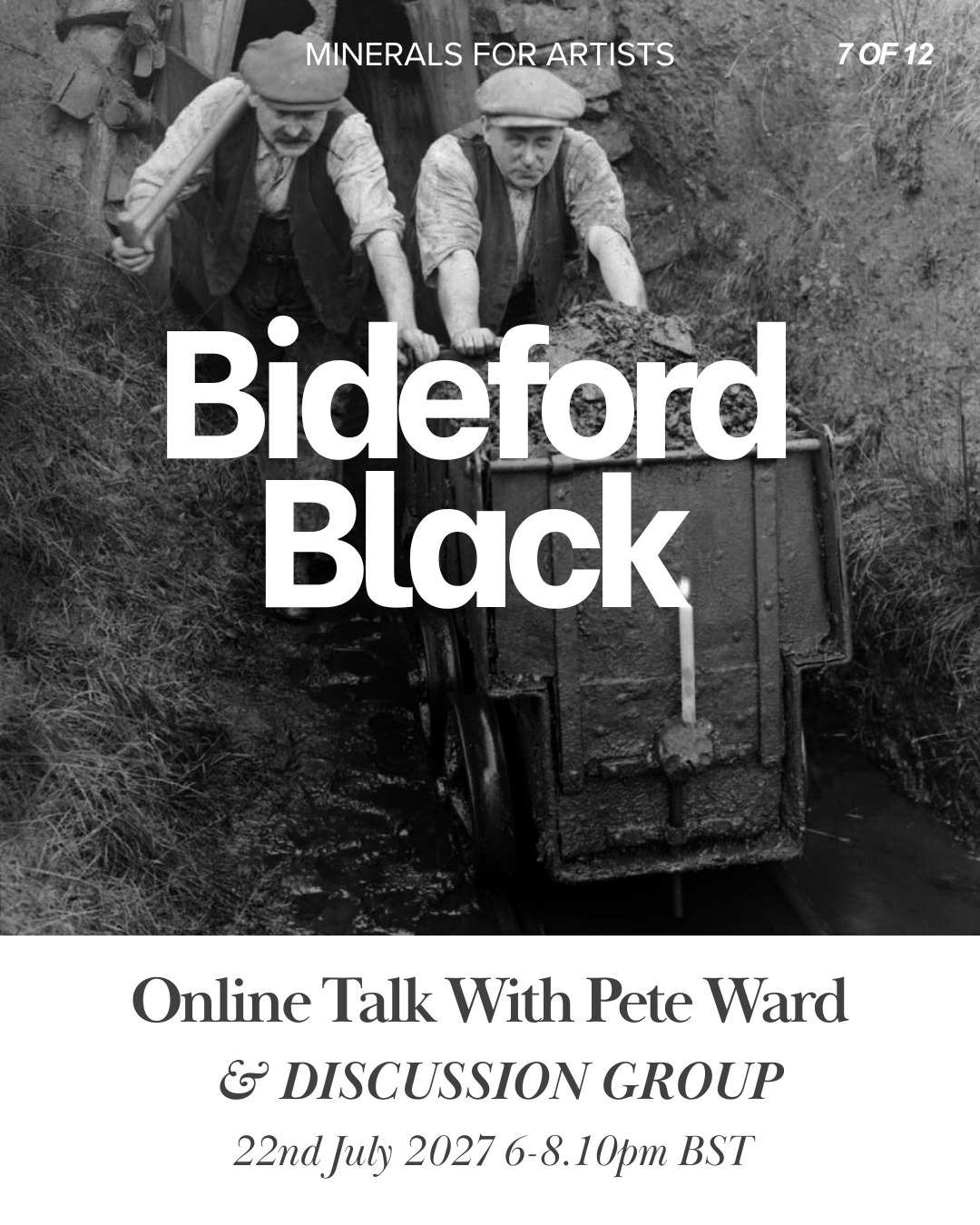
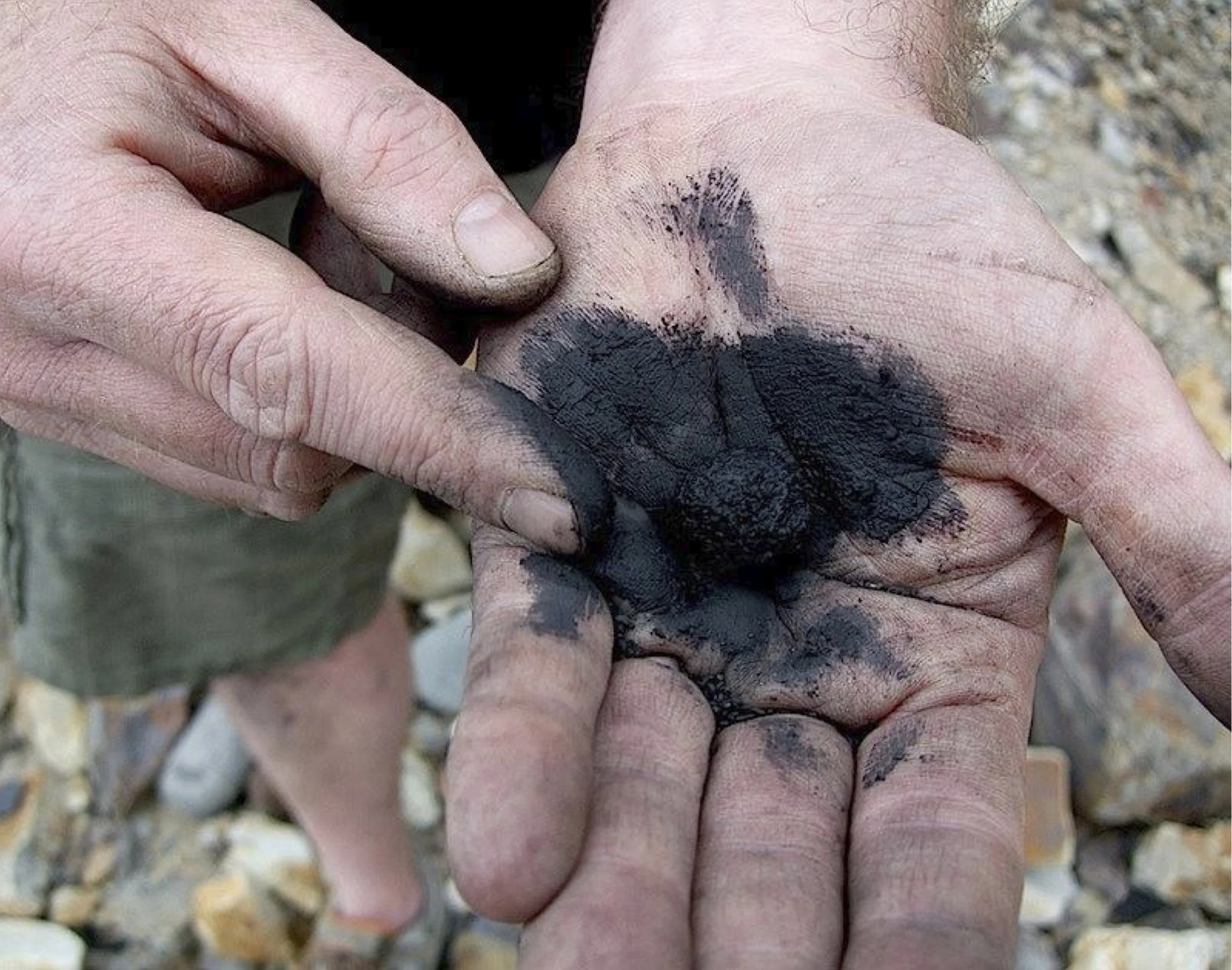
Bideford Black is one of several names bestowed upon a unique coal-based clay mined as a pigment in North Devon for 200 years until 1969. This presentation will share insights revealed through Pete’s personal experience and research working with this generous but stubborn ochre over the last 20 years. It will include information about its formation and social history alongside stories from those who mined and used it, it’s active role in the natural colour revival and Pete’s own ongoing relationship with this renowned silky-black ochre from his matrilineal ancestral home.
-
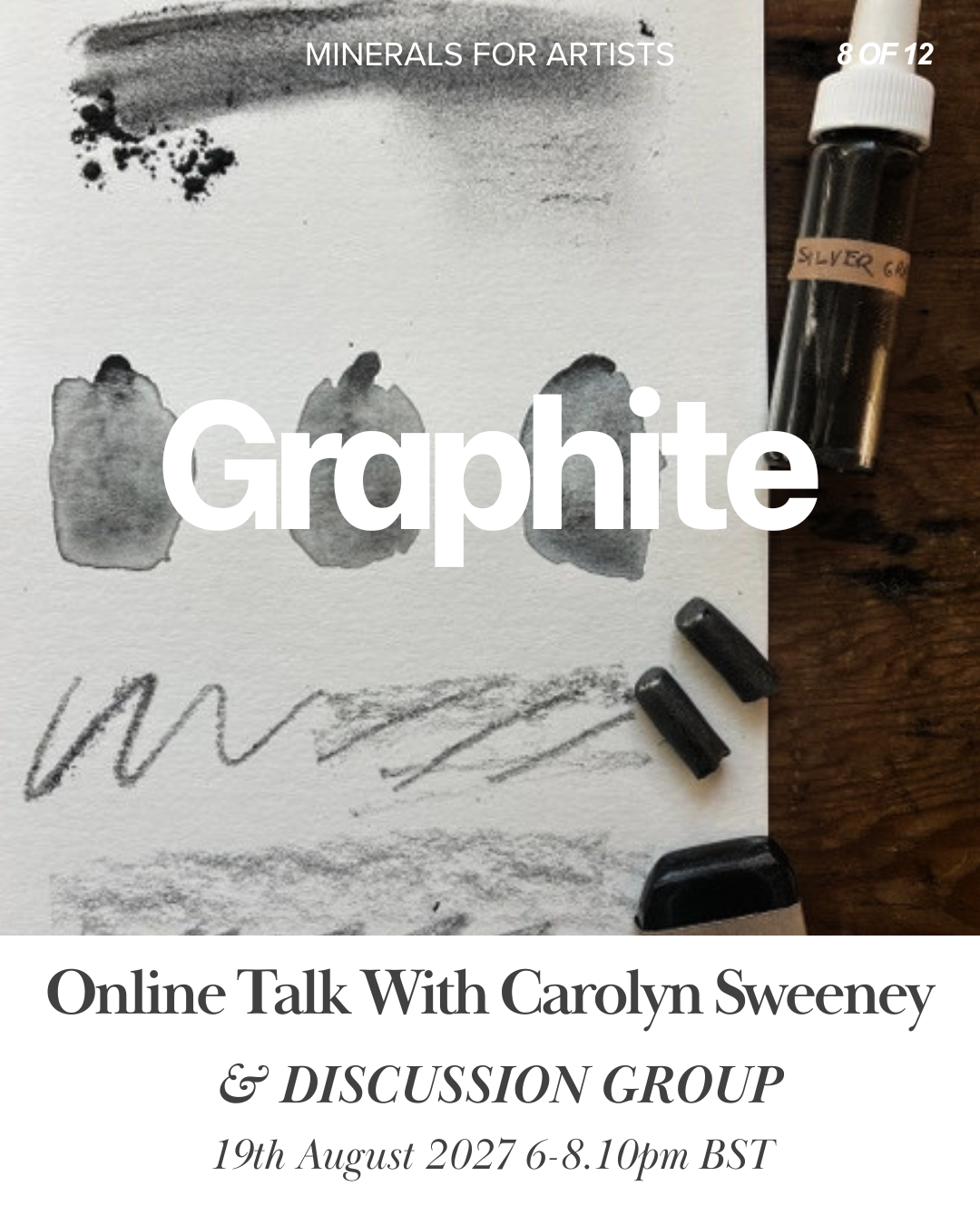
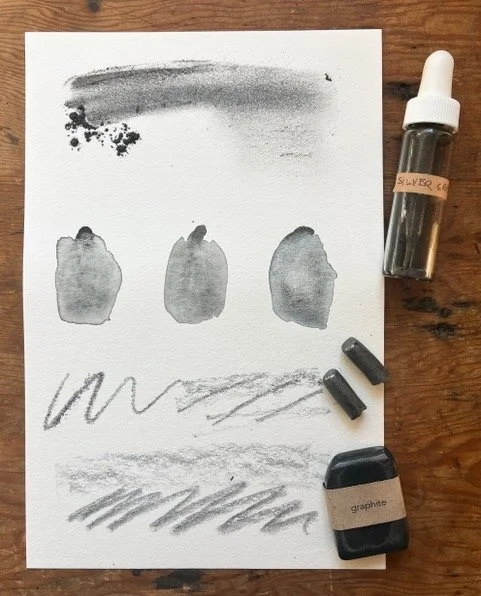
Graphite is the first mark making material Carolyn came to love, and even now her favourite drawing tool might still be a simple pencil. Graphite is also a pigment that can be used to make silky smooth crayons or pastels. And yes, a graphite pastel is perfectly erasable! We’ll discuss the history and geology of graphite to give context to this ever-present pigment.
-
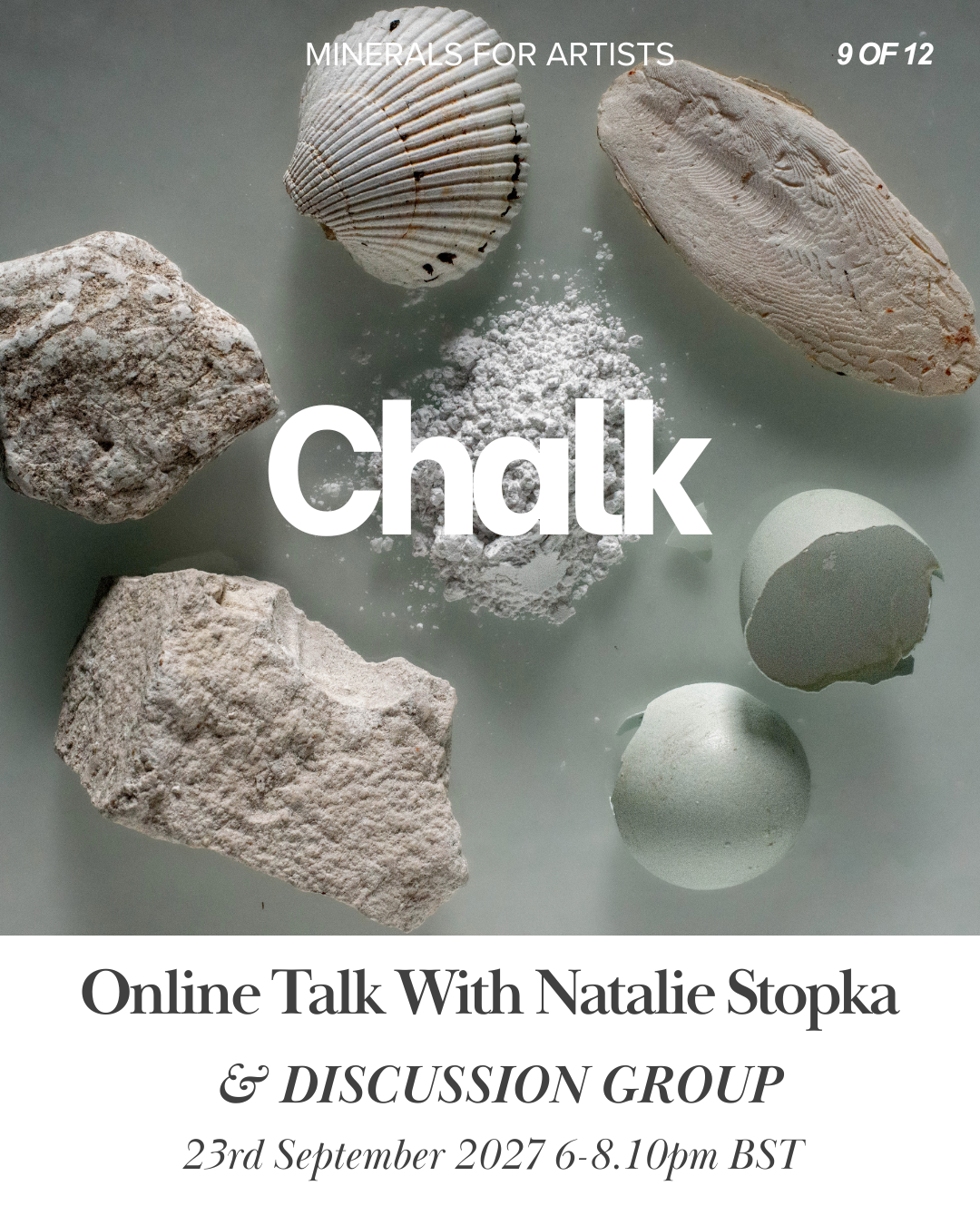
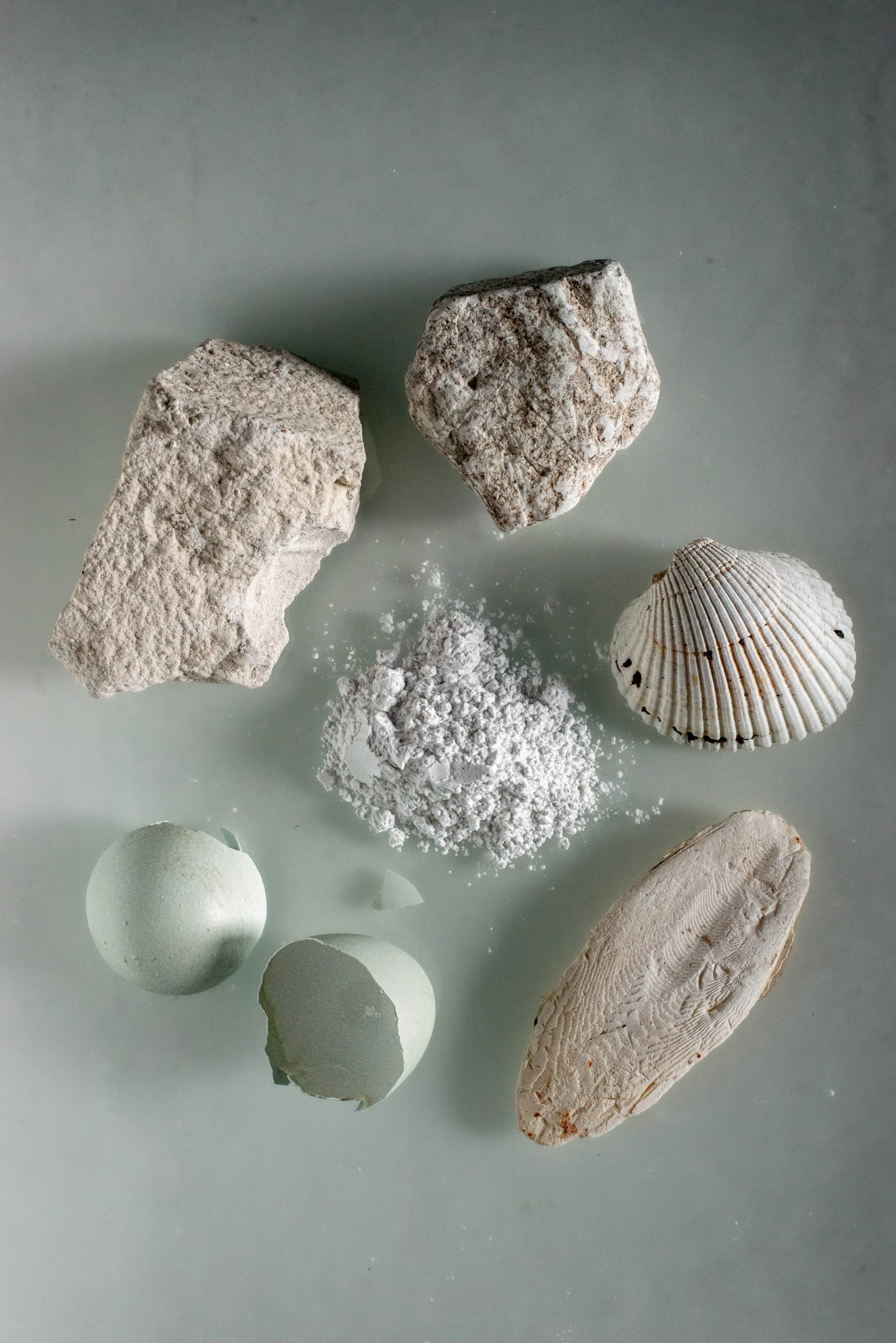
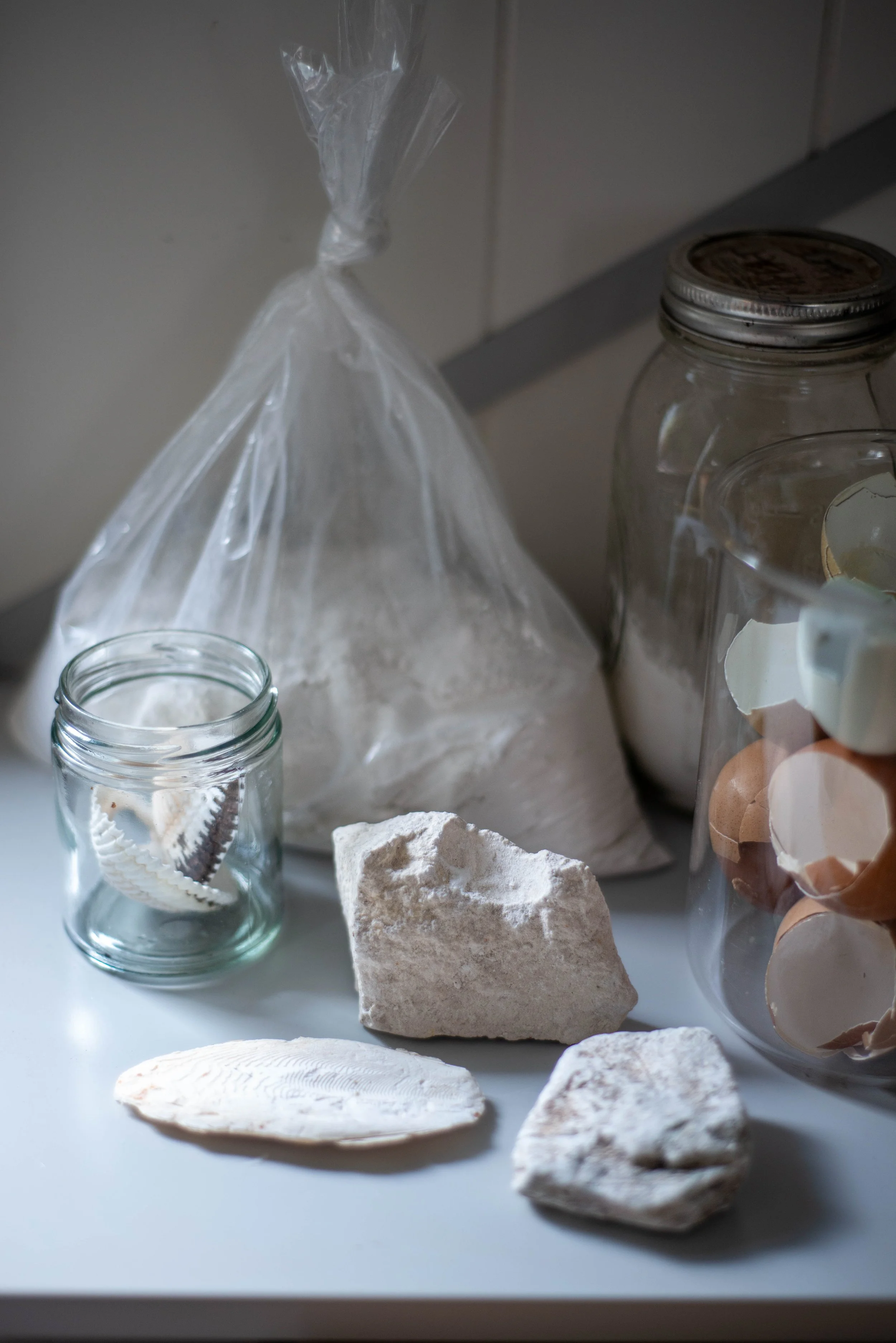
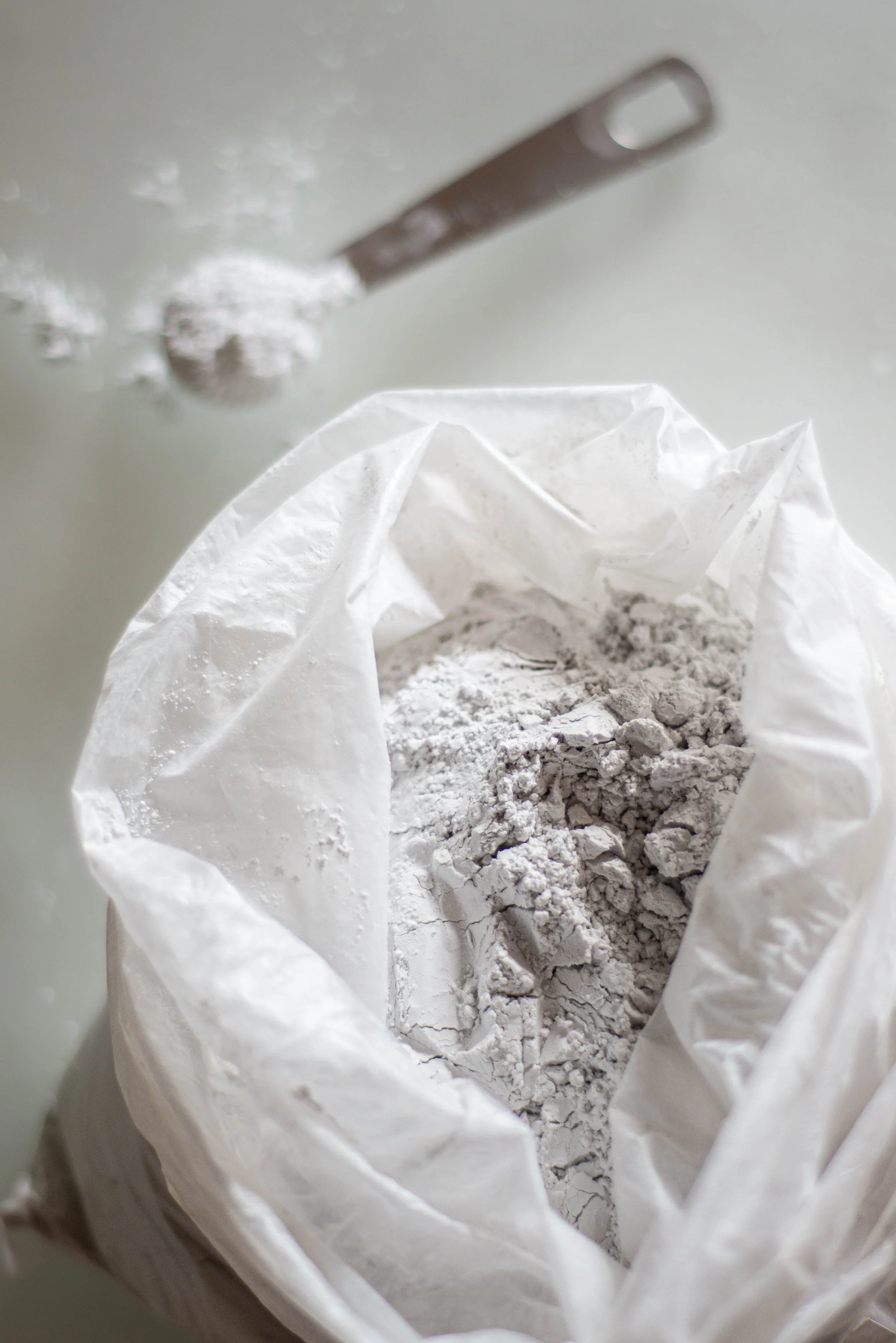
Calcium carbonate occurs widely in the natural world – limestone, marble, seashells, eggshells and even cuttlefish bones are composed largely of it. Chalk is the fluffiest, finely textured variety of calcium carbonate, useful in the studio as a white pigment, painting ground, and extender. It can also be found in pastel sticks and contributes to their characteristic texture. This session will discuss geology, sources, preparation, refractive index, and applications of chalk.
-
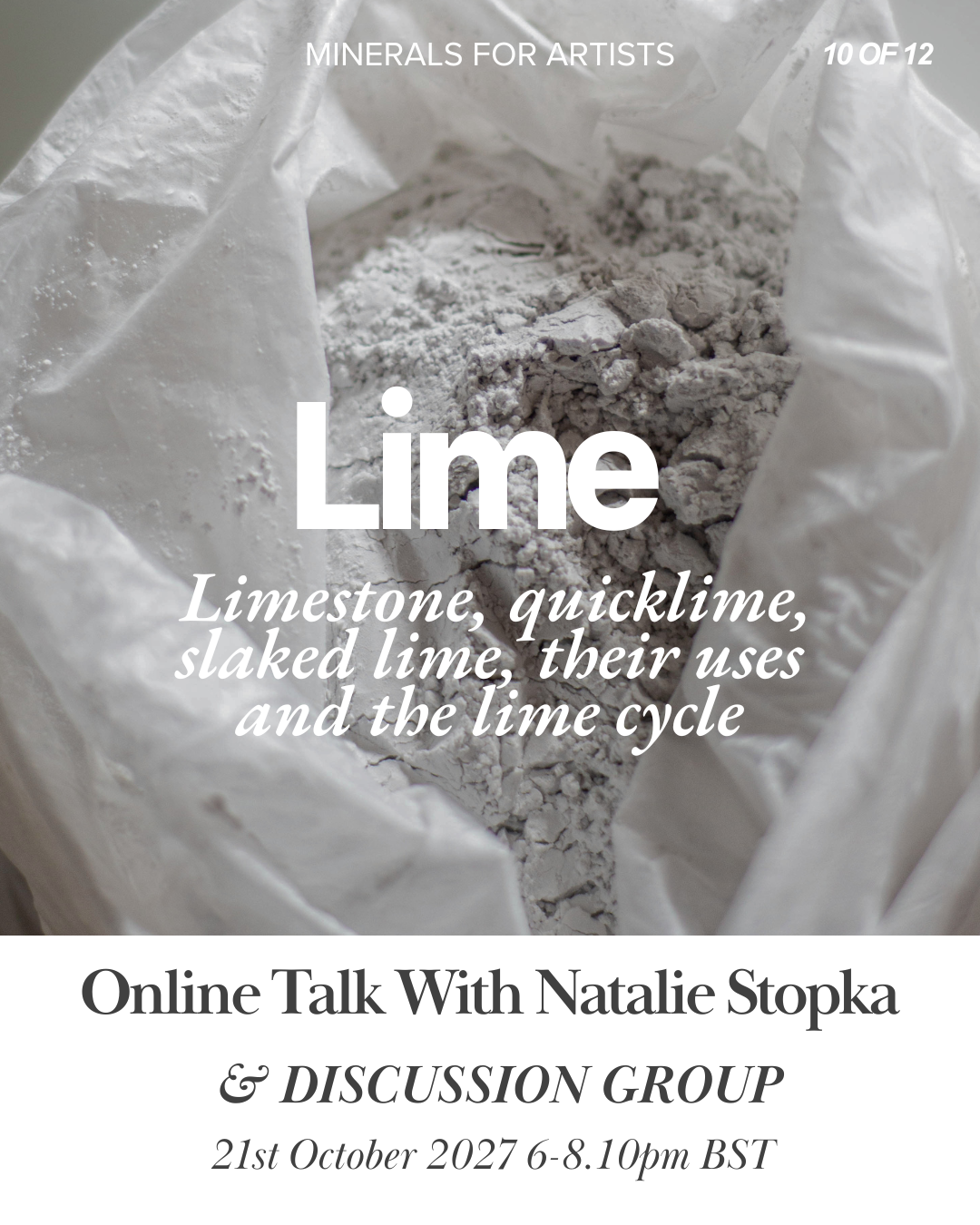
Of all the carbon present on our planet, the great majority is sequestered in limestone: compressed white drifts of the uncountable exoskeletons of coccoliths, husks of corals, and seashells of all sorts.
This ancient white stone is useful because it can loop through a series of transformations in a complete somersault called the Limestone Cycle. It finds different applications as it transitions through the phases, from limelight and limewash, to fresco and lithography. Learn about the potentialities of limestone and how to harness them in the studio, just as artists have for thousands of years.
-
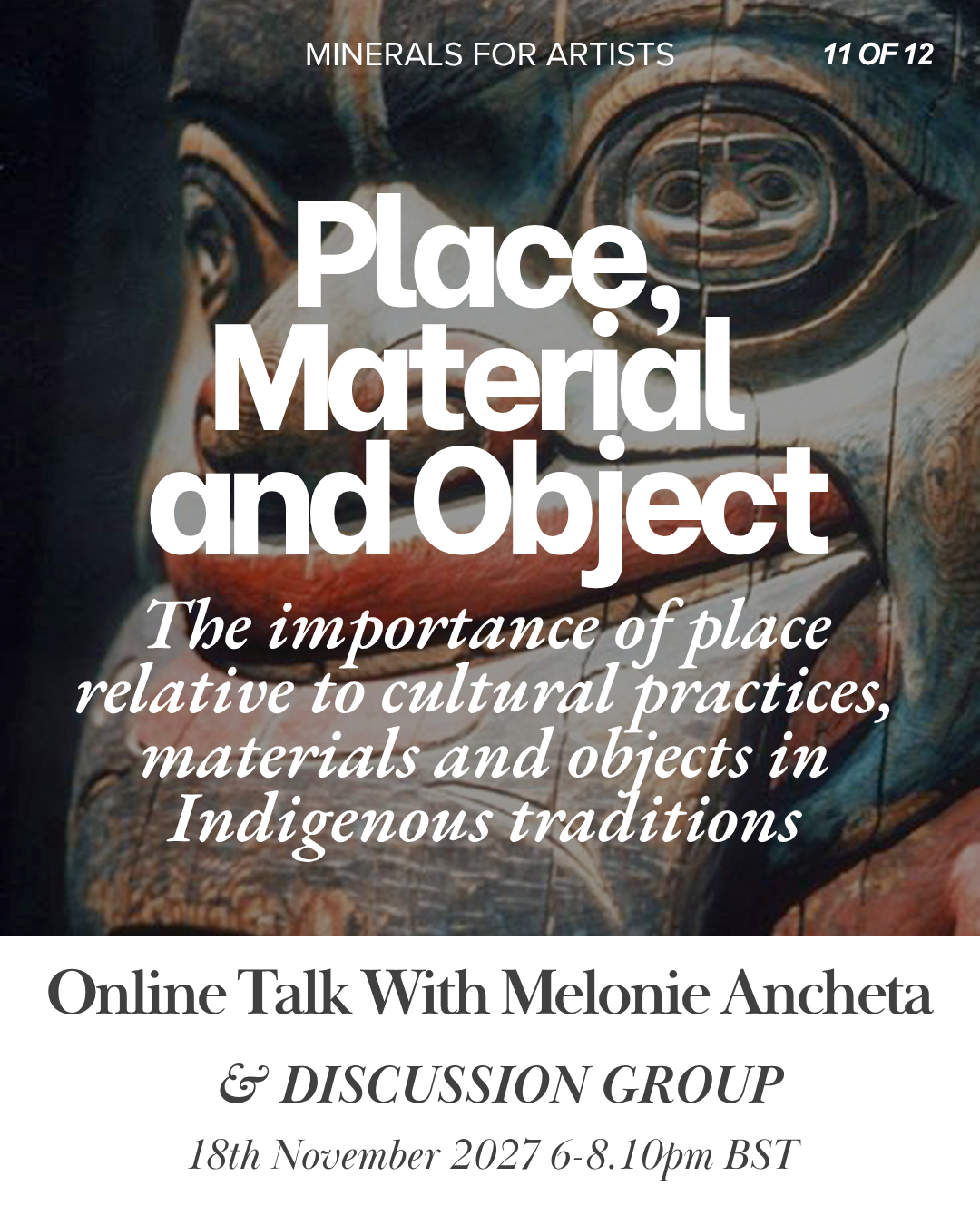
This presentation discusses the millennia-long importance places where materials are obtained hold in Indigenous cultures of the Americas. In the past, the places where one obtained materials such as a pigment, were as, or more important than the material itself or the object for which it was used. Indigenous people had intimate knowledge of places that encompassed generations of relationships with these places and contributed to generational knowledge alongside the empirical knowledge one gained from their own relationship with a place. Every place had its own spiritual, physical and other characteristics that contributed to the significance of a place, but which were also inherent in the materials obtained there. This in turn gave the materials those attributes and influenced not only the type of object on which they were used, but also the purpose of the object.
Image: Duk tootle gass house post, Whale House Alaska
-
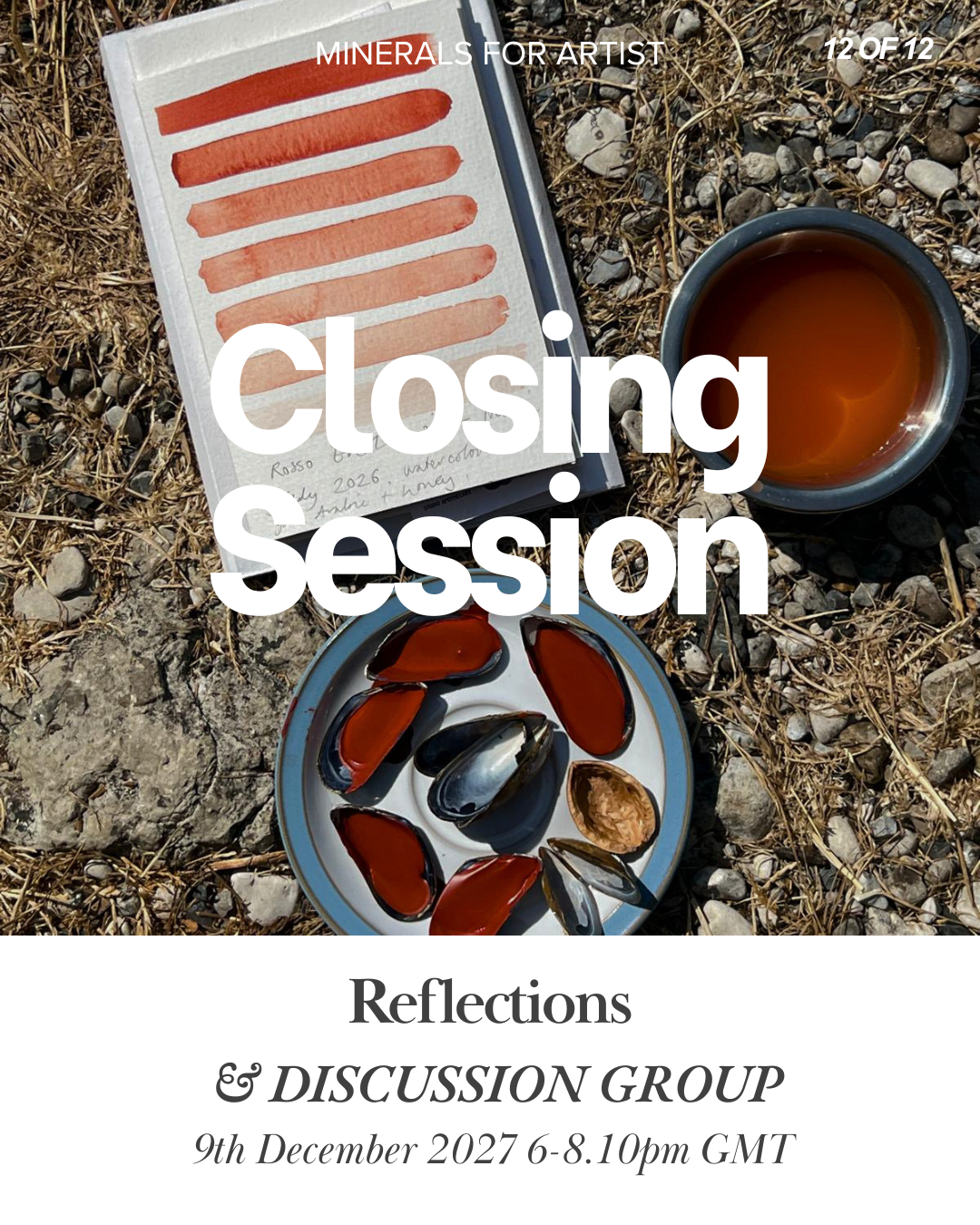
A two hour session for all the group members to share their reflections on the past year together and set intentions for the future.
Hosted by Lucy Mayes
Year Long Study Group Starting in January 2027 To learn and share ideas, explorations & questions. For artists and makers exploring working with naturally available minerals, seeking to be part of a supportive creative community.
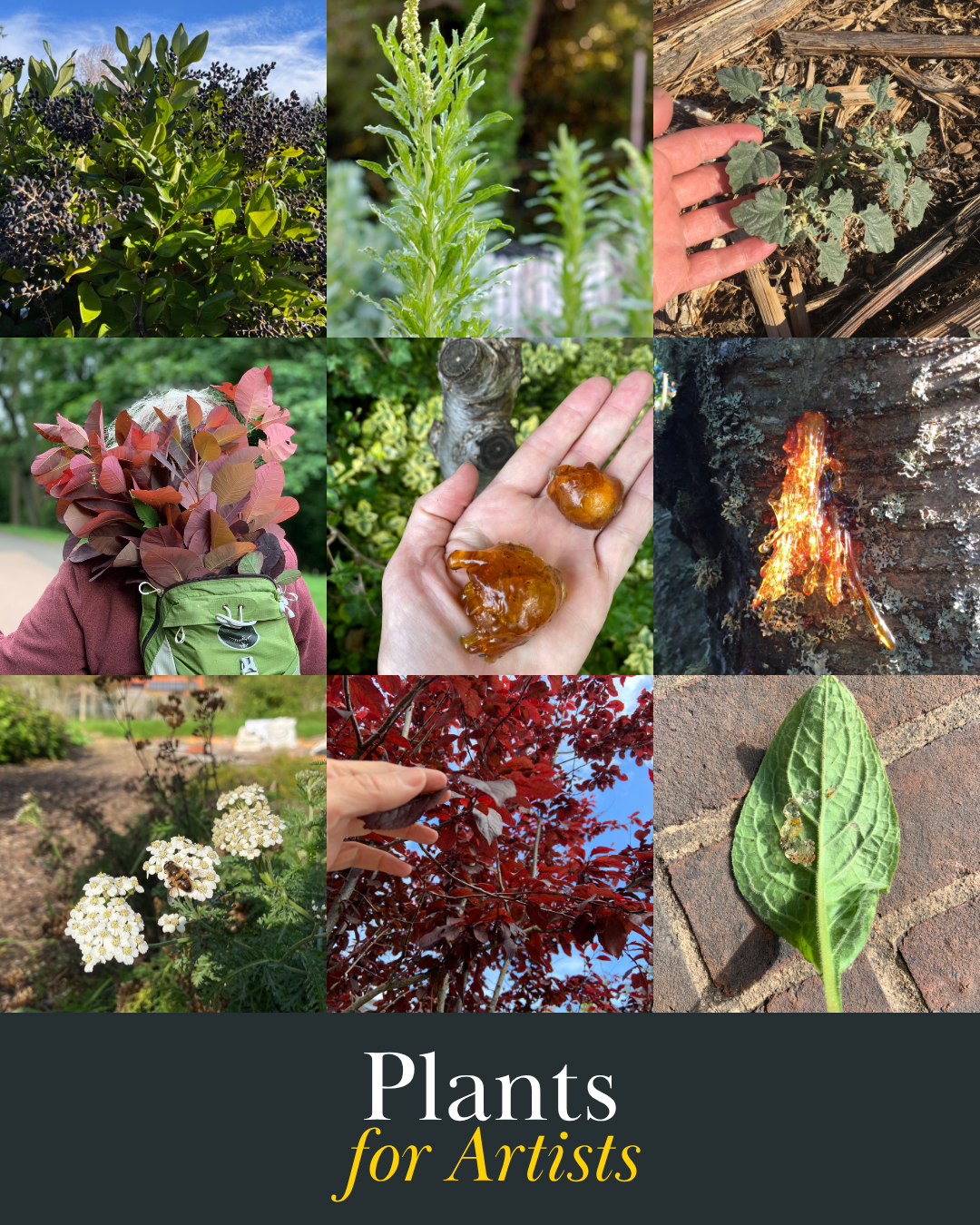
Facilitated by Natalie Stopka and Isobel Denton
Guest Artist Talks:
Alder - David Begley
Privet - Carolyn Sweeney
Cotinus - Elisabeth Viguie Culshaw
Weld - Natalie Stopka
Dyer's Chamomile - Isobel Denton
Turnsole - Annie Hogg
Japanese Indigo - Sarah Grace Dye
Yarrow - Greta Facchinato
Madder - Lucy Mayes
Cherry - Caroline Ross
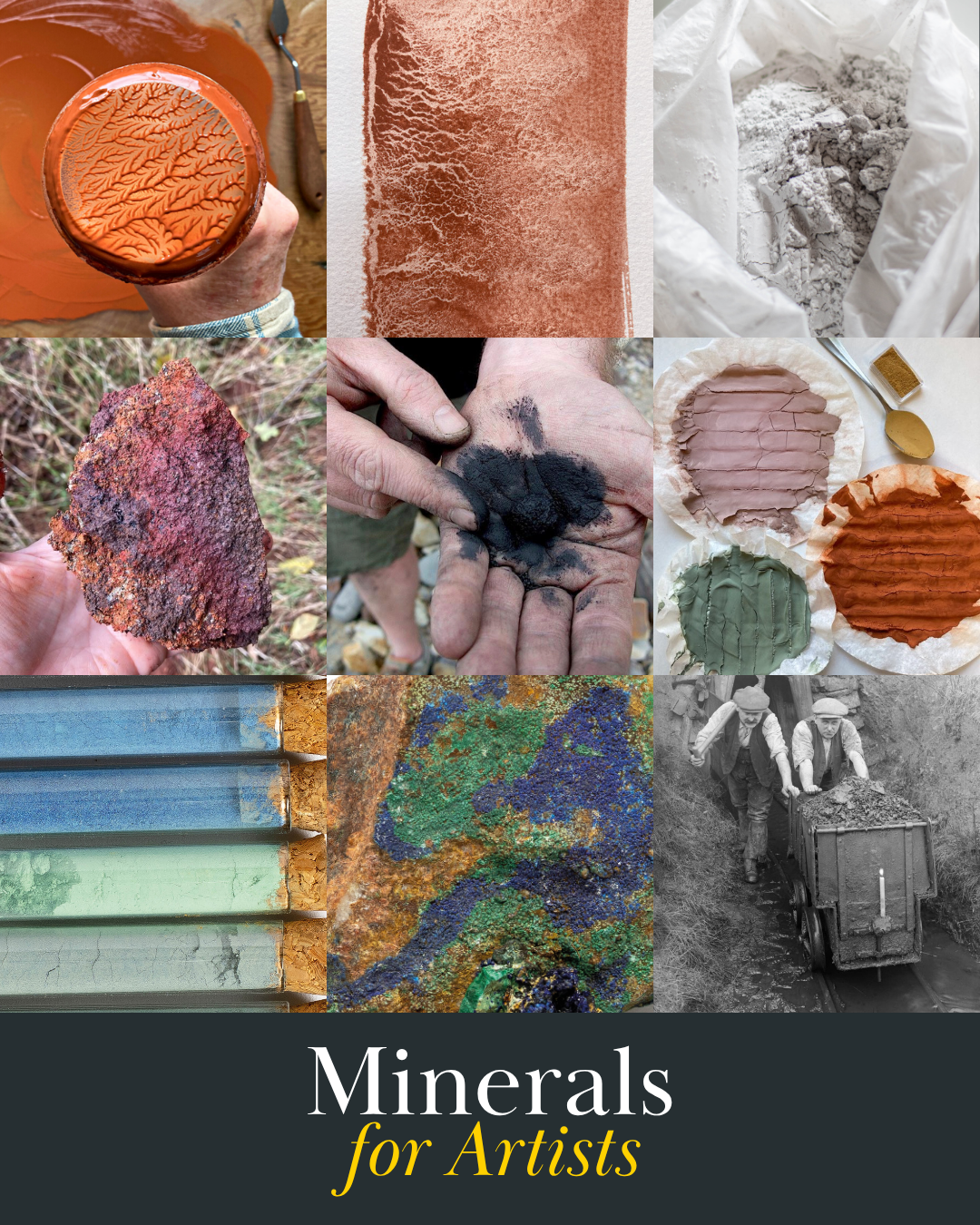
Facilitated by Lucy Mayes
Guest Artist Talks:
Gathering and Working With Ochres - Ethics & Values - Pete Ward
The Evolution of a Mineral Pigment Collection - Caroline Ross
The Mineral Colour Spectrum - Lucy Mayes
Reading Rocks - Lucy Mayes
Clay - Carolyn Sweeney
Bideford Black - Pete Ward
Graphite - Carolyn Sweeney
Chalk - Natalie Stopka
Lime - limestone, quicklime, slaked lime, their uses and the lime cycle - Natalie Stopka
Place, Material and Object - The importance of place relative to cultural practices, materials and objects in Indigenous traditions - Melonie Ancheta
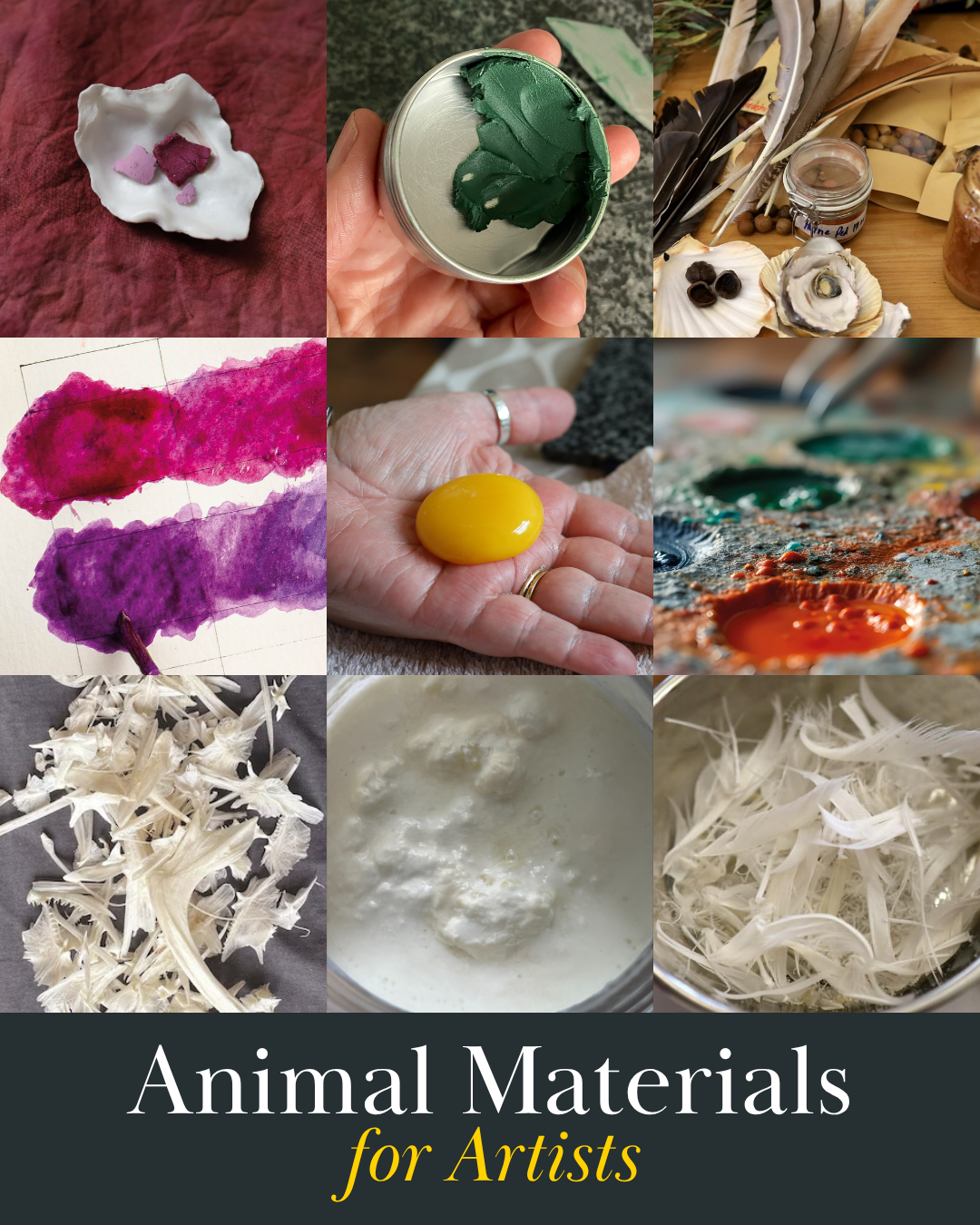
Facilitated by Annie Hogg
Guest Artist Talks:
Bones & Snail Shells - Annie Hogg
Hair - Annie Hogg
Insecta: Colour from Creepy Crawlies & Critters - Lucy Mayes
Animalia Marina: Hues From the Sea - Lucy Mayes
Pisces: Glues & paints made from fish - Lucy Mayes
Skin - Theresa Emmerich
Thank the Hen - colour, tools and mediums from birds - Caroline Ross
Milk mediums, washes and paints - Caroline Ross
Using The Whole Animal - Theresa Emmerich

INCLUDING
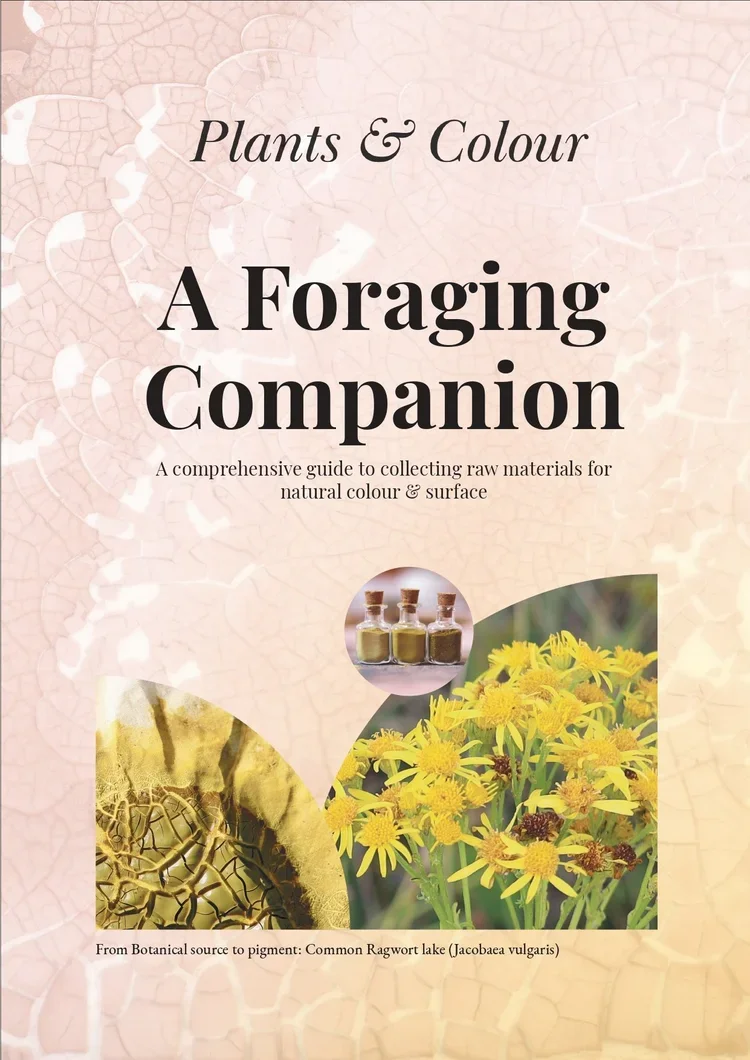
A Foraging Companion
A Comprehensive Guide To Collecting Raw Materials For Natural Colour & Surface
A Downloadable PDF Guide written and compiled by Lucy Mayes
This guide brings together practical tips for collecting, poetic reflections, foraging philosophies, and ways to cultivate, give back, and share an ecological and reflective practice. At the end of this guide, you'll find an extensive reading list of online sources, articles, and books ranging from practical foraging manuals to ecological studies. It includes works grounded in Western science as well as writings from Indigenous knowledge holders, all of which have helped shape and inform this guide.
CONTRUBUTORS
-
![]()
Pete Ward
Over the past 20 years, Peter Ward has become one of the foremost authorities on earth pigments in the UK, sharing his work through painting, teaching, publications and poetry. His ambient good-natured character, alongside rigorous interdisciplinary research and holistic experience, delivering knowledge and inspiration for many with interest in this growing field of creative expression. Whatever we believe about the condition of the contemporary world, contact with the materials and processes with which it is made can only further enrich and inform our lives. Peter is currently studying for a PhD at Falmouth University exploring the agency of ochre within contemporary ecopolitical discourse. He lives in West Cornwall.
_______________________________
‘In the words of David Mowaljarlai, Wandjina elder, “When you touch them, all things talk to you, give you their story.” Mowaljarlai elaborates on the deep resonances he experiences between the entities of the earth and himself: “These things recognise you. They give their wisdom and their understanding to you when you come close to them.” In this [indigenous] worldview, entities are not mute objects awaiting the animating intervention of the human subject; rather, they acknowledge the presence of the human subject, and through the relational practice of haptic exchange (“when you touch them”), they speak and offer, in the idiom of their materiality, their own understanding of what has transpired through “their story”.’ from ‘Biopolitics of the More-Than-Human’ by Joseph Pugliese (2020)
-
![]()
Caroline Ross
Caroline Ross is an artist, writer and teacher living by the sea in Bournemouth. Her debut book ‘Found and Ground: A Practical Guide to Making your own Foraged Paints’ was published by Search Press in June 2023. She is writing the follow up about ancient and foraged drawing materials, ‘Drawn From the Wild’ to be published spring 2025. Using what nature provides and repurposing what humans discard are a large part of her practice. After the rooks have feasted on the riverbank, the empty mussel shells become paint palettes. The seasonally moulted flight feathers of local swans and geese become quill pens and brushes. Chalk dug out from their setts by badgers is left in piles in the woods, where she gathers it and take it home to make gouache. Caroline makes paints from foraged earth pigments from around the UK, and art tools and inks from natural, wild, and found materials such as oak galls, rusty nails, elderberries, bay leaves and cherry tree gum. The natural fluctuations of materials and the botanical ink stains or ochre paints forming prepared grounds on paper, all suggest forms with which she works.
-
![]()
Melonie Ancheta
Melonie Ancheta is a professional researcher, artist and educator from northwest Washington. She is the founder of Pigments Revealed Symposium as well as founder and director of Pigments Revealed International, a nonprofit organization building a global pigment community and fostering pigment education and research.
Her artwork has been exhibited at the preeminent Stonington Gallery in Seattle as well as other galleries across Canada, the US, Europe and New Zealand. Her work can also be seen in museum and private collections around the world.
Ancheta research into traditional Northwest Coast Indigenous pigments and paint technology for more than 30 years is supporting supported the revitalization of important material knowledge as well as giving us insights into cultural development, practices and scientific knowledge. Published in Smithsonian National Museum’s American Indian Magazine, American Indian Culture and Research Journal, and elsewhere, Ancheta is currently at work on a book about traditional Indigenous pigments and paint technologies as they relate to Indigenous history, culture, belief systems and more. Ancheta lectures, gives workshops and offers courses about NW Coast Indigenous art, cultures and history, as well as pigments and traditional Indigenous paint technologies.
-
![]()
Lucy Mayes
Lucy Mayes is an artist and pigment maker & researcher working in London and Hampshire. Her work as ‘London Pigment’ uses urban waste stream materials to make recycled pigment. Her practice is centred on the use of unusual, surprising or esoteric raw materials to make colour as a way of documenting events or ‘happenings’. Verdigris made from copper wire stripped from burnt-out mopeds, soot and ash from park fires and construction rubble have all been used in her work to make new pigments. Her colour-making practice centres on creating sustainable pigments from anthropocene waste streams. She works in the capacity of pigment/colour consultant and has worked with Neptune Interiors Ltd, Jaguar Land Rover, Royal Cornwall Museum, V&A, Kew Gardens on pigment projects. She previously worked as product developer and pigment specialist at renowned colourman L.Cornelissen & Son where she developed their historical pigment archive. She teaches pigment making at institutions nationally and hopes to re-orientate our connections to colour; through the creation of intimate relationships with matter formed through embodied making.
-
![]()
Carolyn Sweeney
Carolyn Sweeney is an artist and art teacher based in Portland, Oregon. She uses mineral and botanical color on paper, mostly foraged from public roadways and the compost piles of neighbors. Carolyn has a BA in Fine Art from Whitman College and later studied textiles at Oregon College of Art and Craft. It was in the midst learning to weave and spin that Carolyn first encountered natural color, using natural dyes for her textile projects. After having a child she went back to working on paper, and started making botanical inks from natural dye plants. From there she discovered mineral pigments and making her own watercolor paints. She now uses a variety of handmade artist materials- watercolors, lake pigments, pastels, egg temperas, soy wax crayons, and others that defy neat categories. Carolyn’s own art practice seeks to center these natural materials as co-creators, finding inspiration in the relationships between humans, plants, and the very earth beneath our feet.
-
![]()
Natalie Stopka
Natalie Stopka is a New York based interdisciplinary artist and educator focused on the material history of color and sustainable studio practice. She captures material and elemental interactions in her collaborative, experimental printmaking practice. Raised on the south coast of Massachusetts, she holds a BFA from the Rhode Island School of Design and MFA from the University of New Mexico, Albuquerque. Natalie is the author of From Plant to Pigment: How to make your own vibrant inks, pastels and paints, published by Skittledog in 2025.