
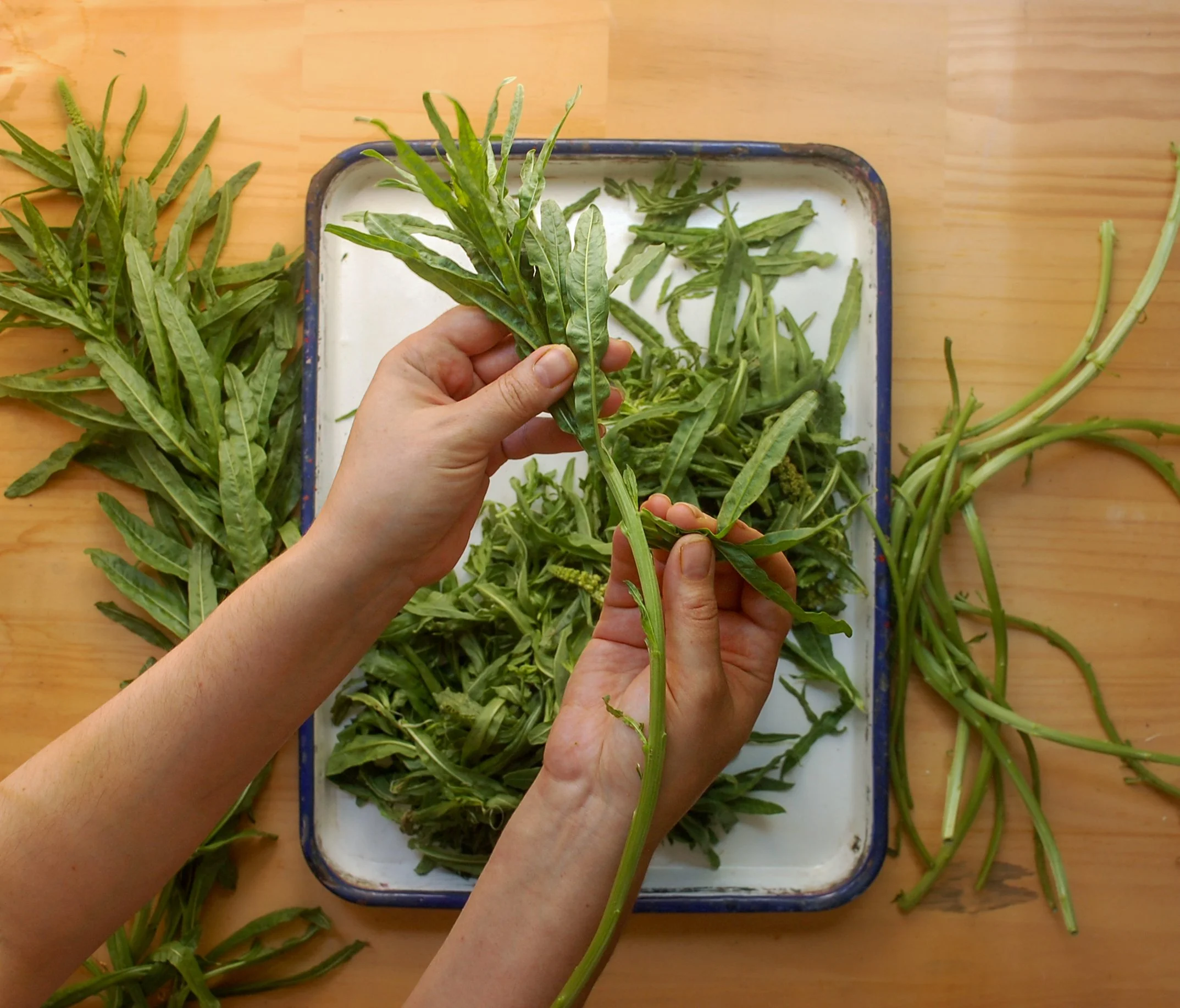
January - December 2027 NATURAL MATERIALS IN PRACTICE
Plants
For Artists
A Year Long Learning Community - Starting in January 2027
Which plants are integral to your creative practice, and how do their material qualities shape your work?
Join a community of artists and practitioners exploring working with plants for paints, inks, pigments, and other uses; to share ideas, explorations, and questions.
Each session includes a guest artist diving into a plant they work with, followed by group sharing and discussion.
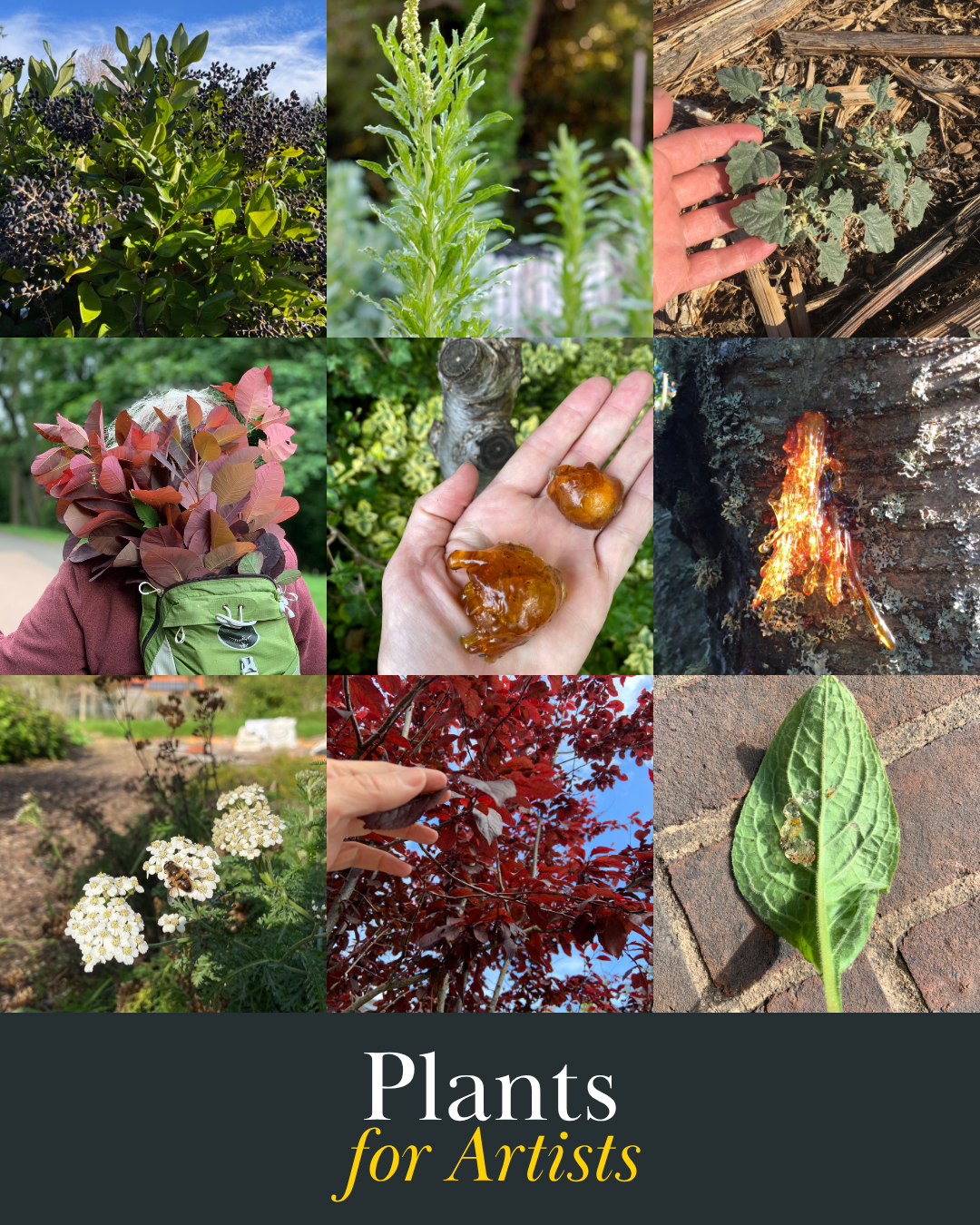
From the tannic inks of alder and yarrow to the distinctive blue of privet berries; botanical printing with cotinus; making pigments from weld; making watercolour with dyer's chamomile; turnsole for dye; Japanese indigo for pigment, paper and fibre. Extracting reds and pinks from madder, and making pigments, inks and binder from the cherry tree. This series is a celebration of the incredible colour we can derive from plants and the potential of plants for making in traditional and contemporary art practice.
Welcoming members at all stages of experience from experienced makers to those starting their learning journey.
12 Monthly Online Meet-ups
Facilitated by Natalie Stopka and Issy Denton
Introduction Session – Thursday 14 January 2027 - 6-8.10pm GMT
Ten Monthly Guest Artist Talks (60 minutes) Featuring a different plant each month followed by Group Sharing & Discussion - February to November From 6 to 8.30pm GMT
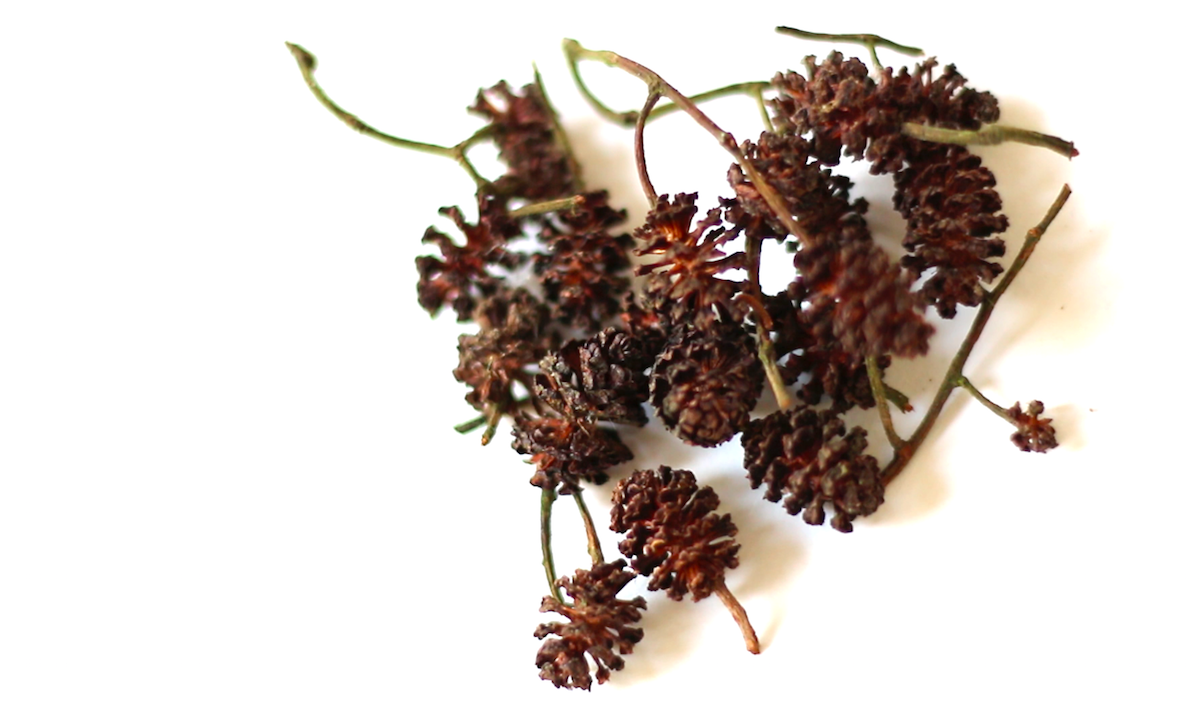
Alder with David Begley - Thursday 11 February 2027 - INK
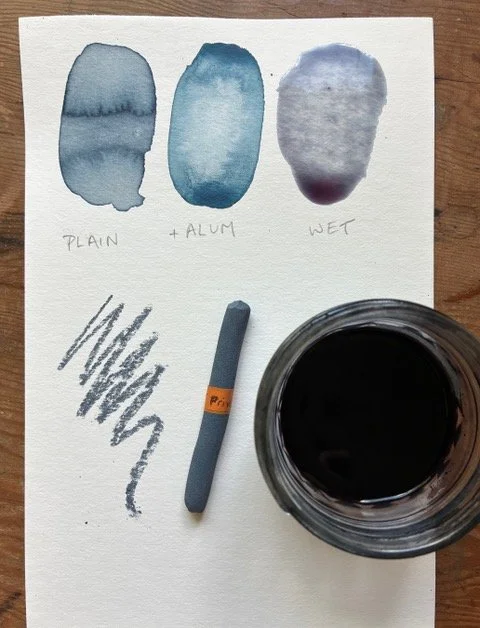
Privet with Carolyn Sweeney - Thursday 11 March 2027 - INK
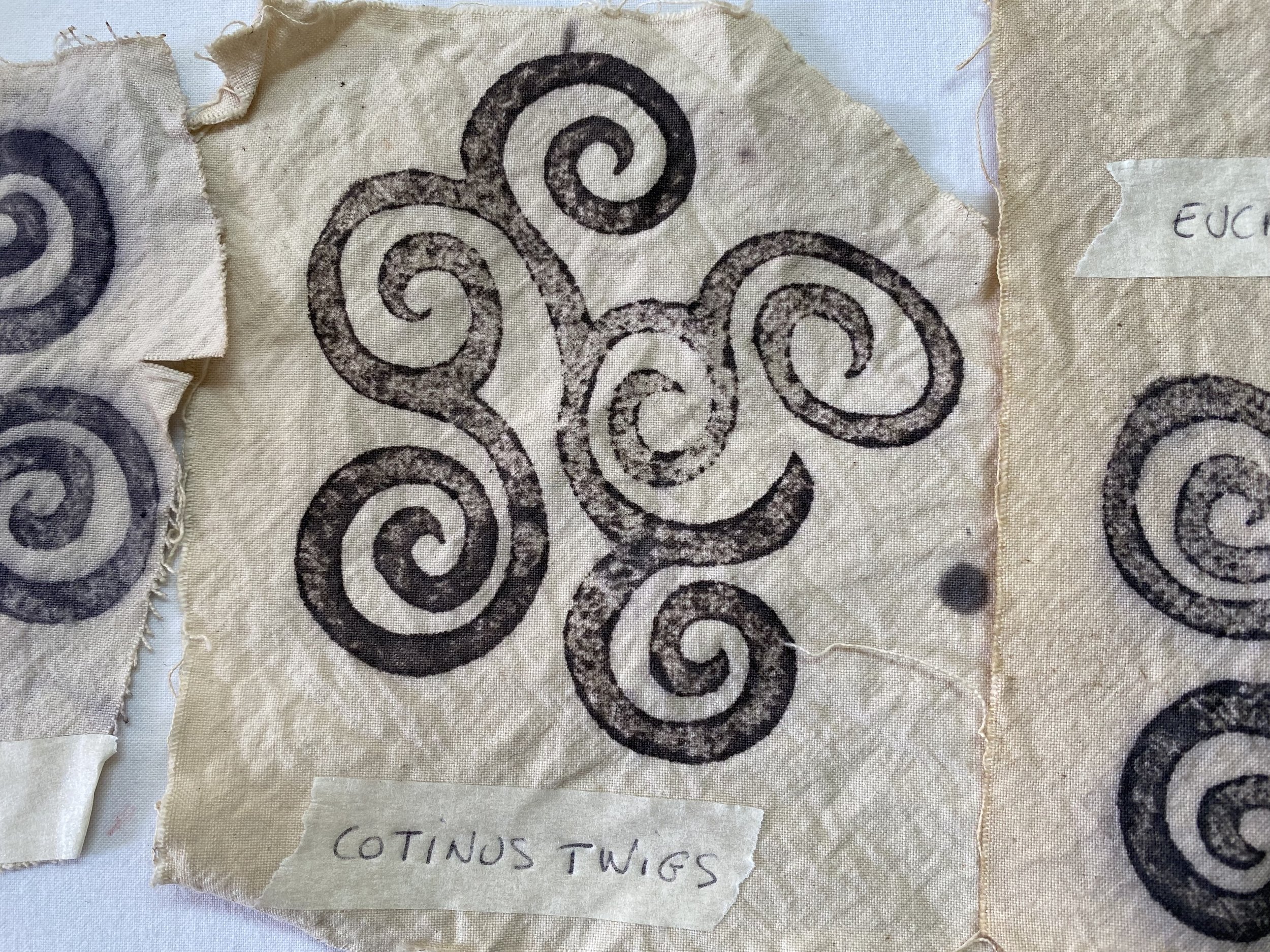
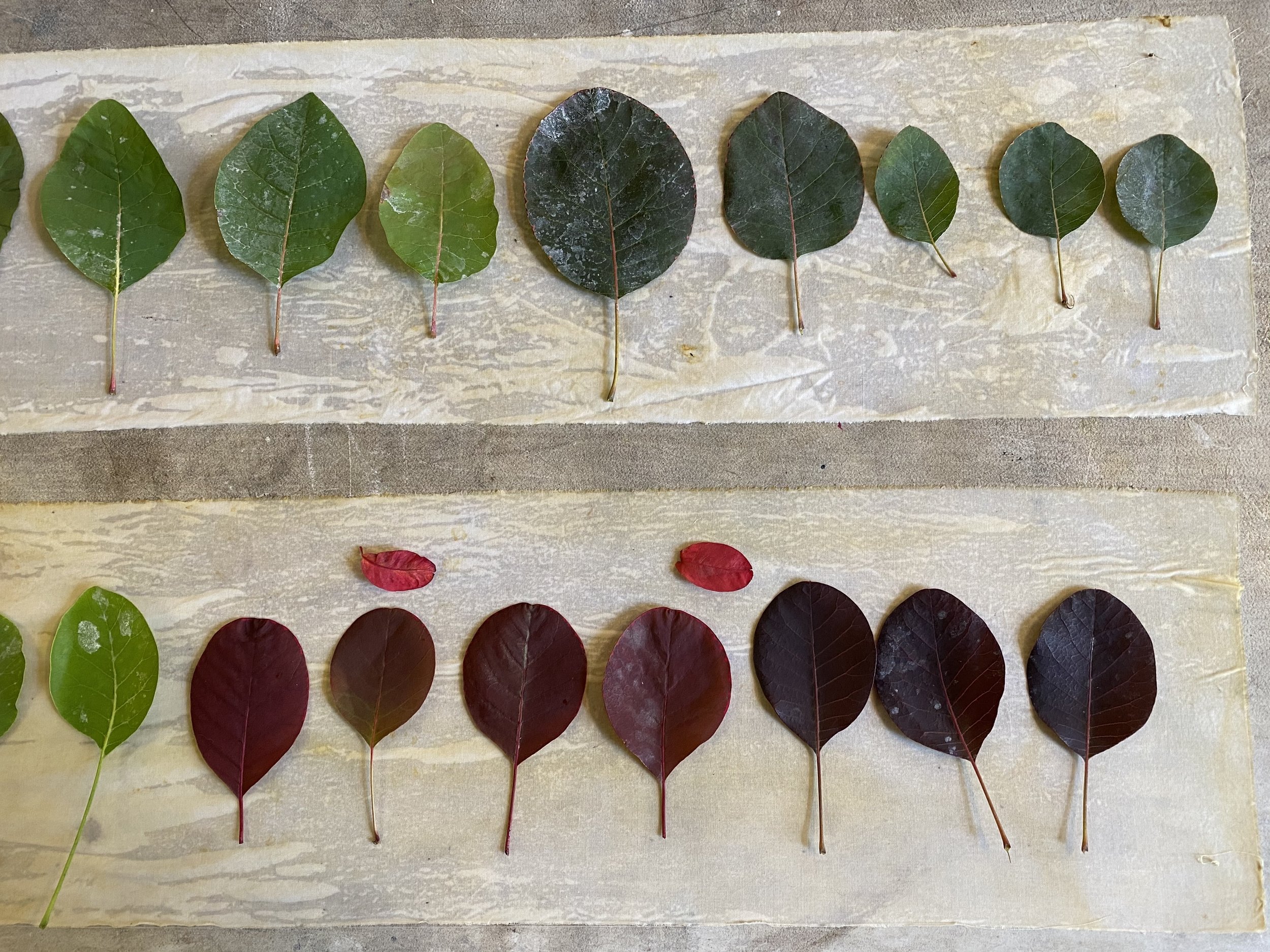
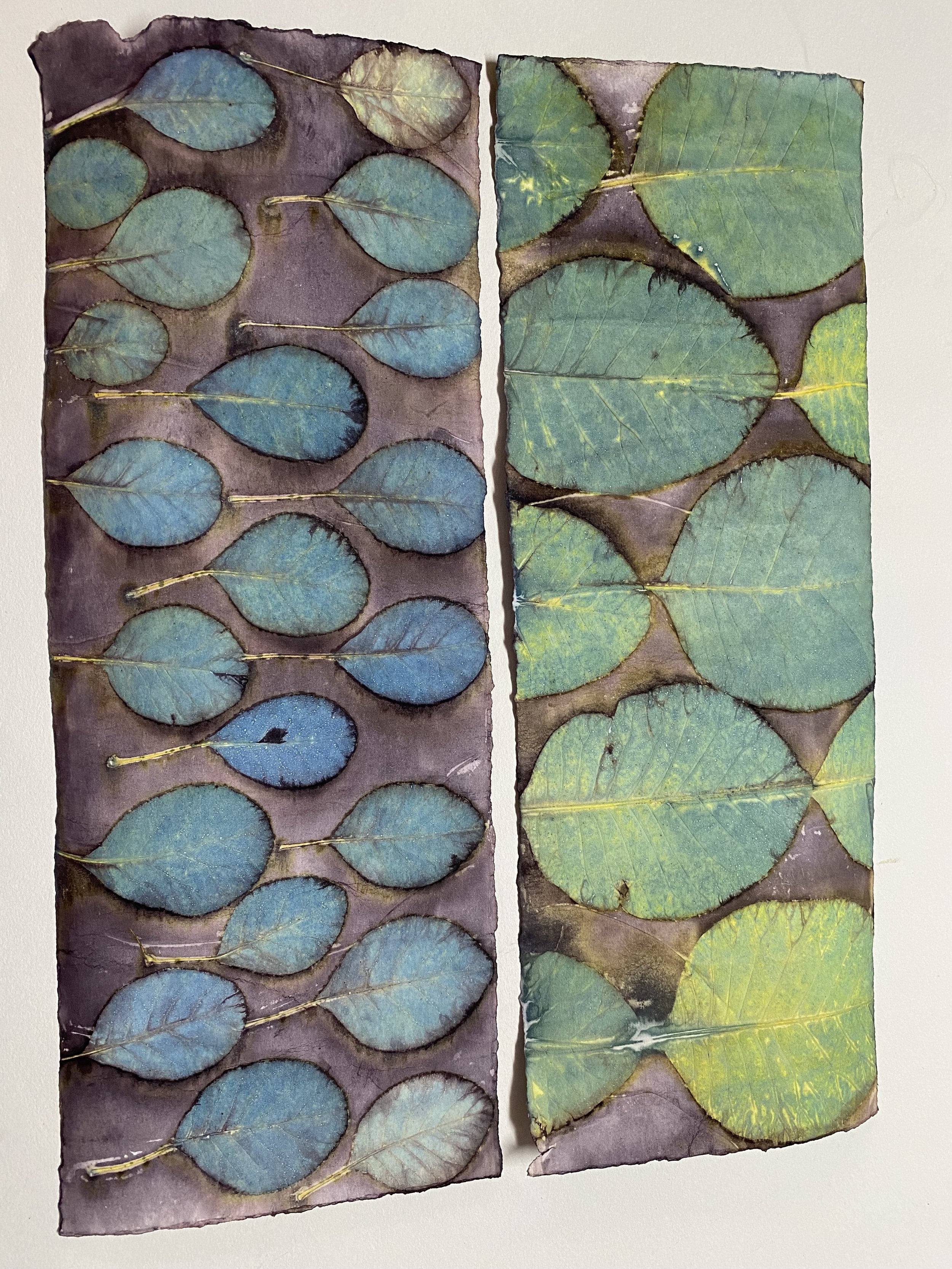
Cotinus with Elisabeth Viguie Culshaw - Thursday 8 April 2027 - BOTANICAL PRINTING
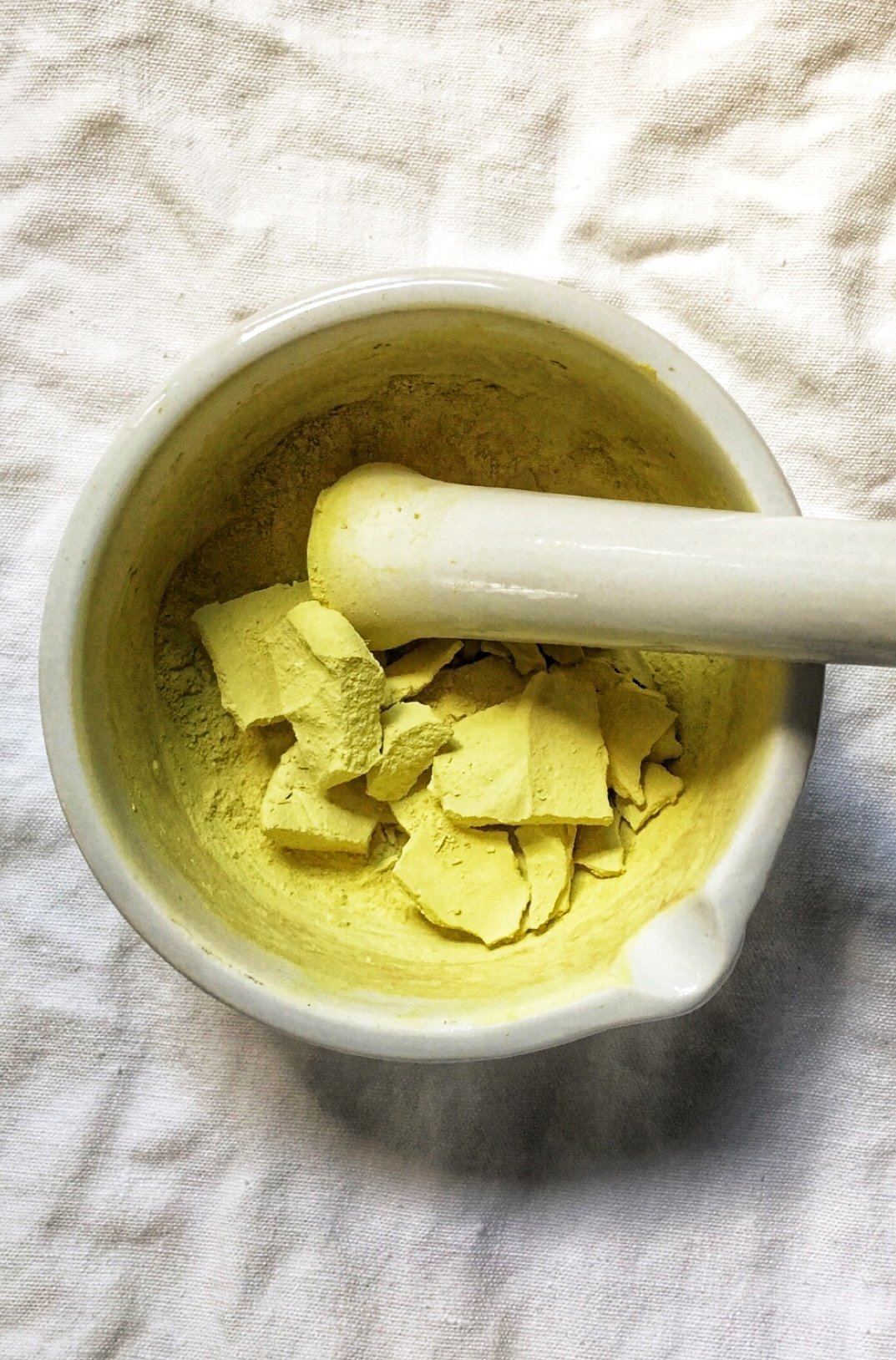
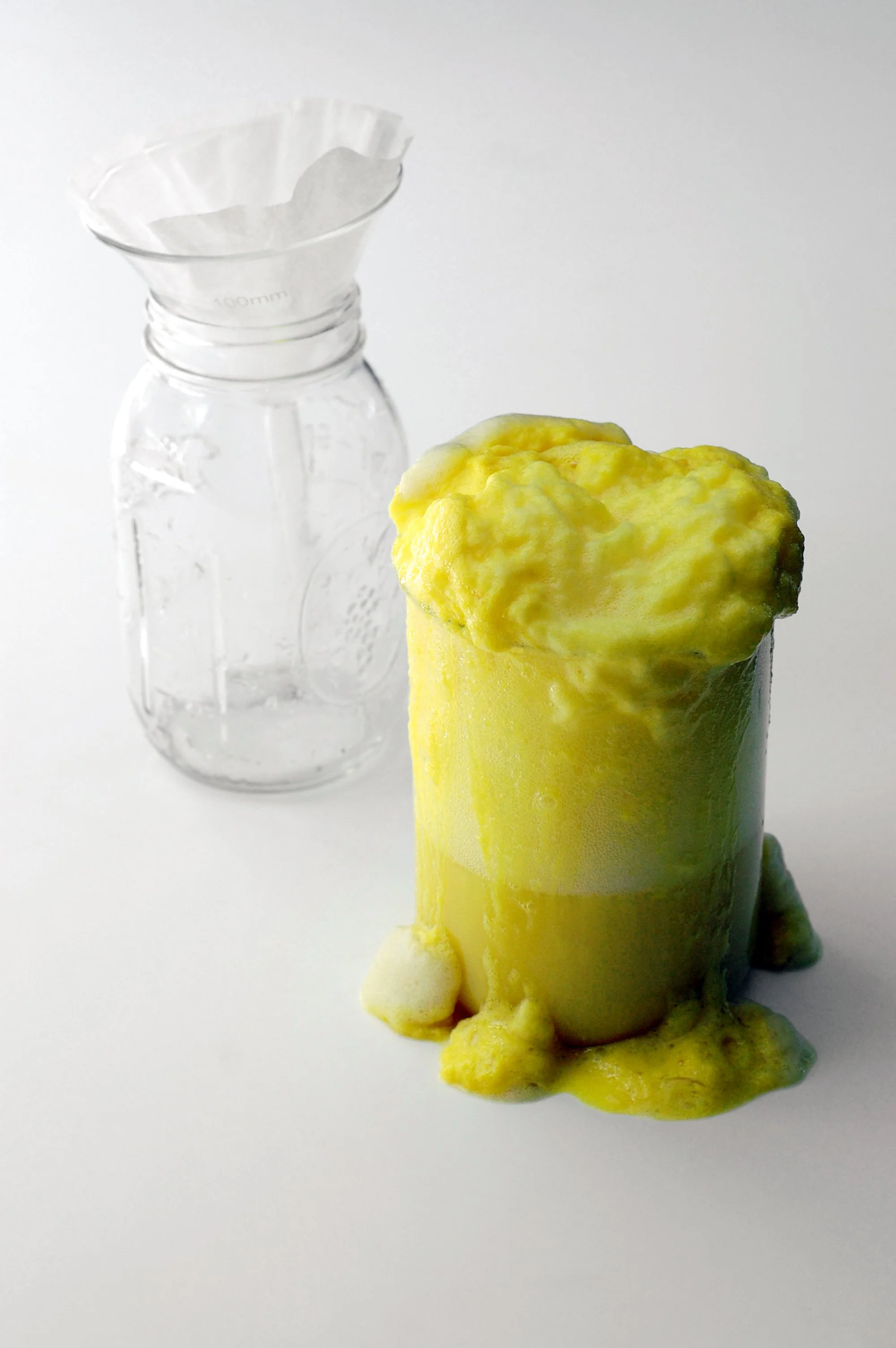
Weld with Natalie Stopka - Thursday 13 May 2027 - LAKE PIGMENT
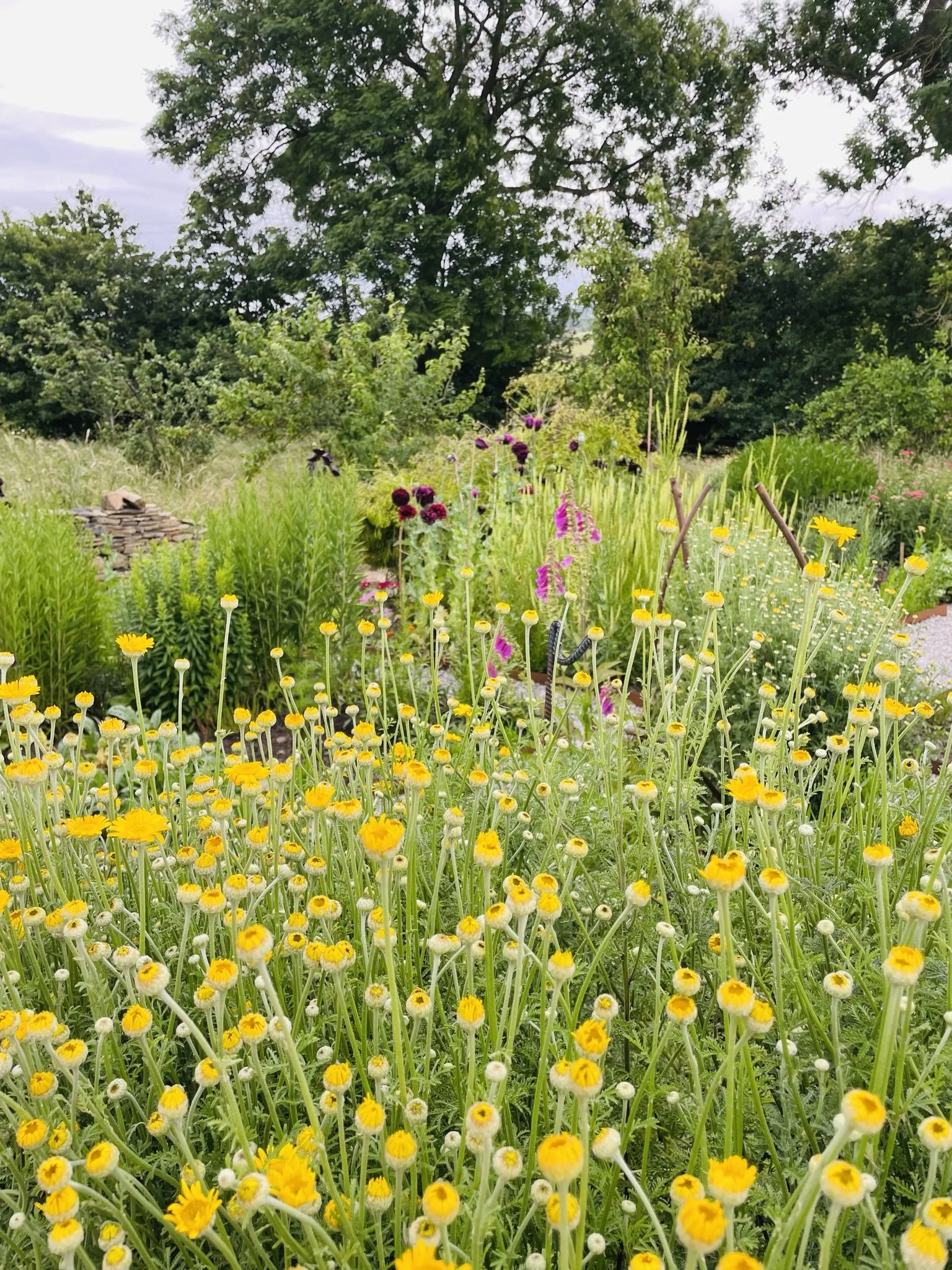
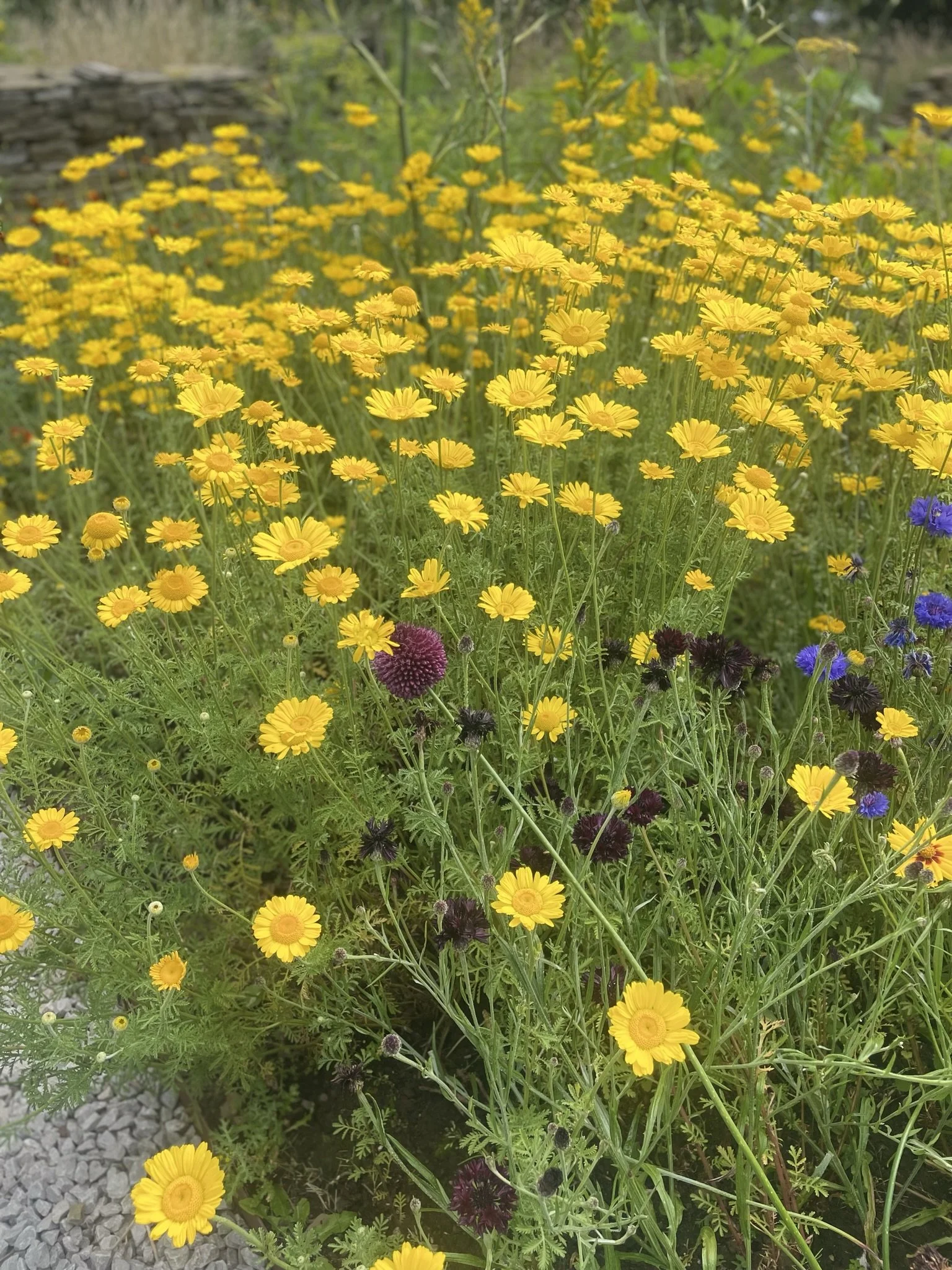
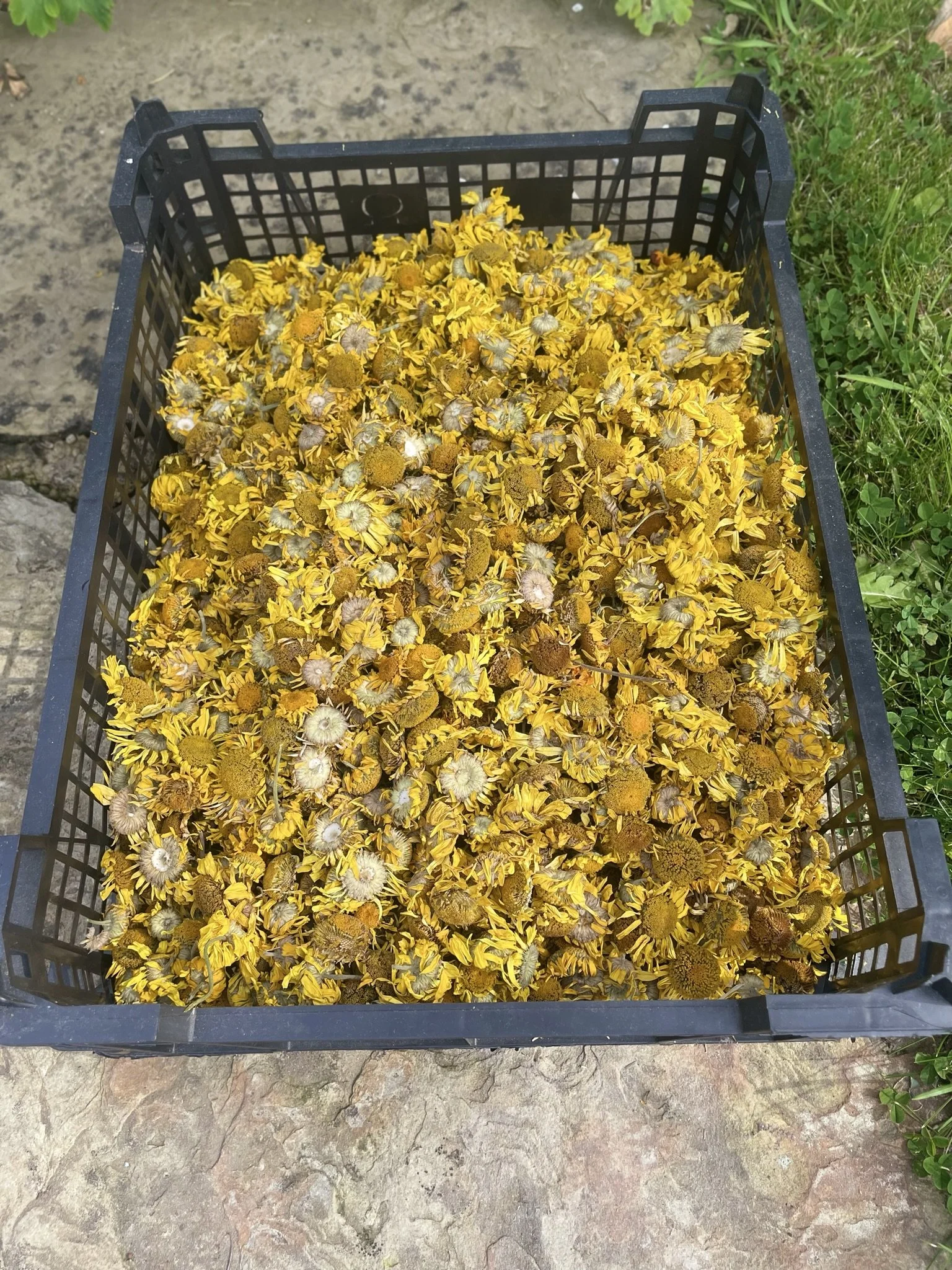
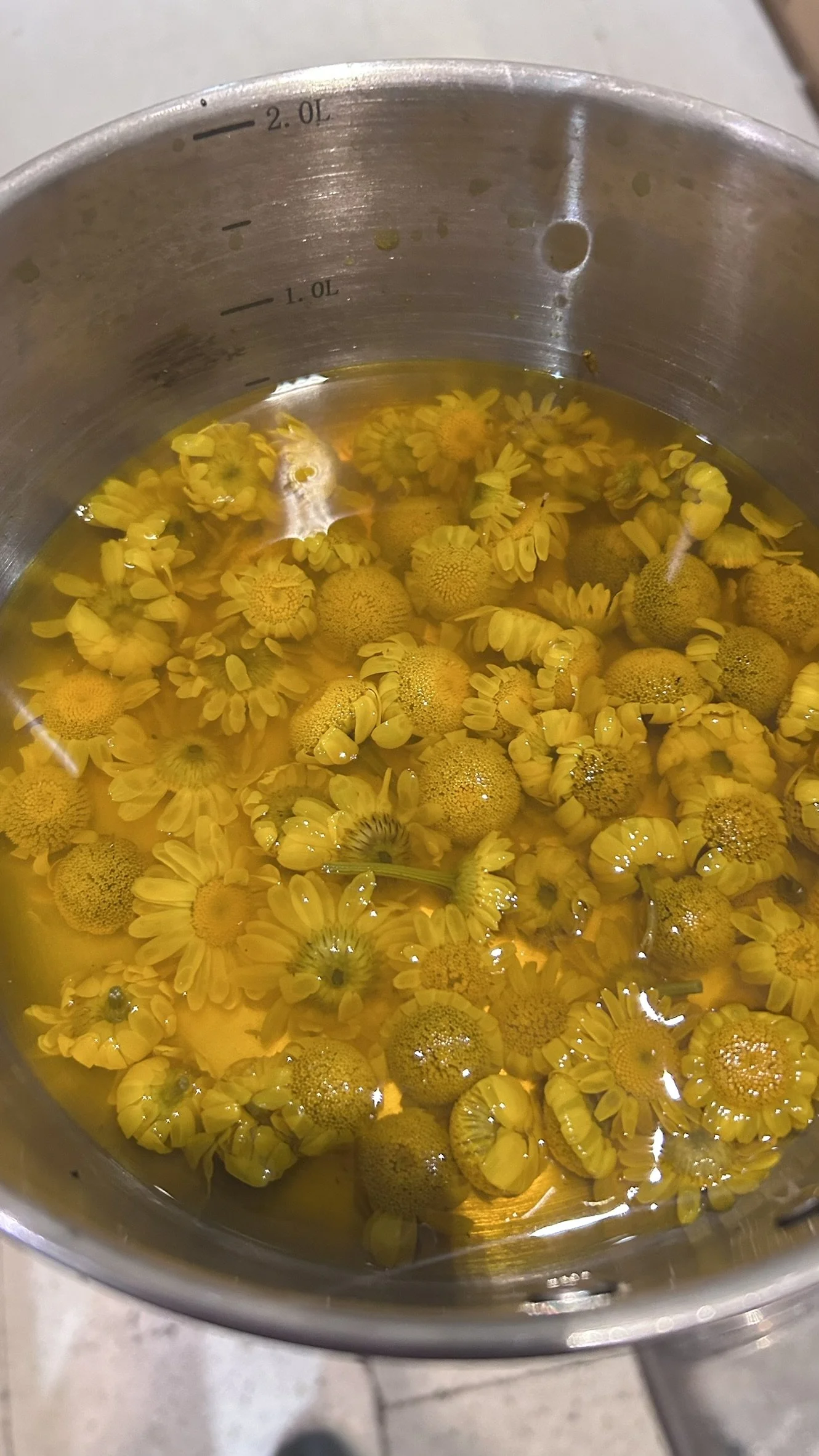
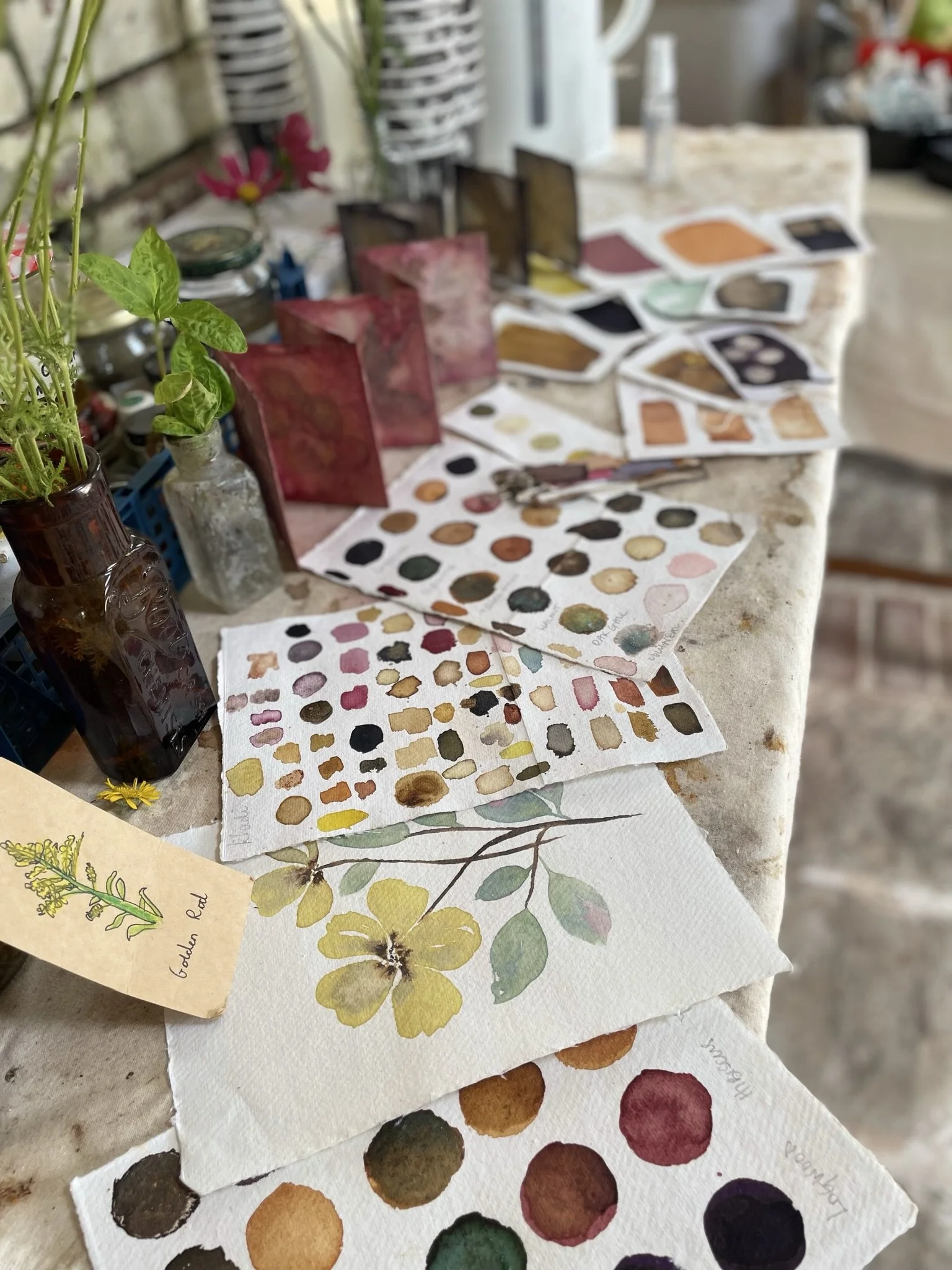
Dyer's Chamomile with Isobel Denton -Thursday 10 June 2027 - WATERCOLOUR
Turnsole with Annie Hogg - Thursday 8 July 2027 - DYE
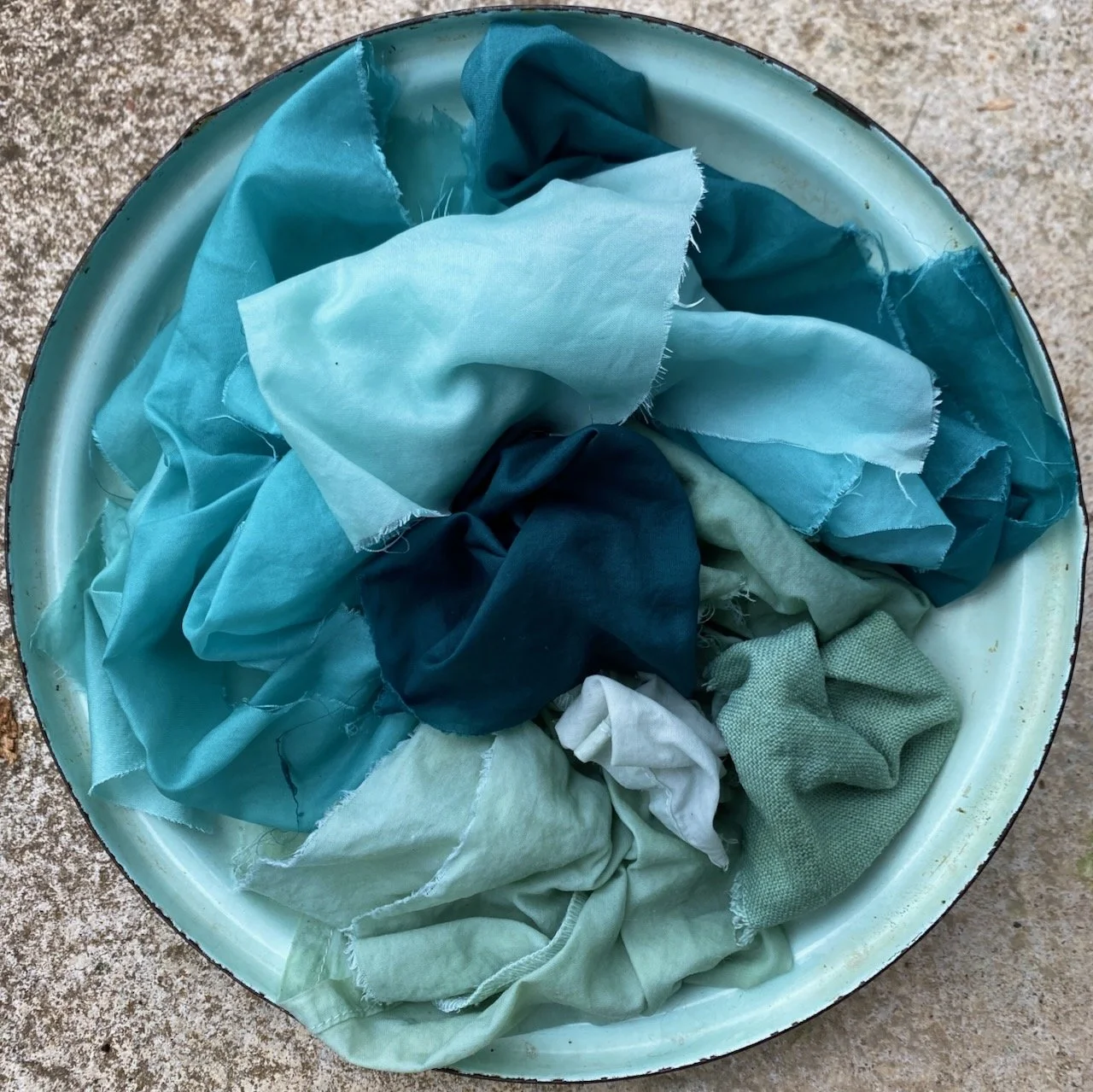
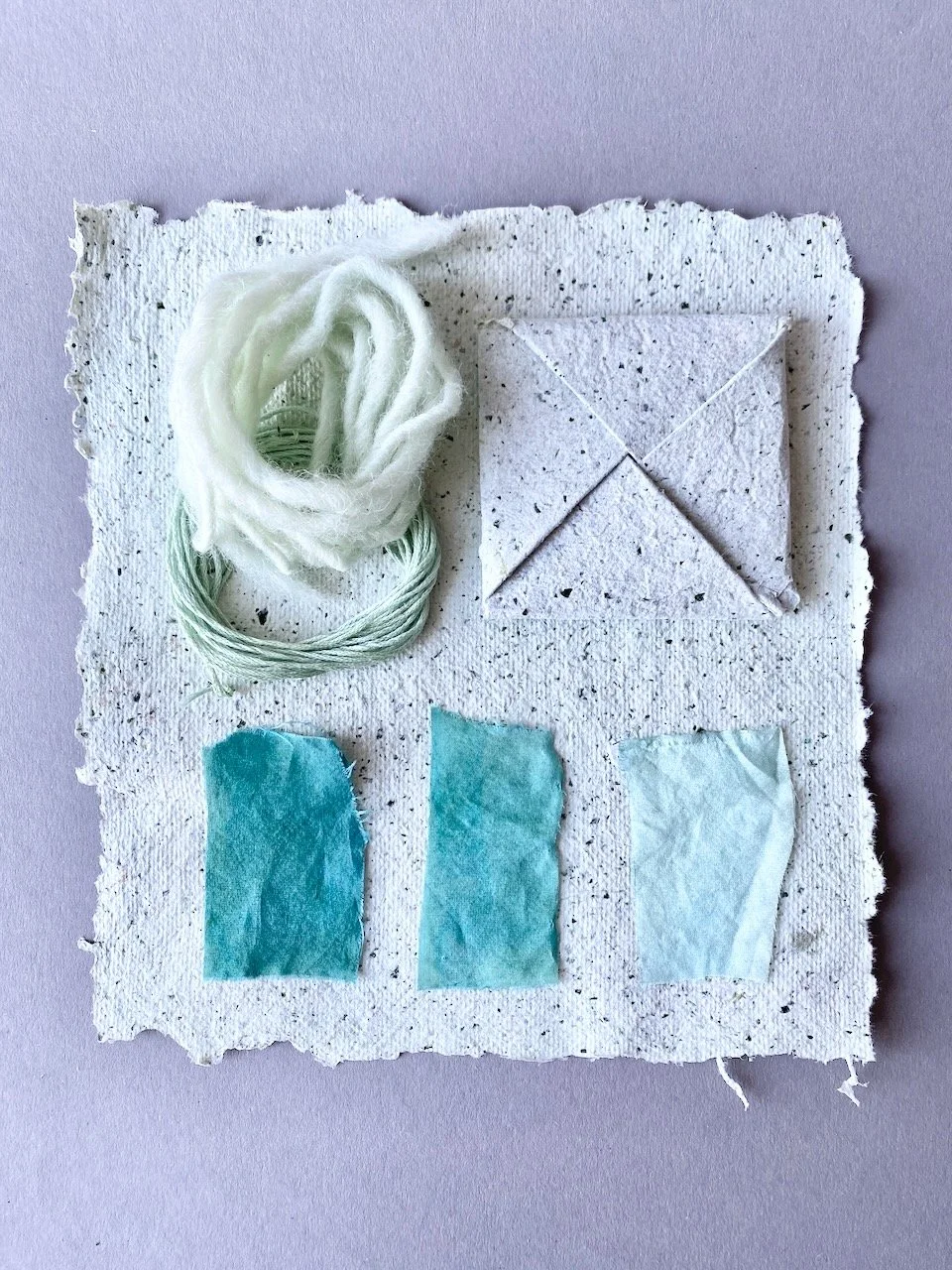
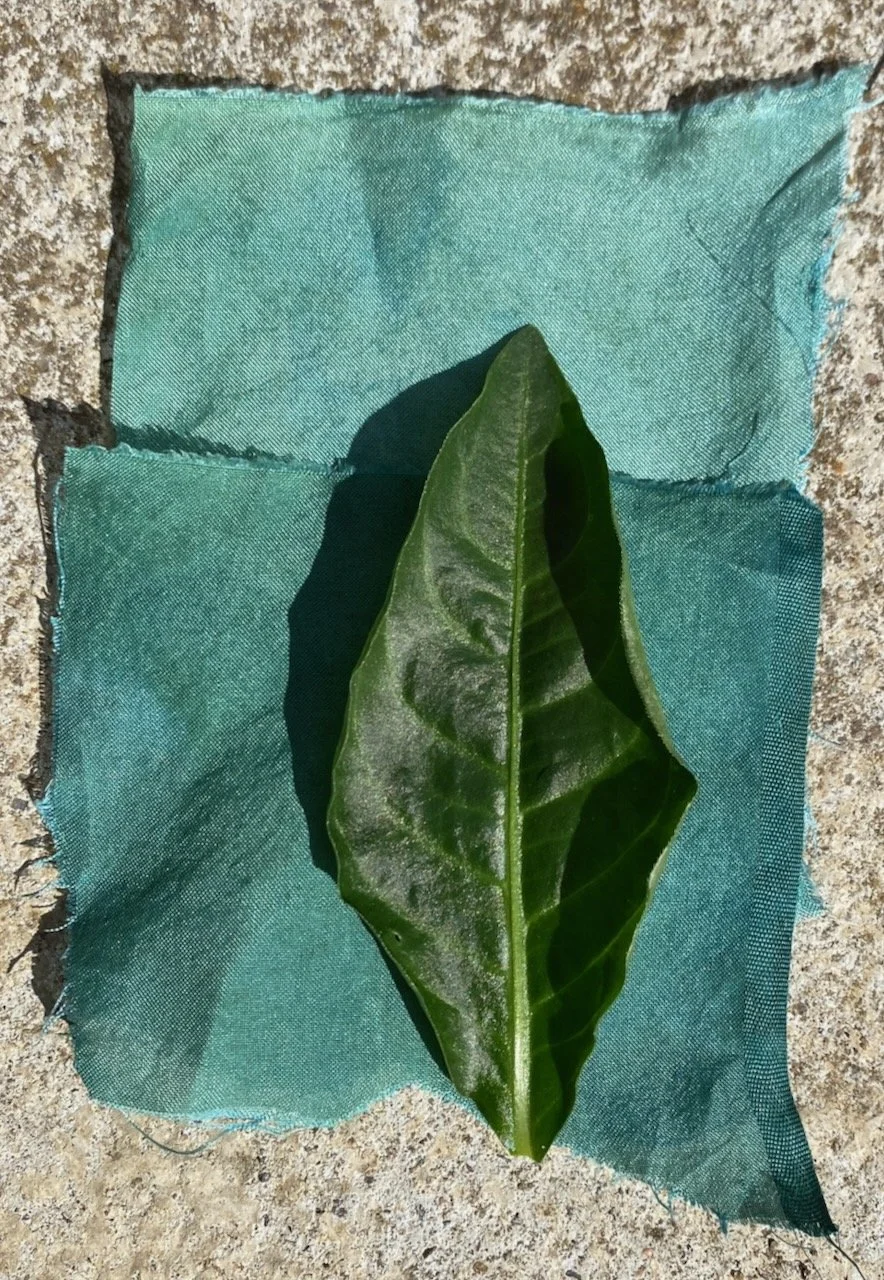
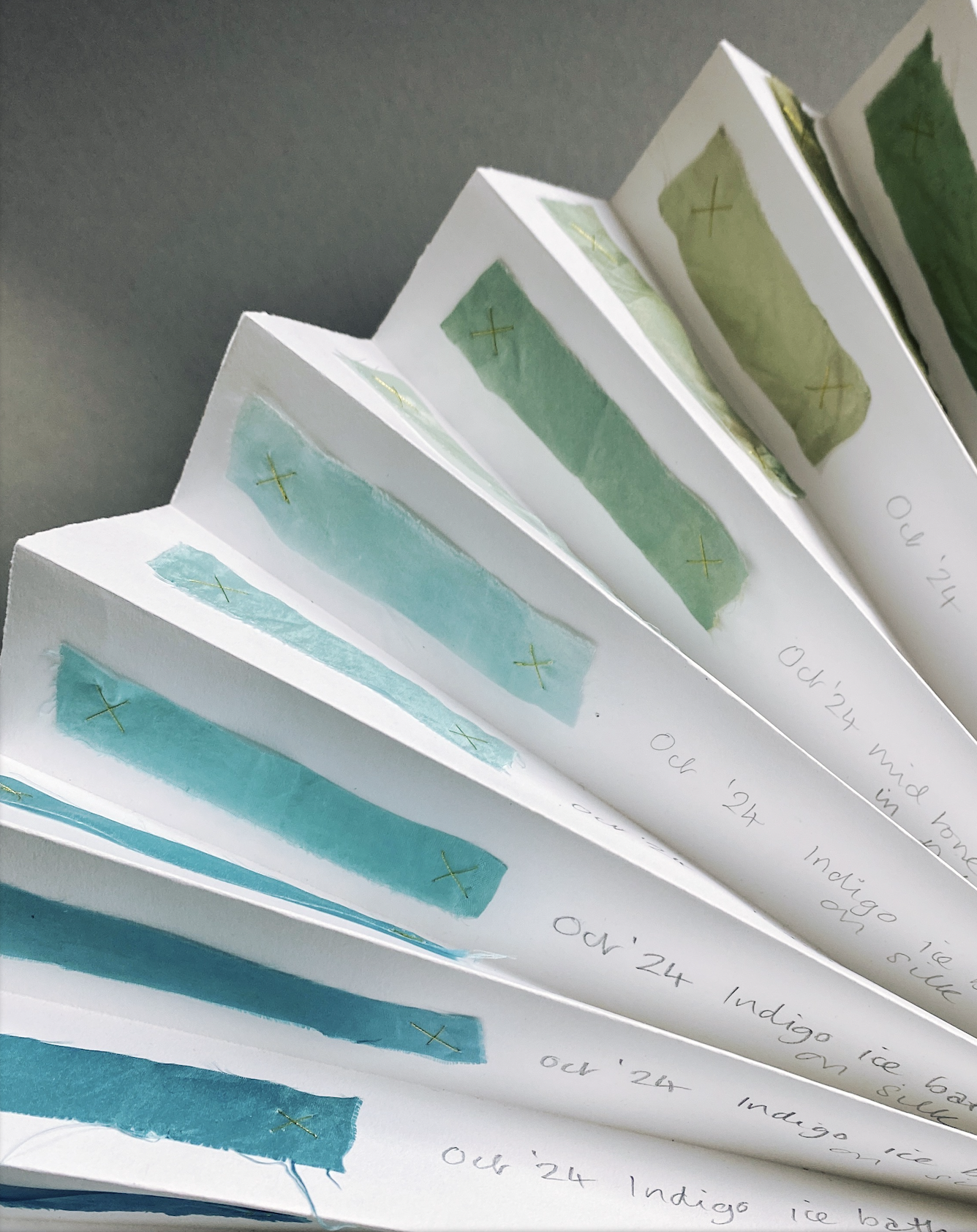
Japanese Indigo with Sarah Grace Dye - Thursday 12 August 2027 - PIGMENT, PAPER, FIBRE
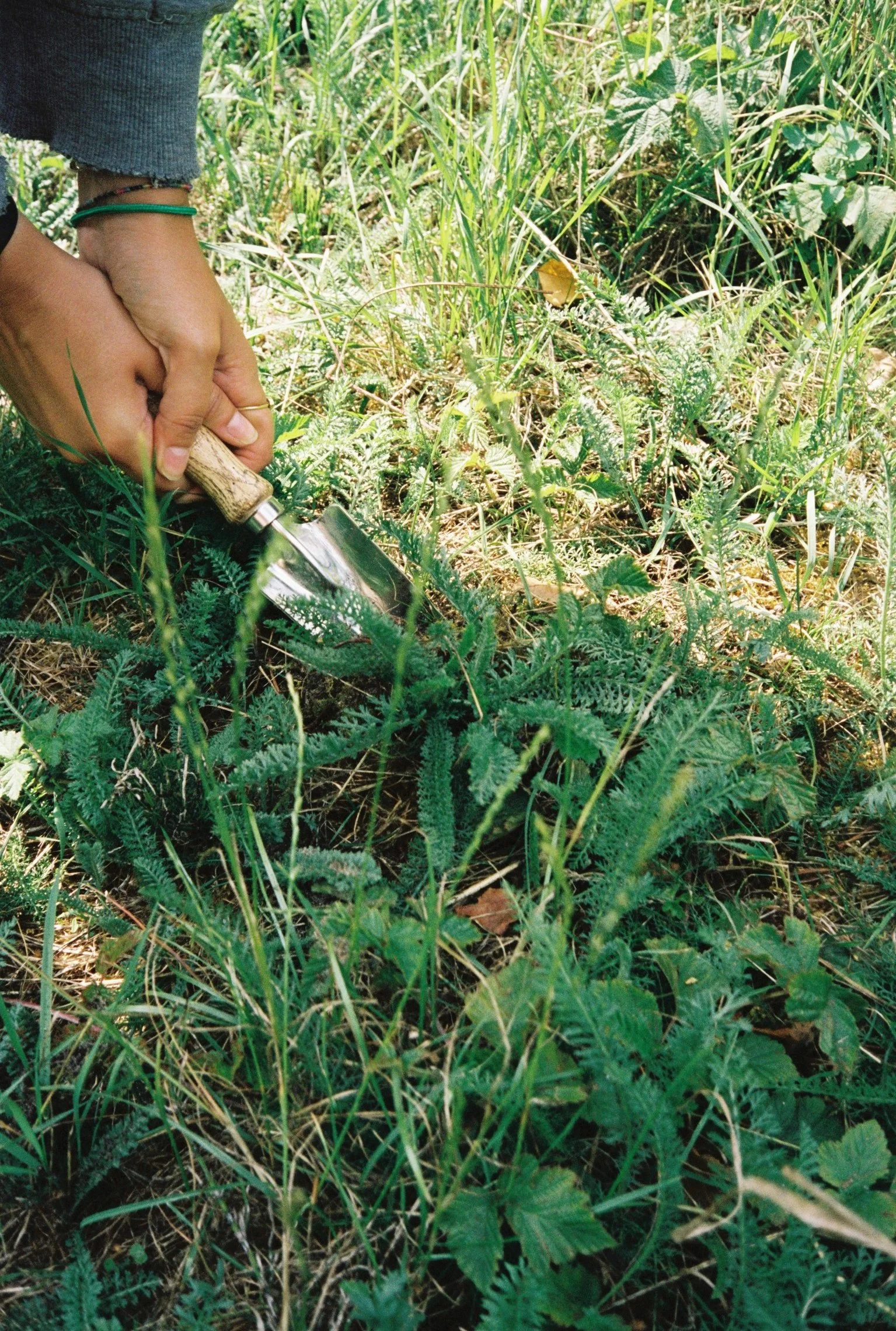
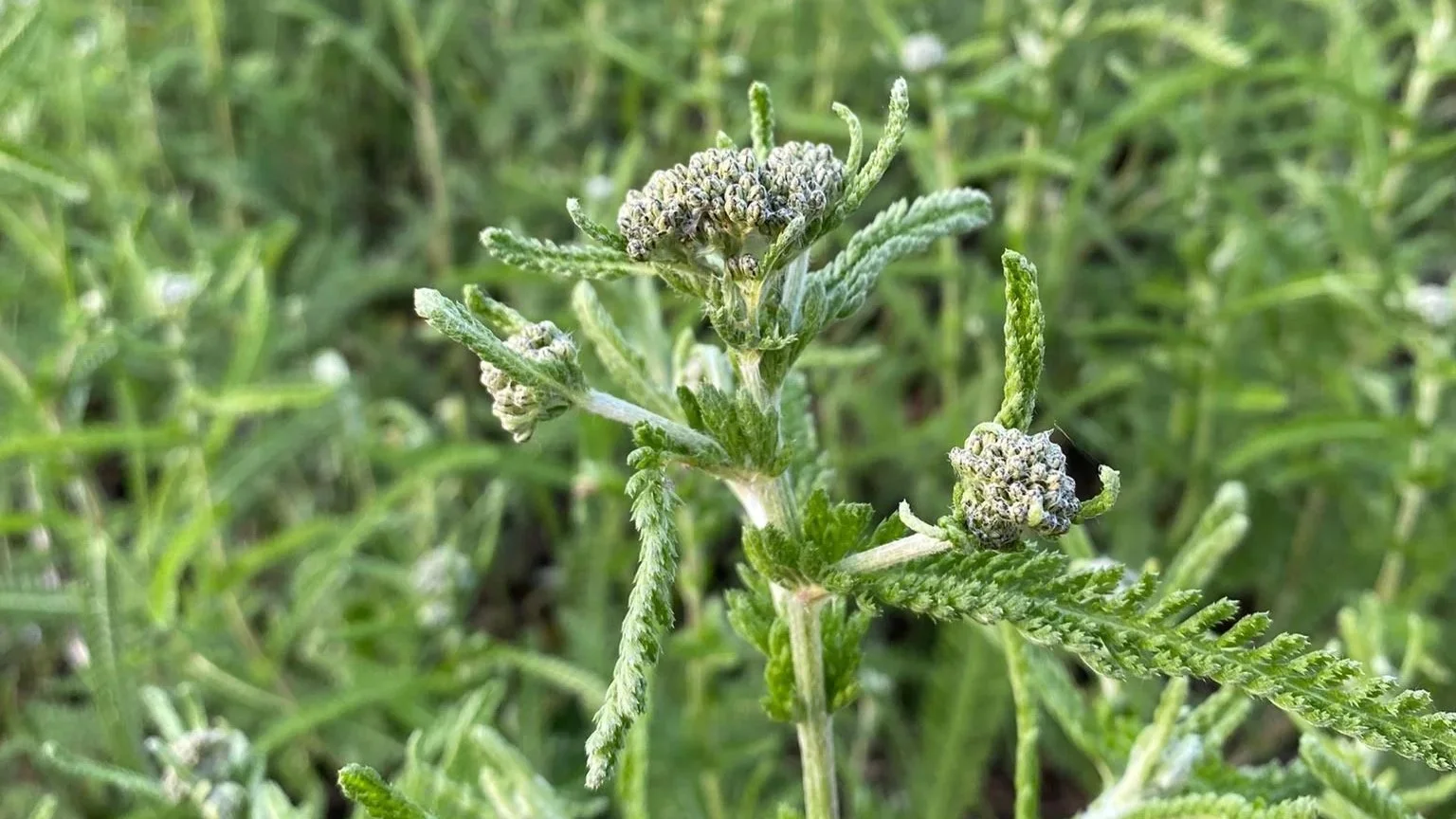
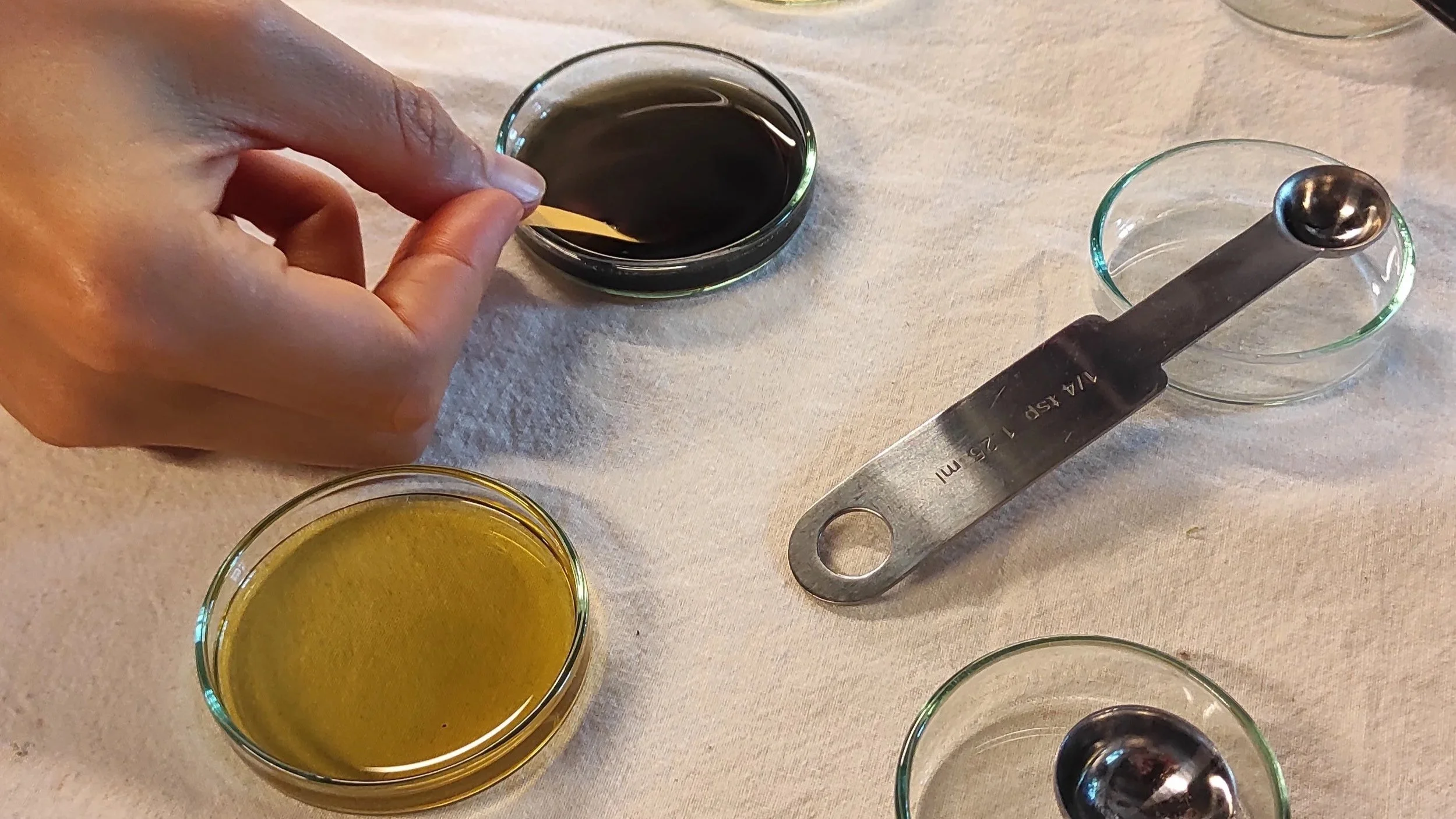
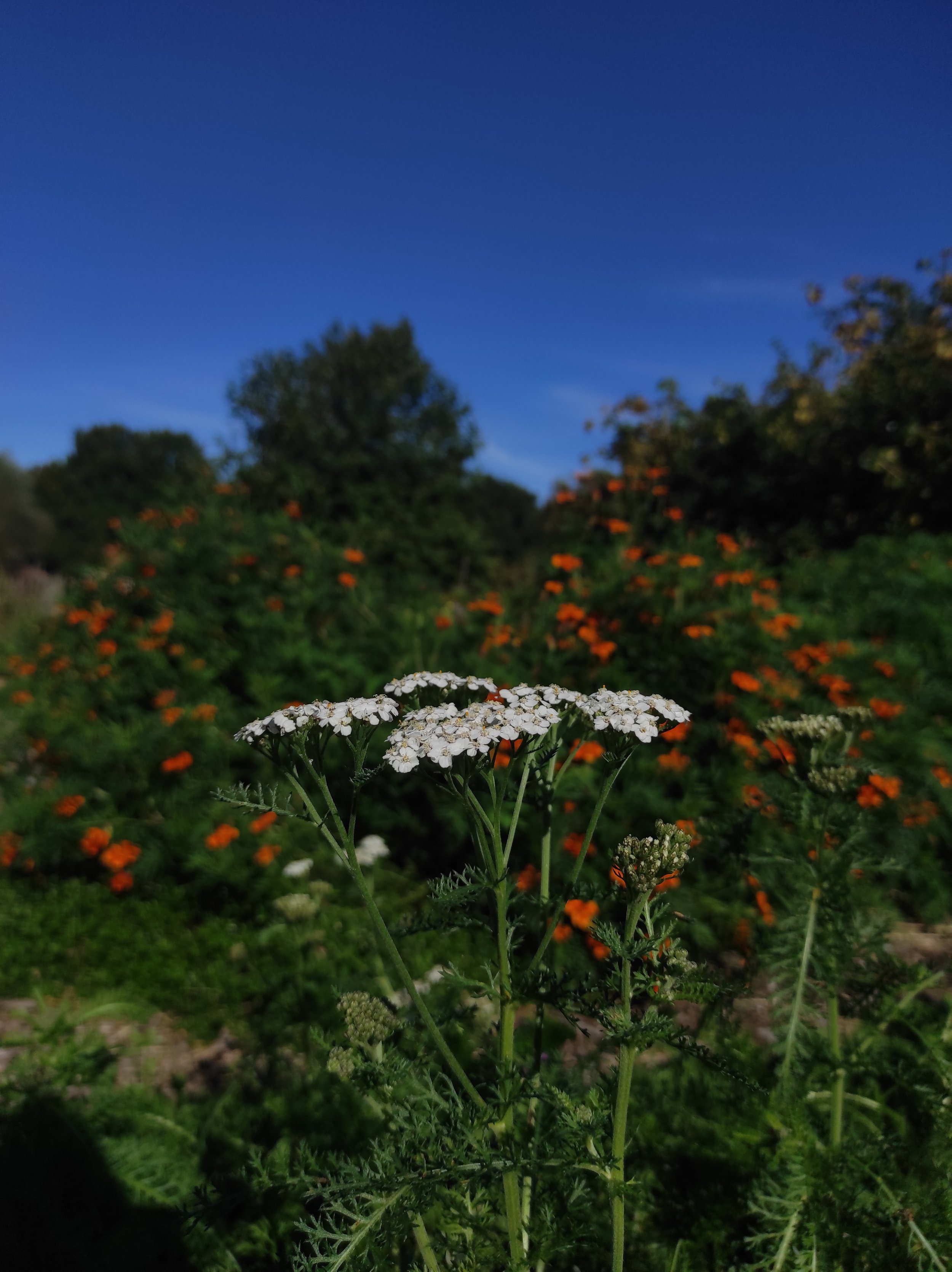
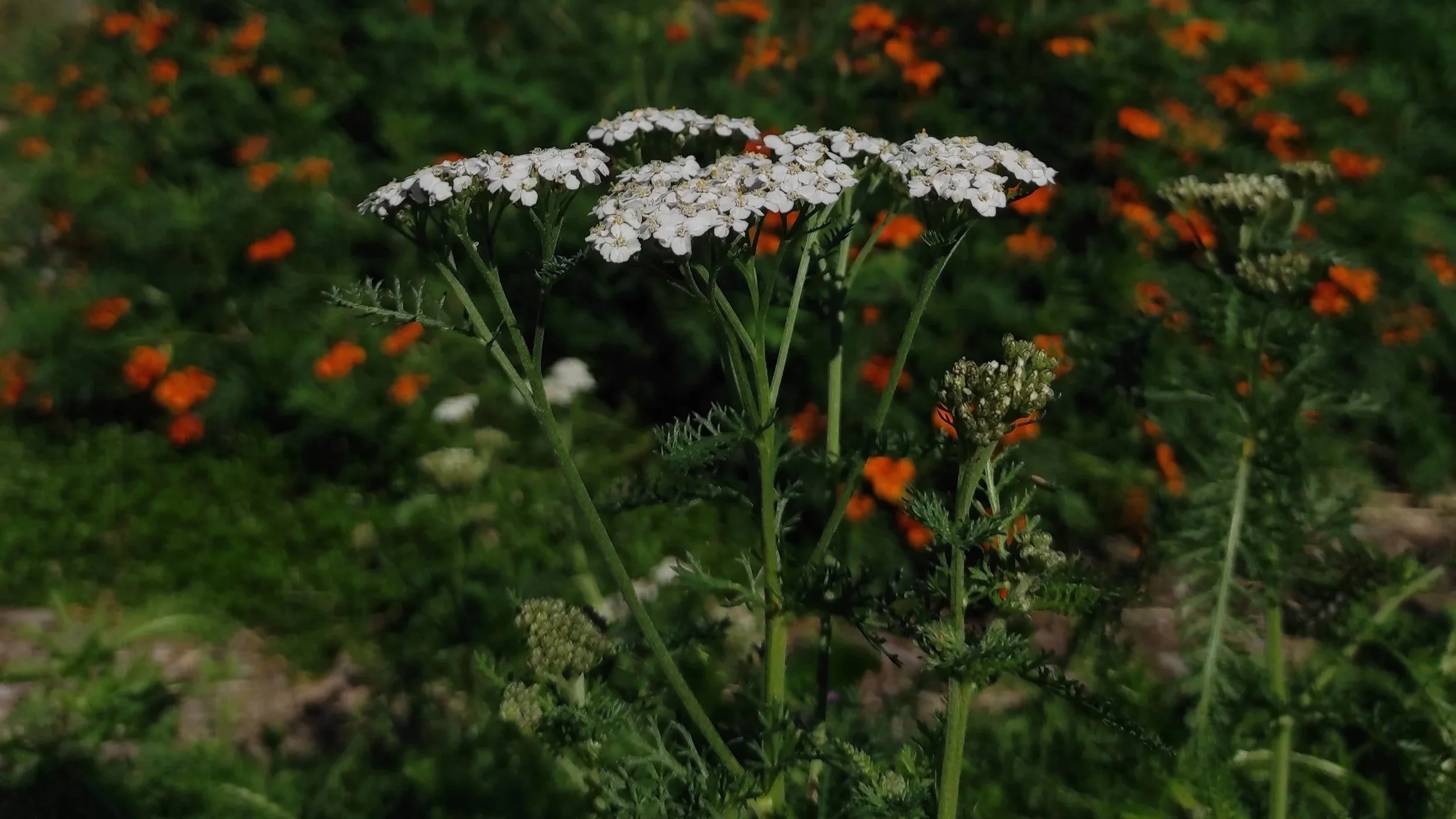
Yarrow with Greta Facchinato - Thursday 9 September 2027 - INK
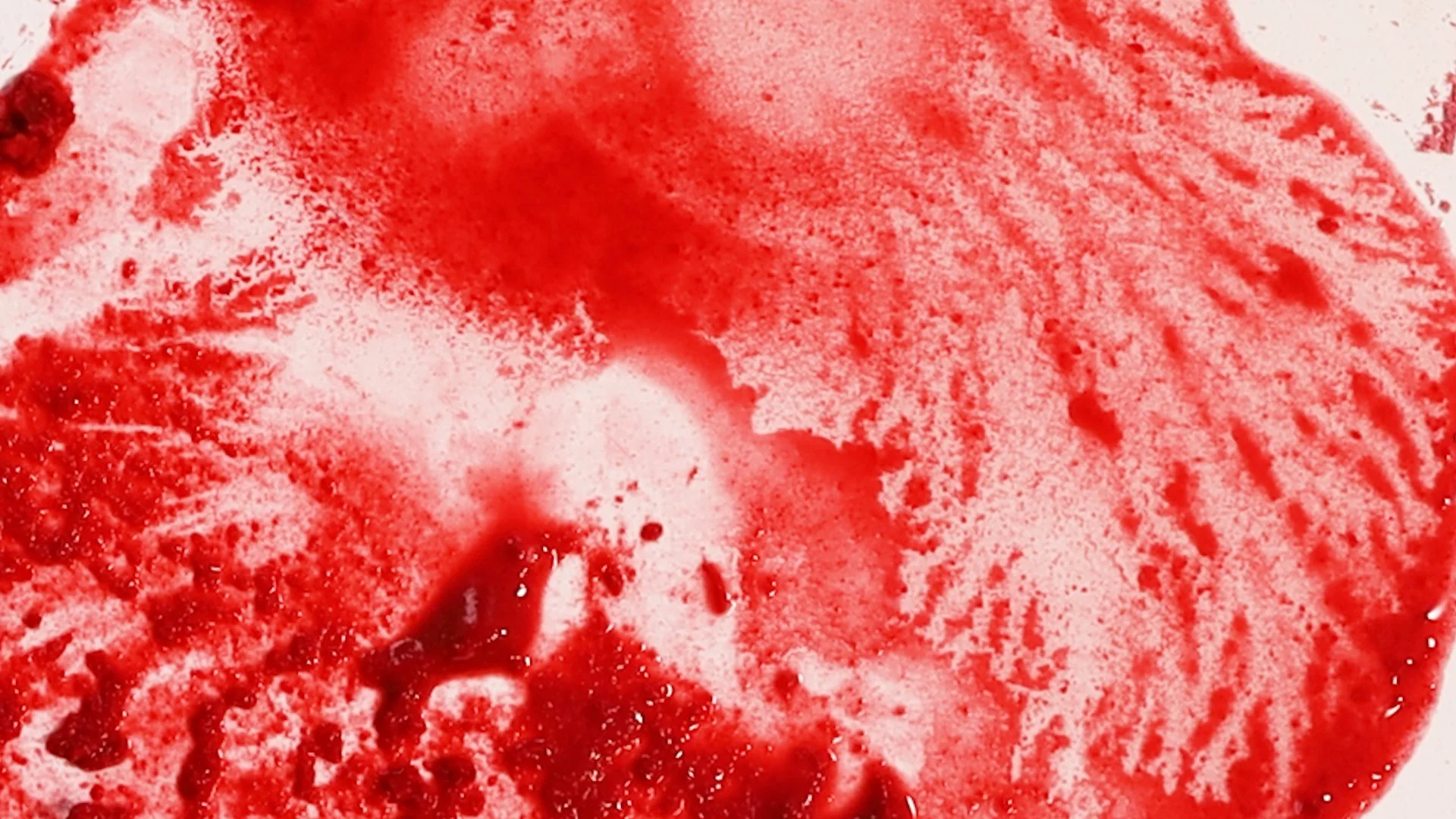
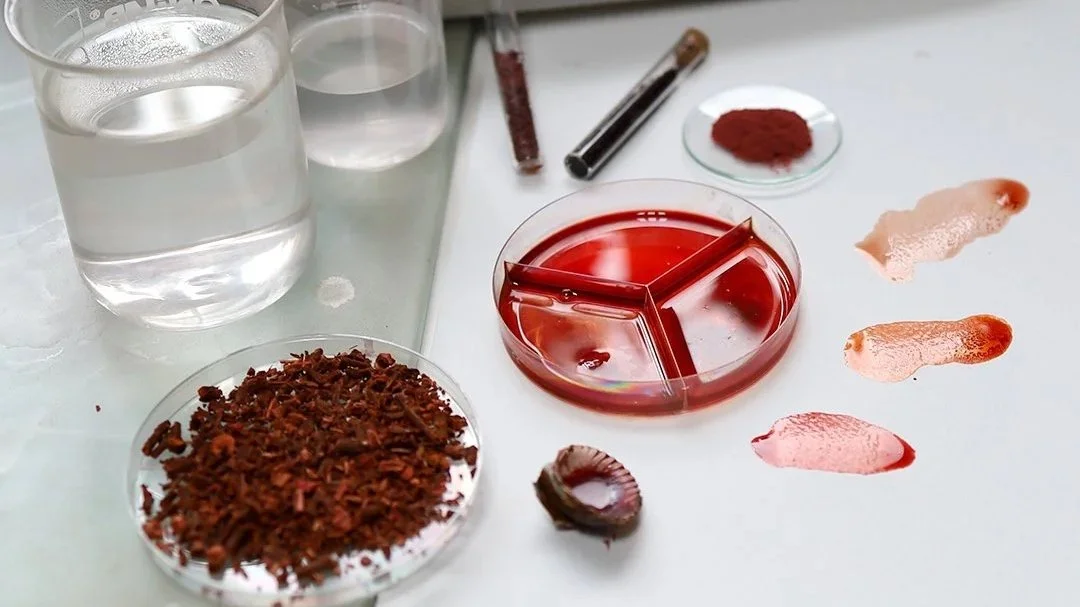
Madder with Lucy Mayes - Thursday 14 October 2027 - DYE & PIGMENT
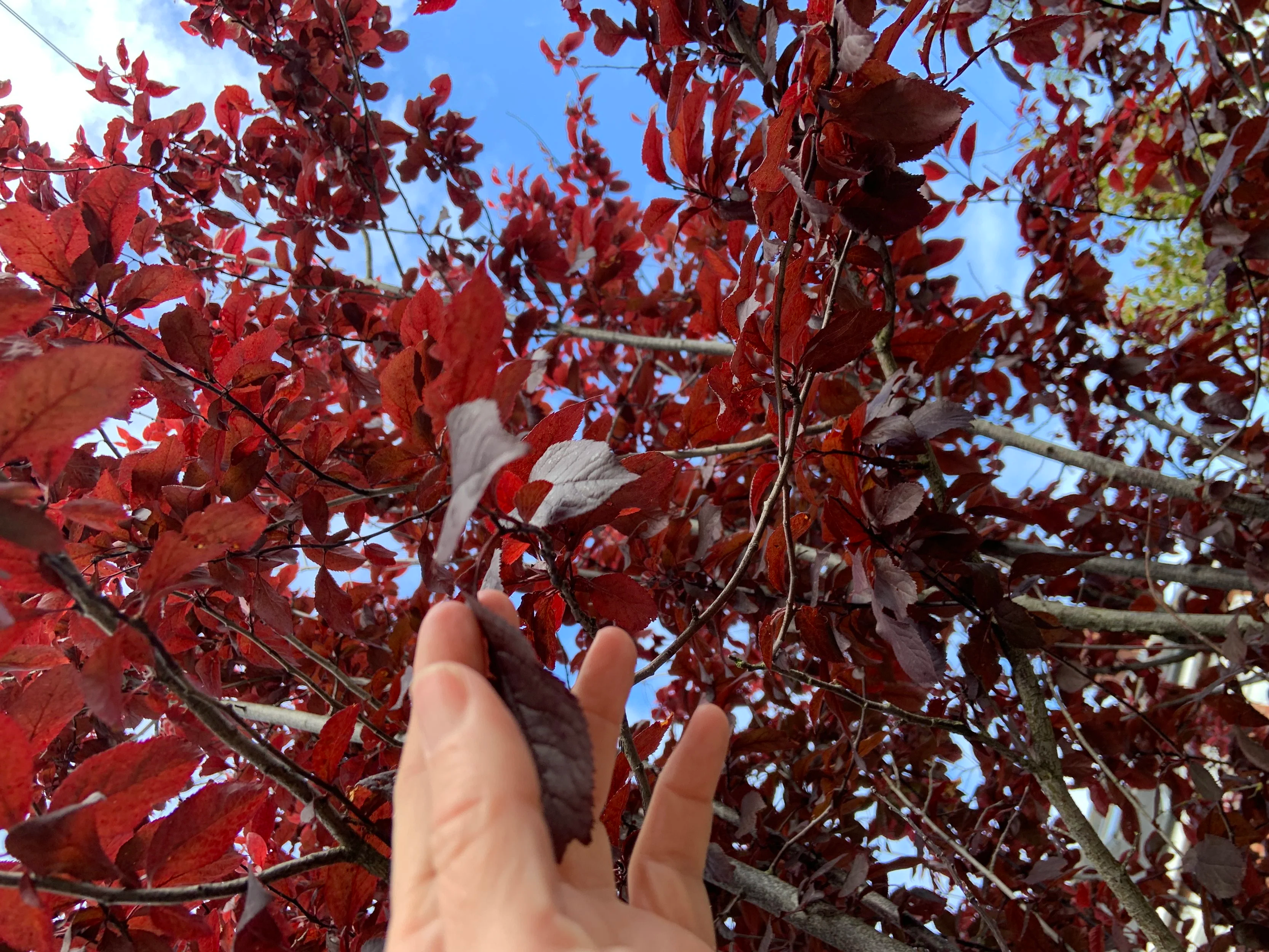
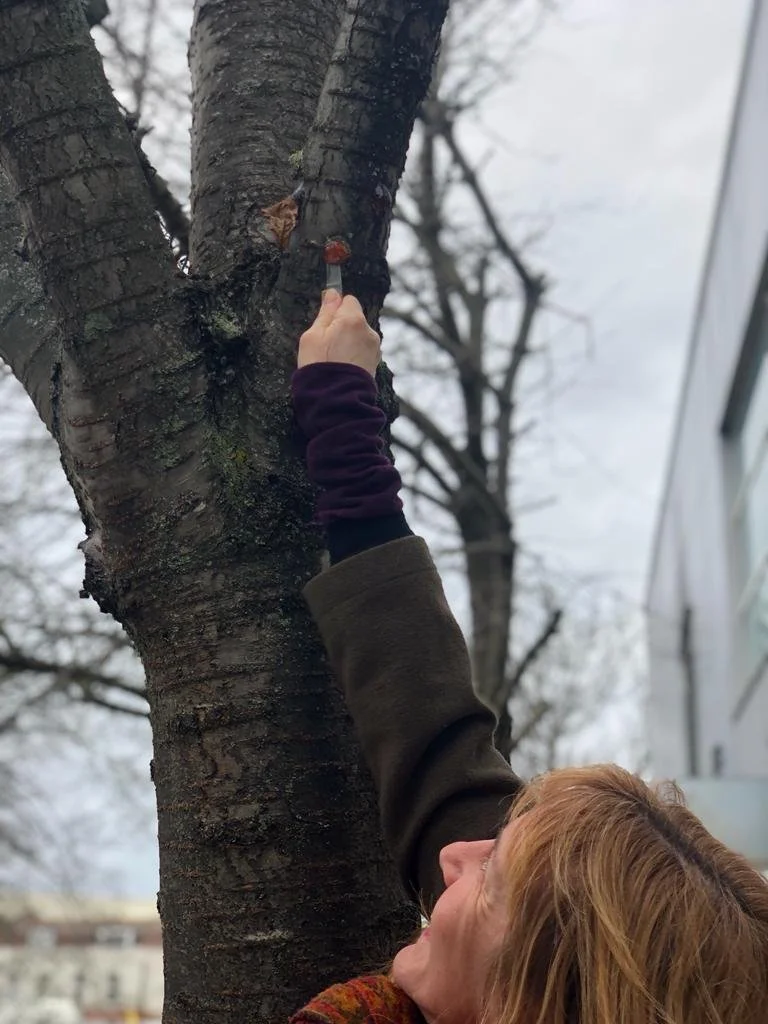
Cherry with Caroline Ross - Thursday 11 November 2027 - PIGMENT, INK & BINDER
There is a ten minute break after each talk
Group Sharing & Discussion (60-90 minutes)
The talks are followed by an open space for emergent discussion and conversation. Connect with a global community of artists exploring plants for colour and art materials. Members are invited to share questions, explorations, and work in process or completed, offering feedback and responses to each-other’s work. This is supported by ongoing conversation and photo sharing online.
Closing Session – Thursday 2nd December 2027 - 6-8.10pm GMT
You can join live or watch the recordings. Recordings will be available to stream up to one year (Until the end of 2028)
SCHEDULE
-
A two hour session for all the group members to meet and set intentions for the year going forward.
Hosted by Natalie Stopka and Isobel Denton
-
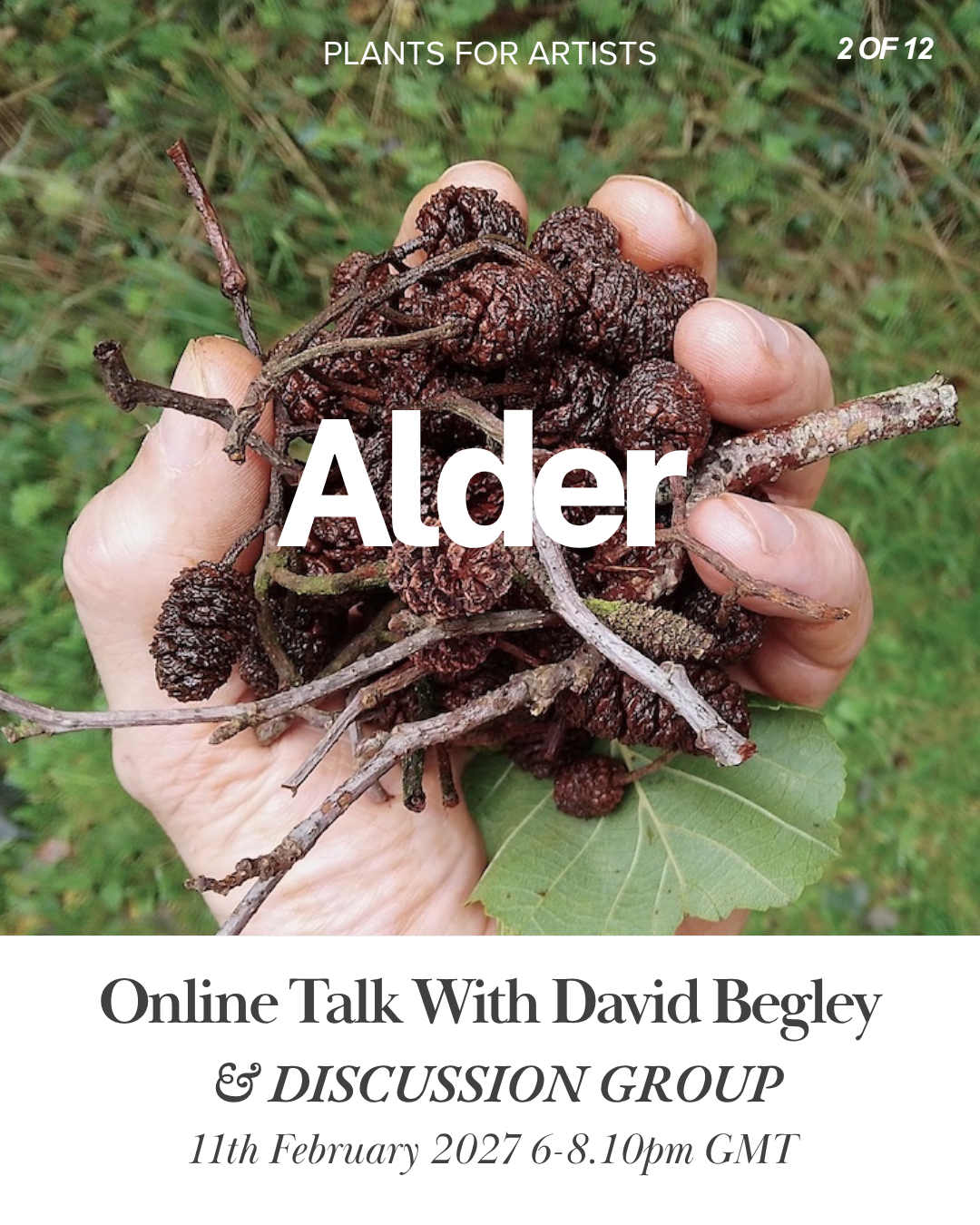
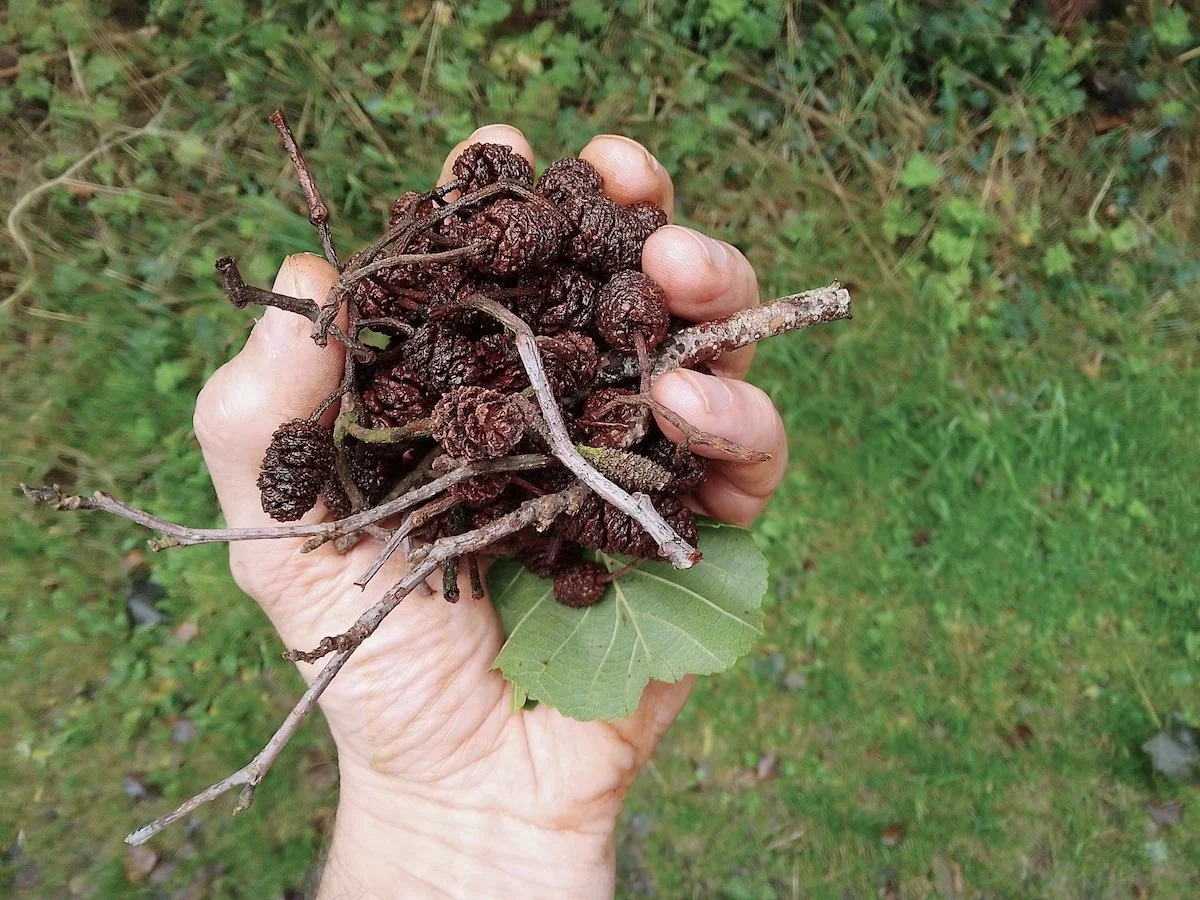
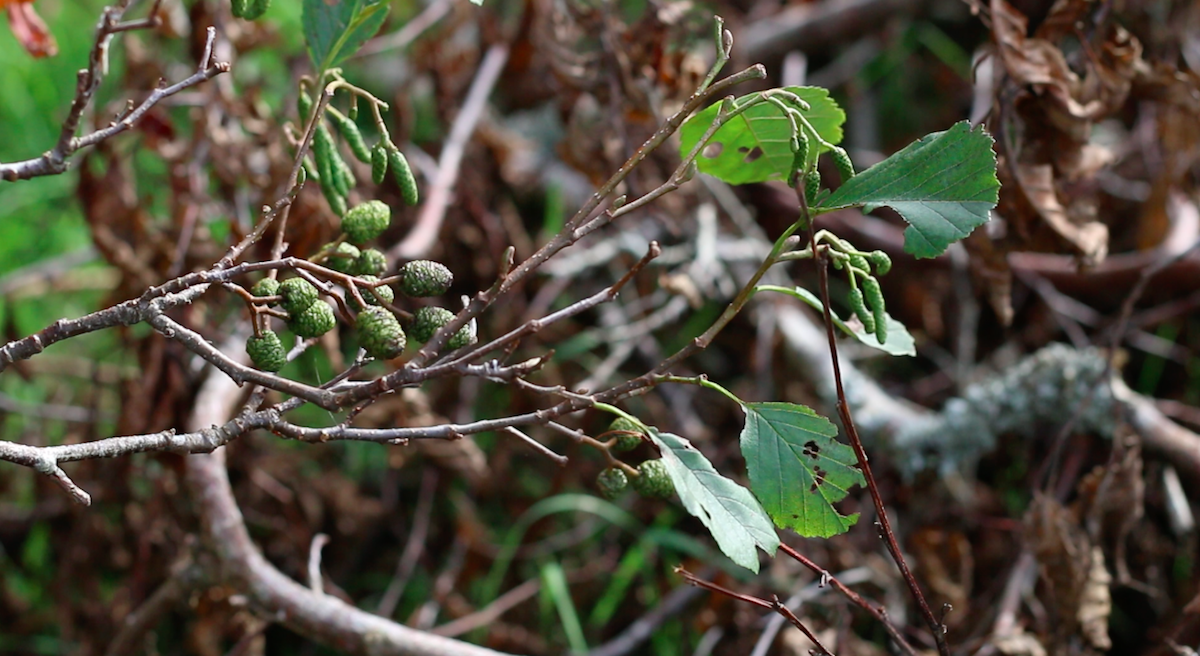
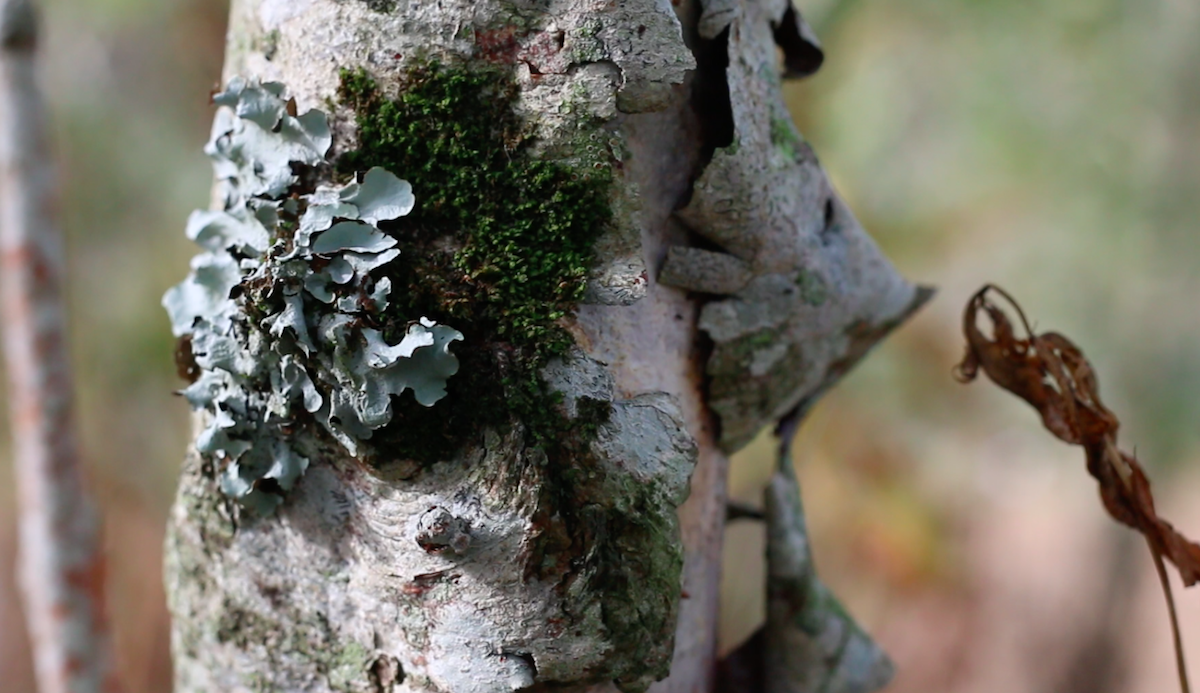
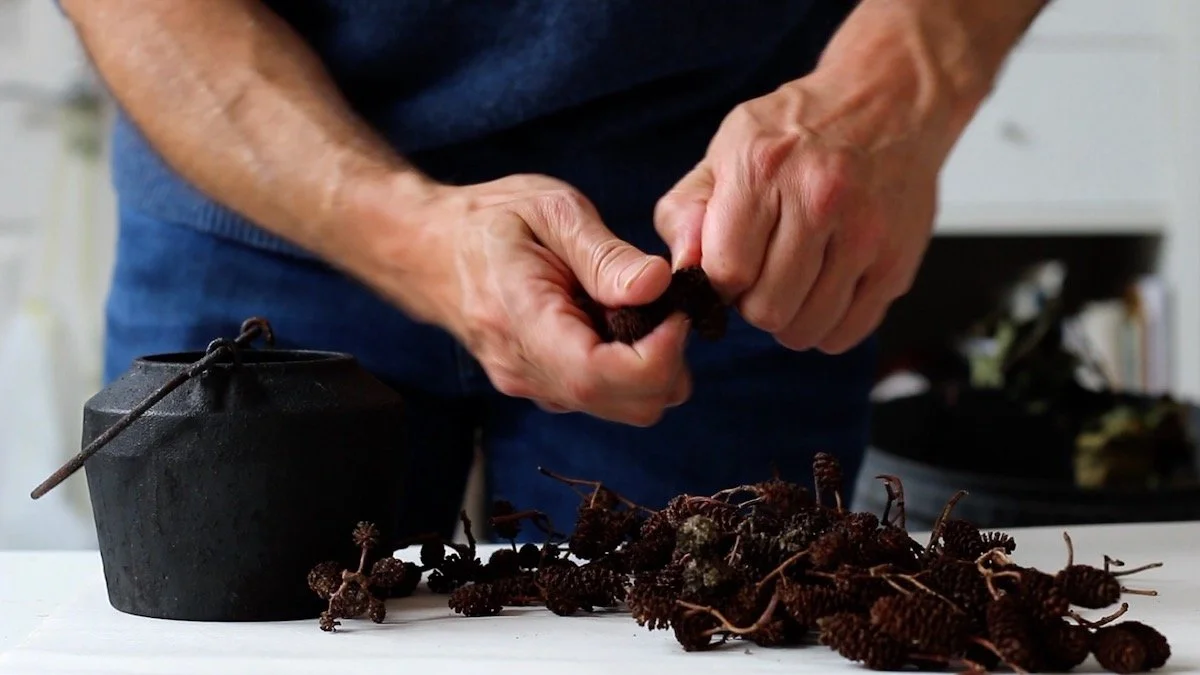
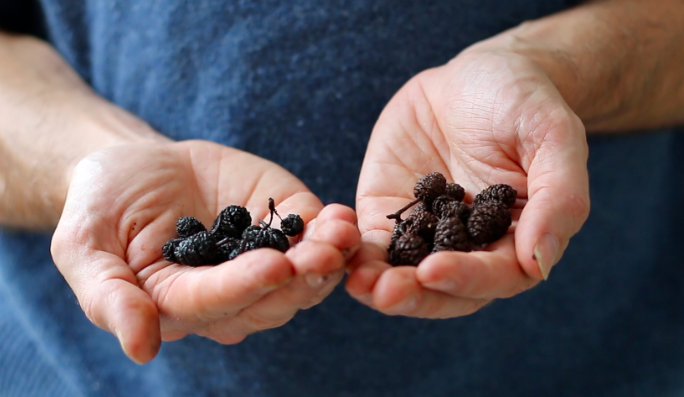
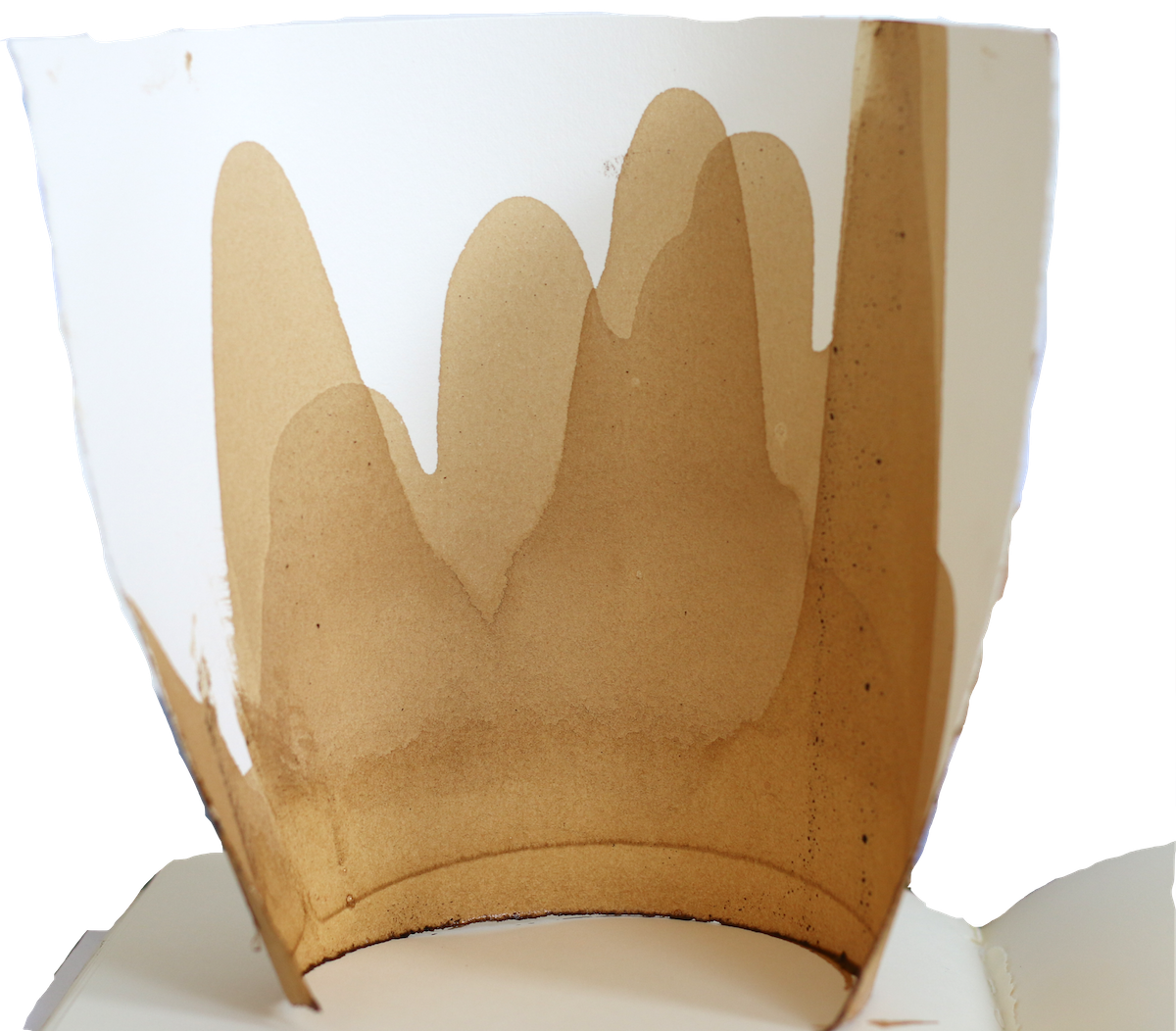
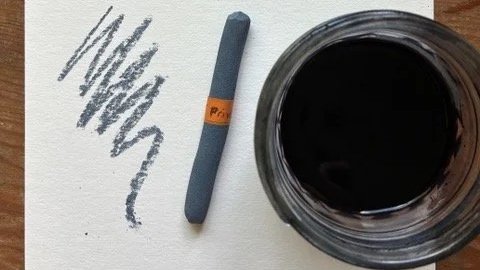
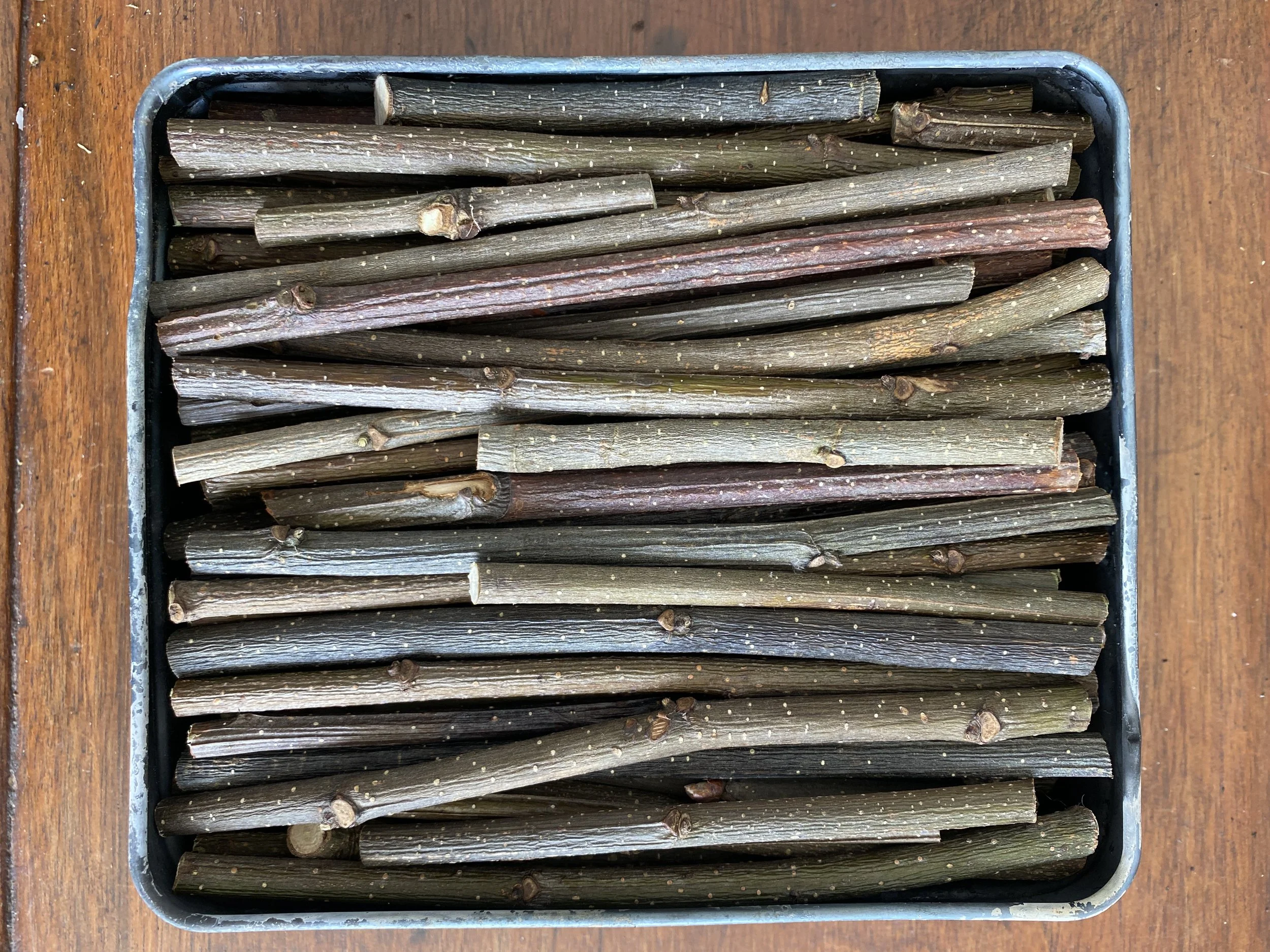
Alder cone yields a rich, transparent, amber colour. When oxidised and combined with metals and modifiers, it is possible to deepen and darken the colour, and increase its opacity. Like oak gall, its tannic acid reacts with iron water to produce a permanent black.
For this workshop David will discuss the versatility of alder cone ink compared to oak gall ink and its ease of preparation. David will demonstrate how to cook alder cones to make a variety of different colour inks; working with different modifiers and equipment to alter the ink and demonstrate painting techniques he’s developed. David will discuss a selection of his works in ink and this will be followed by a discussion.
-
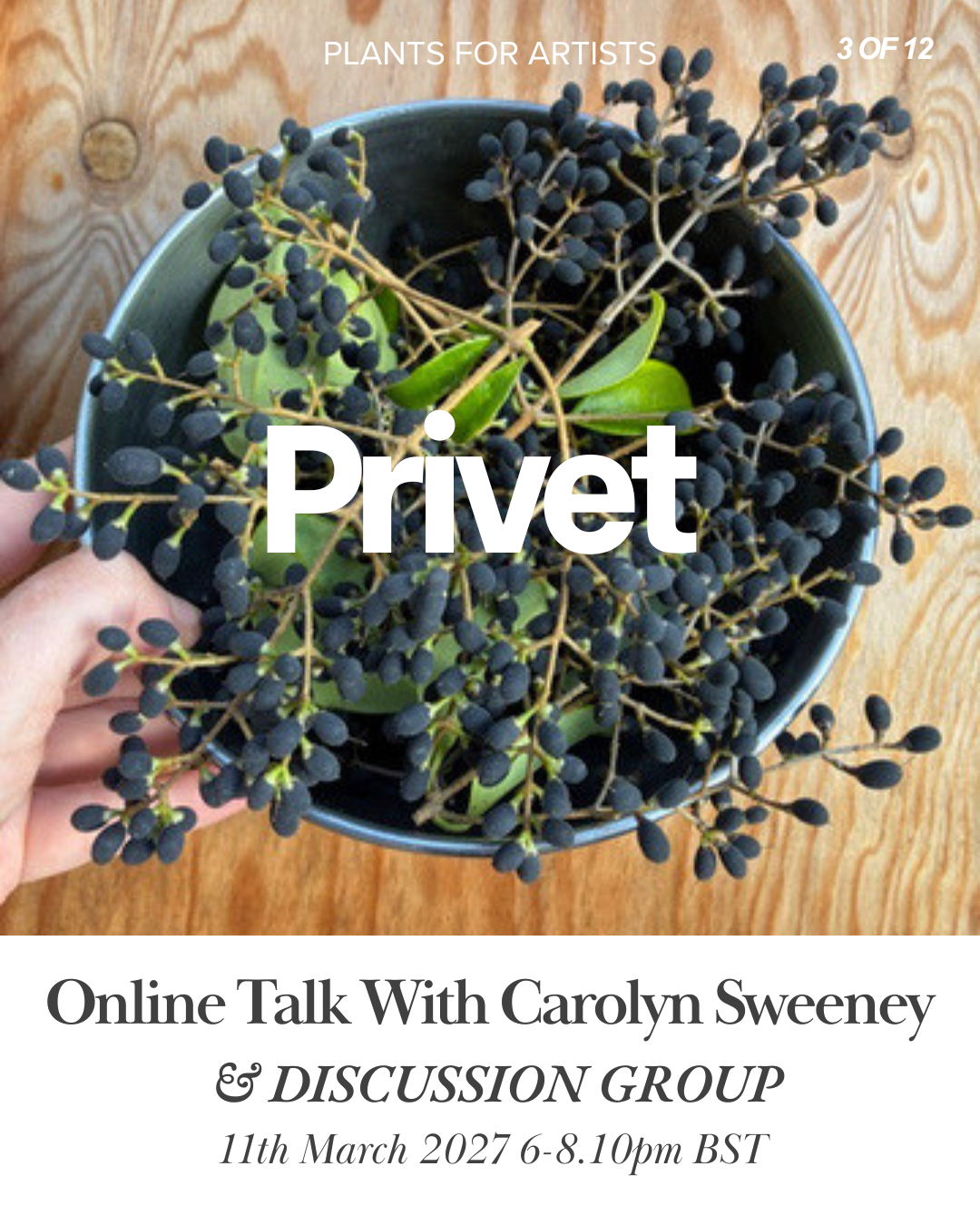
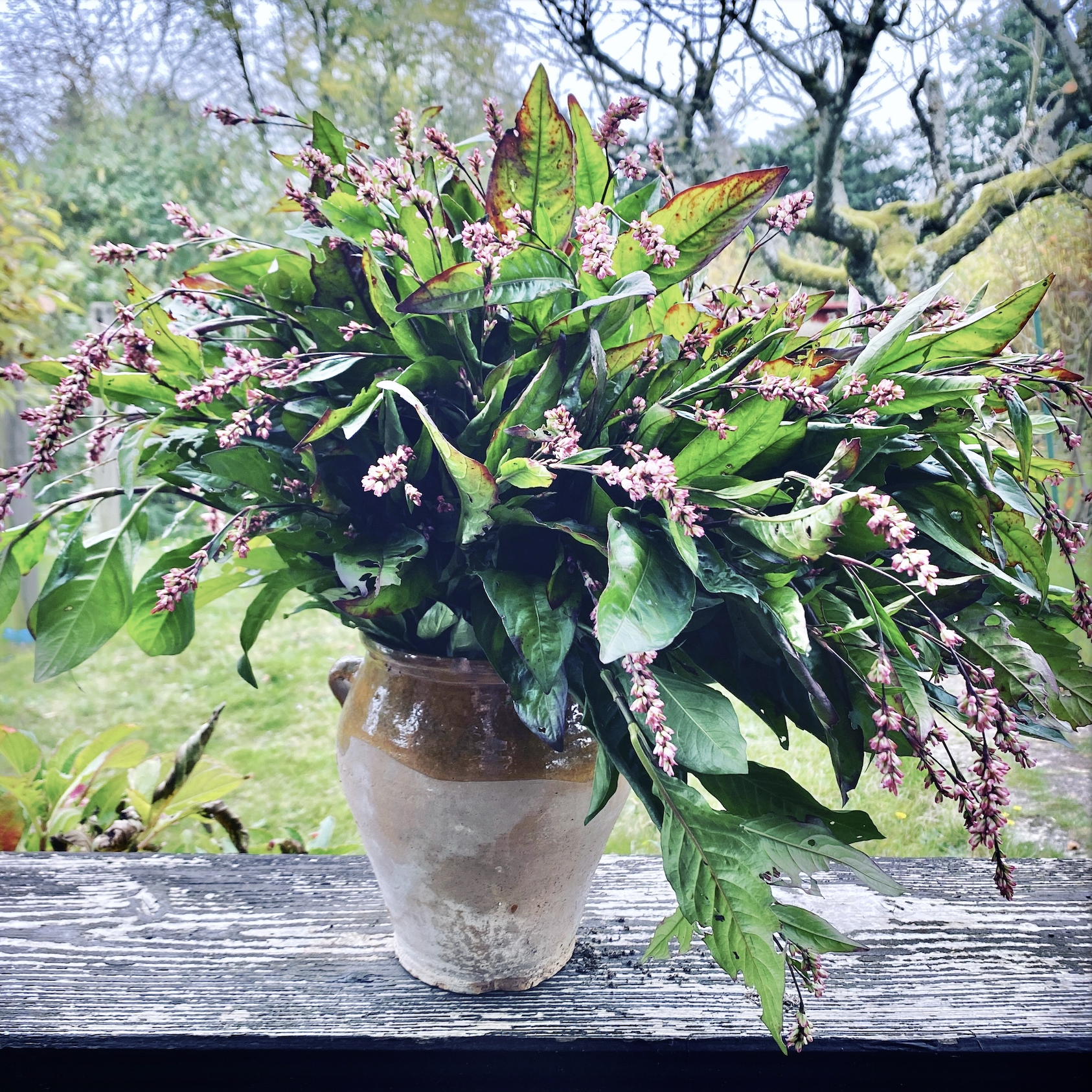
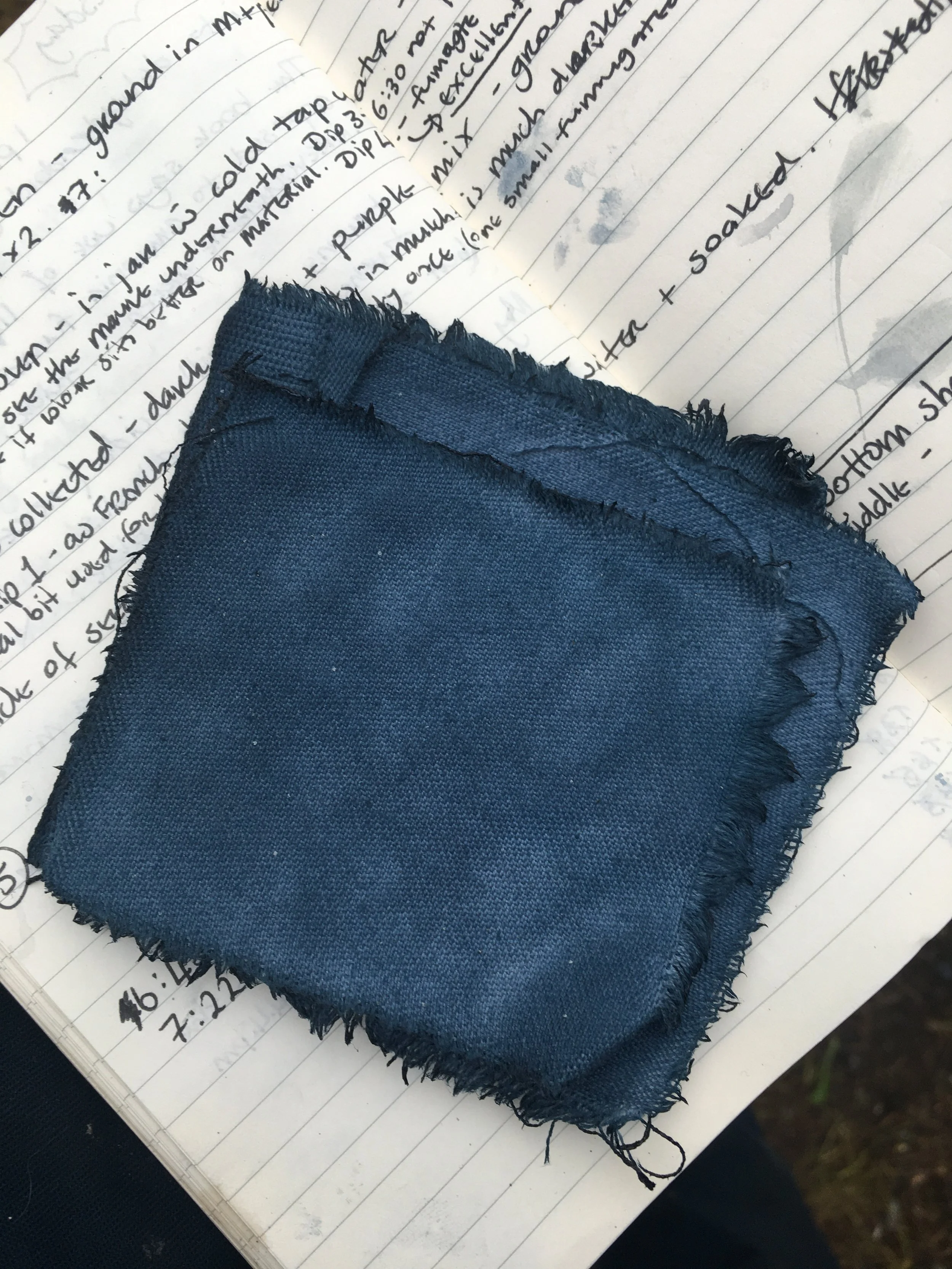
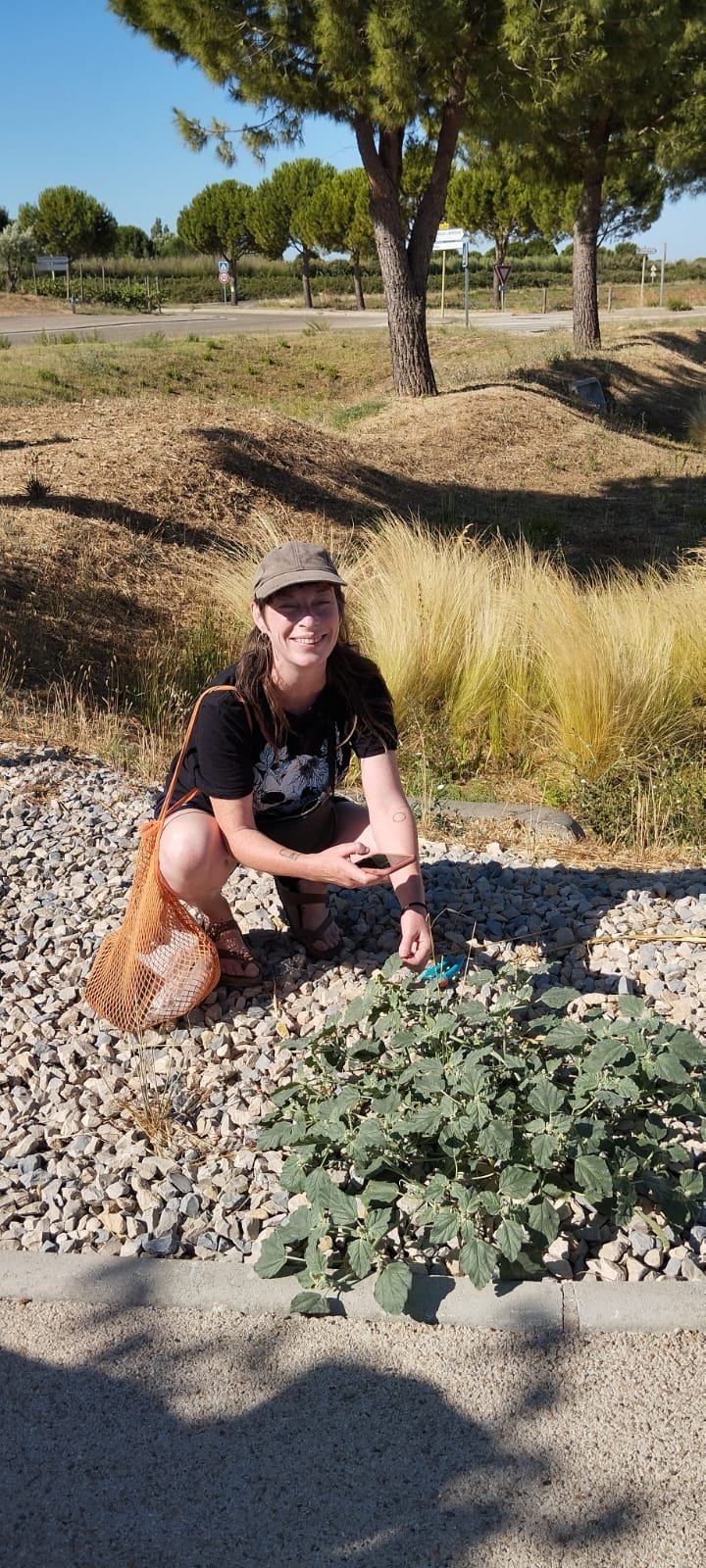
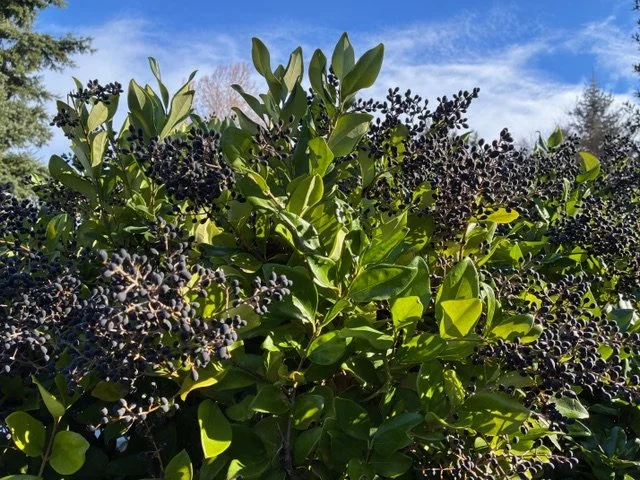
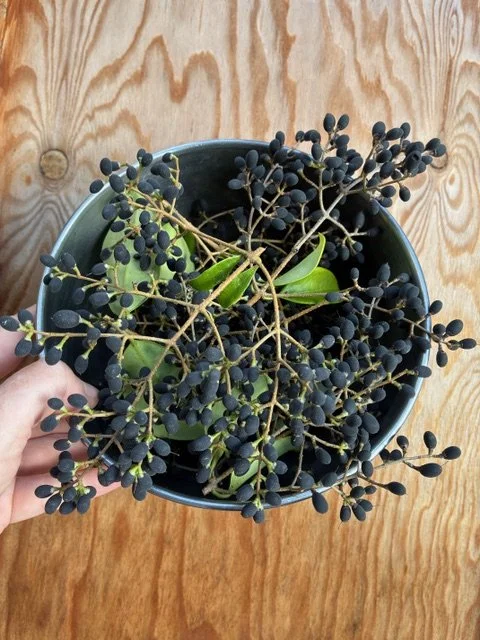
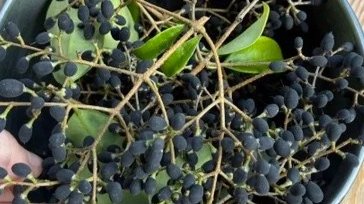
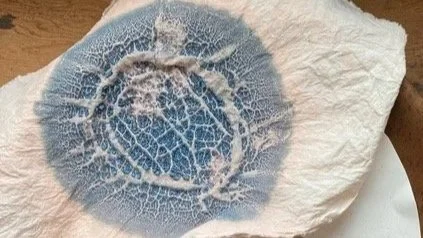
Privet berries are one of my favorite sources for making a local blue color.
My neighbor has a privet hedge along their driveway and graciously lets me pick them in the spring.
The berries ripen over the winter season here in Portland, Oregon. The color in the berries is most intense in March and April.
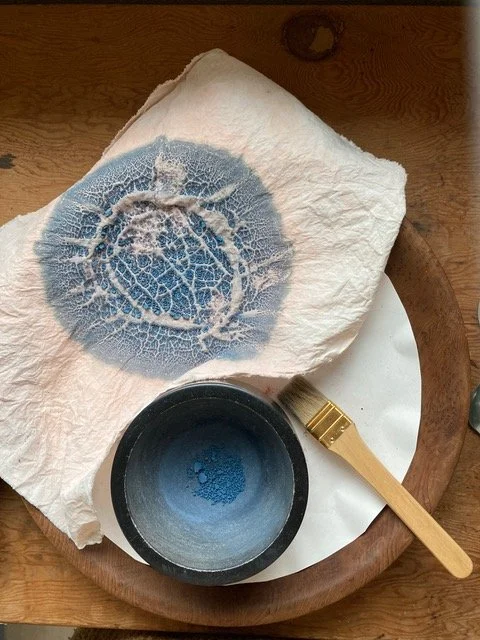
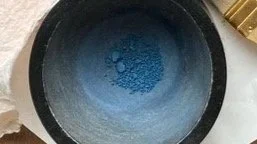
I’ll show you how I use privet berries in the studio, from ink to lake pigment. We’ll also cover the history and ecology of privet.
-
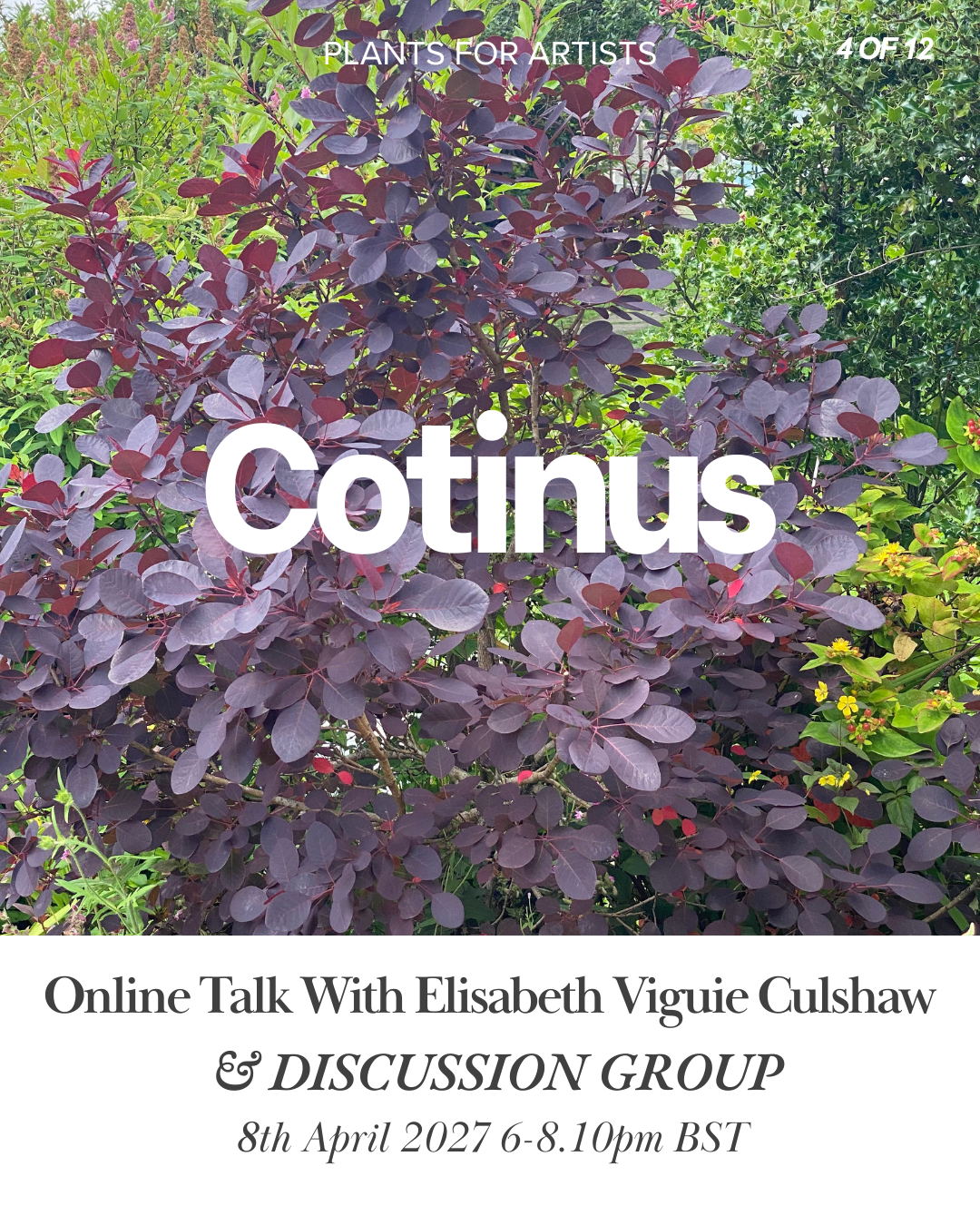
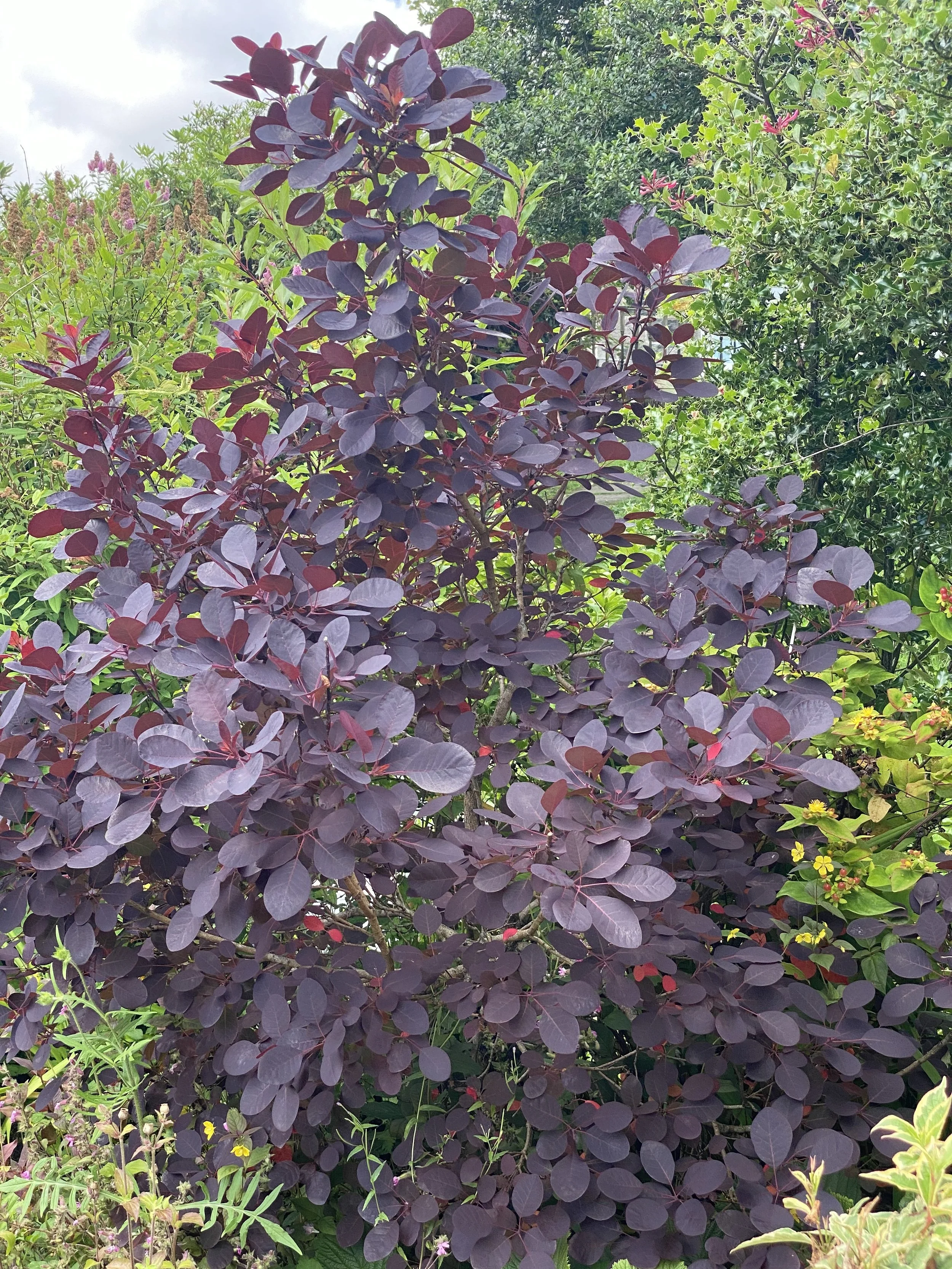
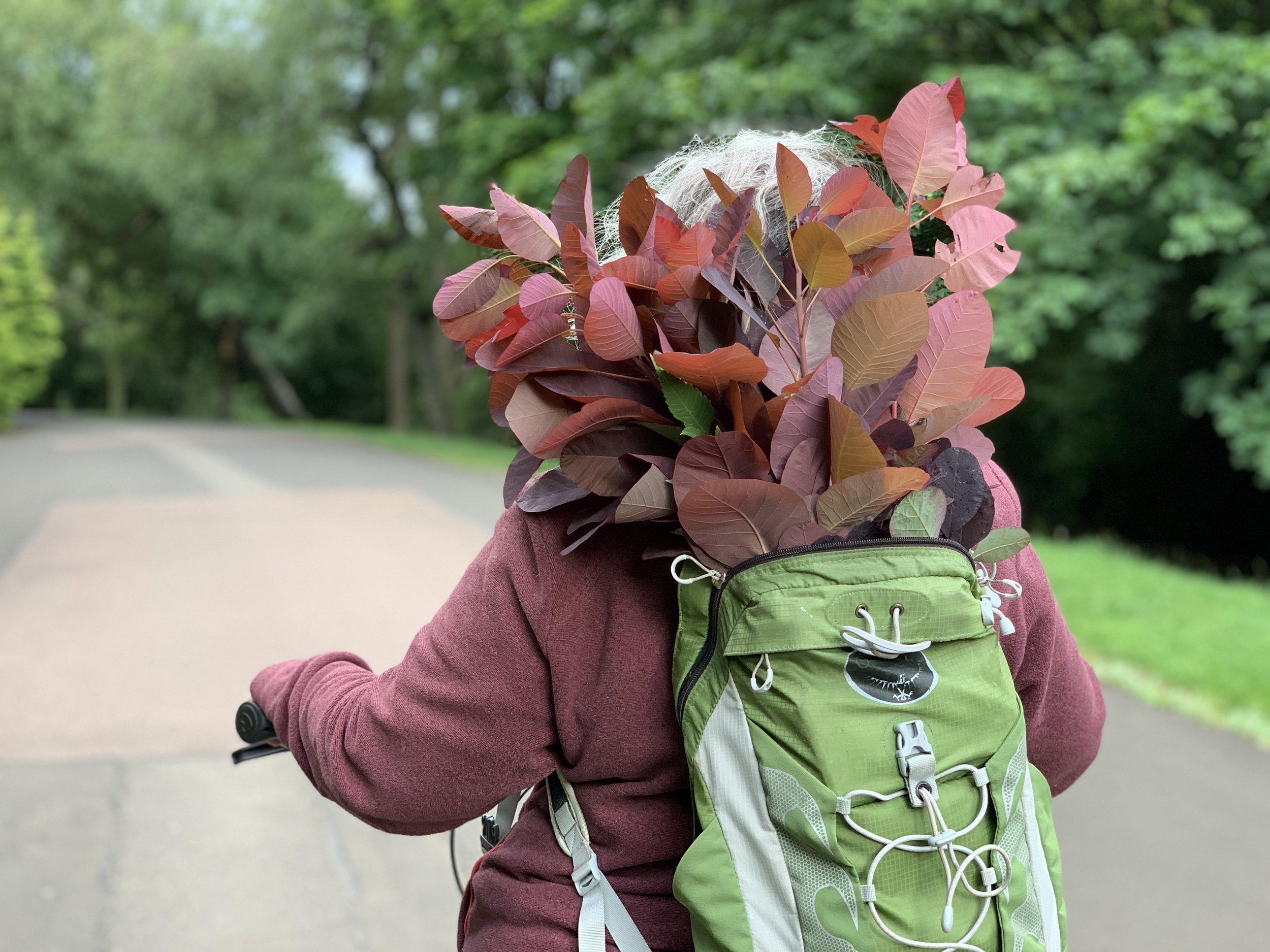
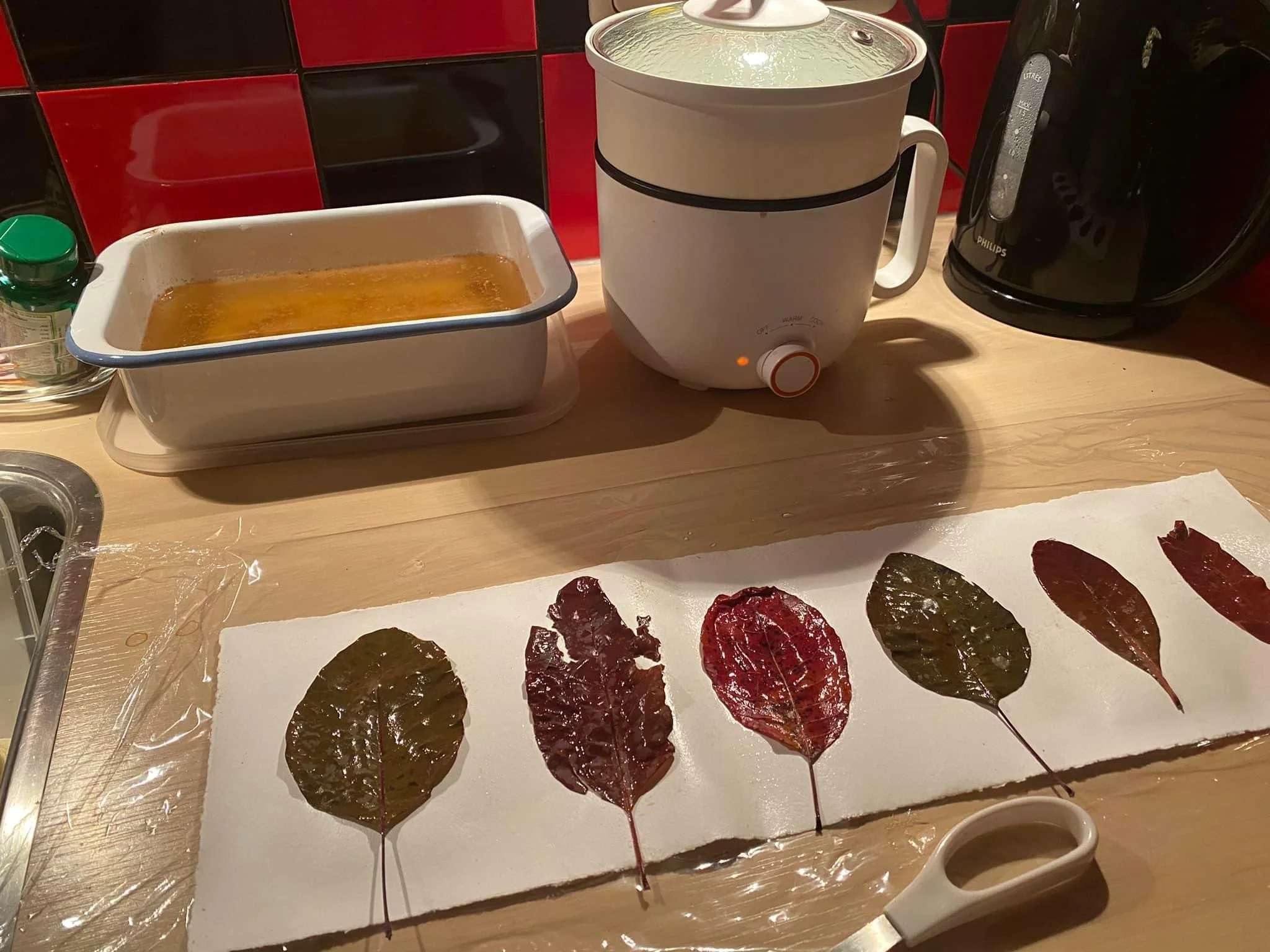
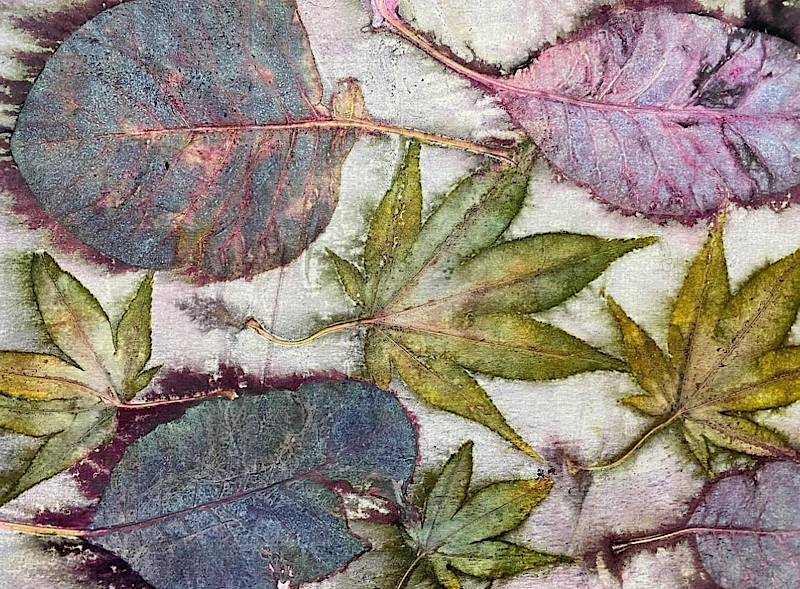
When starting her journey with botanical printing, Elisabeth stumbled on a tall Cotinus (Smoke bush) plant in a Scottish car park she was regularly using.
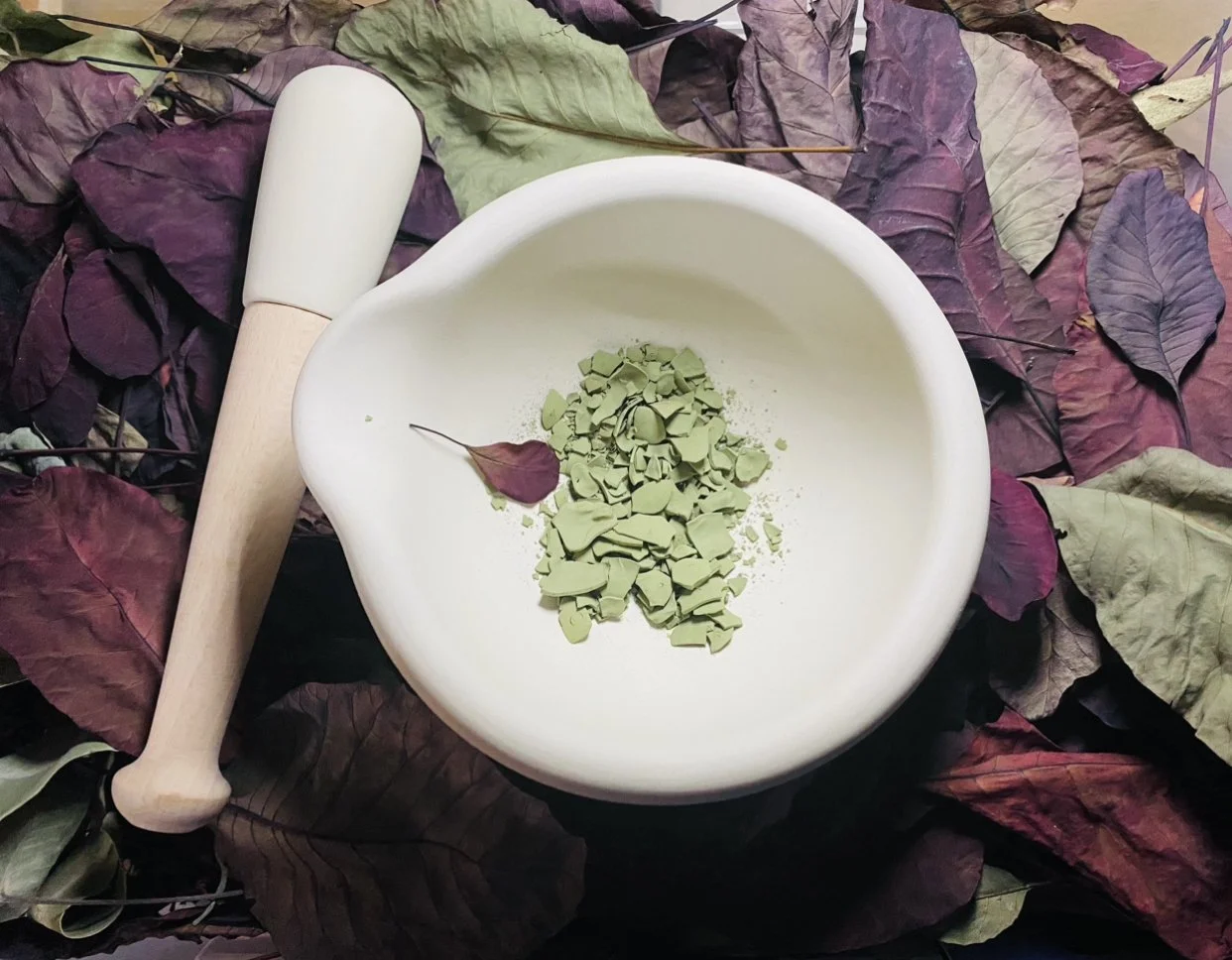
The large red leaves proved good printers and made strong marks with Elisabeth’s then rough method. A deep red mark was a constant and it never failed. Printing Cotinus leaves on a daily basis through a whole season gave her a chance to appreciate the seasonality of the colour making, reading about it in historical dye manuals she associated it with early mordanting of the Mediterranean cloth dyers and the rich tannin content of its stems. Six years later the discovery journey is still on and from printing the leaves, creating tannin bath, extracting pigment and much more, Elisabeth feels her creative journey has only just begun with the red leaves.
In this session, she will share how the plant through a slow and constant dialogue, has taught her much about natural dyeing, about respecting the seasons, about understanding the deep relationship between soil and plant, about pushing the boundaries of discussion and collaboration with one’s own local source of colour.
-
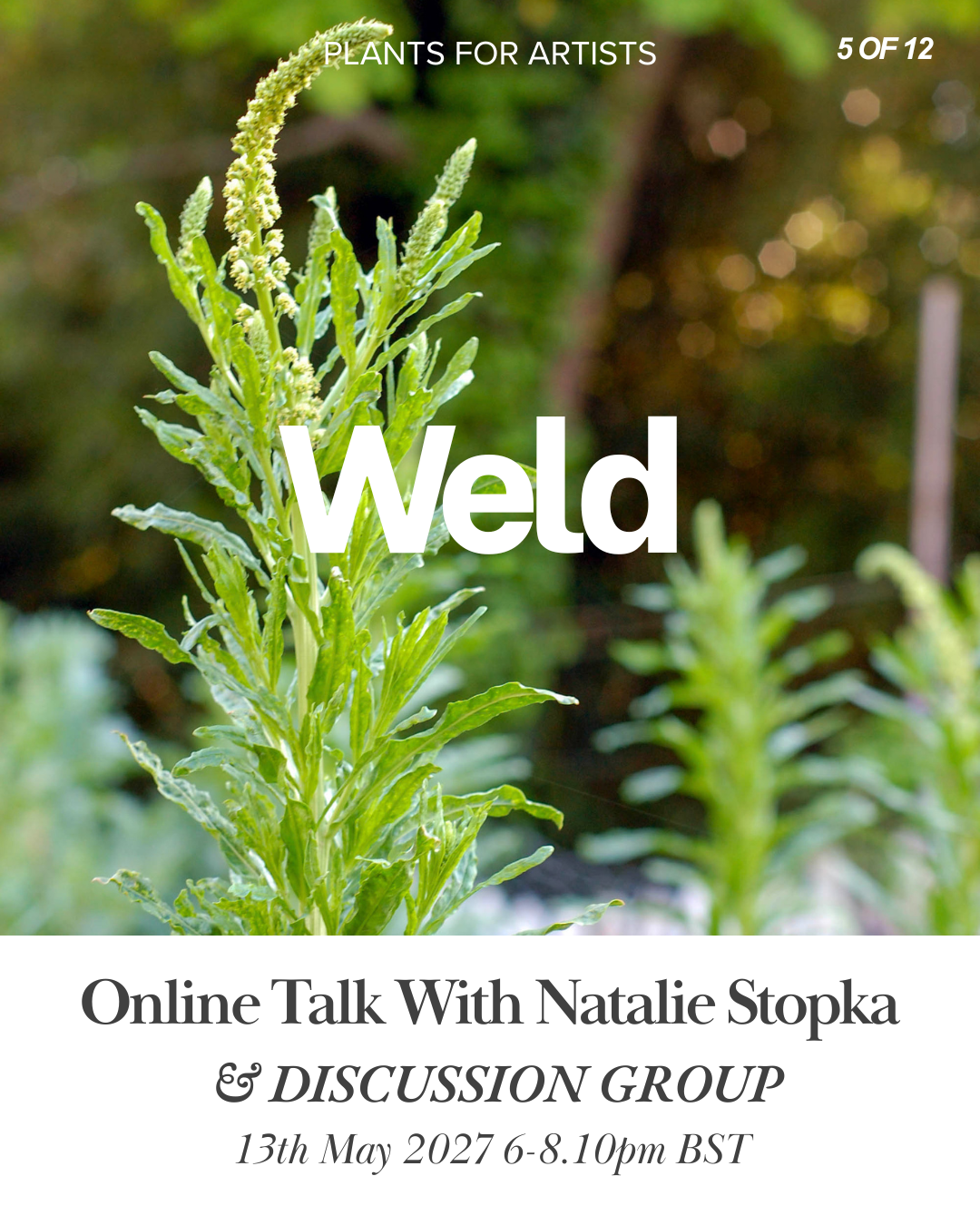
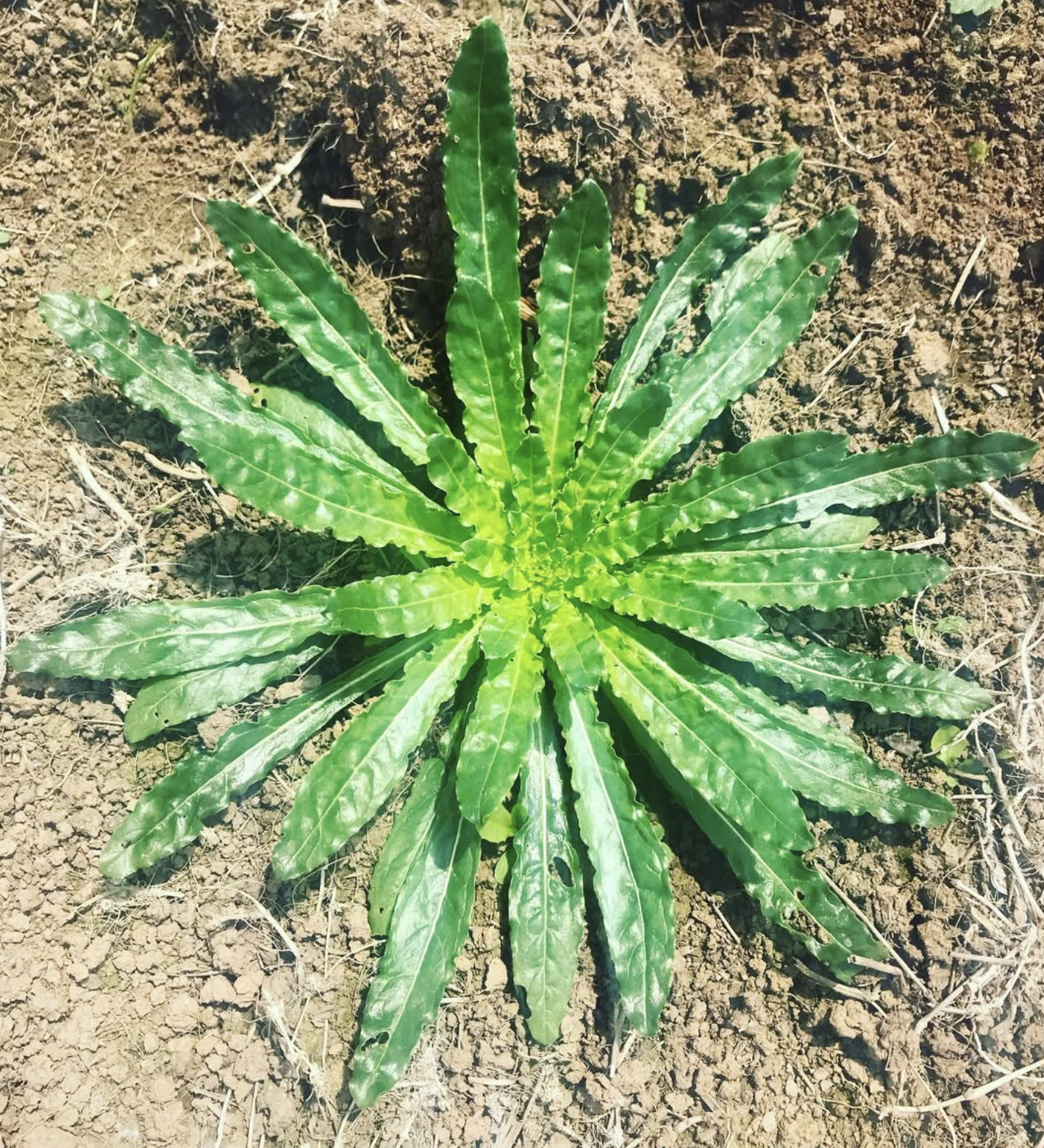
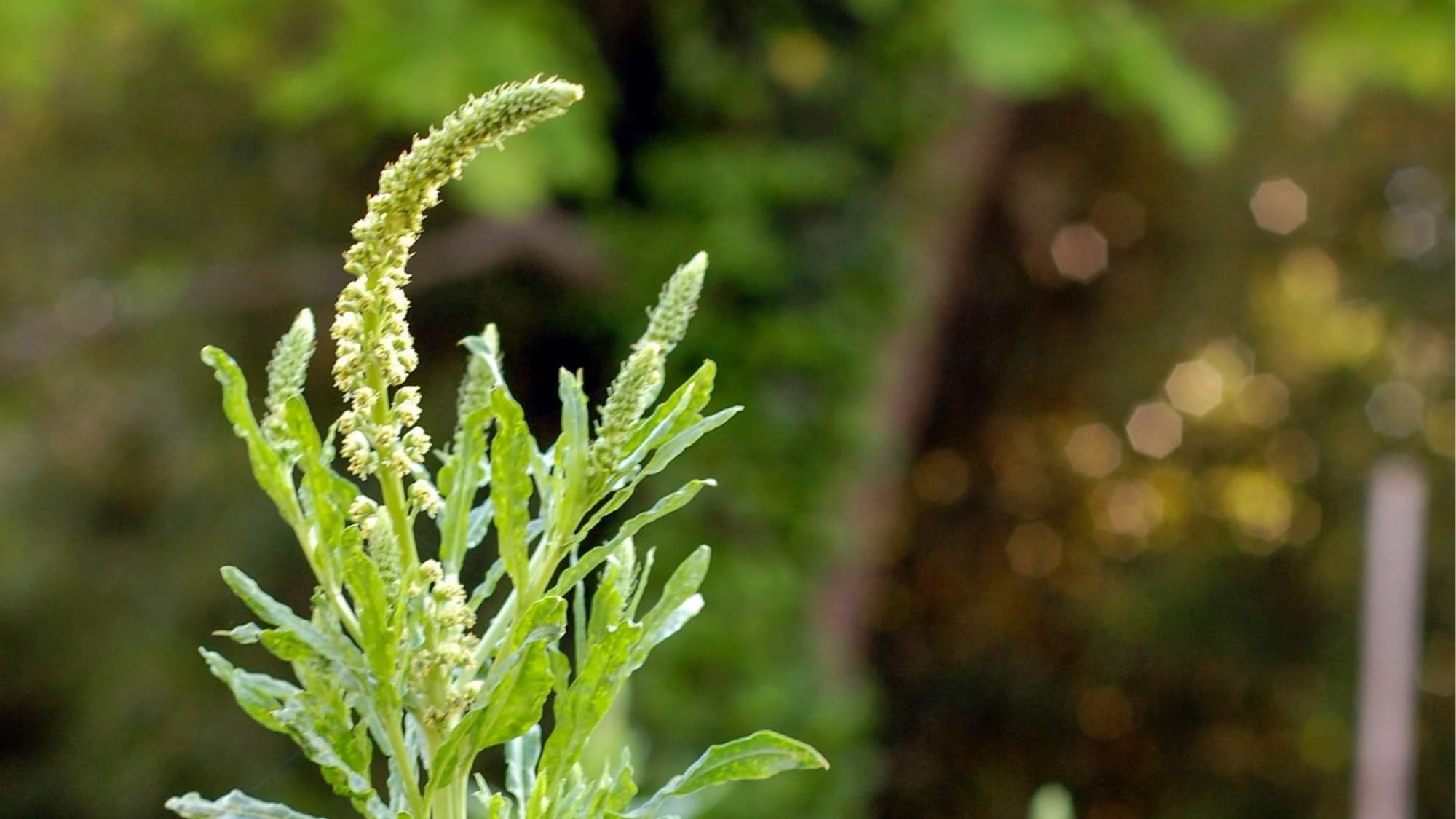
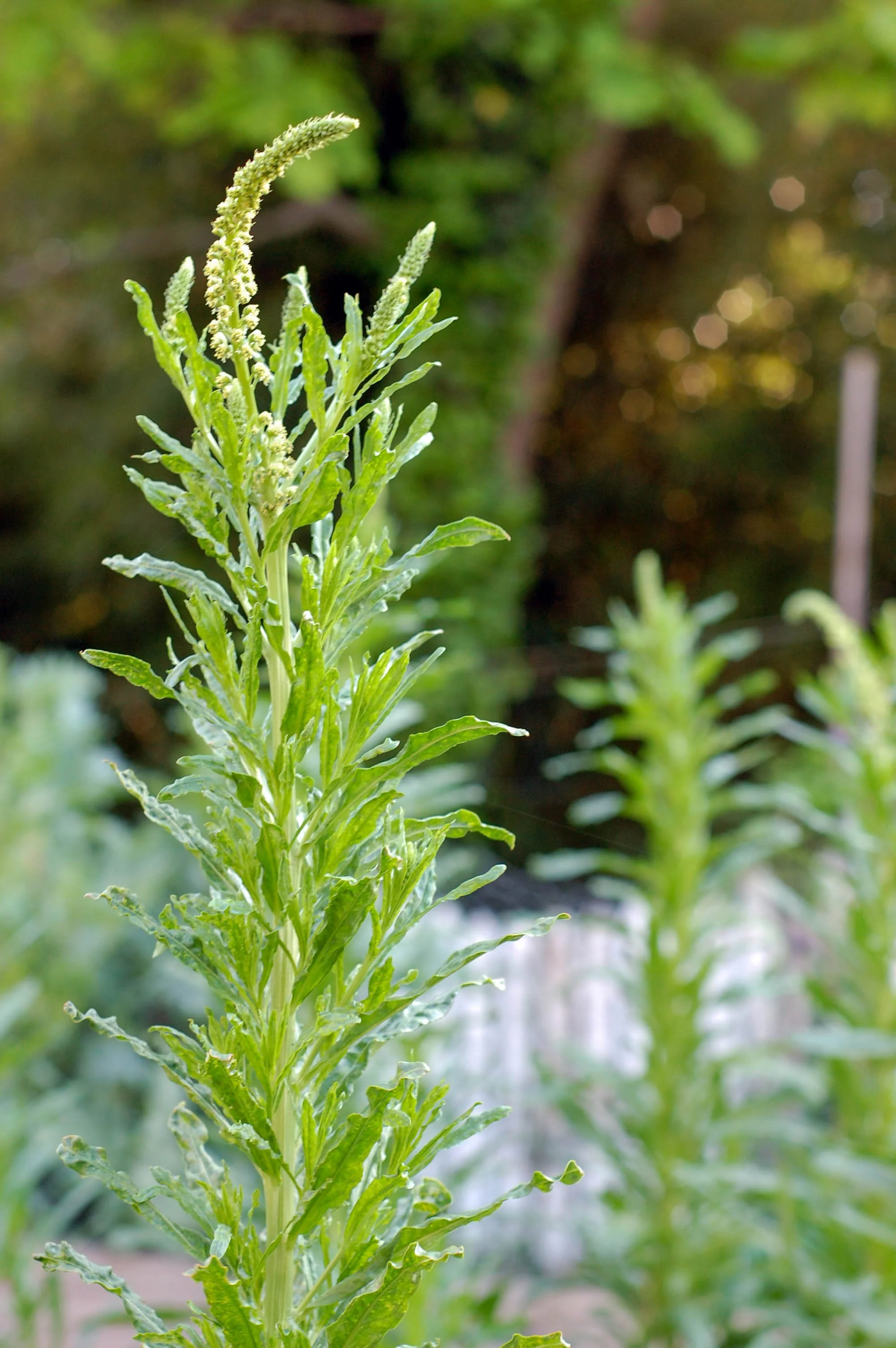
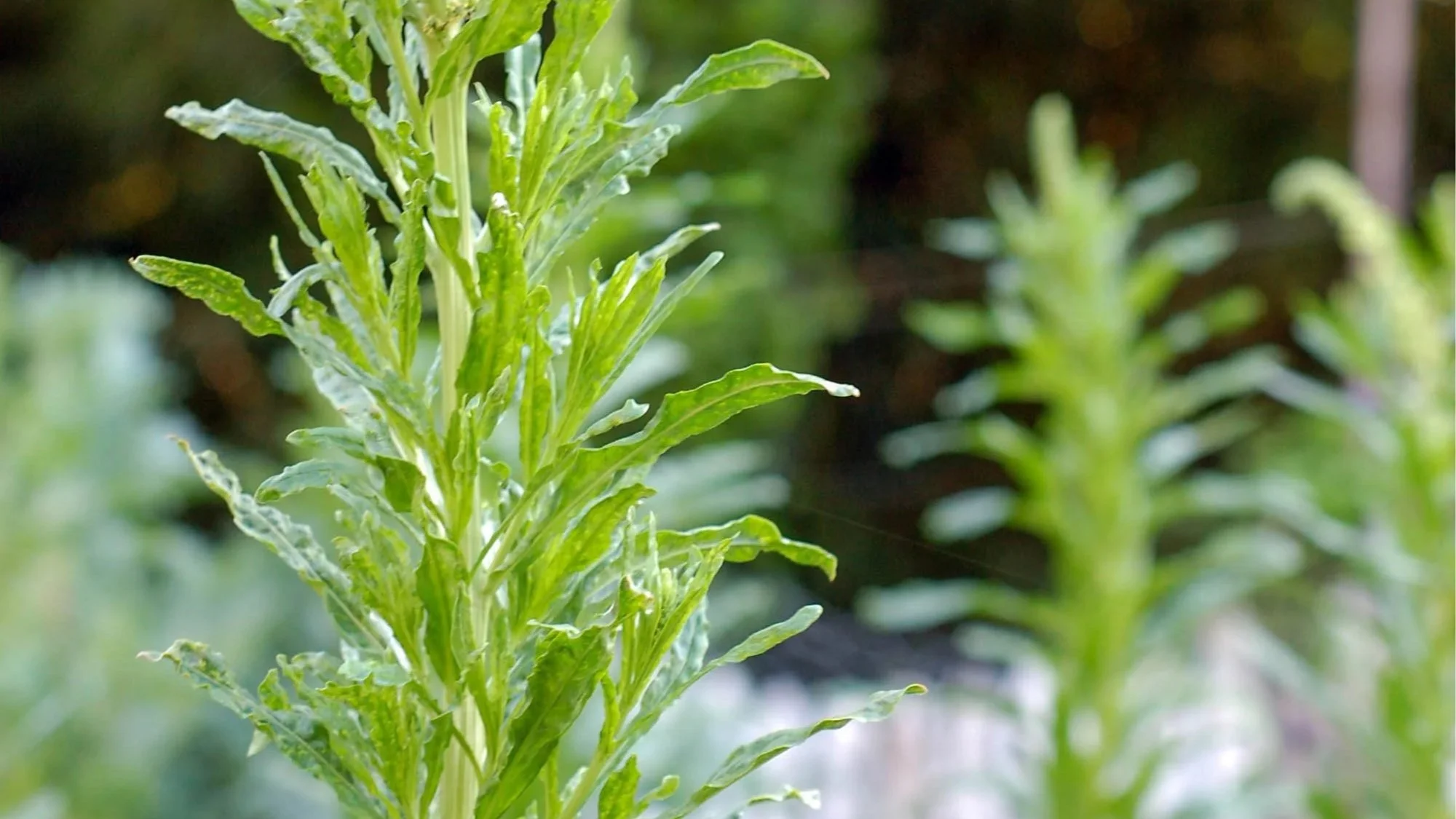
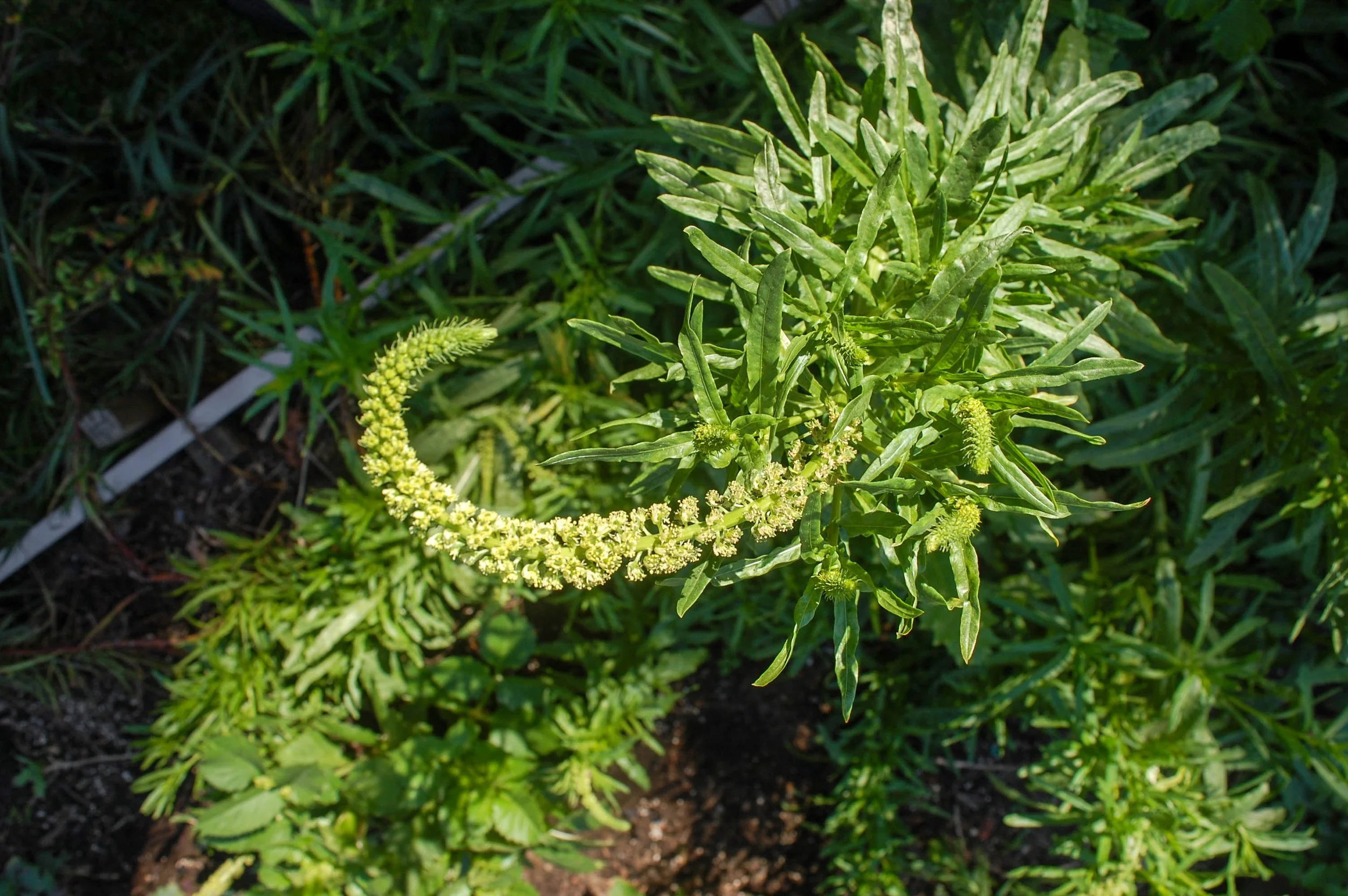
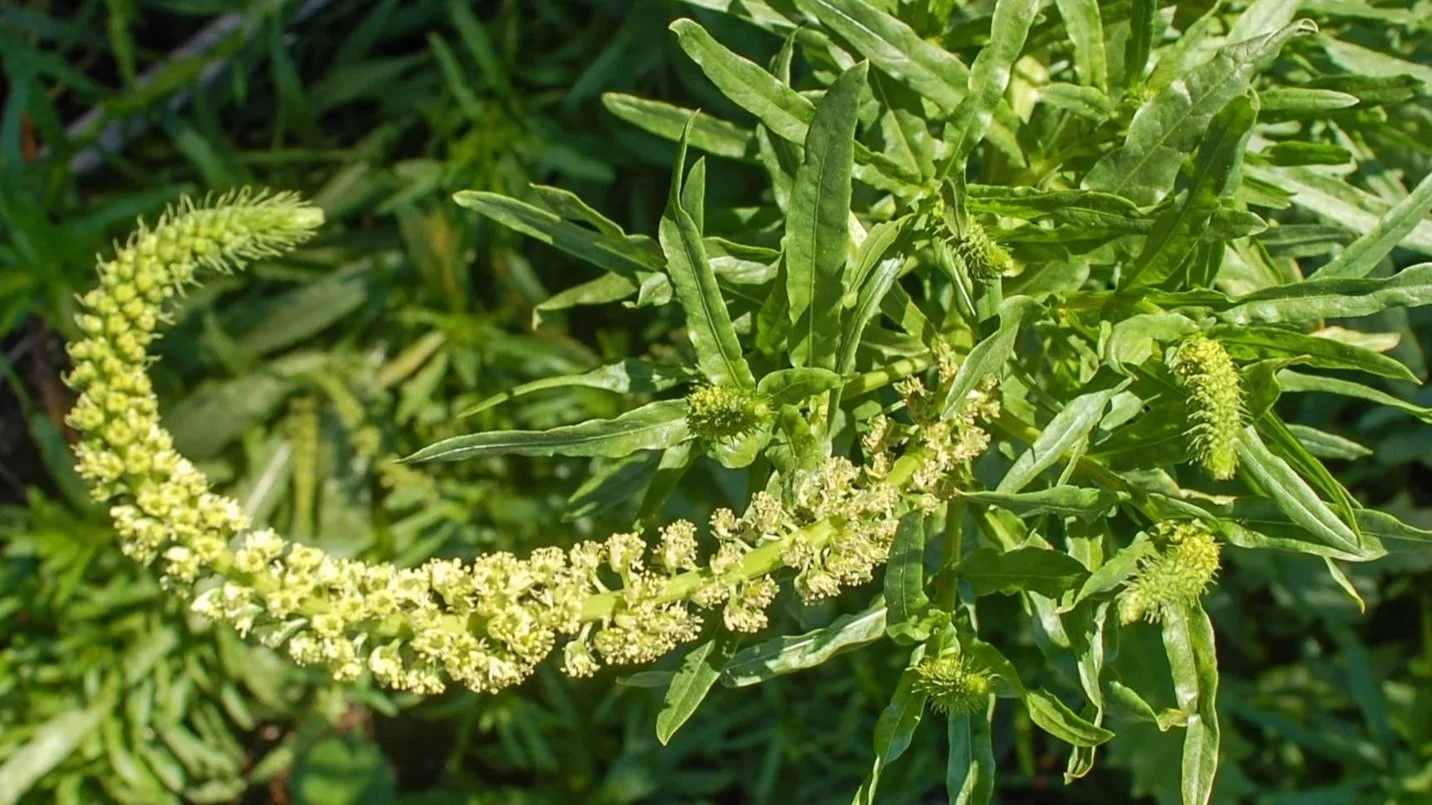
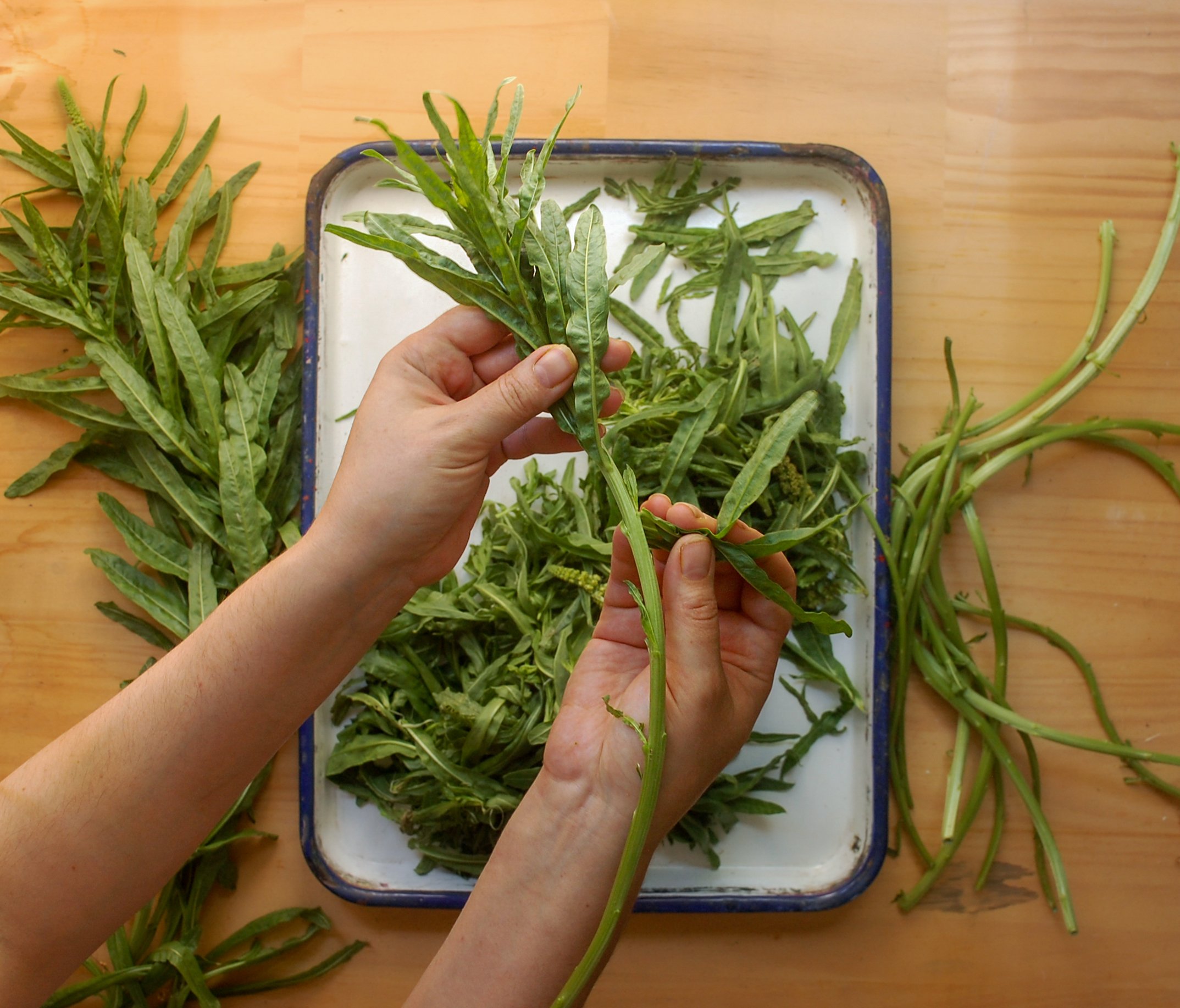
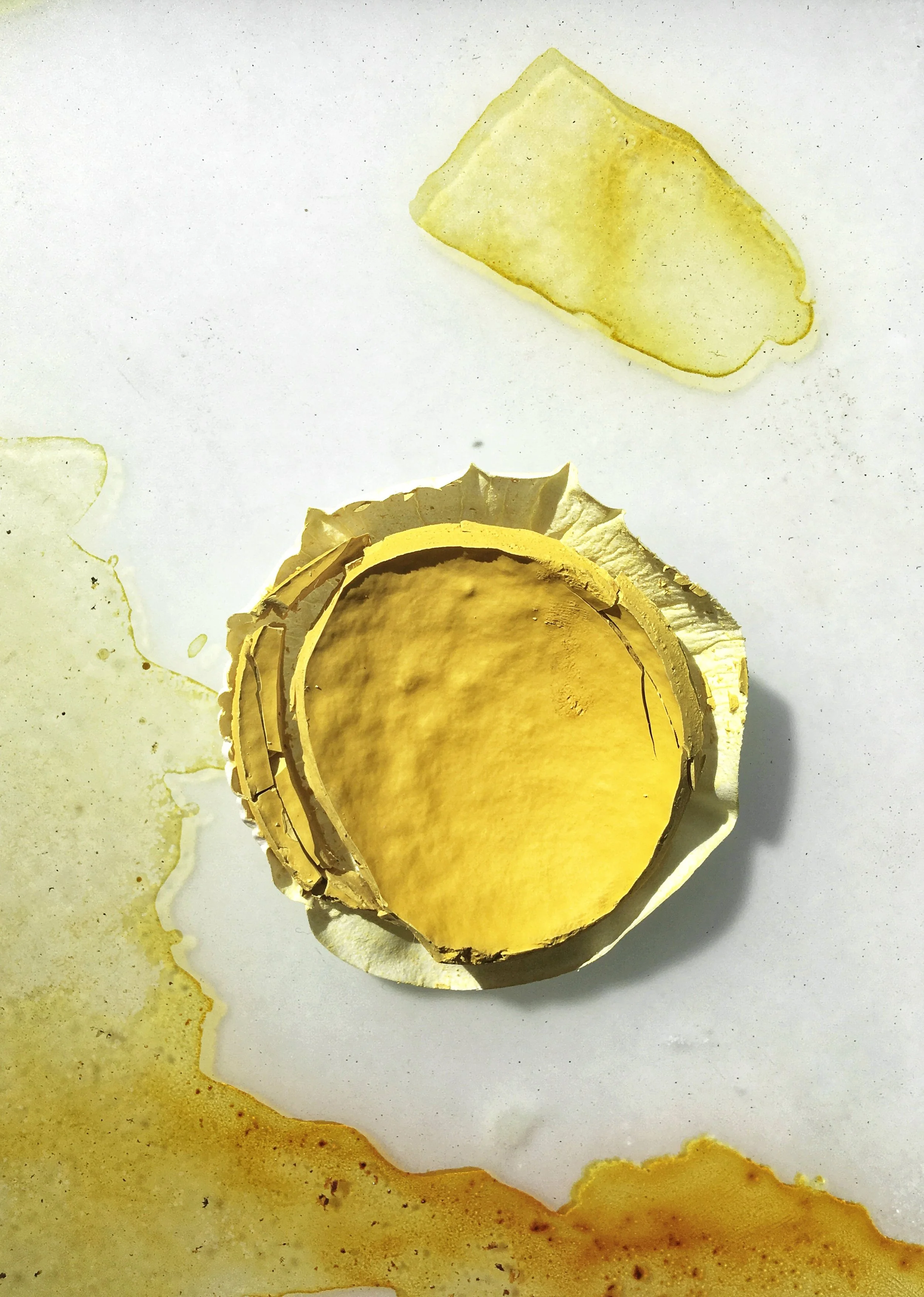
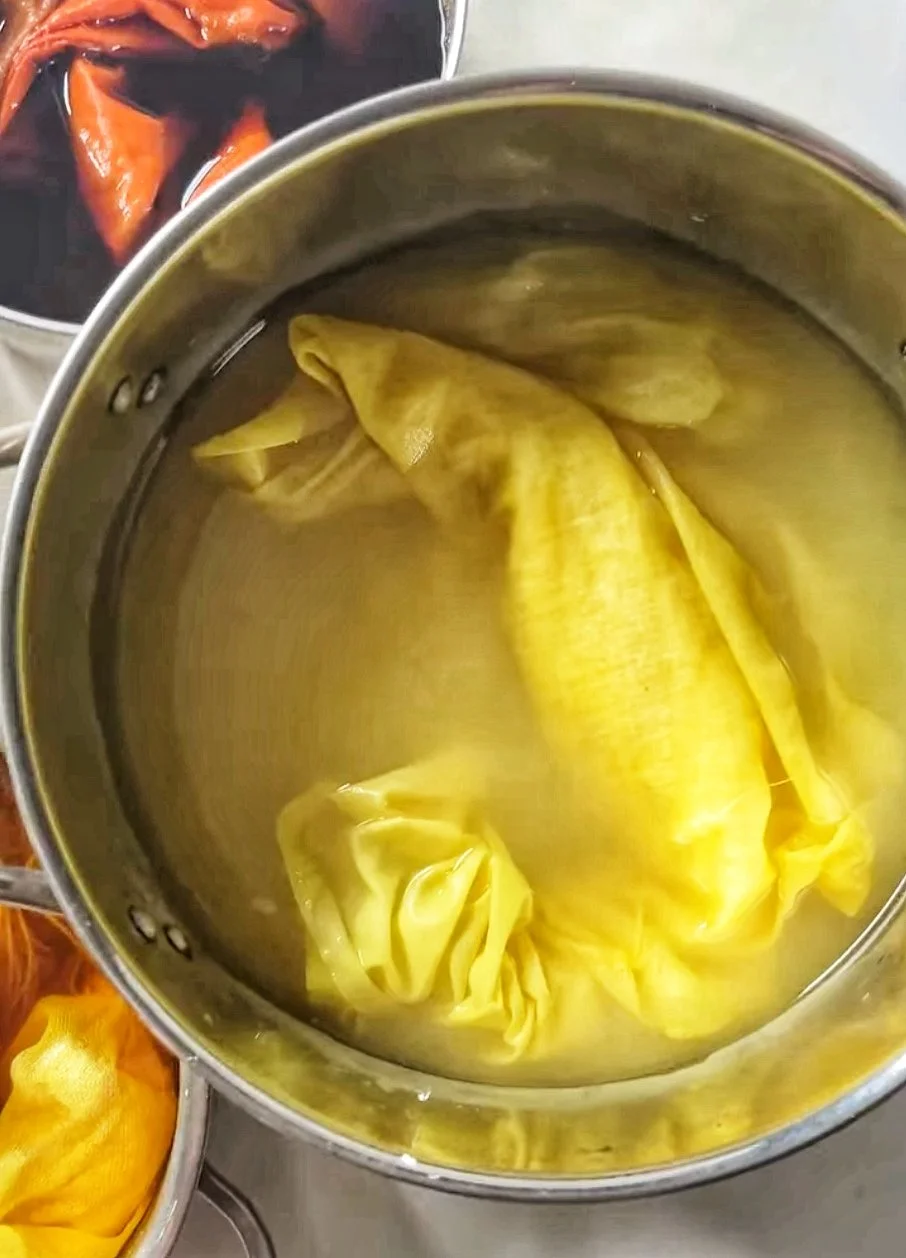
Weld proclaims its usage by its common names: dyer’s weed, dyer’s rocket, and dyer’s mignonette. This biennial produces gleaming lemon yellows - beautiful on their own and mixed with other dyes. Historical dyehouse recipes give these mixed shades evocative names such as vert perroquet, cannelle, vert d’olive pourri, and feuille morte: parrot green, cinnamon, rotten olive green, and dead leaf. Readily grown on sandy, rocky, or chalky soil, weld sends up towering flower spikes in its second spring. It's a companionable garden plant, ceding ground to others after setting copious seed early in the growing year. This session will discuss the cultivation, history, and applications of weld.
-
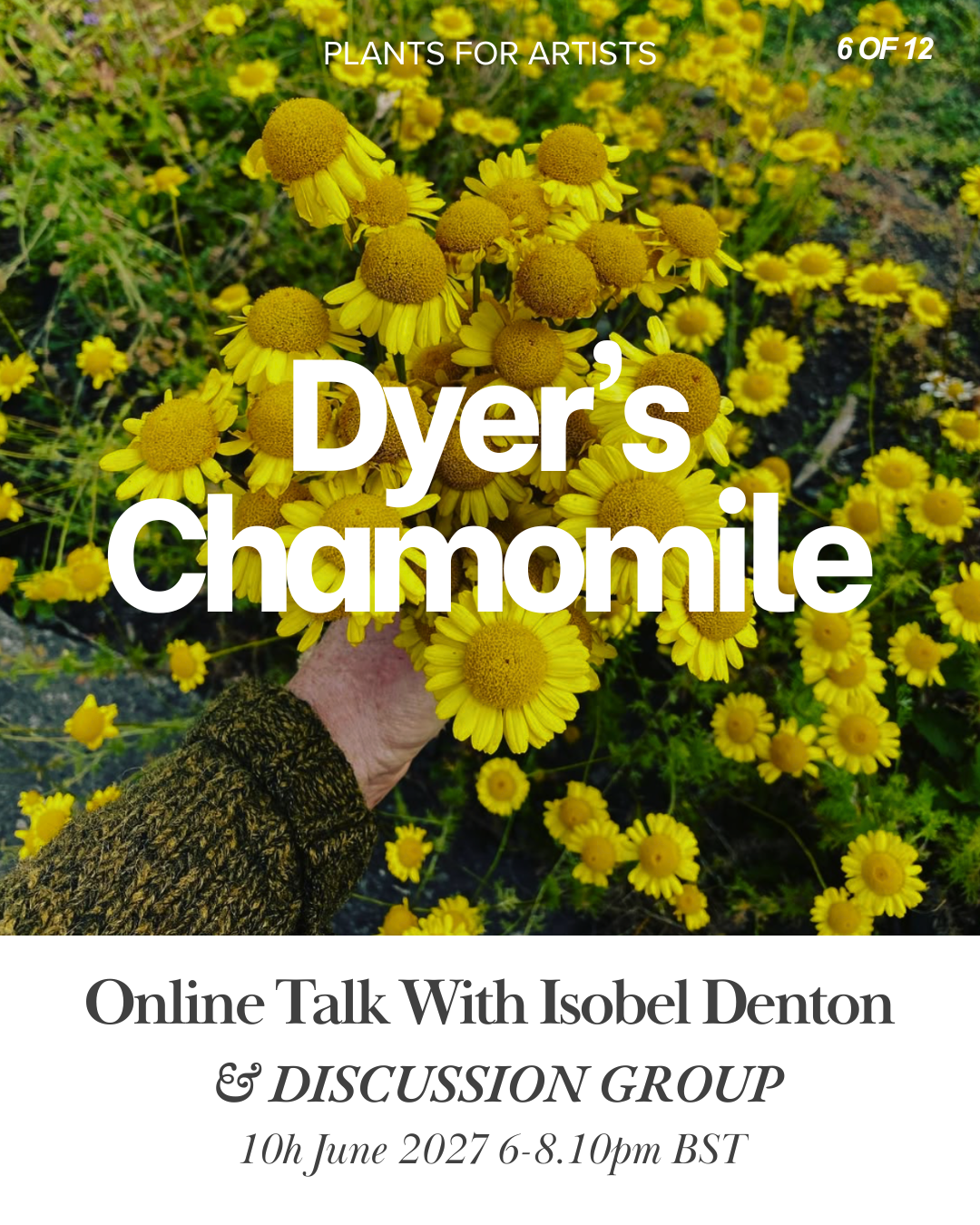
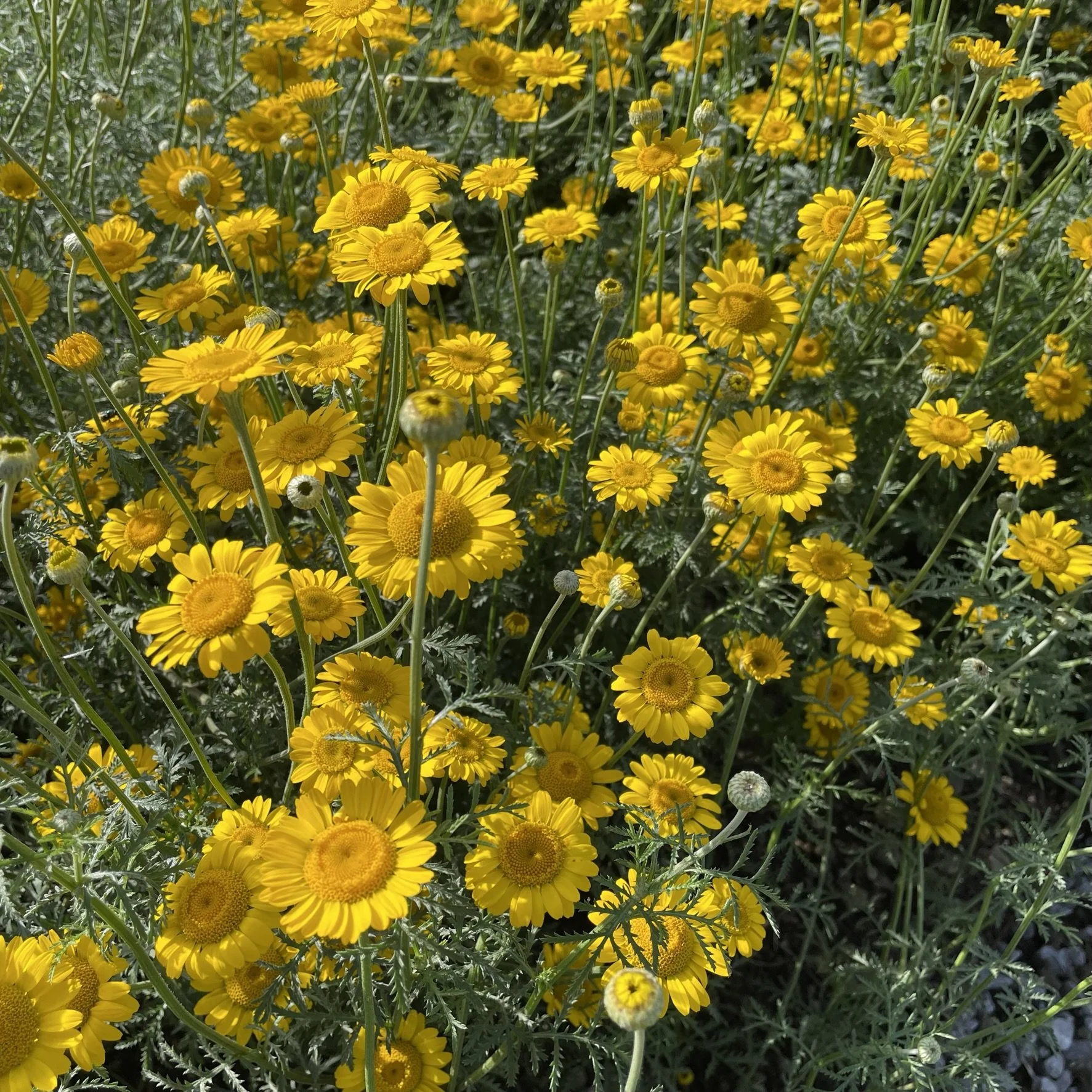
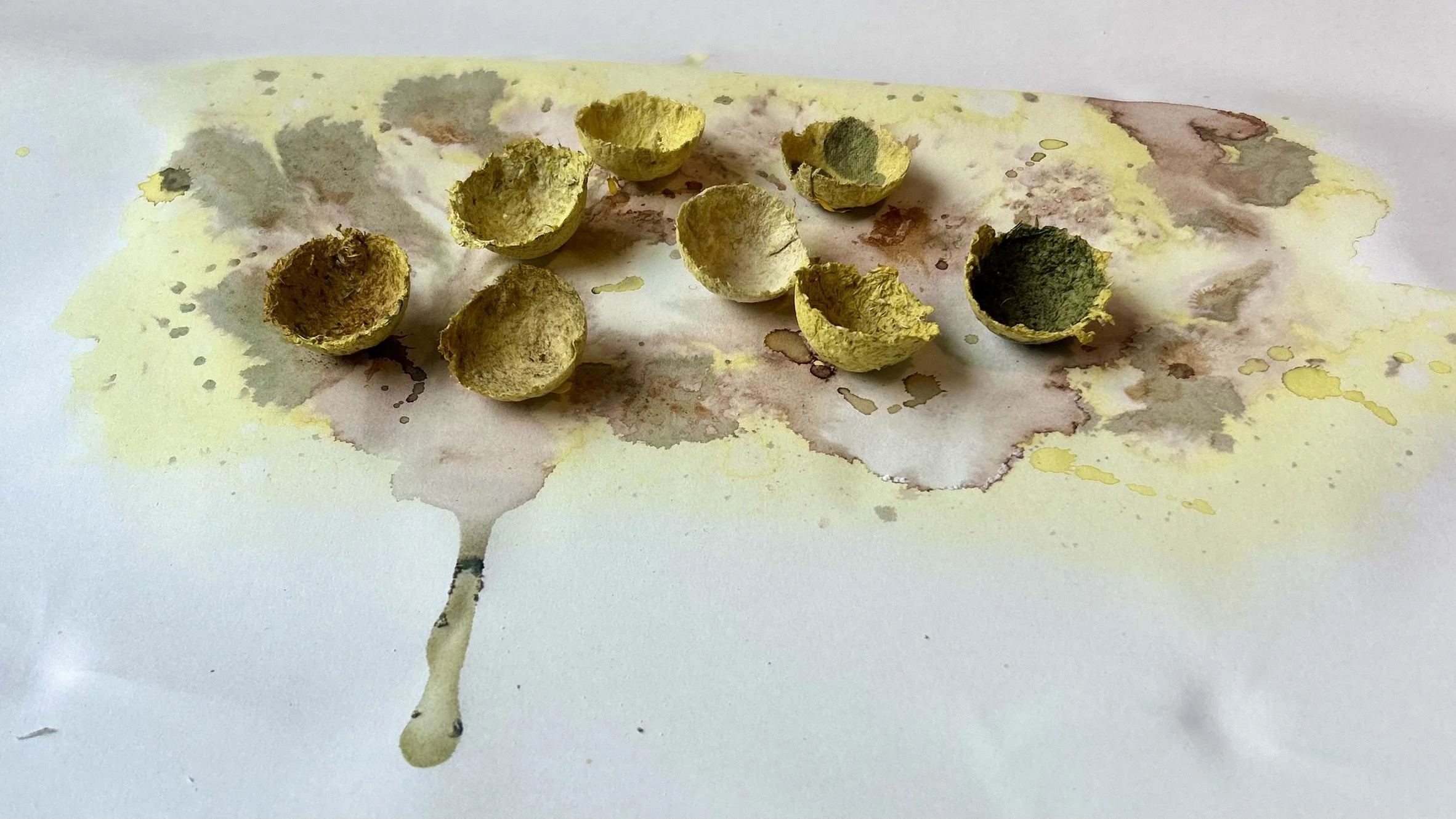
In this session, Isobel will share how she grows and uses this generous little plant within her practice, from dyeing old cotton fabric scraps and waste paper to creating natural watercolour inks. She’ll explore how the dyed fabrics and papers can then be repurposed into new handmade paper, combining them with the spent chamomile flowers themselves, giving this little ray of sunshine a life beyond the dye pot.
Isobel will also show how the colour of the paper pulp can be modified to create different shades, and how the extracted dye can be used as a beautiful watercolour ink.
-
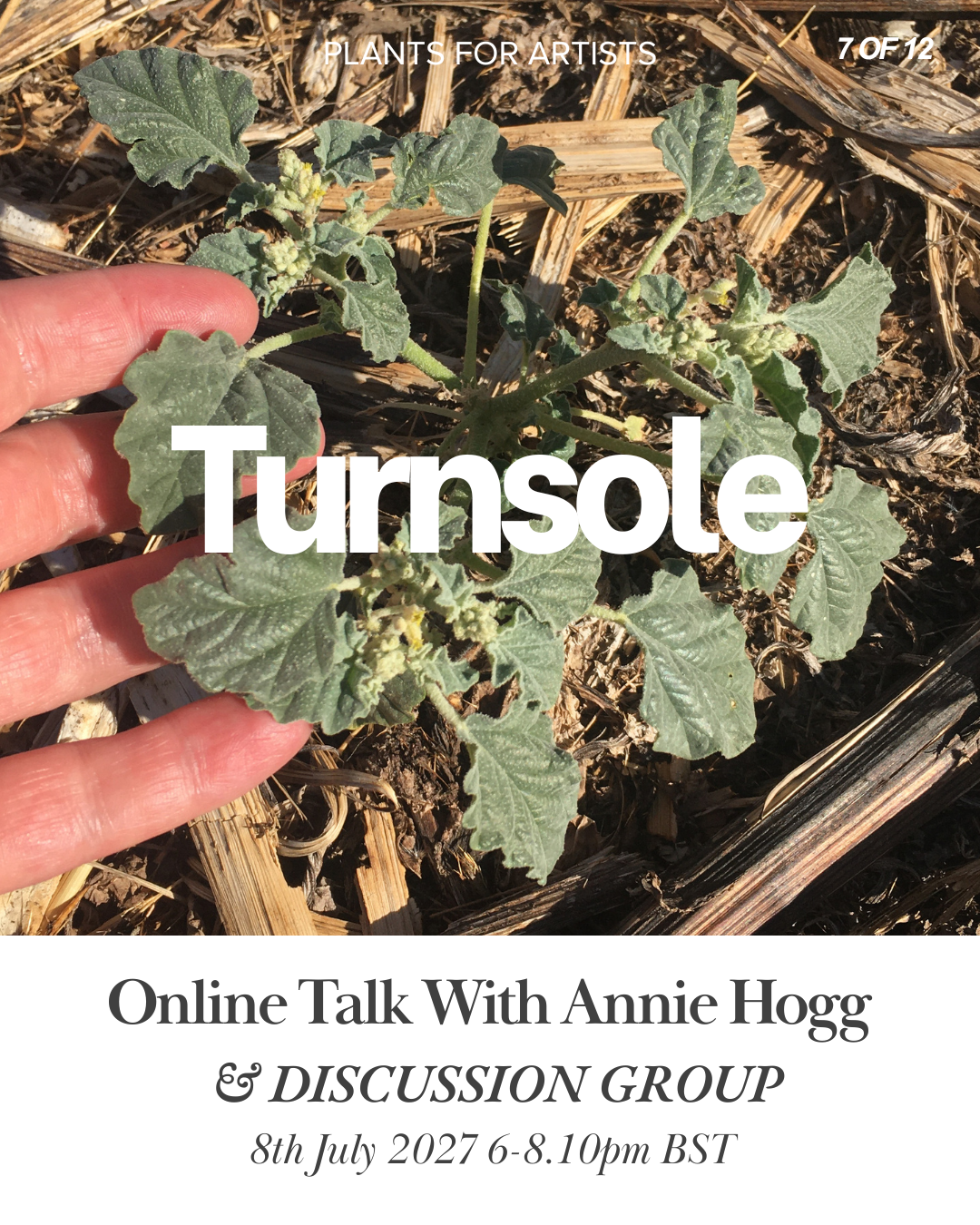
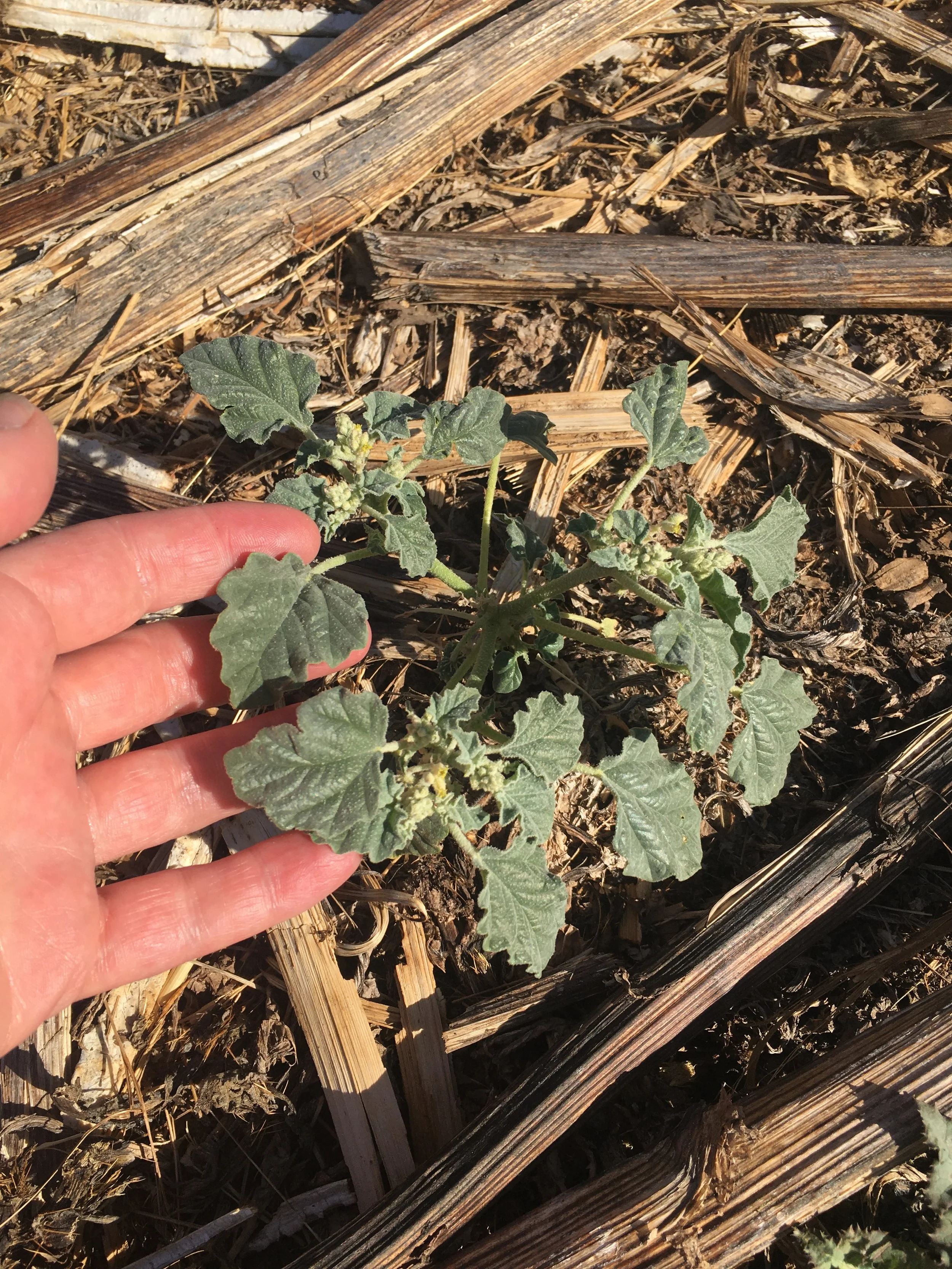
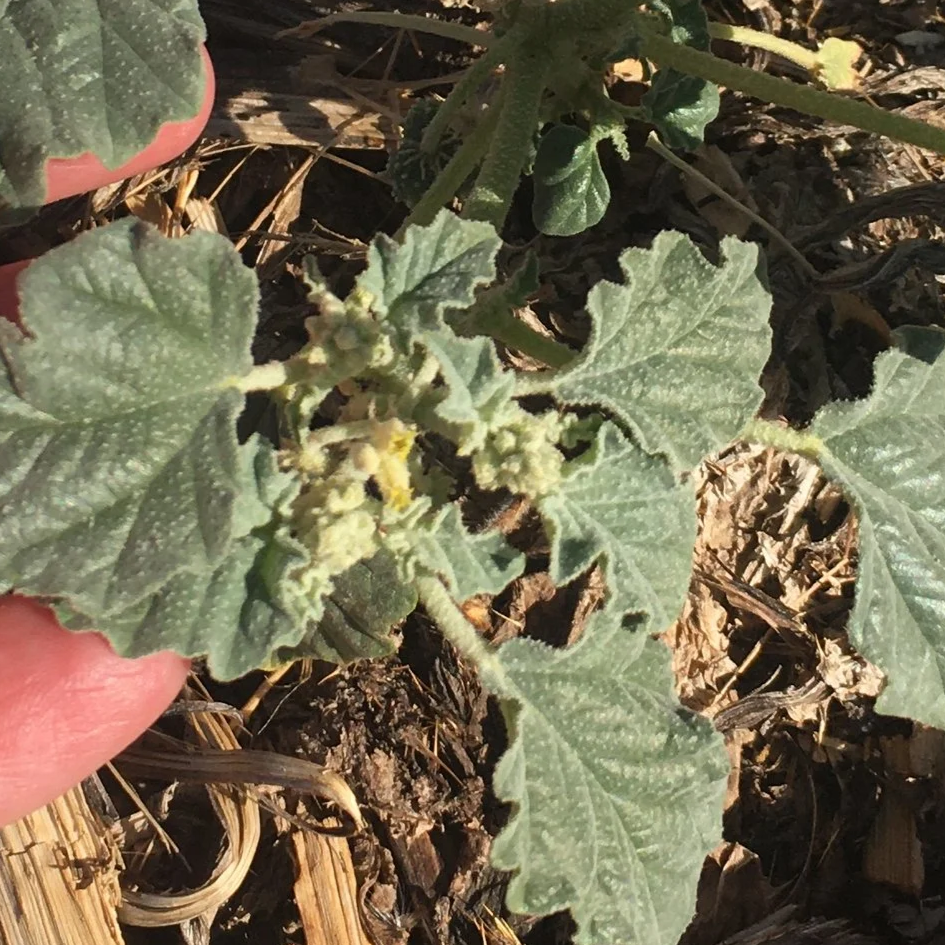
Since discovering a brief mention to Turnsole, Chrozophora tinctoria in Joumana Medlej’s book ‘Inks a Paints of the Middle East’ in 2023, a kind of frenzied obsession followed. Curious to what this plant was, and to its historical use in the Western Medieval Illumination tradition, has led Annie to a research dive into the veiled practice of its colour extraction and processing, eventually leading her to a tiny village in the south of France with a fascinating link to this plant and its colourant.
She has uncovered it’s strange and often sad history, experimented with wild harvesting and historic processing, is currently attempting to grow the plant over two sites in Ireland and is continuing her research in working with this very interesting pigment. In this session, Annie will detail the history and uses in Europe, share her ongoing findings of hunting for and working with this elusive transparent mauve colourant.
-
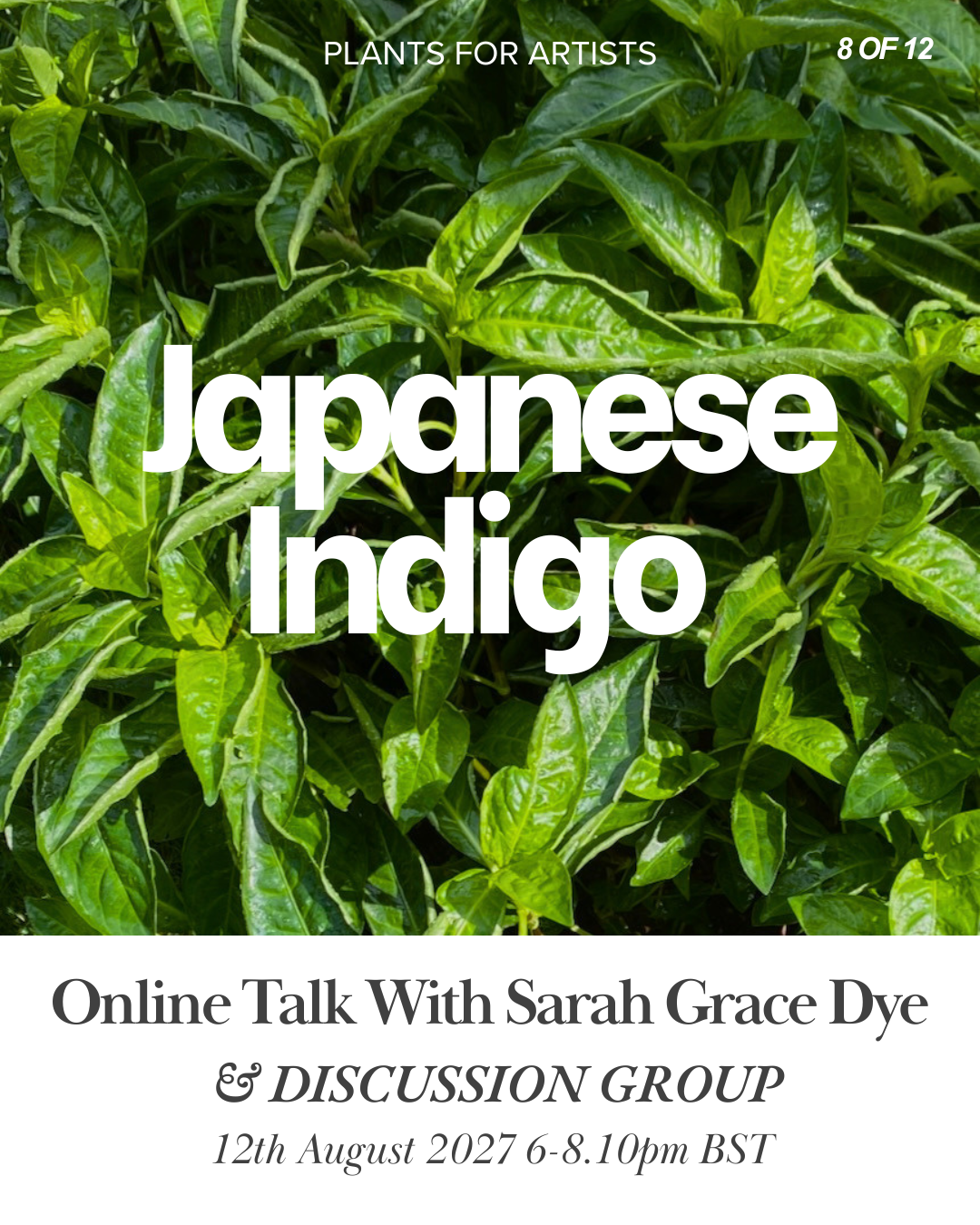
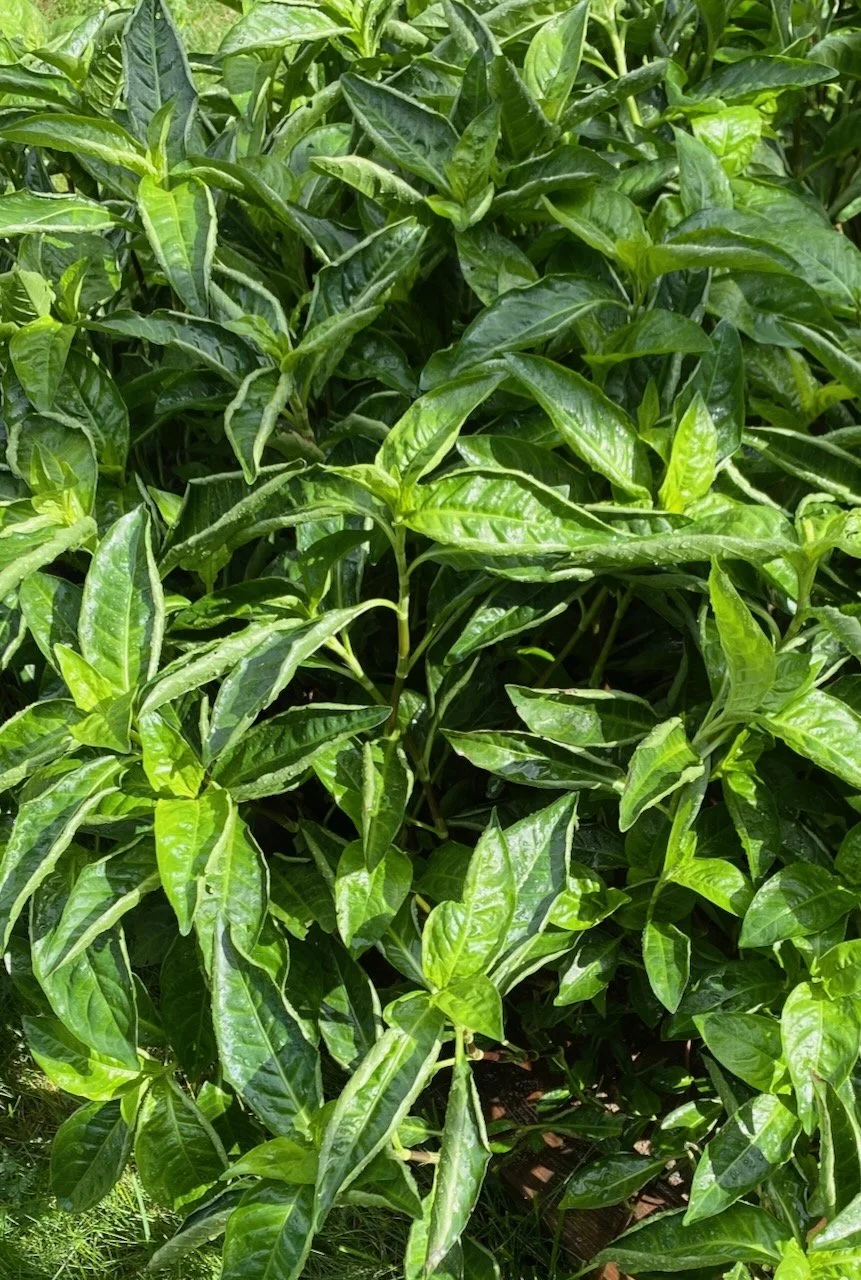
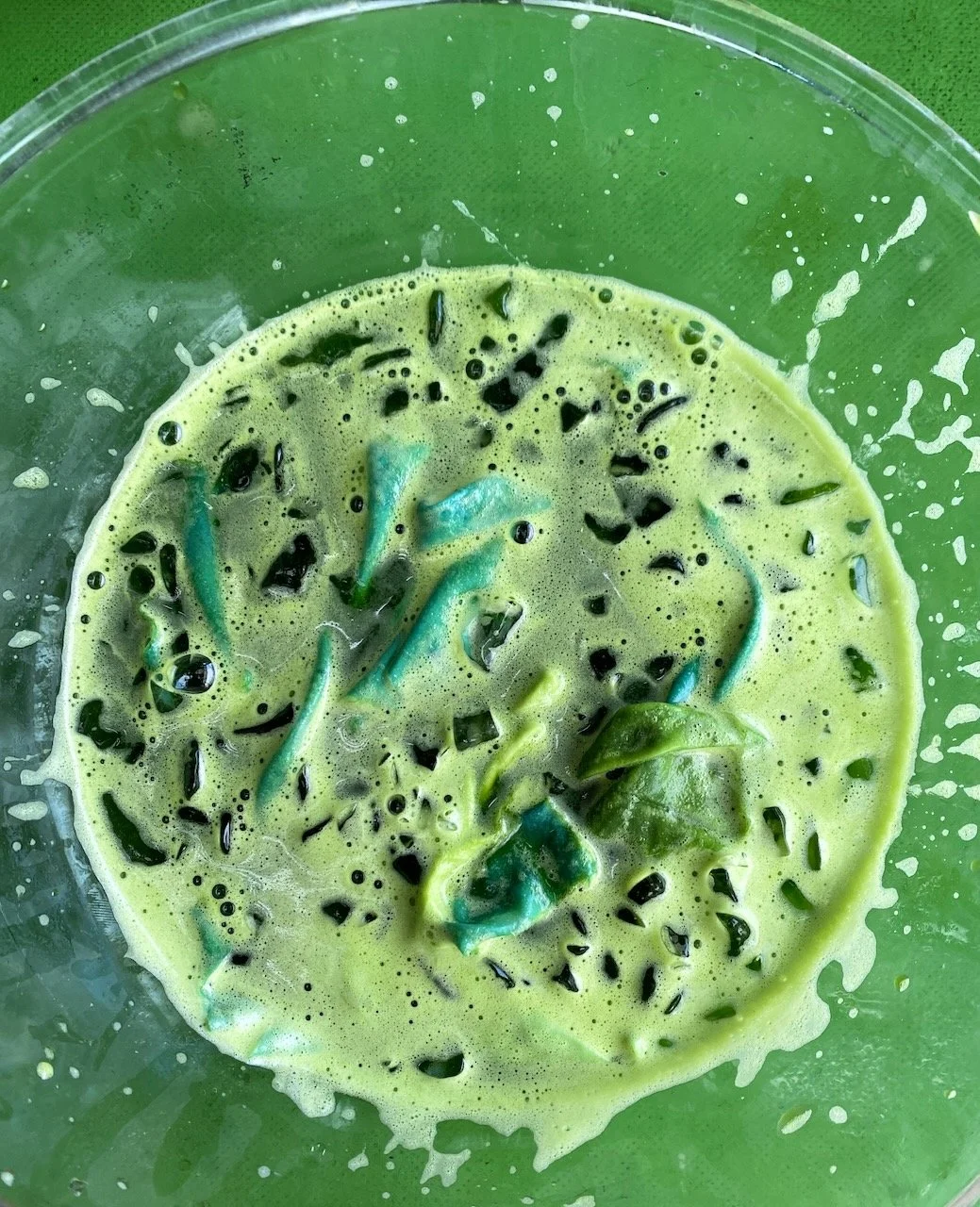
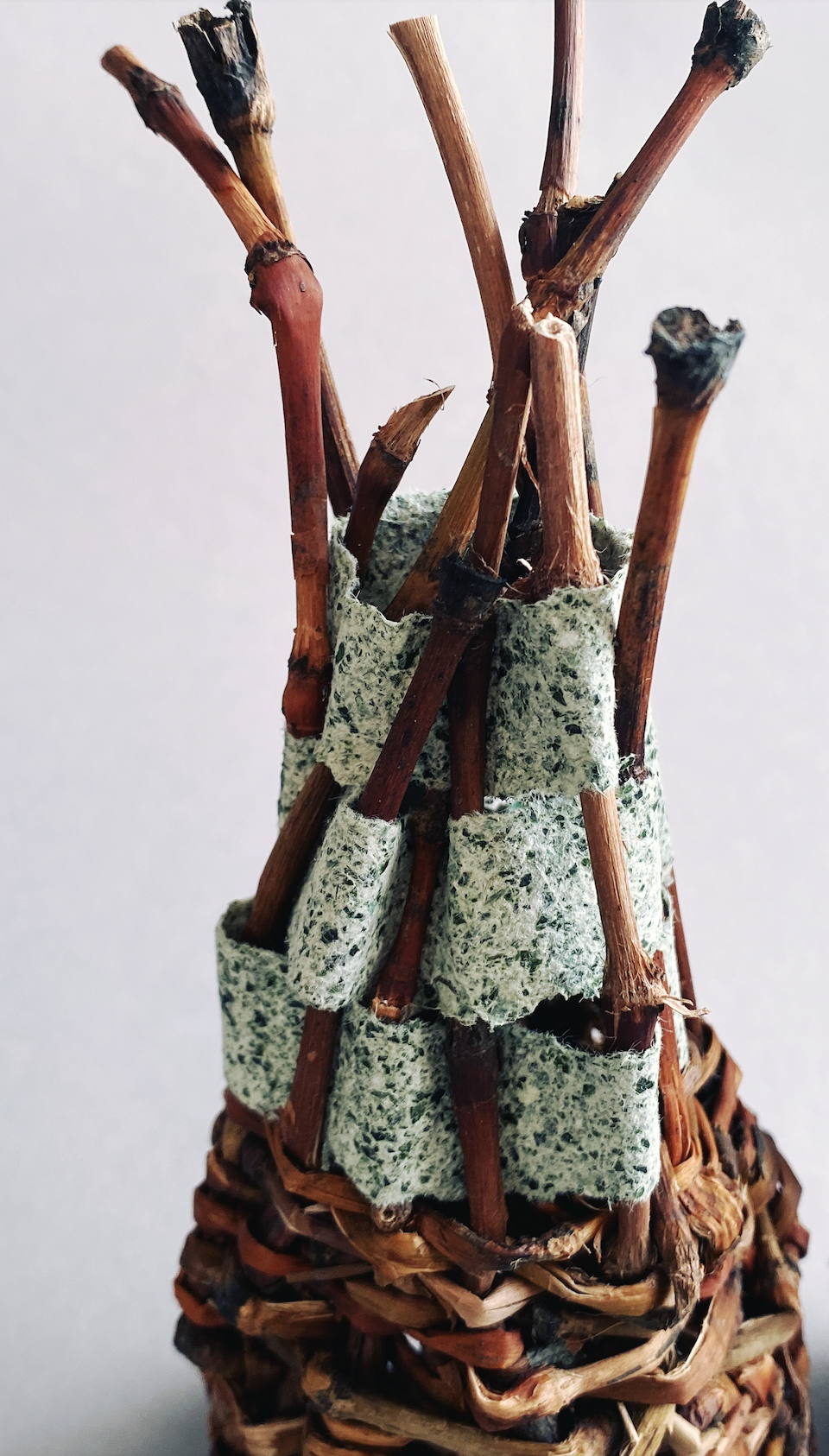
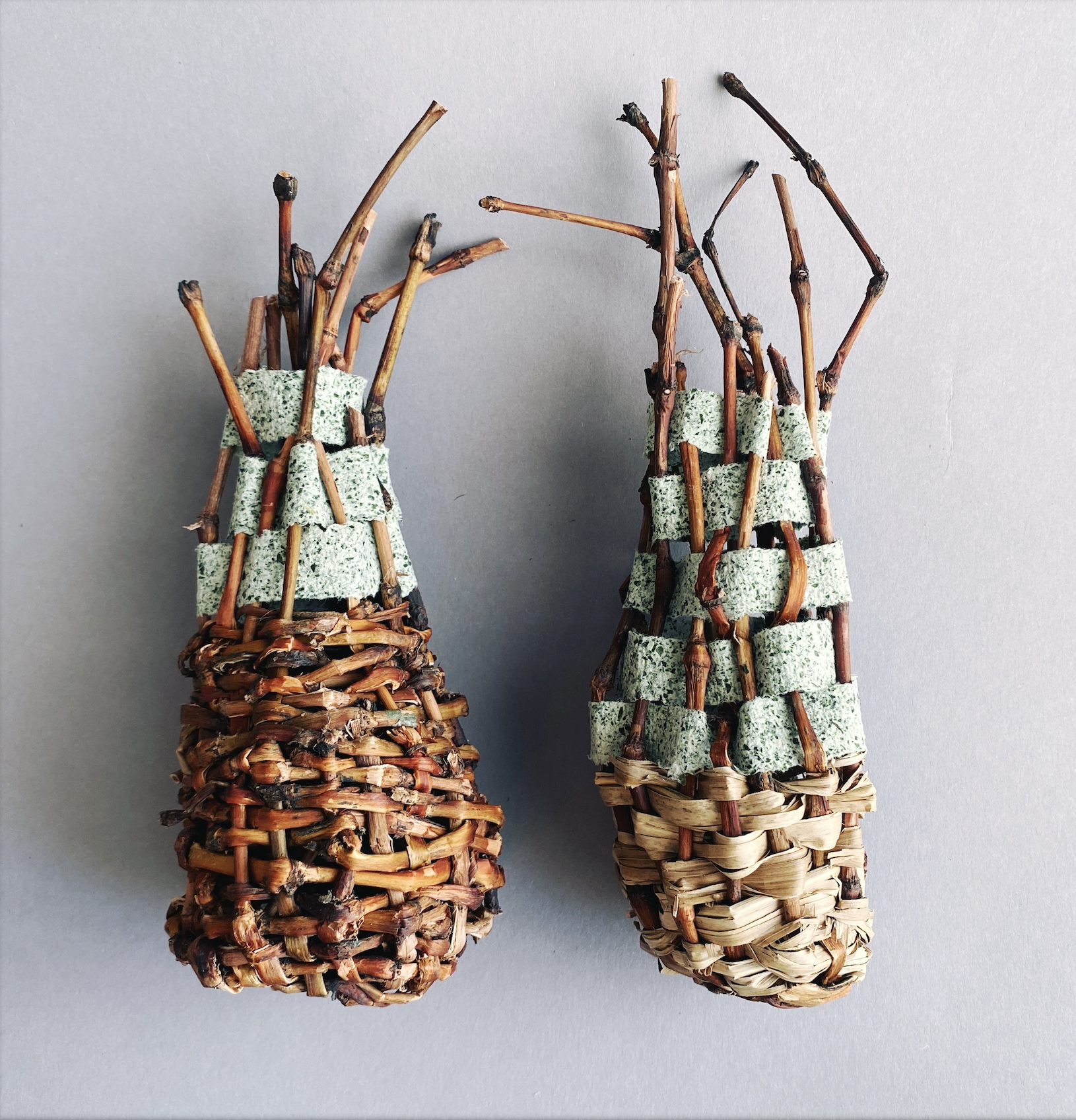
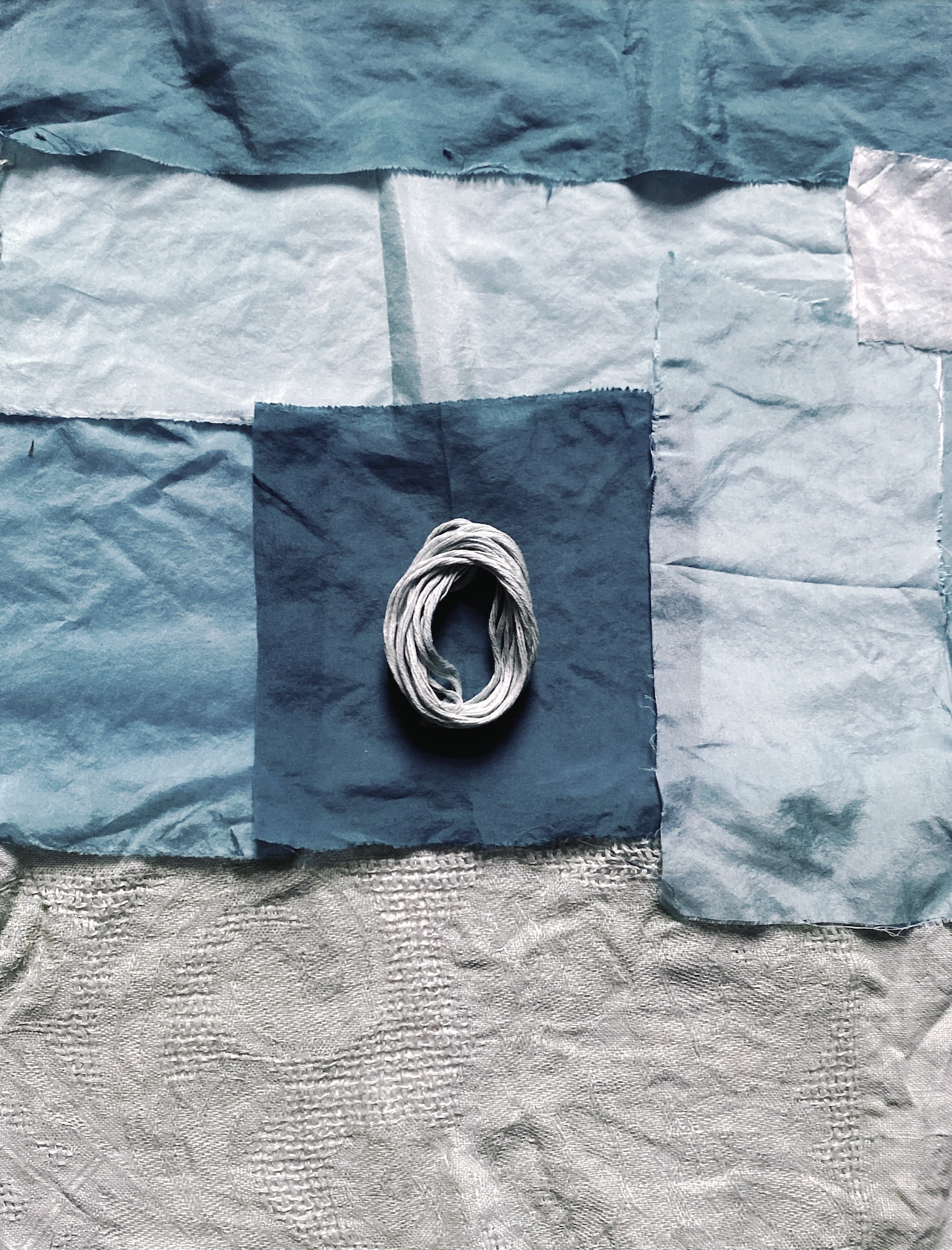
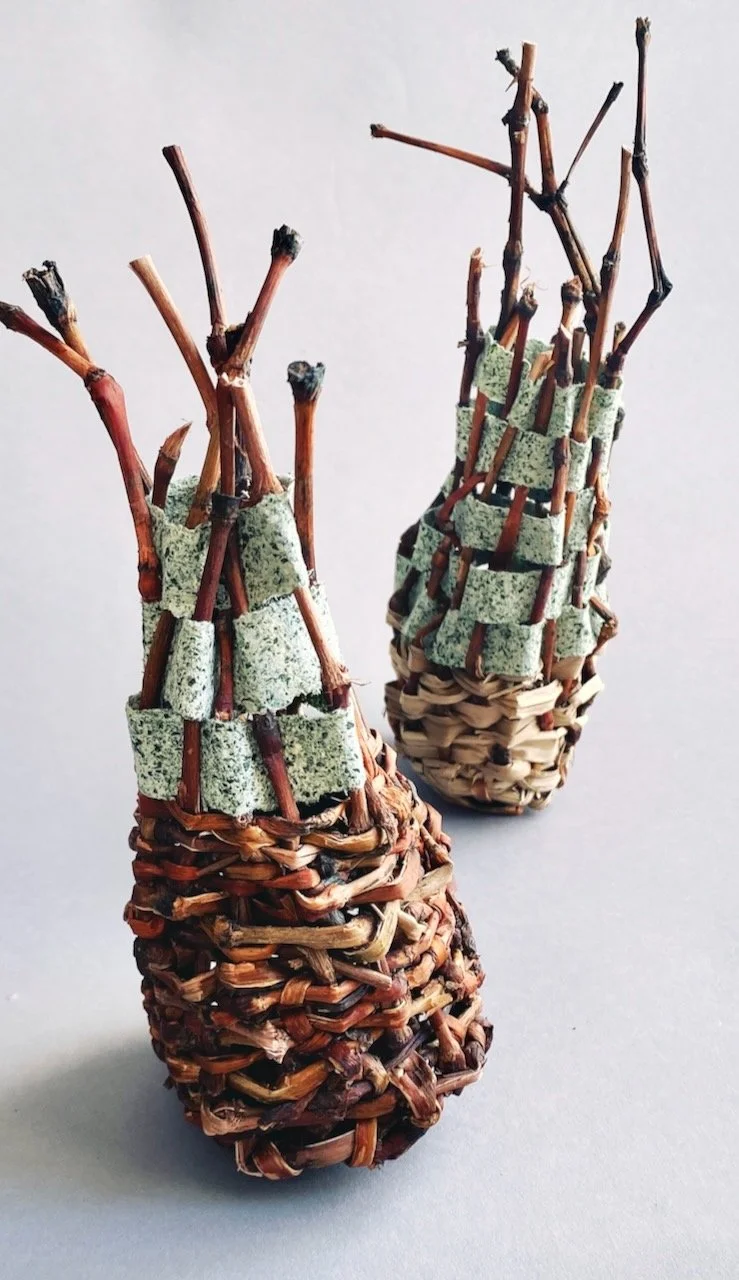
Indigo holds something of a mystical aura, being a plant that comes with such a wealth of history, culture and stories. Sarah has been captivated with its beautiful range of colours since taking a natural dying and weaving workshop in Laos nearly ten years ago. Now by growing it herself she is constantly learning more about this beautiful plant.
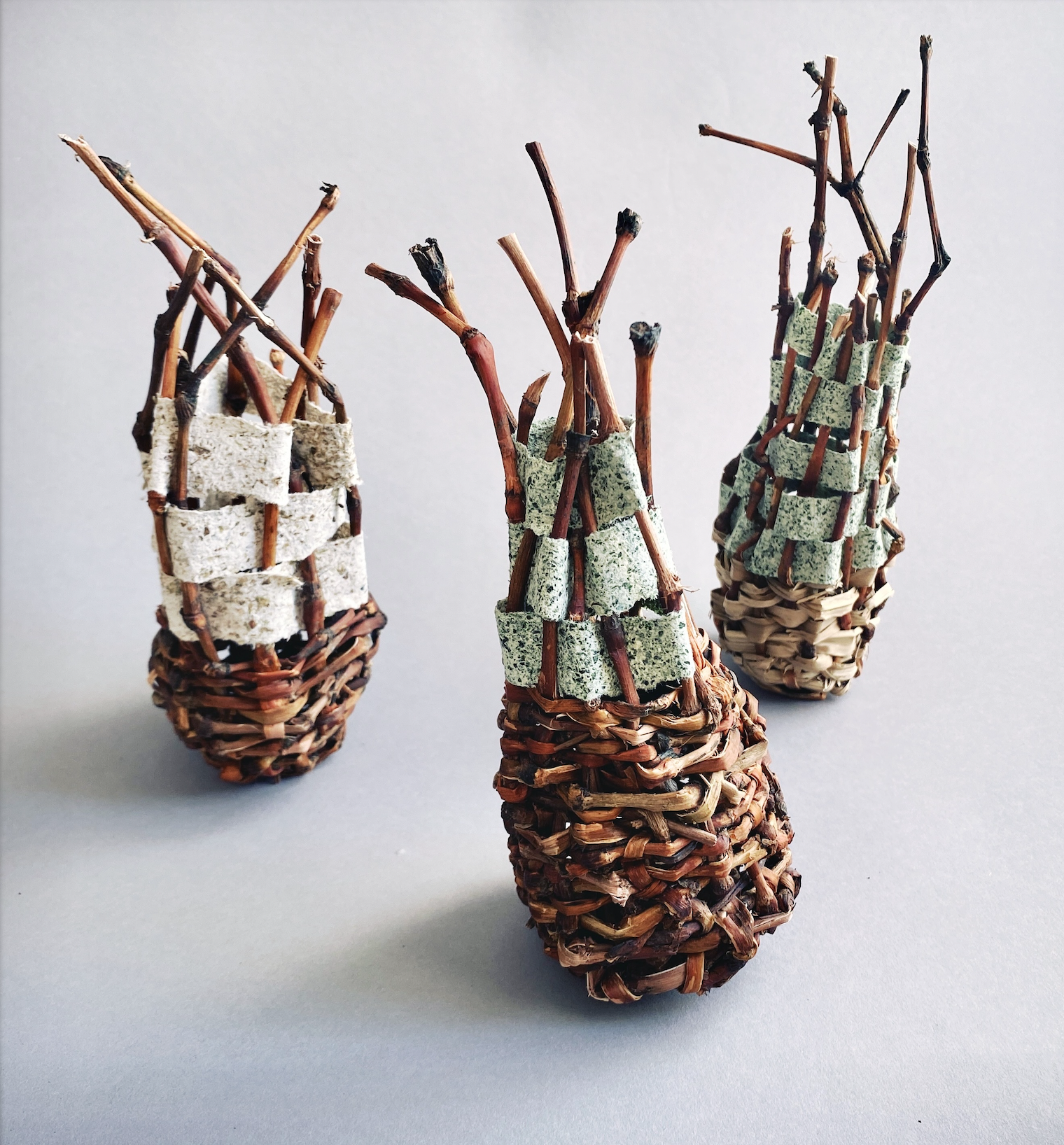
In this session Sarah will simply share with you how it is used within her practice, making sure to utilise the whole plant in different ways. Her ethos is always to waste as little as possible using the leaves to extract colour, make paper and the stems to weave tiny baskets and even the chaff from collecting the seeds can find a use. It is a useful and magical plant!
-
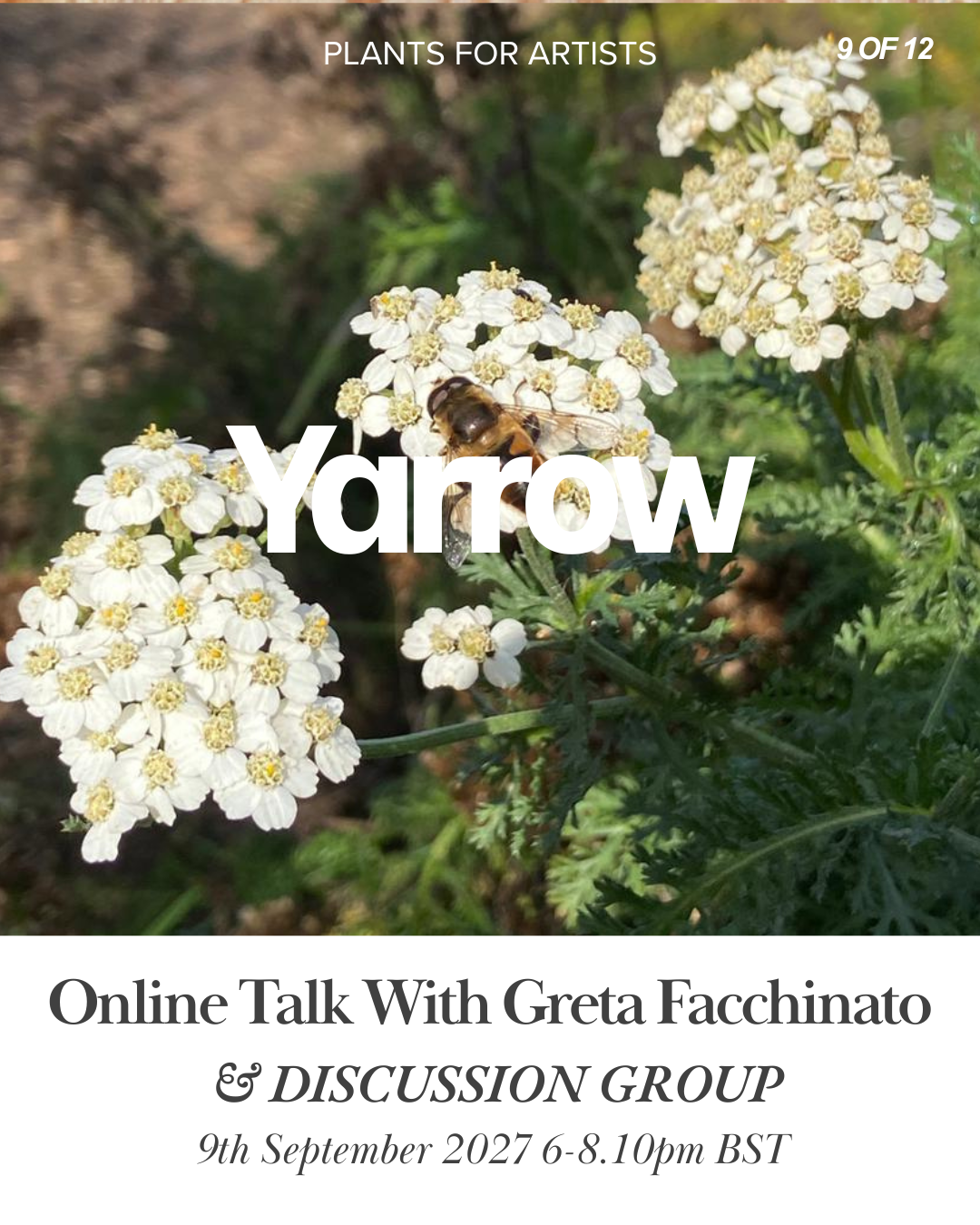
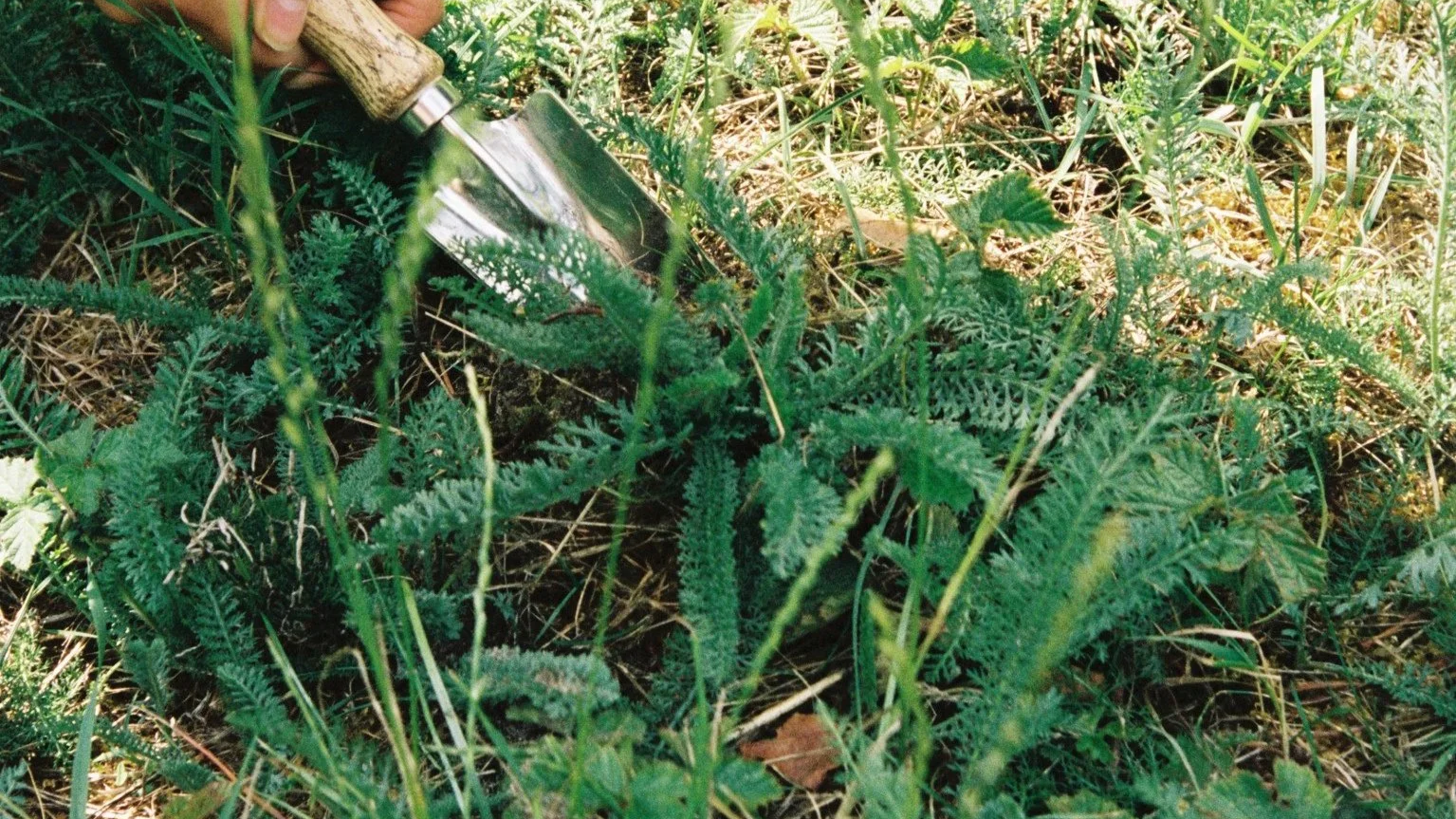
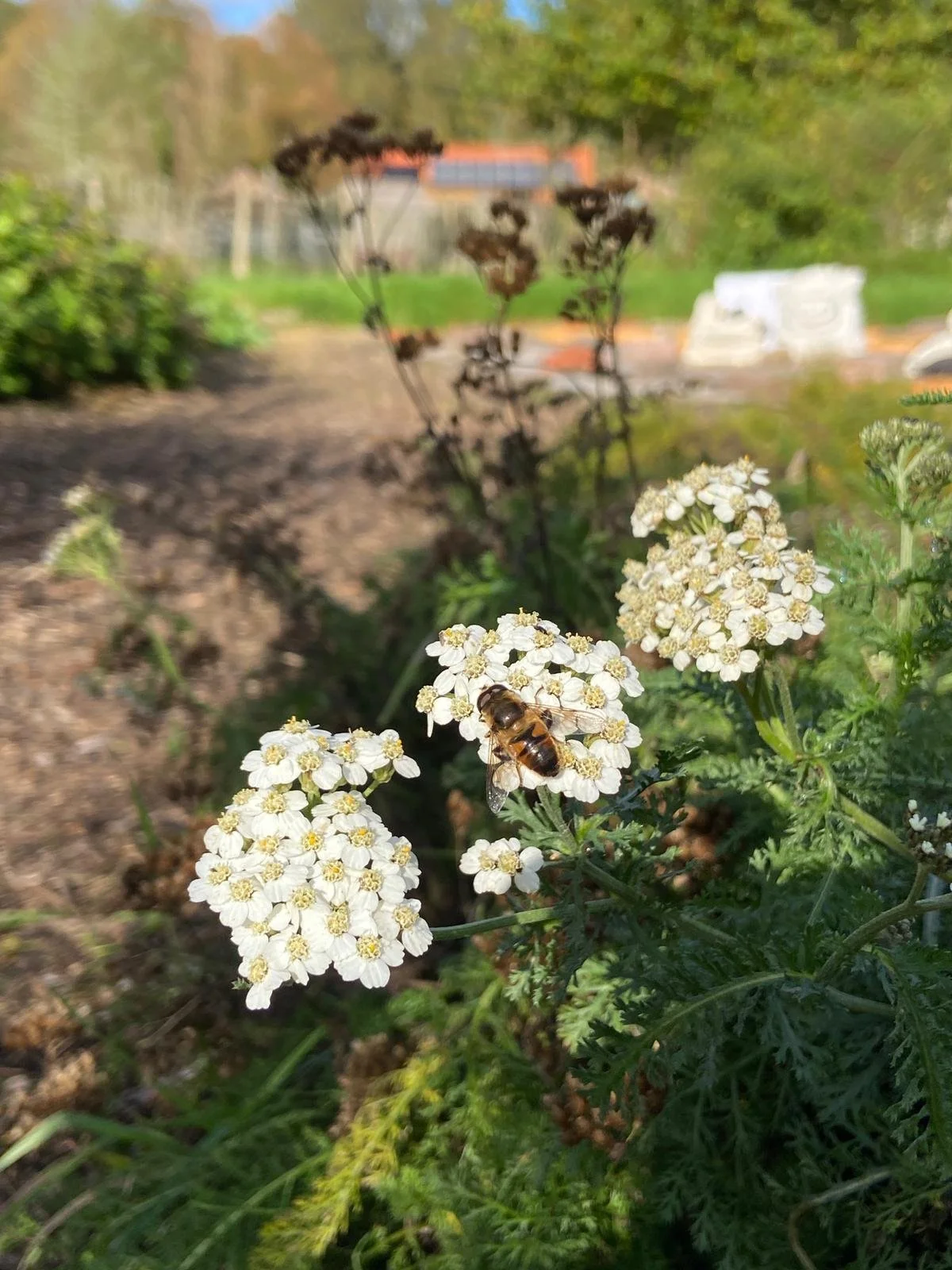
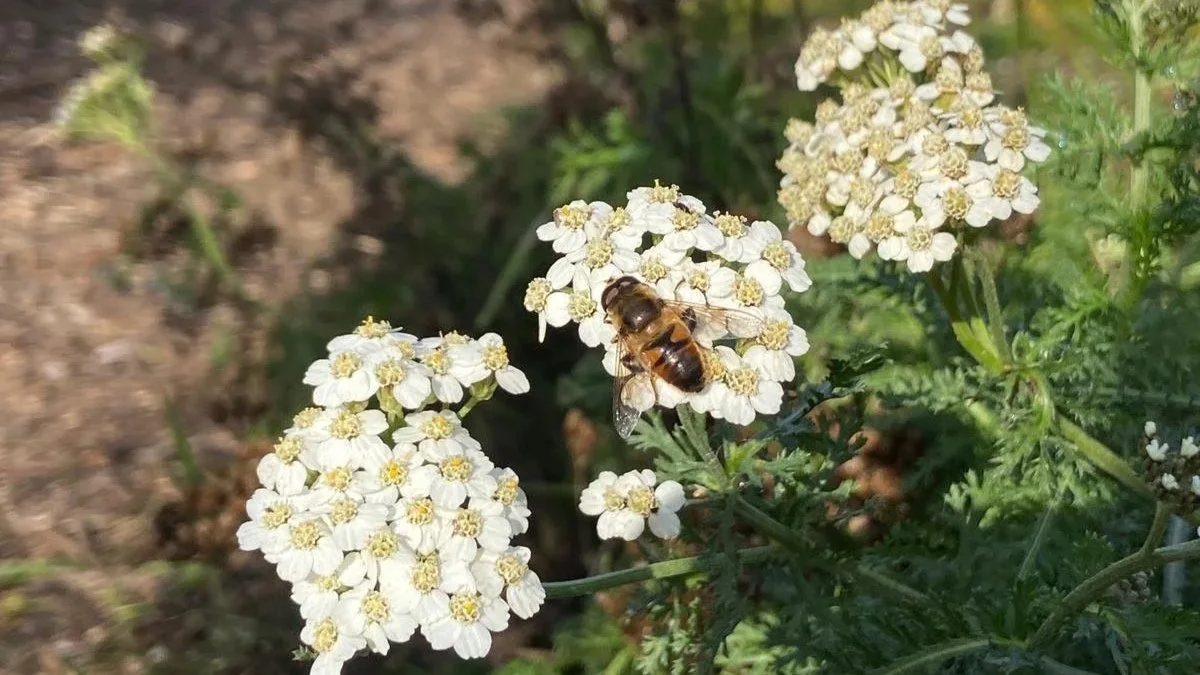
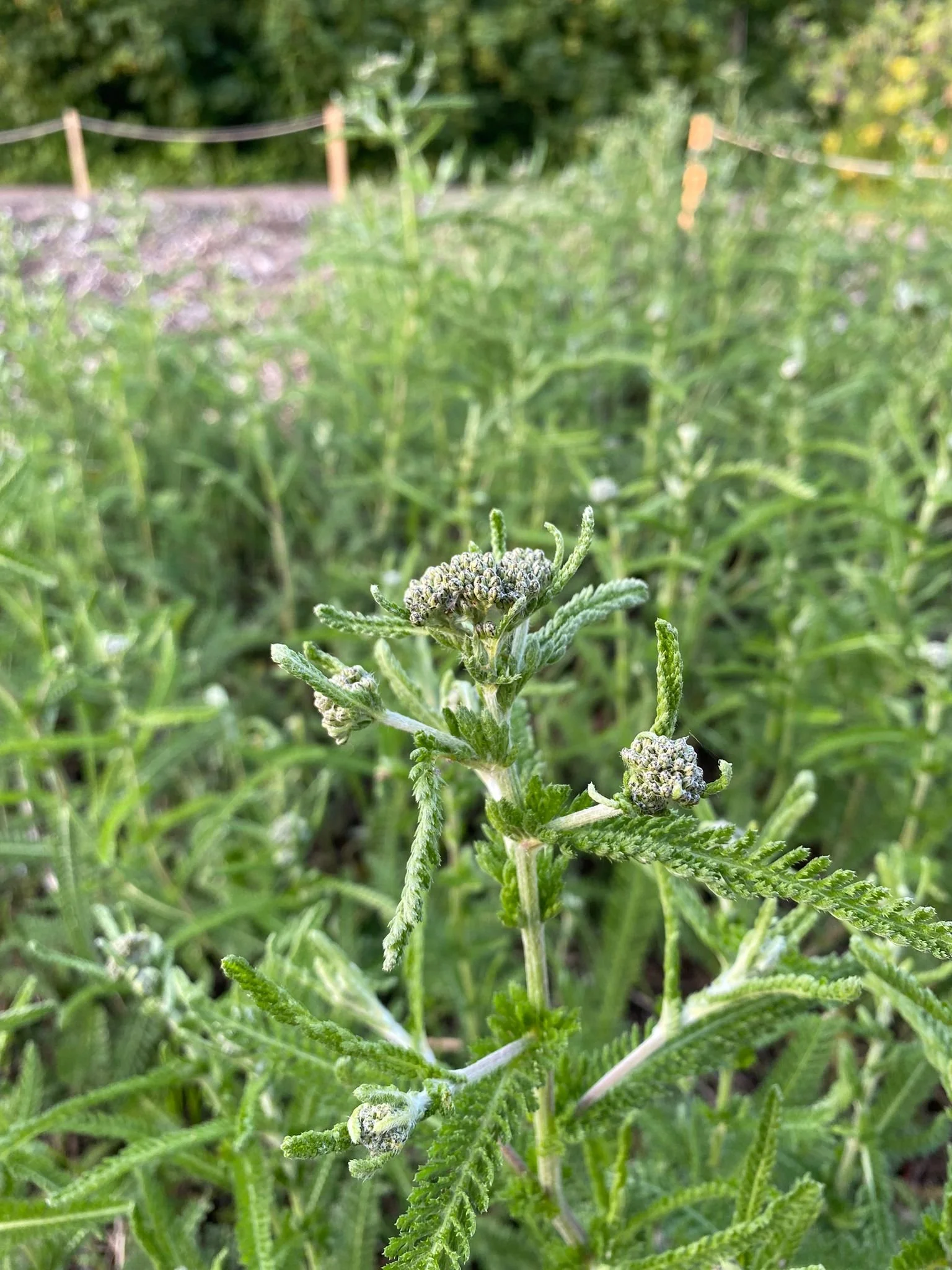
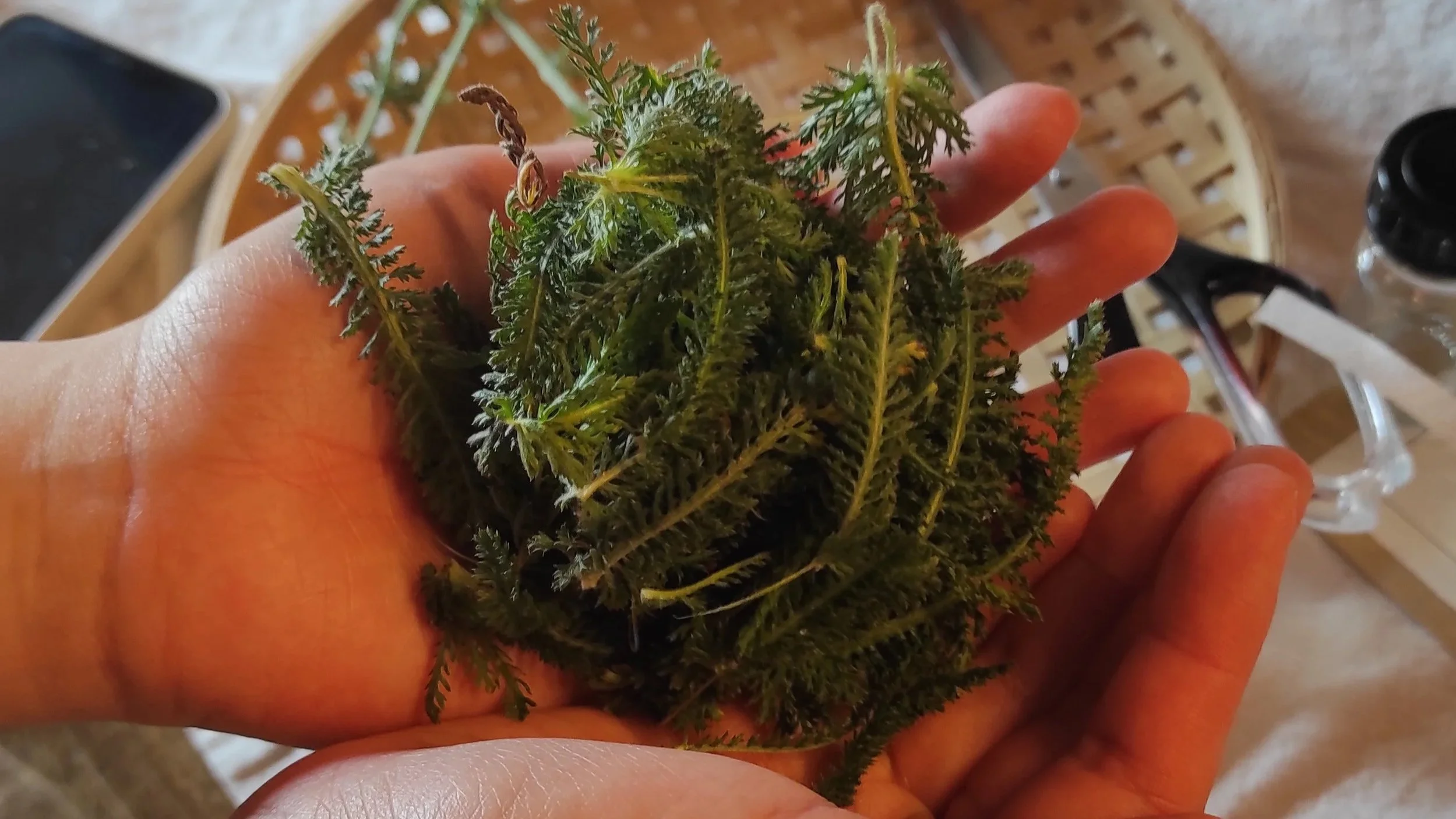
This session explores the history, botany, and personal insights behind yarrow (Achillea millefolium). Tracing its journey from seed to full bloom in her dye garden, Greta will share the story of discovering this extraordinary plant and its rich background.
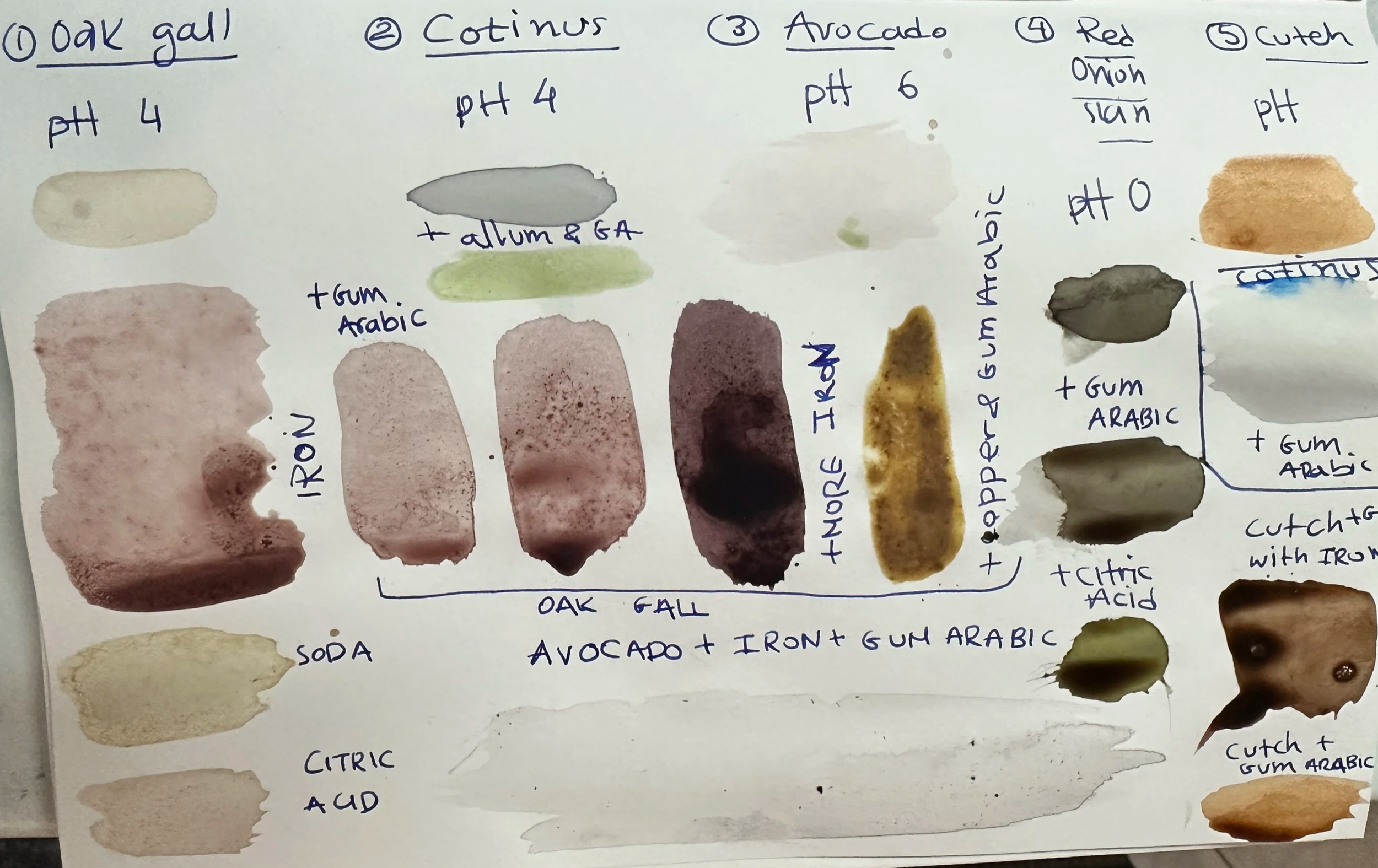
Often wild, hairy-leaved, and easily overlooked, yarrow grows from a modest leaf into an abundant plant with gifts that extend far beyond color. It attracts pollinators, deters garden pests, and serves as a subtle, essential companion for both the dye garden and the surrounding ecosystem. During the session, Greta will demonstrate how to extract color from yarrow and adjust its tones using pH modifiers to create natural ink.
-
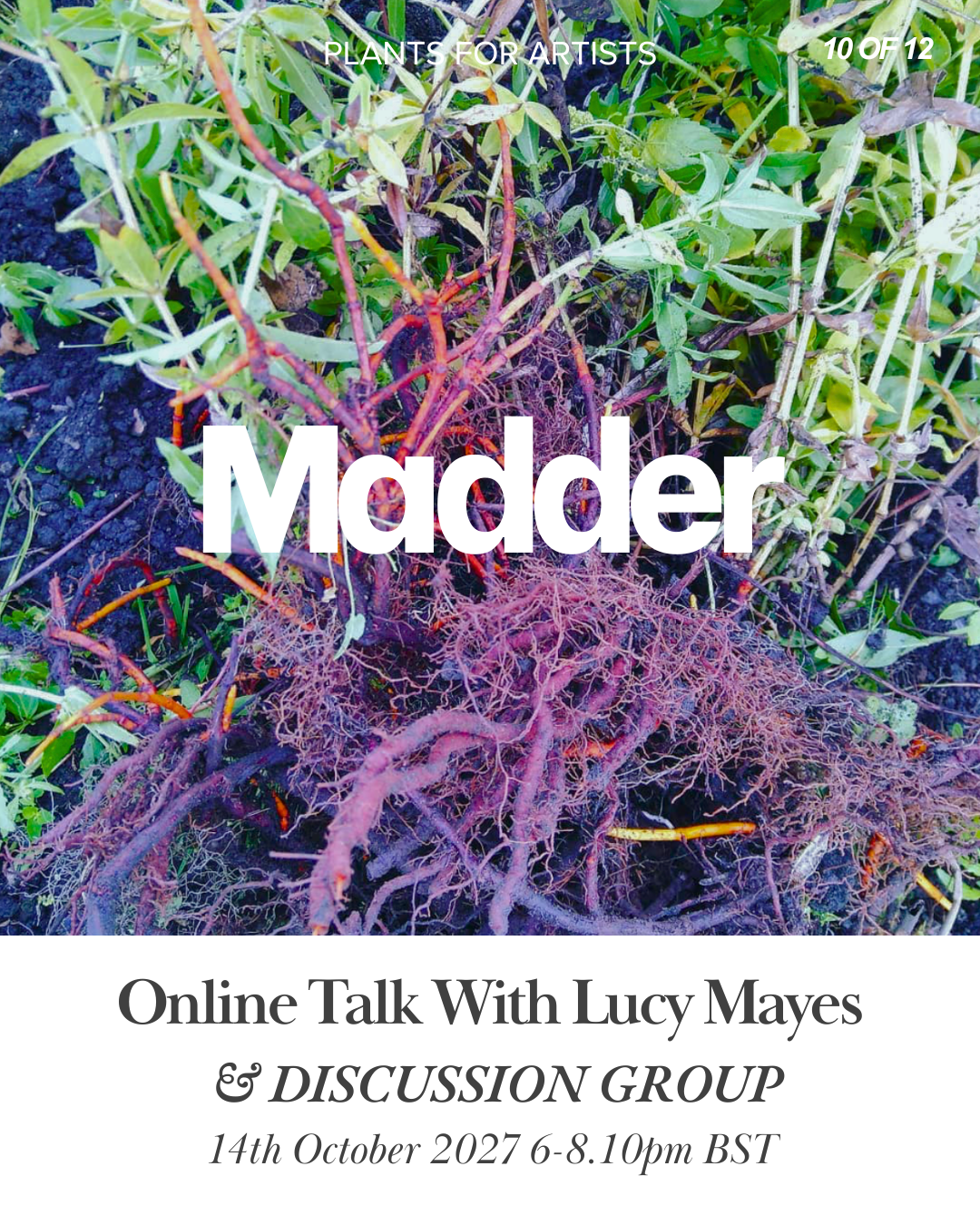
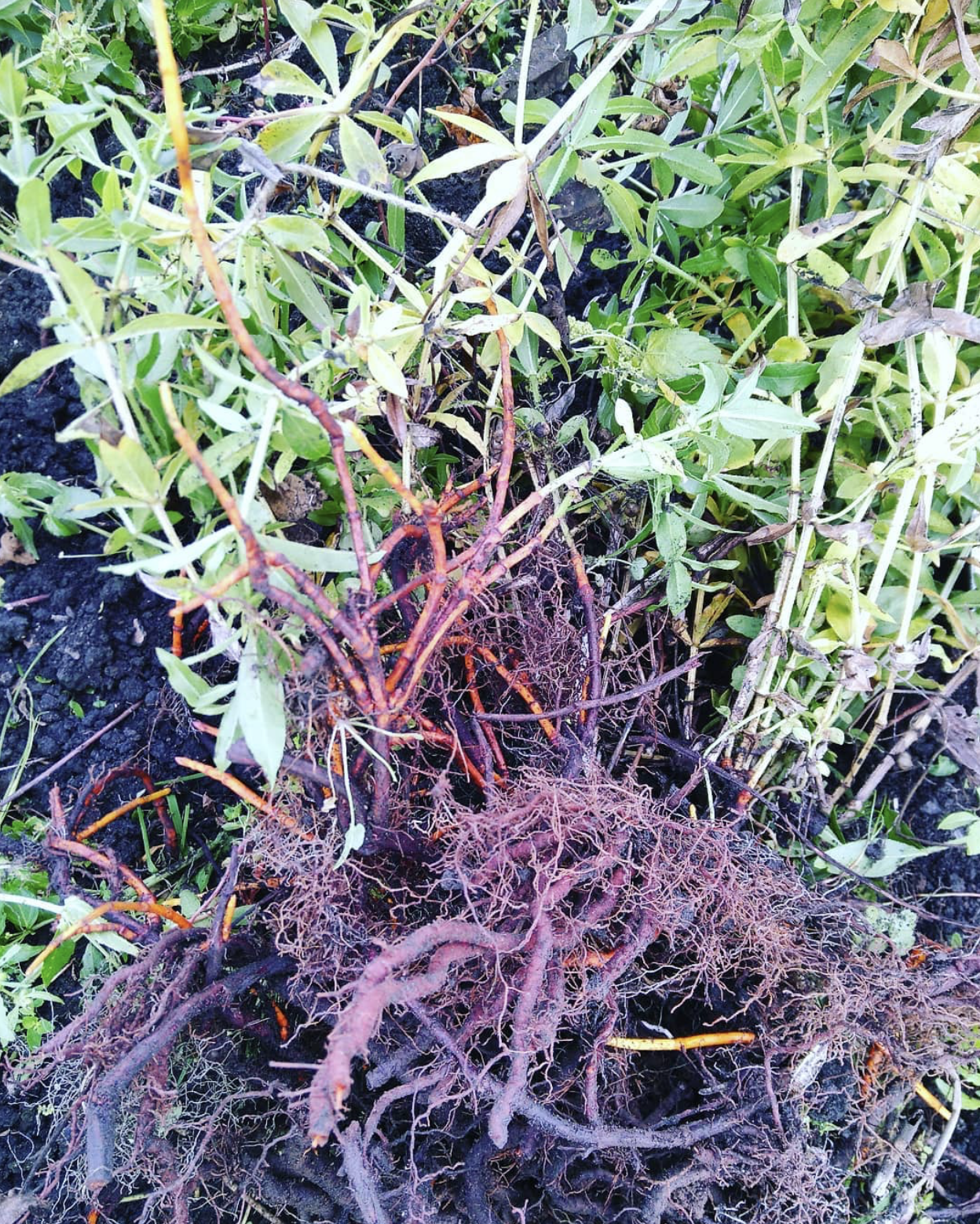
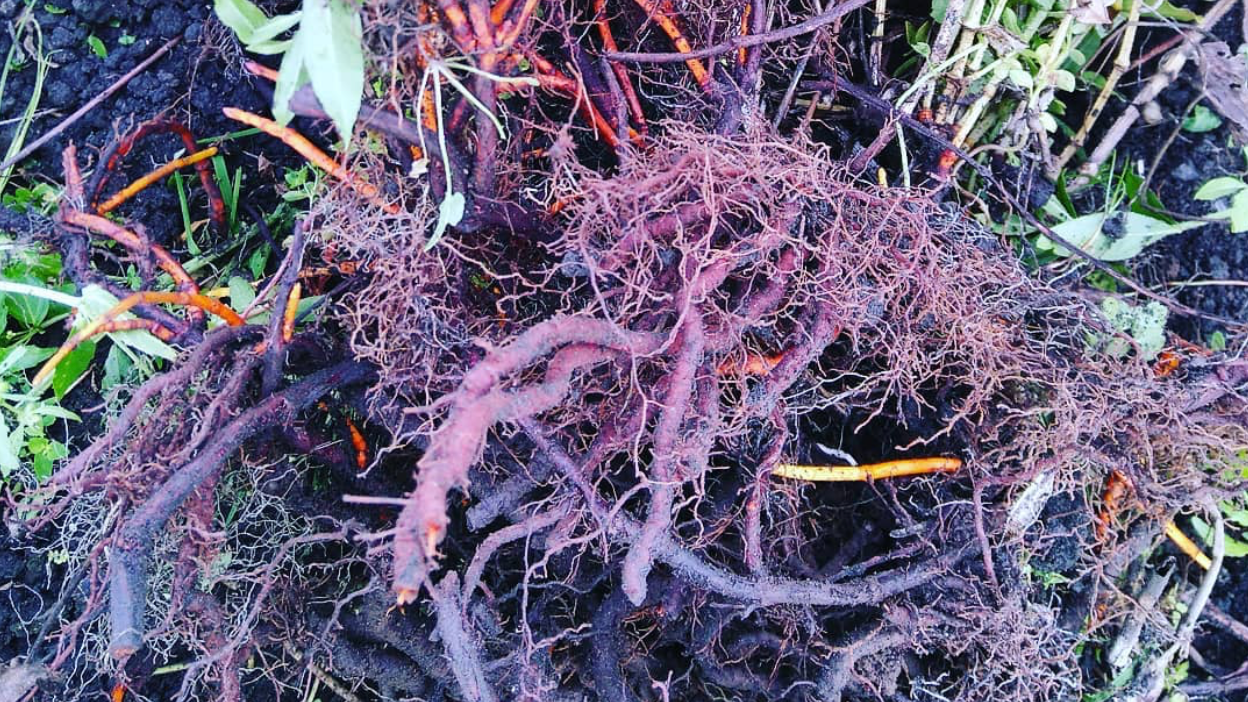
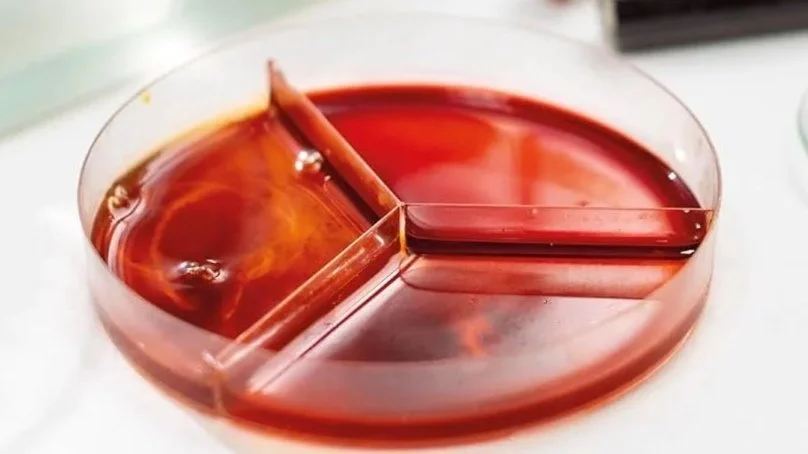
This session explores the history and chemistry of madder root, tracing its use from ancient textile dyeing to the transparent red lakes favoured by later painters. We will focus on the development of madder lake pigments and the role of colour-makers such as George Field in refining methods for producing clearer and more durable reds. The presentation will introduce the principal colourants found in madder, including alizarin and purpurin, and explain how extraction conditions, metal salts, and pH influence hue, stability, and permanence.
A live demonstration will show the preparation of a madder extract and its conversion into a lake pigment using alum and an alkali, illustrating how soluble dye molecules are transferred onto an insoluble substrate. We will briefly compare how selected metal salts can shift madder toward warmer, darker, or more violet tones, using historical samples where appropriate. The session will conclude with a simple paint test of the finished pigment, examining its transparency, glazing qualities, and characteristic soft red and rose tones.
-
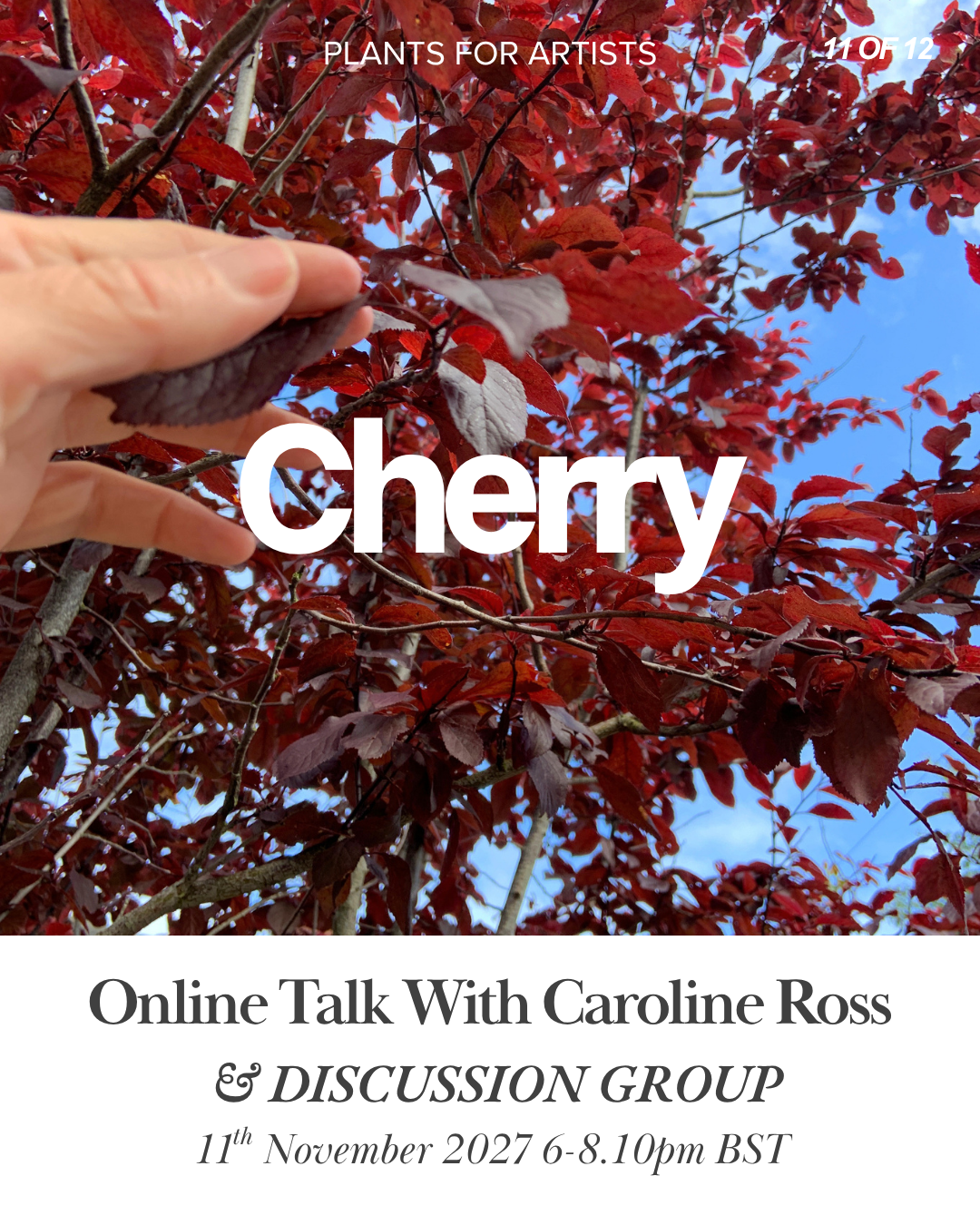
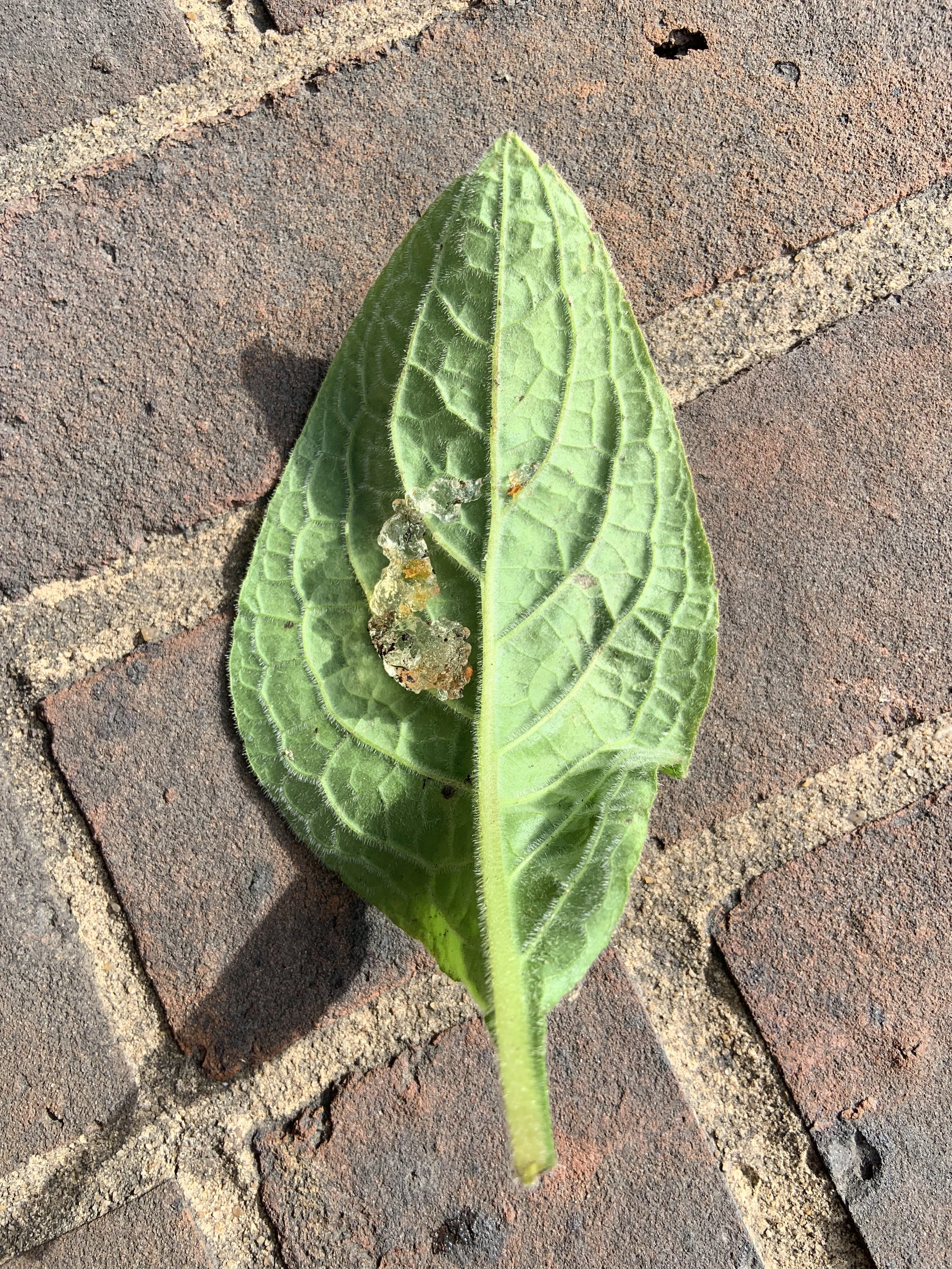
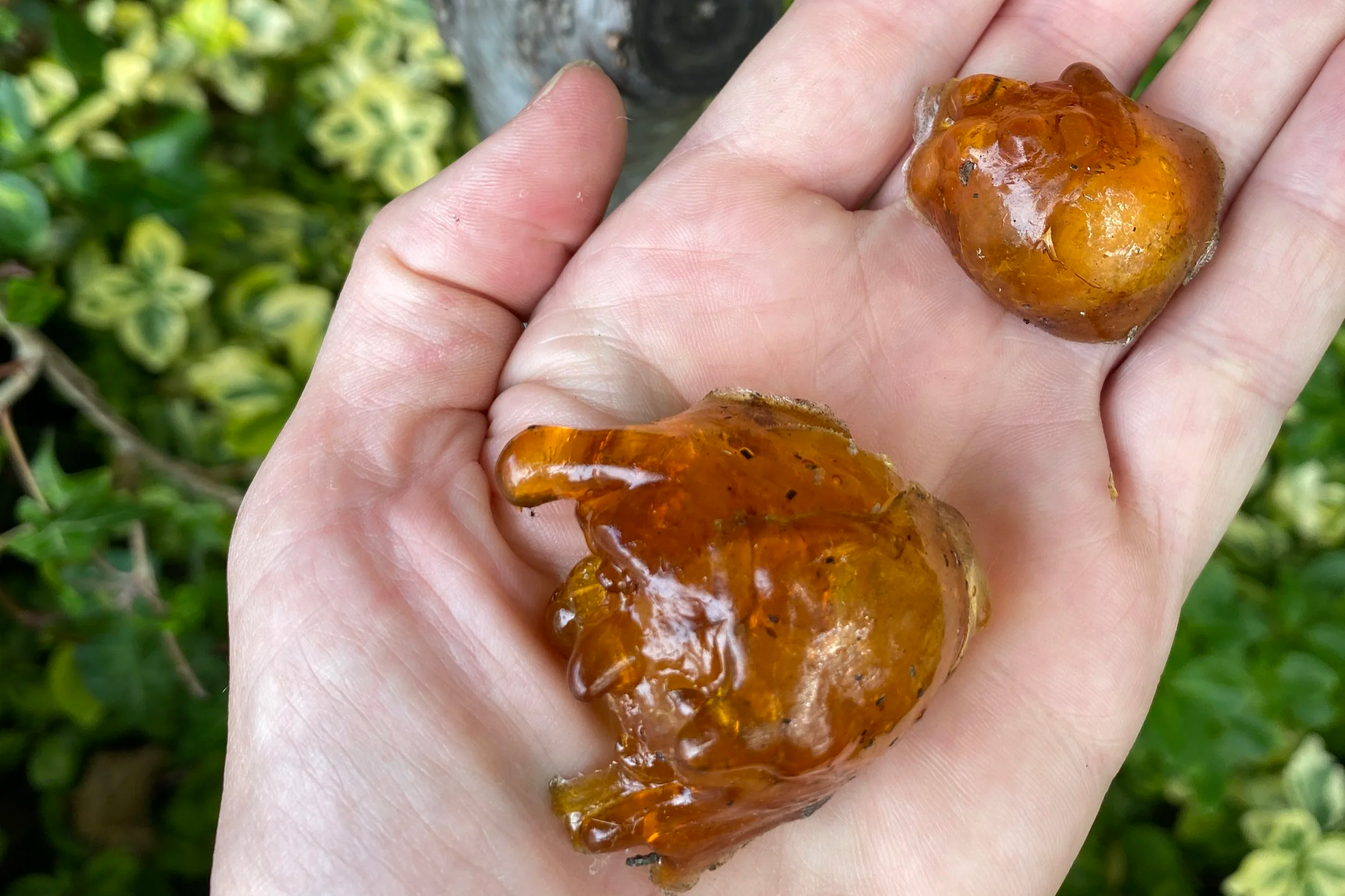
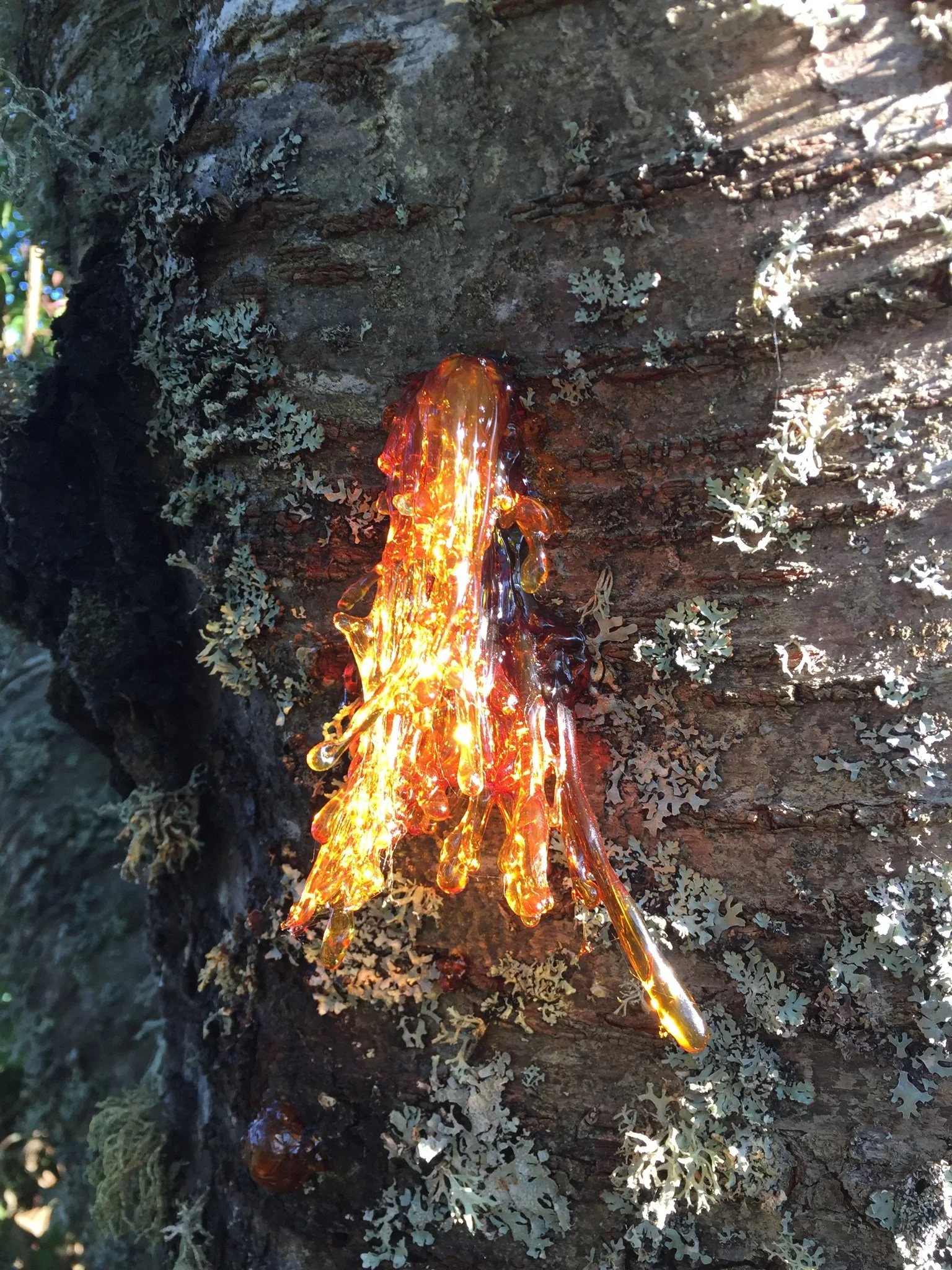
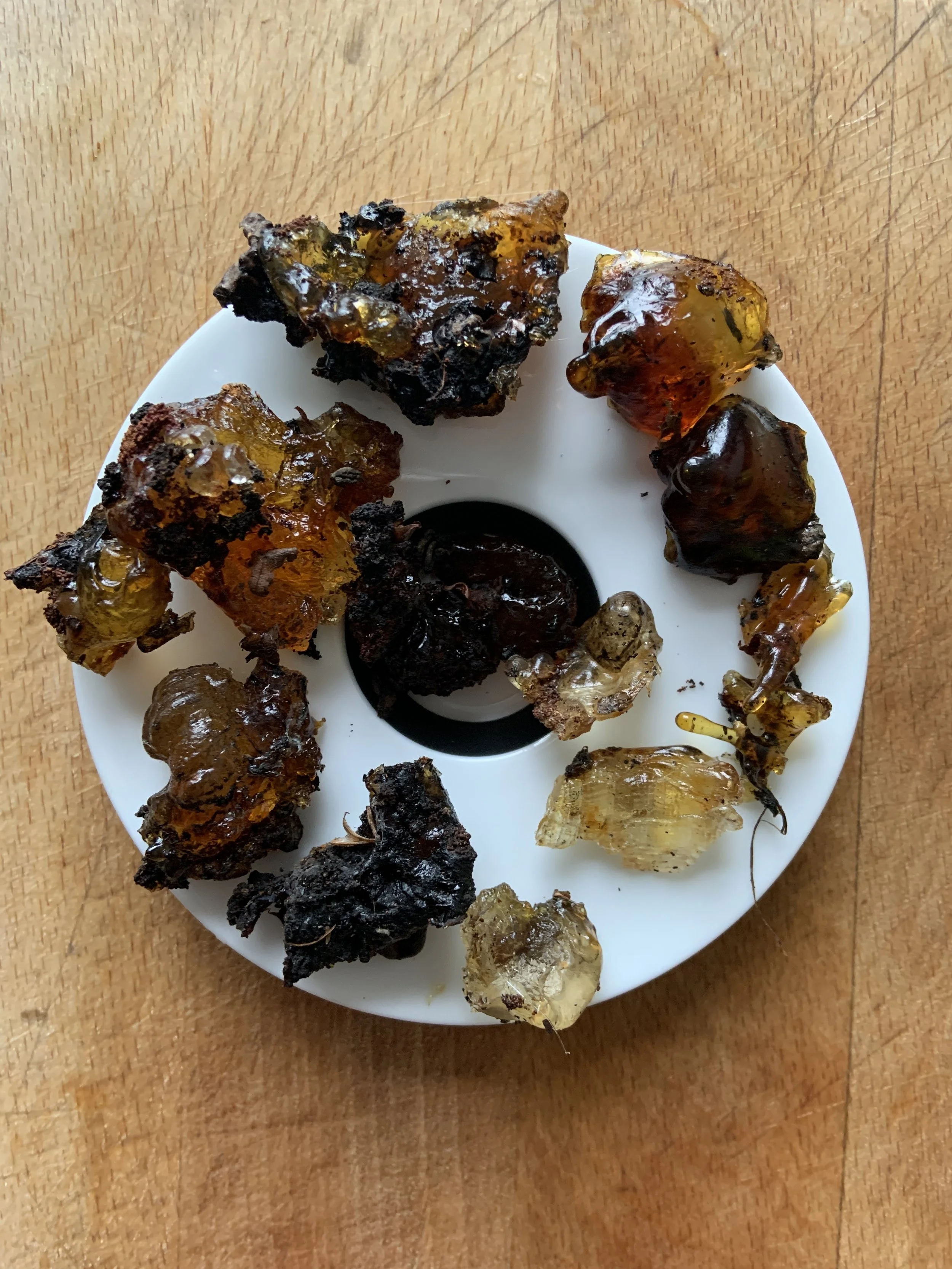
A personal and practical exploration of cherry trees (and other closely related prunus species, such as plum). This small to medium sized tree can be easily spotted by its abundant blossom in spring, late summer fruits and frequent gummosis (gummy sap leaking from fissures which looks like honey or amber).
Cherries are planted in urban environments the world over as well as being found wild or naturalised, widely across the globe. We will look at their history in art and design, how Sakura (cherry blossom) is sometimes revered in Japan, how it crops up frequently in folk, jazz and pop music, and how the fruits have long been used both in fine carving, wood turning and in story and metaphor.
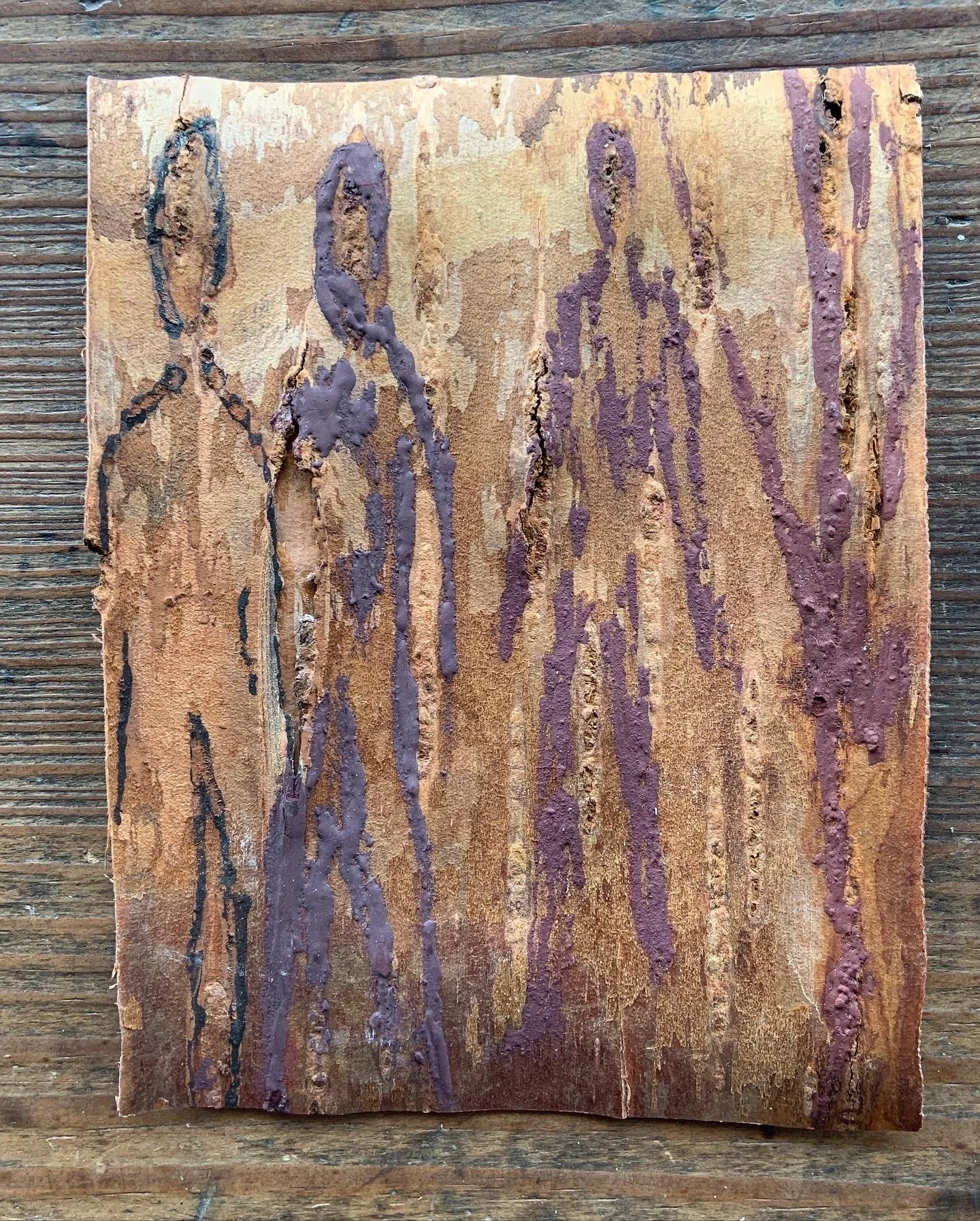
Then we will practically explore making colour from the fruits, leaves, petals, bark, sepia ink from the decorative cultivar with purple leaves, watercolour medium from the exuded gum and charcoal from prunings. Recipes, methods and troubleshooting will be shared.
-
A two hour session for all the group members to share their reflections on the past year together and set intentions for the future.
Hosted by Isobel Denton and Natalie Stopka
Join a community of artists and makers exploring working with plants for paints, inks, dyes, pigments, and other uses; to share ideas, explorations, and questions.
Alder
Japanese Indigo
Turnsole
Privet
Dyer's Chamomile
Cotinus
Cotinus
Yarrow
Madder
Madder
Weld
Cherry
CONTRUBUTORS
-
![]()
Elisabeth Viguie Culshaw
Elisabeth Viguie Culshaw (aka Betty) is a color maker and educator, working only from Nature. Originally trained in Decorative Arts by Christie’s the auction house, she spend her working life in heritage stencilled schemes conservation.
In 2015 she branched out to the Eco world and is currently essentially working from plants and earth pigments in both Botanical printing and Indigo dyeing.
Born in France she lives and works in Scotland where she runs a sustainable studio in Glasgow. She frequently travels to teach and learn to France and South East Asia.
She is the author of “Botanical Printing On Paper” (Crowood press 2026), The online Botanical printing method “The True Colour of the Cotinus”, and grows “The Indigo Plot” an Indigo garden in the grounds of the Glasgow Botanical garden. She runs Eco colours retreats in France and Thailand.
In 2026 she will host “Shades of Blue” a solo exhibition about Indigo in Scotland.
-
![]()
Isobel Denton
Issy is a textile artist specialising in traditional practices creating natural inks & dyes for textile & paper applications. She works from her studio in West Yorkshire under the name of ‘abitmoreink’. She became interested in dyes, and dyeing techniques whilst originally working in theatre, film and television, as a costumier. For the last 3 years she has been creating an extensive dye garden - growing plants for use in her own practice. Presently, she is focussed on developing a 3D sculptural work using various traditional craft practices and making paper using plants such as flax and other materials she either grows, or forages locally. In addition to her own practice she regularly delivers workshops at various venues. She also works with many arts based organisations and in schools, to create pieces for exhibitions that explore the narrative of natural dyeing and related processes.
‘I'm focused on growing my dye plants, as I have a large dye garden. I'm more of a generalist when it comes to using the materials I grow and a general experimentalist. Sustainability is at the core of my practice, and more recently my work has been exploring paper-making and sculptural forms. I’ve just co-created an exhibition with children from @makerworldhudds called Biophilic Sculptures as part of the Woven Festival, made entirely from sustainable materials—recycled paper and textiles, naturally dyed with plants from my garden.’
-
![]()
Sarah Grace Dye
Sarah Grace Dye is a visual artist who loves to find a use for and beauty in the ephemera of the everyday. Working with these objects has become like an alchemic practice enabling a transformation to take place. She believes learning to use the materials that surround us is important and her ethos dictates that it is important to waste nothing, that everything has a purpose and unique attributes to be examined, explored, elevated and a new purpose discovered. In essence, to search out beauty and hope in everything. The resulting alchemic objects are to be celebrated, shared and treasured.
Sarah is a collector and uses papermaking, natural dye and ink making, drawing, cyanotype, stitch and origami to create work, often within book structures, that amalgamates these together to produce small and perfectly formed keepsakes that echo the essence of the materials and story they communicate.
Sarah is a firm believer that everyone has the capacity to be creative and she is keen, wherever possible, to provide the catalyst for that to be realised. Her belief in the freedom to play and discover ones own marks is central and she is constantly developing this area within her own practice.
-
![]()
David Begley
David Begley is an award-winning Irish artist, filmmaker, charcoal maker, and arts educator. He works across drawing, painting, monotype, video, sound, and animation. He has exhibited widely in Ireland and internationally.
His work moves between figuration and abstraction and is often inspired by invented mythologies. To make his large drawings and animations he gathers driftwood along the Wexford coast and bakes it into charcoal, producing a deep, soft black. Flame, smoke, and breath recur throughout his monochrome works, where elemental processes become part of the image itself.
Begley is drawn to the act of discovering an image rather than imposing it, working intuitively with materials until a form begins to reveal itself. This approach is central to his monotypes, where images emerge through gesture, pressure, and chance. Figures surface from darkness and dissolve back into it, inhabiting threshold states between presence and disappearance. Hybrid bodies, watchers, and archetypal forms gather within shifting fields of black, suggesting transformation and myth.
In 2020 he was commissioned by Wexford County Council to create The Monk’s Garden, a visual art, heritage, and gardening project. During this project he began making and painting with botanical inks.
Begley is also a renowned art facilitator and tutor, known for his energy, enthusiasm, and generosity. He leads workshops for adults in museums and public art centres across Ireland including Intuitive drawing at IMMA — the Irish Museum of Modern Art for National Drawing Day 2026. He contributed to Making Charcoal for Artists by Kate Boucher (The Crowood Press, 2024).
David is currently working on a commissioned charcoal animation based on the life of Dutch cellist, Frieda Belinfante (1904 - 1995).
-
![]()
Caroline Ross
Caroline Ross is an artist, writer and teacher living by the sea in Bournemouth. Her debut book ‘Found and Ground: A Practical Guide to Making your own Foraged Paints’ was published by Search Press in June 2023. She is writing the follow up about ancient and foraged drawing materials, ‘Drawn From the Wild’ to be published spring 2025. Using what nature provides and repurposing what humans discard are a large part of her practice. After the rooks have feasted on the riverbank, the empty mussel shells become paint palettes. The seasonally moulted flight feathers of local swans and geese become quill pens and brushes. Chalk dug out from their setts by badgers is left in piles in the woods, where she gathers it and take it home to make gouache. Caroline makes paints from foraged earth pigments from around the UK, and art tools and inks from natural, wild, and found materials such as oak galls, rusty nails, elderberries, bay leaves and cherry tree gum. The natural fluctuations of materials and the botanical ink stains or ochre paints forming prepared grounds on paper, all suggest forms with which she works.
-
![]()
Lucy Mayes
Lucy Mayes is an artist and pigment maker & researcher working in London and Hampshire. Her work as ‘London Pigment’ uses urban waste stream materials to make recycled pigment. Her practice is centred on the use of unusual, surprising or esoteric raw materials to make colour as a way of documenting events or ‘happenings’. Verdigris made from copper wire stripped from burnt-out mopeds, soot and ash from park fires and construction rubble have all been used in her work to make new pigments. Her colour-making practice centres on creating sustainable pigments from anthropocene waste streams. She works in the capacity of pigment/colour consultant and has worked with Neptune Interiors Ltd, Jaguar Land Rover, Royal Cornwall Museum, V&A, Kew Gardens on pigment projects. She previously worked as product developer and pigment specialist at renowned colourman L.Cornelissen & Son where she developed their historical pigment archive. She teaches pigment making at institutions nationally and hopes to re-orientate our connections to colour; through the creation of intimate relationships with matter formed through embodied making.
-
![]()
Carolyn Sweeney
Carolyn Sweeney is an artist and art teacher based in Portland, Oregon. She uses mineral and botanical color on paper, mostly foraged from public roadways and the compost piles of neighbors. Carolyn has a BA in Fine Art from Whitman College and later studied textiles at Oregon College of Art and Craft. It was in the midst learning to weave and spin that Carolyn first encountered natural color, using natural dyes for her textile projects. After having a child she went back to working on paper, and started making botanical inks from her natural dye plants. From there she discovered mineral pigments and making her own watercolor paints. She now uses Carolyn Sweeney is an artist and art teacher based in Portland, Oregon. She uses mineral and botanical color on paper, mostly foraged from public roadways and the compost piles of neighbors. Carolyn has a BA in Fine Art from Whitman College and later studied textiles at Oregon College of Art and Craft. It was in the midst learning to weave and spin that Carolyn first encountered natural color, using natural dyes for her textile projects. After having a child she went back to working on paper, and started making botanical inks from natural dye plants. From there she discovered mineral pigments and making her own watercolor paints. She now uses a variety of handmade artist materials- watercolors, lake pigments, pastels, egg temperas, soy wax crayons, and others that defy neat categories. Carolyn’s own art practice seeks to center these natural materials as co-creators, finding inspiration in the relationships between humans, plants, and the very earth beneath our feet.
-
![]()
Natalie Stopka
Natalie Stopka is a New York based interdisciplinary artist and educator focused on the material history of color and sustainable studio practice. She captures material and elemental interactions in her collaborative, experimental printmaking practice. Raised on the south coast of Massachusetts, she holds a BFA from the Rhode Island School of Design and MFA from the University of New Mexico, Albuquerque. Natalie is the author of From Plant to Pigment: How to make your own vibrant inks, pastels and paints, published by Skittledog in 2025.
-
![]()
Greta Facchinato
Greta Desirèe Facchinato (IT/LU) is a research-based multidisciplinary artist and designer. She holds a Masters in Artistic Research from KABK Den Haag (NL) and a Batchelors in Visual and Performance Arts with a specialization in Sculpture from Accademia di Belle Arti di Venezia (IT). Through the crossflow of different mediums and the investigation of daily life encounters, gestures, and materials her practice invites us to experience matter from an embodied awareness. She runs a studio focused on research and sustainable education through natural materials, illustration and creative workshops. In 2021 with her project Colour is Alive she researched organic ink making for screen printing. Since then she is been working with the knowledge of color and the interconnection with our environment through the practice of making sustainable ink for printing techniques.
-
![]()
Annie Hogg
Annie Hogg is a visual artist based in Co. Tipperary, Ireland, where she lives and works with Archy, a Hound.
Her work explores power relations and resources. Aiming to see both human and other than human responses and outcomes in human led situations.
She works with natural materials in traditional and innovative ways within her studio based practice predominantly through sculpture and installation, and has recently begun to incorporate social engagement, sound and moving image.
After receiving a BA in sculpture from Aki College of Art, The Netherlands, she worked on environmental campaigns, studied organic horticulture returning to a full time creative practice in recent years. These tendrils remain important within her visual language.
Annie enjoys delivering engaging workshops, talks and lectures on materials and processes within her own practice and the greater realm of natural colour and material use.
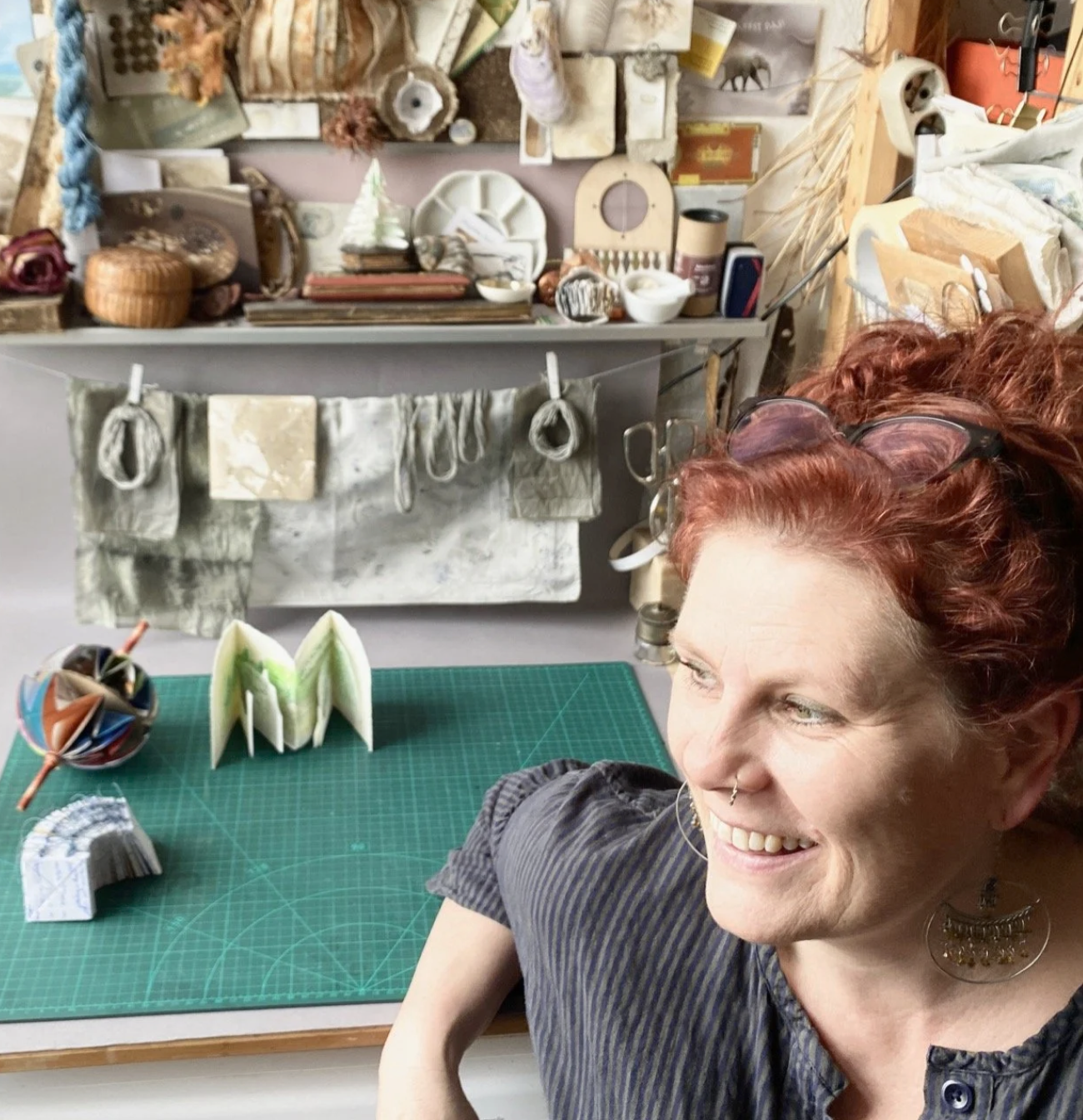
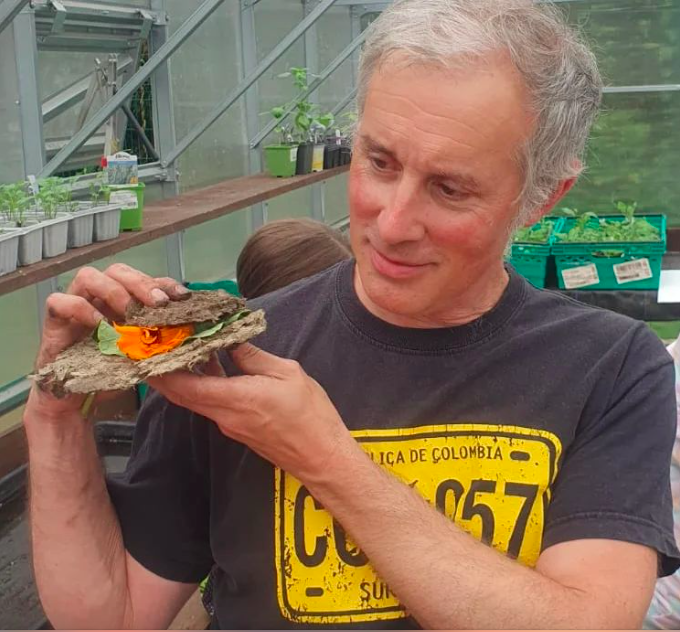
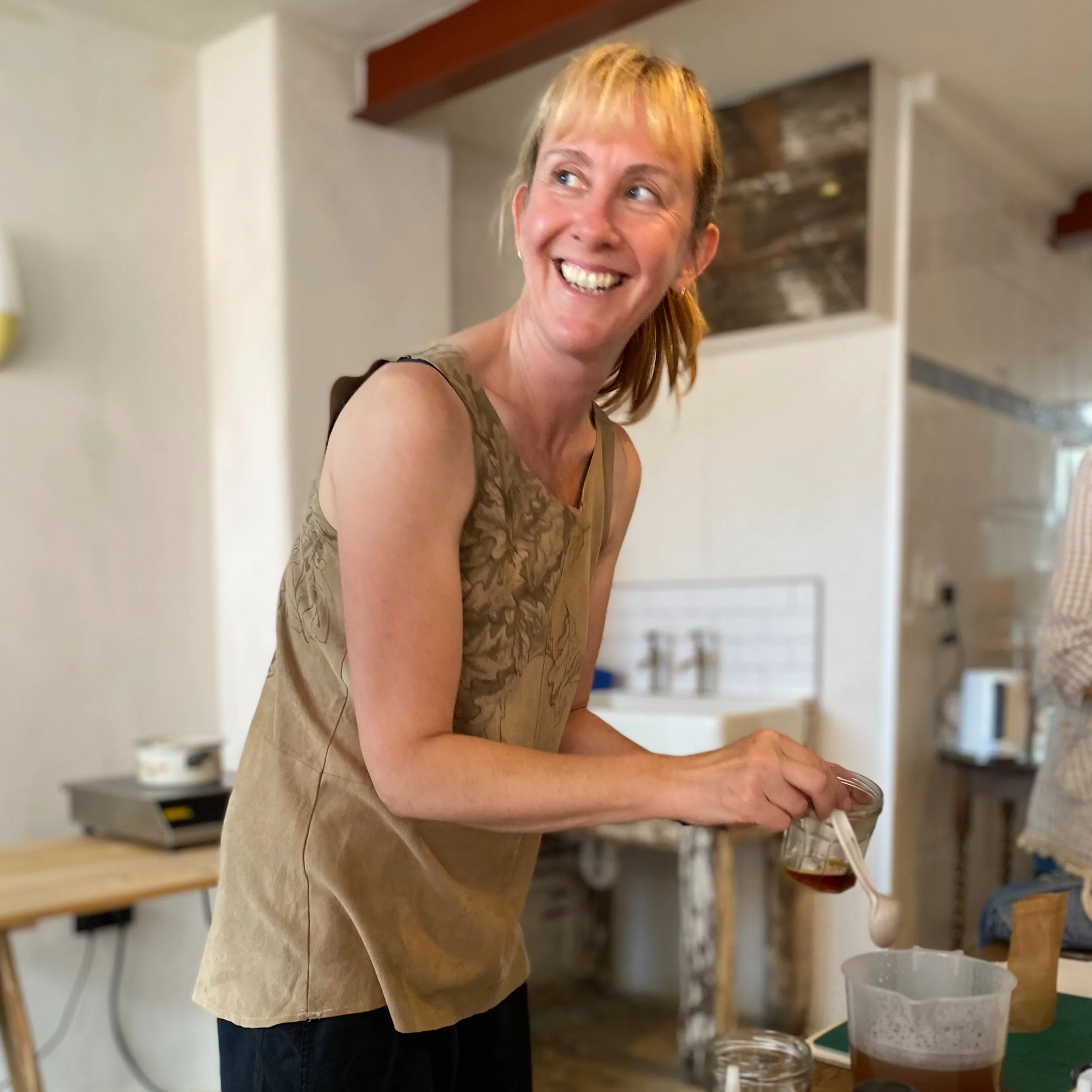

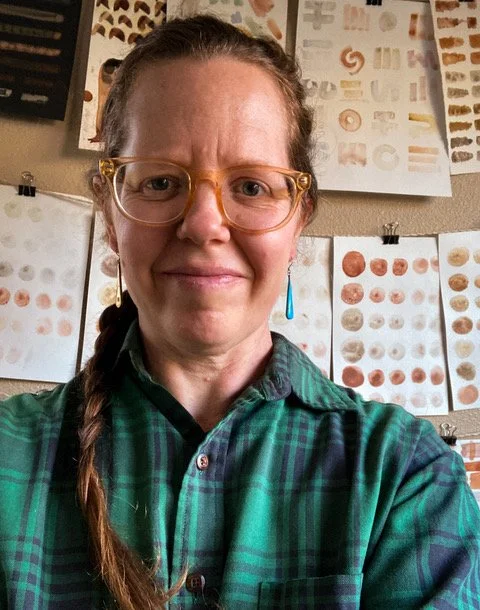
Facilitated by Natalie Stopka and Isobel Denton
Guest Artist Talks:
Alder - David Begley
Privet - Carolyn Sweeney
Cotinus - Elisabeth Viguie Culshaw
Weld - Natalie Stopka
Dyer's Chamomile - Isobel Denton
Turnsole - Annie Hogg
Japanese Indigo - Sarah Grace Dye
Yarrow - Greta Facchinato
Madder - Lucy Mayes
Cherry - Caroline Ross
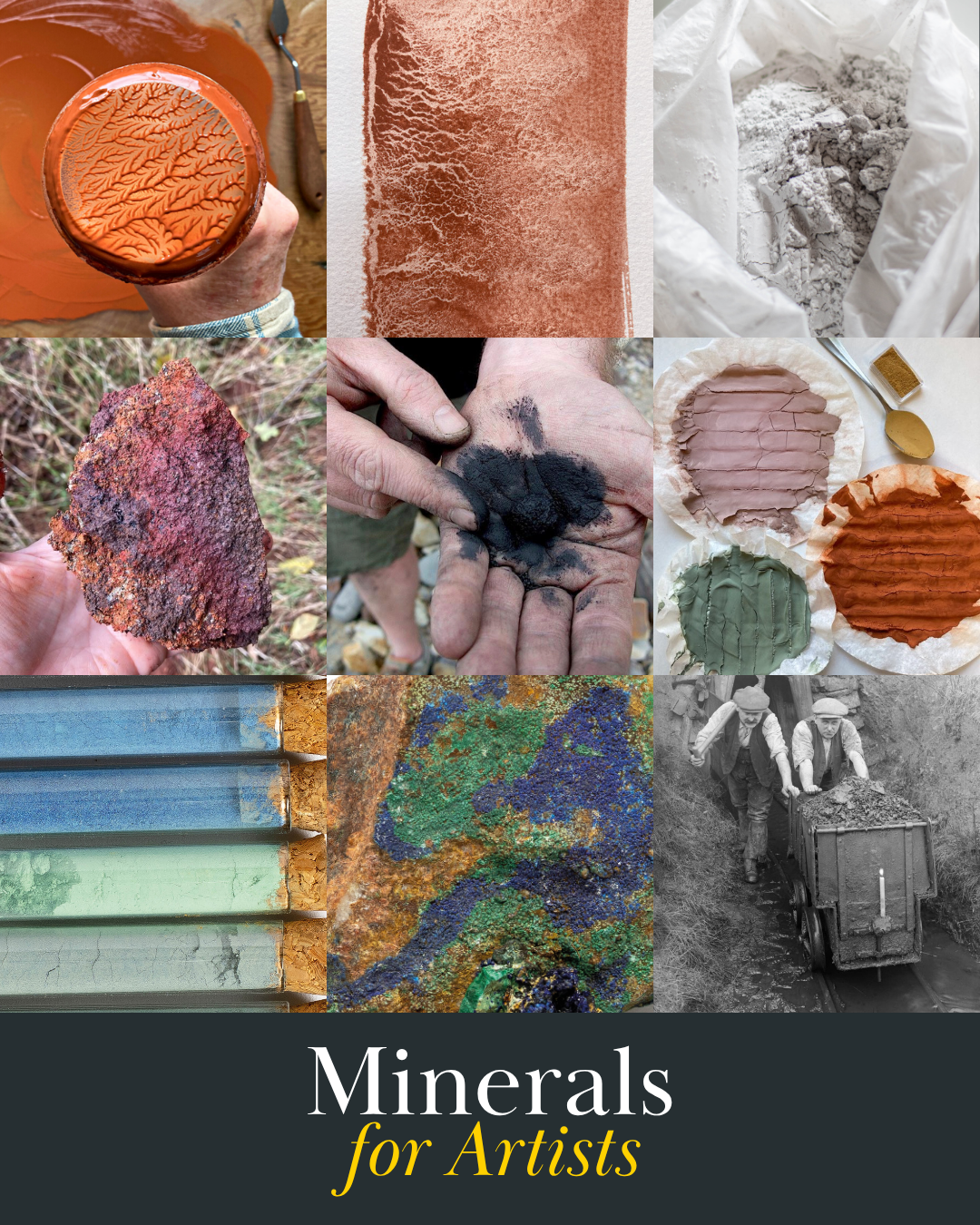
Facilitated by Lucy Mayes
Guest Artist Talks:
Gathering and Working With Ochres - Ethics & Values - Pete Ward
The Evolution of a Mineral Pigment Collection - Caroline Ross
The Mineral Colour Spectrum - Lucy Mayes
Reading Rocks - Lucy Mayes
Clay - Carolyn Sweeney
Bideford Black - Pete Ward
Graphite - Carolyn Sweeney
Chalk - Natalie Stopka
Lime - limestone, quicklime, slaked lime, their uses and the lime cycle - Natalie Stopka
Place, Material and Object - The importance of place relative to cultural practices, materials and objects in Indigenous traditions - Melonie Ancheta
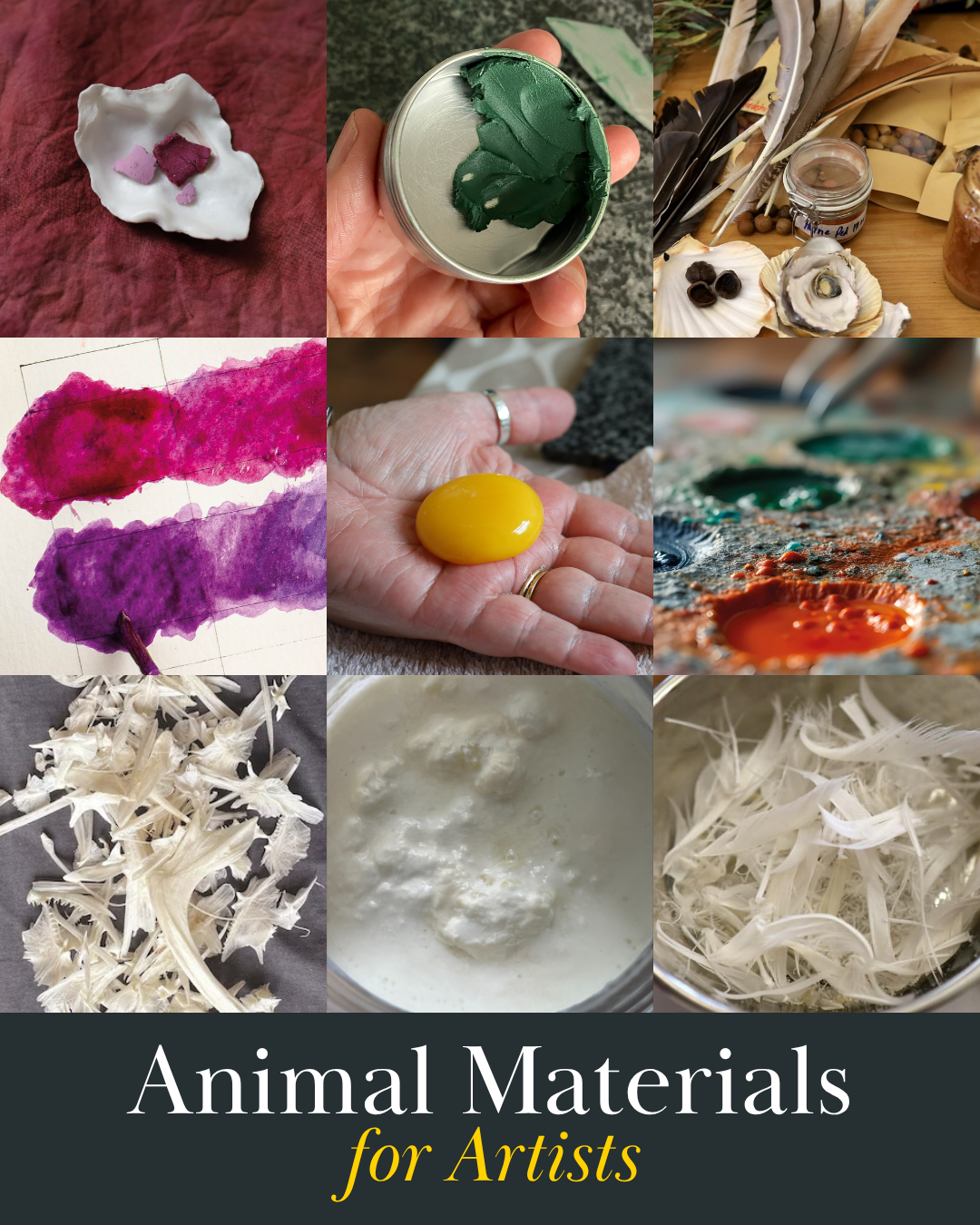
Facilitated by Annie Hogg
Guest Artist Talks:
Bones & Snail Shells - Annie Hogg
Hair - Annie Hogg
Insecta: Colour from Creepy Crawlies & Critters - Lucy Mayes
Animalia Marina: Hues From the Sea - Lucy Mayes
Pisces: Glues & paints made from fish - Lucy Mayes
Skin - Theresa Emmerich
Thank the Hen - colour, tools and mediums from birds - Caroline Ross
Milk mediums, washes and paints - Caroline Ross
Using The Whole Animal - Theresa Emmerich
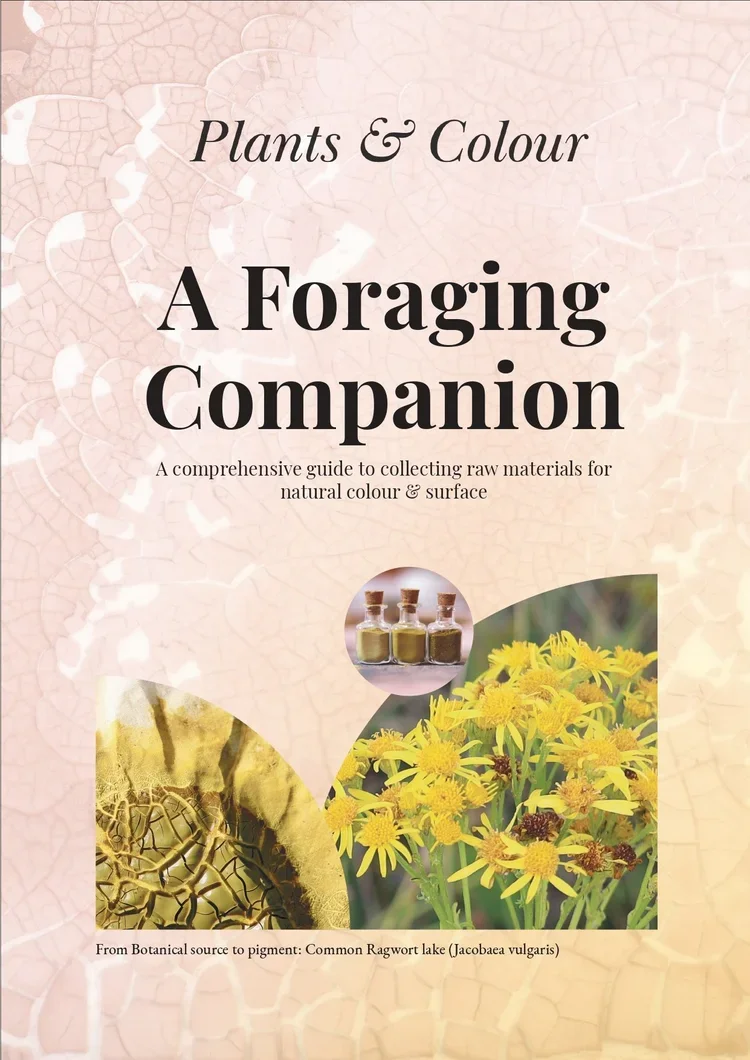
INCLUDING
A Foraging Companion
A Comprehensive Guide To Collecting Raw Materials For Natural Colour & Surface
A Downloadable PDF Guide written and compiled by Lucy Mayes
This guide brings together practical tips for collecting, poetic reflections, foraging philosophies, and ways to cultivate, give back, and share an ecological and reflective practice. At the end of this guide, you'll find an extensive reading list of online sources, articles, and books ranging from practical foraging manuals to ecological studies. It includes works grounded in Western science as well as writings from Indigenous knowledge holders, all of which have helped shape and inform this guide.