Natural Ink Making
Online Demonstrations From Spring 2027
Develop a comprehensive understanding of how to make and work with natural ink for paper.
Contributors: Carolyn Sweeney & Greta Facchinato
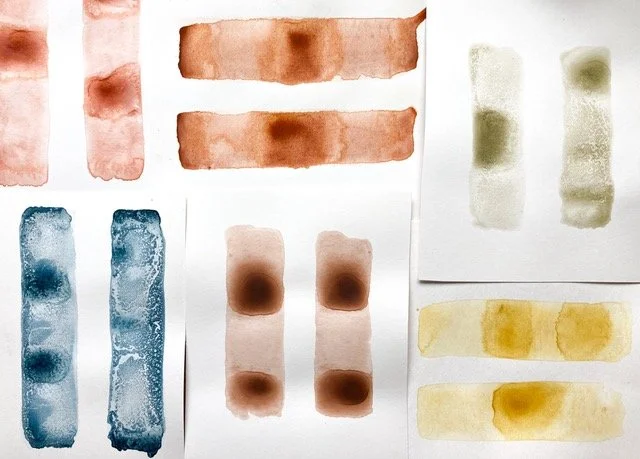
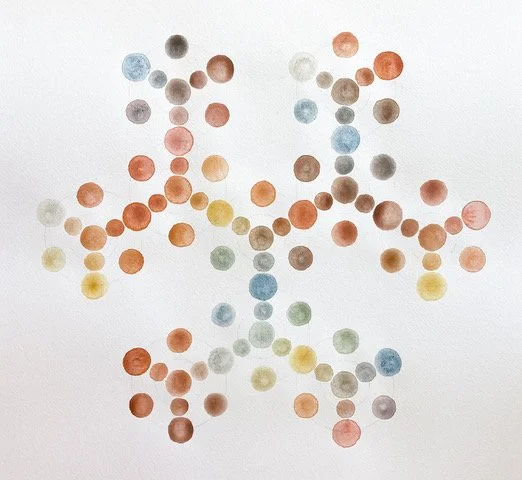
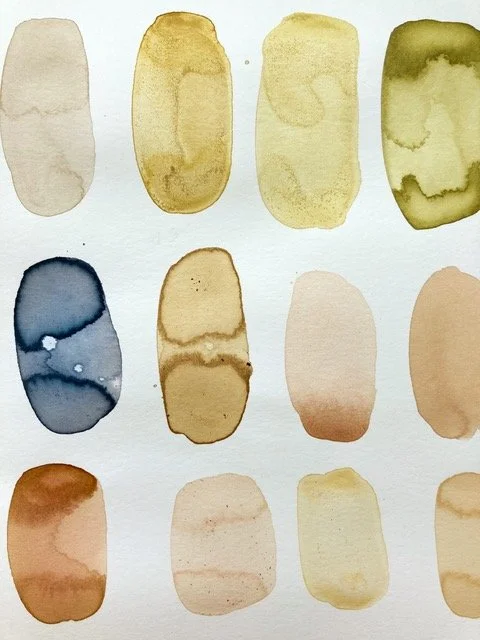
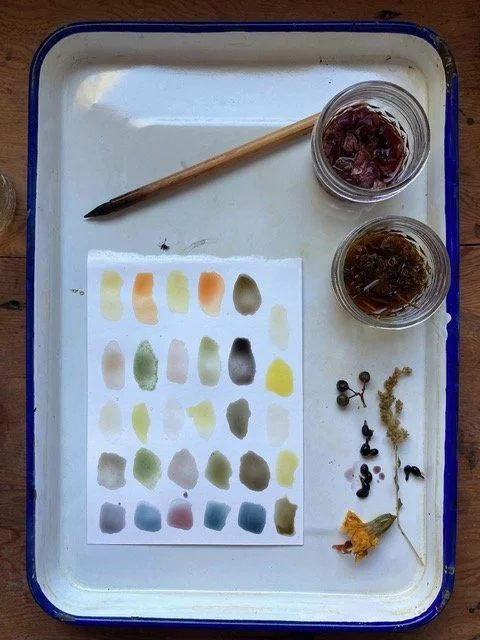
Each session will cover a different approach to ink making using botanical and earth based colour with natural binders. Swatching and sampling throughout the course, so you can compare the different recipes side by side.
Join the Introductory Session
Join 3 live Demonstrations
Access 10 hours of learning
3 Printable Handouts
Live Follow-up Session 3 months later
Access to recordings for one year from the end of the course
-
-
Dye Based Inks
With Carolyn Sweeney
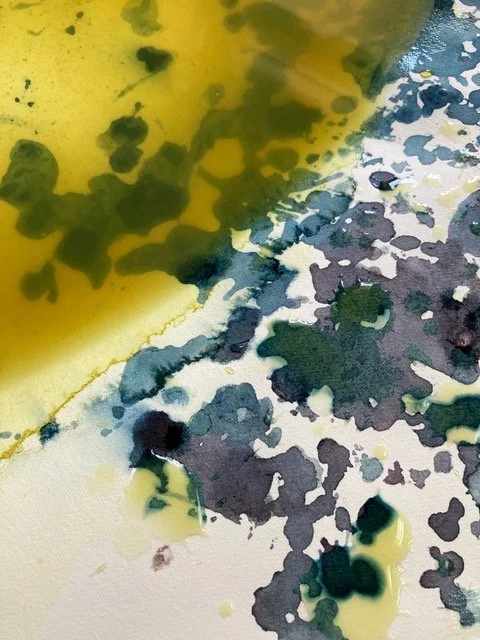
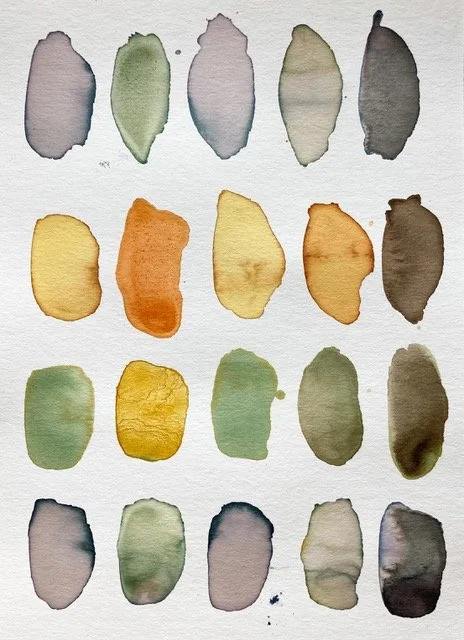
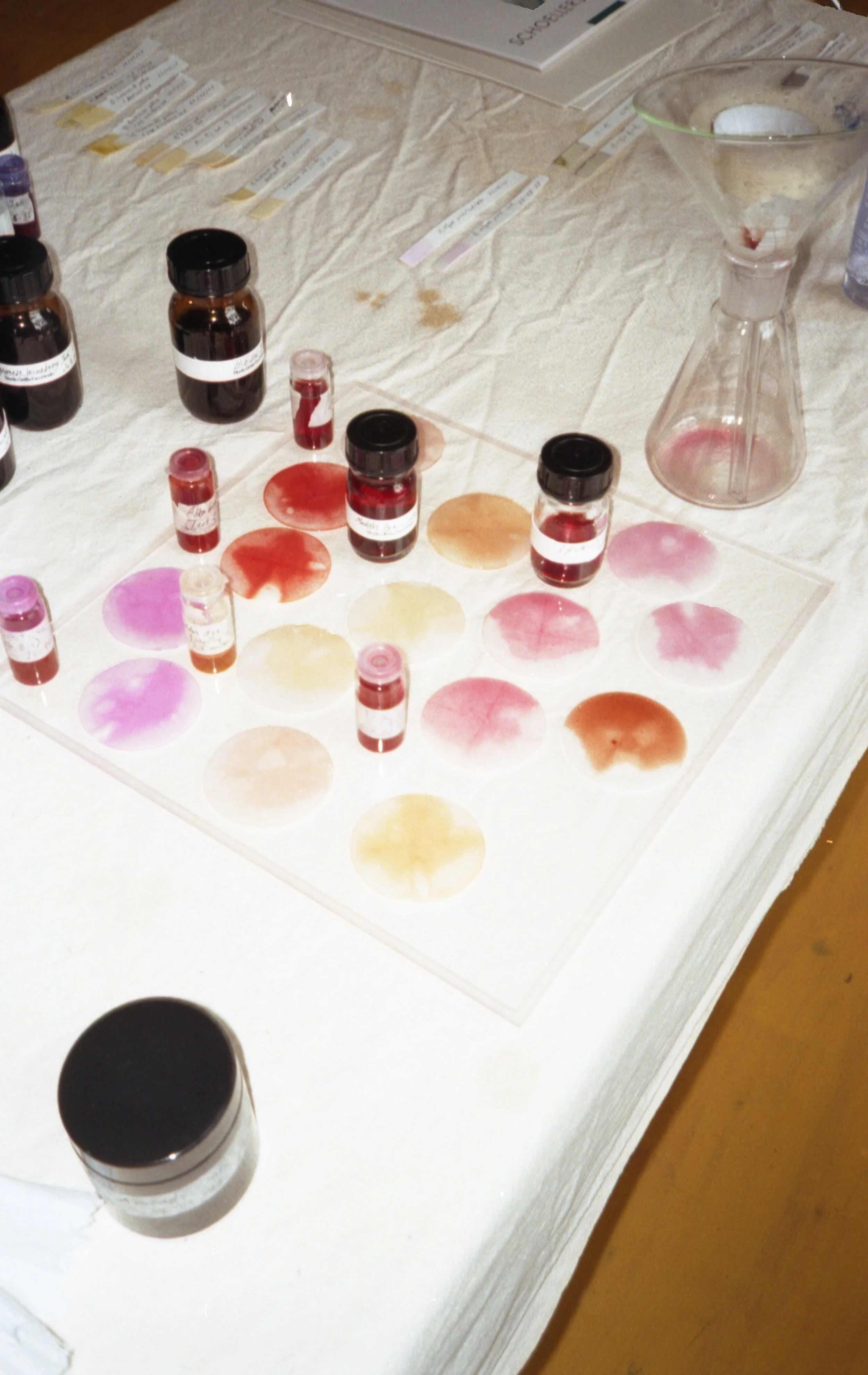
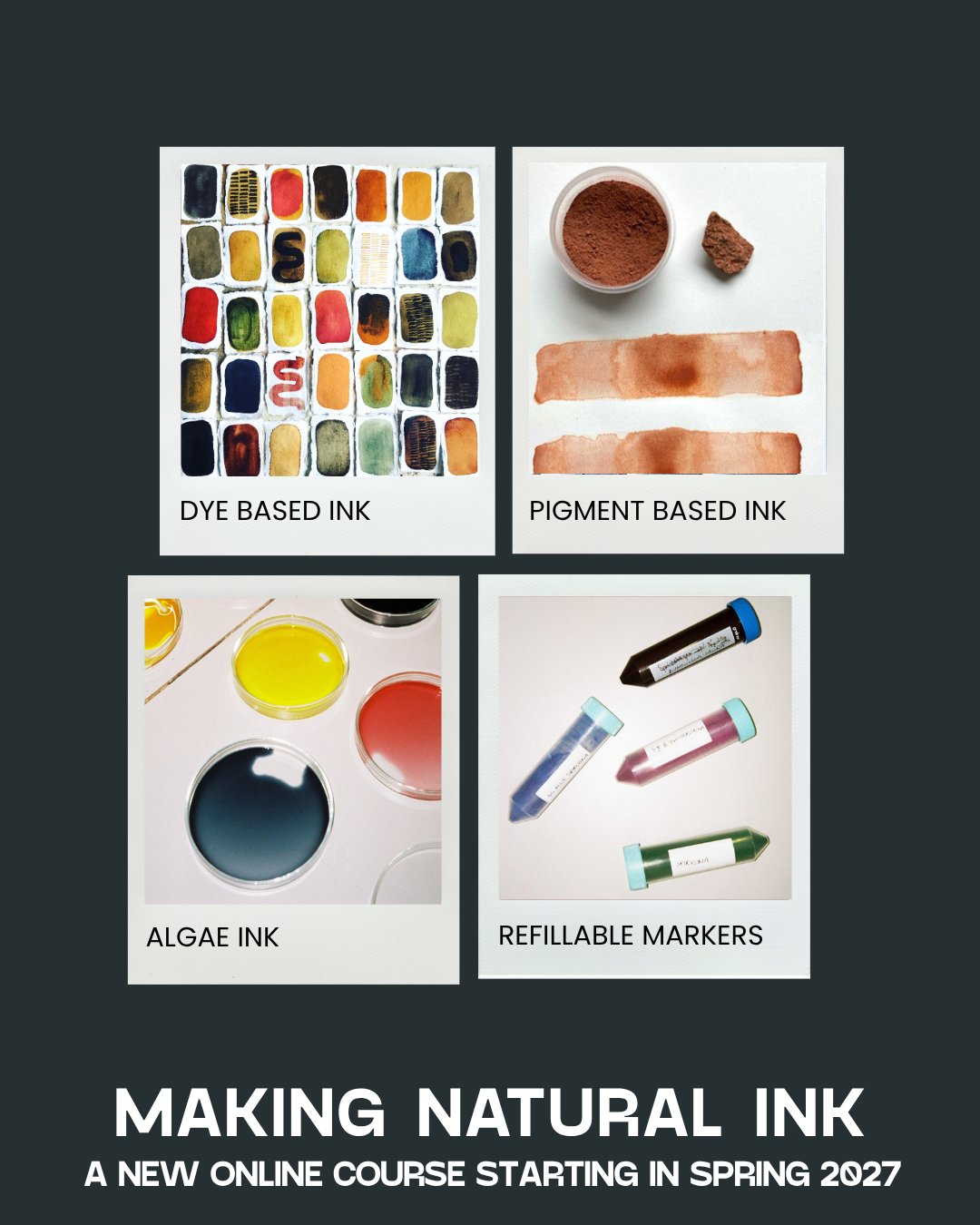
Understanding the difference between dye and pigment is one of the most fundamental concepts in natural color. This class will focus on working with plant dyes, colorants that are soluble in water. Dyes can be used to make a concentrated ink, perfect for painting on paper. We’ll discuss foraging for plant material, storage, recipes, lightfastness, and modifiers. I’ll demonstrate making oak gall ink, walnut ink, and tansy flower ink.
Tuesday 16th March 4-6pm GMT
With Carolyn Sweeney
Understanding the difference between dye and pigment is one of the most fundamental concepts in natural color. This class will focus on working with plant dyes, colorants that are soluble in water. Dyes can be used to make a concentrated ink, perfect for painting on paper. We’ll discuss foraging for plant material, storage, recipes, lightfastness, and modifiers. I’ll demonstrate making oak gall ink, walnut ink, and tansy flower ink.
Tuesday 16th March 4-6pm GMT
-
Algae Ink for Refillable Markers
With Greta Facchinato
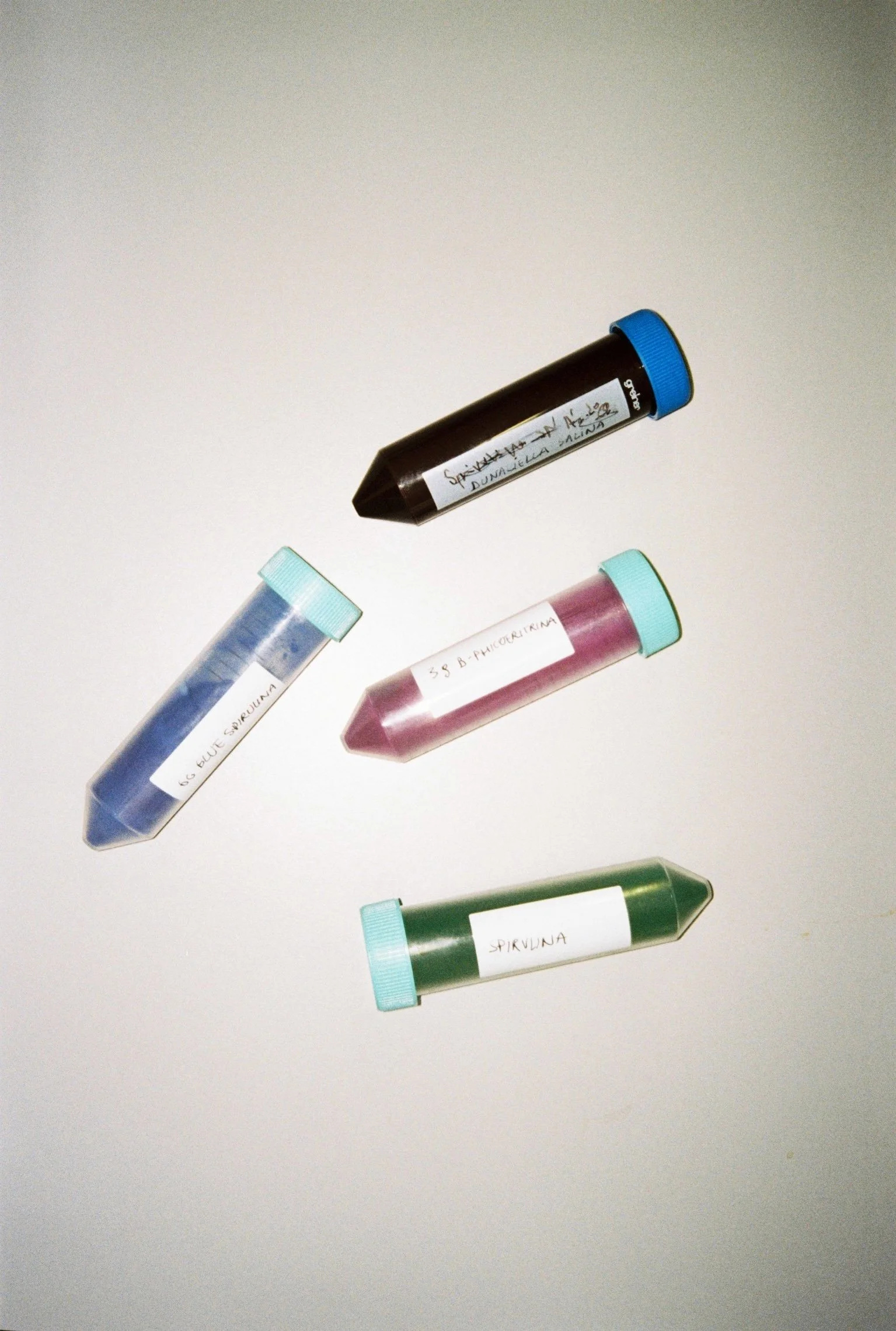
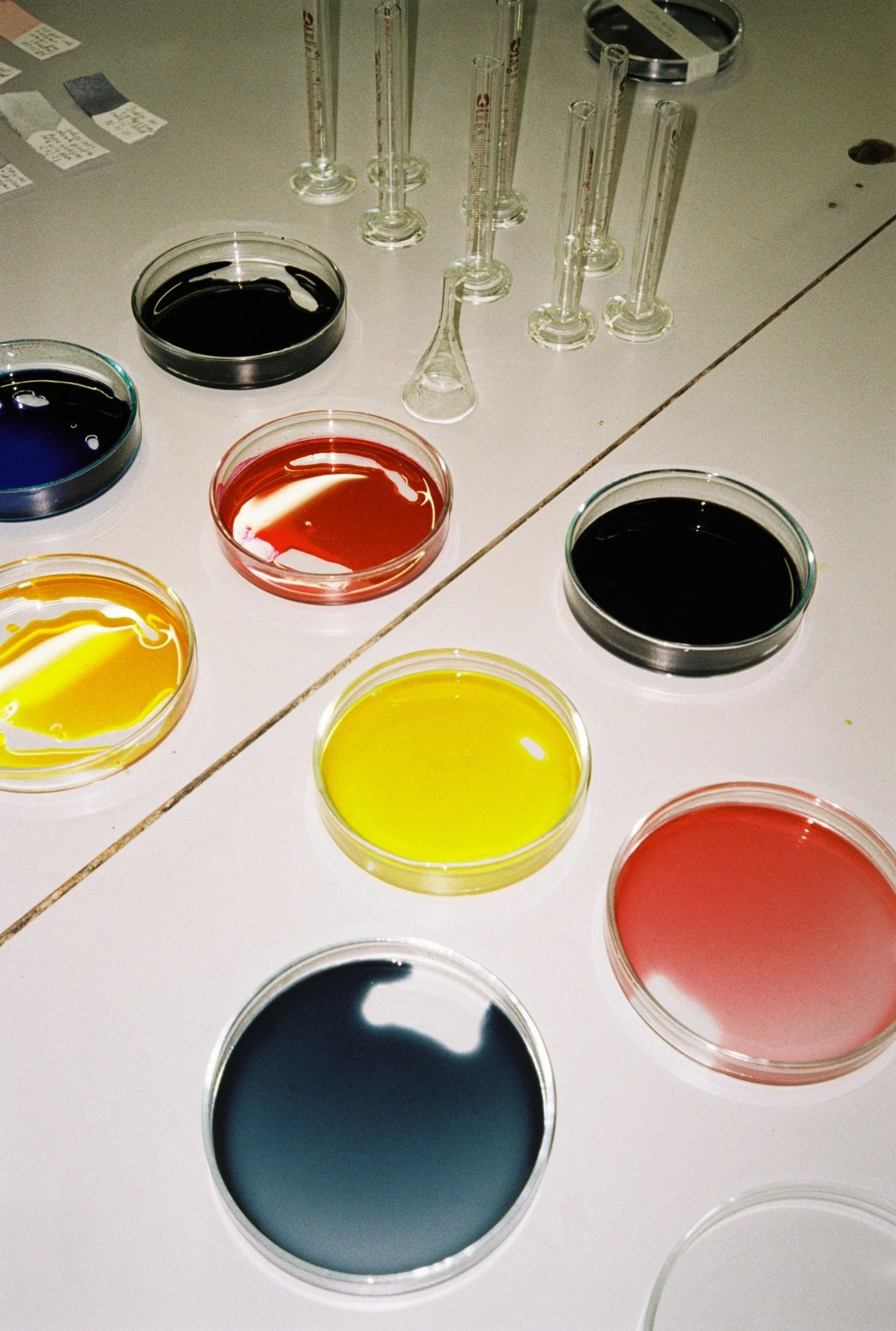
Greta will demonstrate how to achieve a palette of vibrant colors reminiscent of the classic digital tetrachromy tones (CMYK: Cyan, Magenta, Yellow, and Black). During the session, you will discover part of her research along with her method for making marker ink, focusing on powdered algae extracts as the primary colour source.
Tuesday 23rd March 2027, 9.30 - 11.30 GMT,
With Greta Facchinato
Greta will demonstrate how to achieve a palette of vibrant colors reminiscent of the classic digital tetrachromy tones (CMYK: Cyan, Magenta, Yellow, and Black). During the session, you will discover part of her research along with her method for making marker ink, focusing on powdered algae extracts as the primary colour source.
Tuesday 23rd March 2027, 9.30 - 11.30 GMT,
-
Pigment based Inks
With Carolyn Sweeney
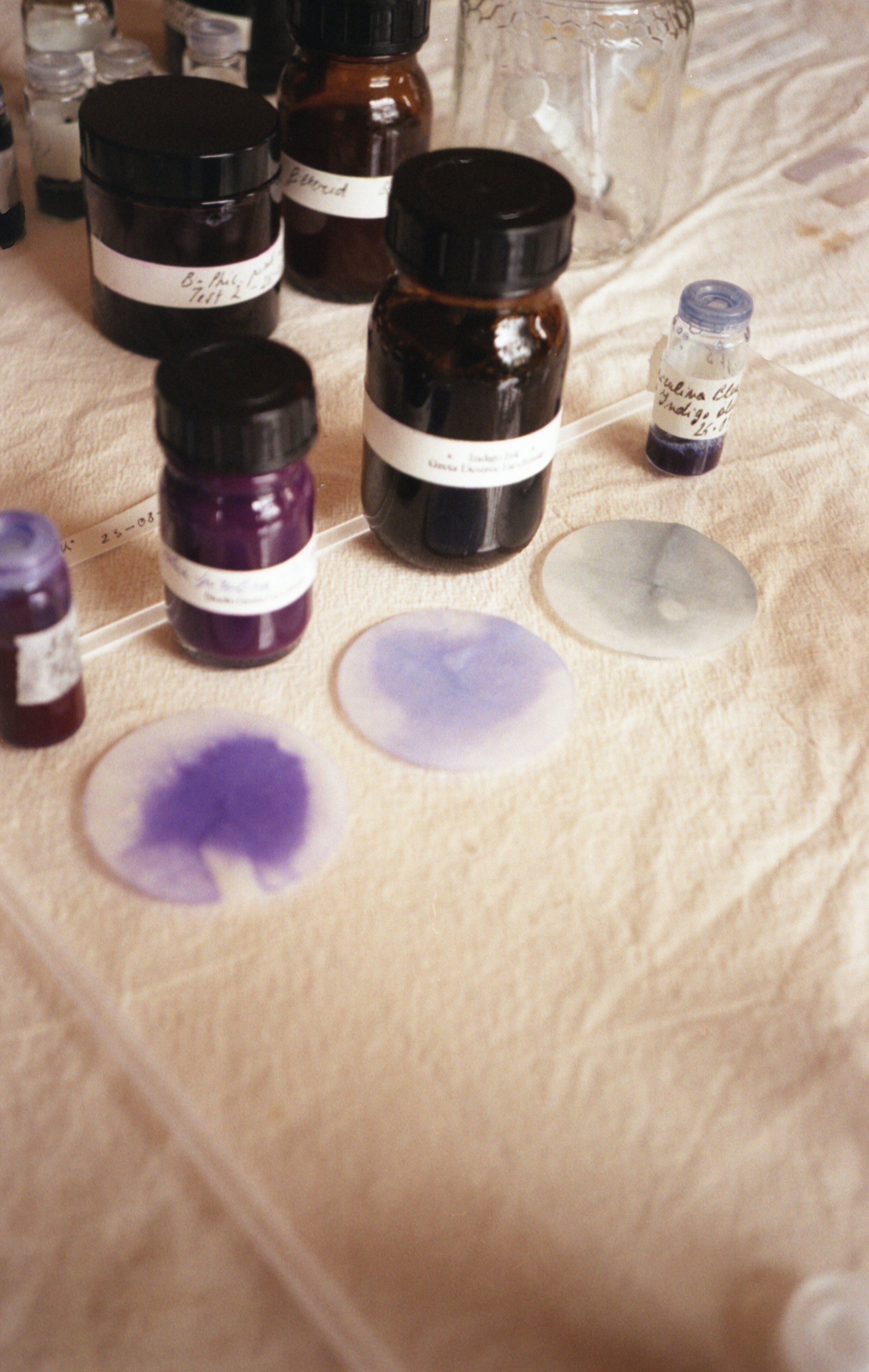
Pigment is a small colored particle that is insoluble in water. Examples of pigments include, foraged earth, indigo, charcoal, and lake pigments. All of these pigments can be used to make water-based inks for painting on paper. We will cover simple mortar and pestle inks and then move on to more highly refined mulled watercolor inks. We’ll discuss flocculation, watercolor binder recipes, ink storage, and how to find affordable mulling tools.
Tuesday 30th March 2027, 4-6 GMT
With Carolyn Sweeney
Pigment is a small colored particle that is insoluble in water. Examples of pigments include, foraged earth, indigo, charcoal, and lake pigments. All of these pigments can be used to make water-based inks for painting on paper. We will cover simple mortar and pestle inks and then move on to more highly refined mulled watercolor inks. We’ll discuss flocculation, watercolor binder recipes, ink storage, and how to find affordable mulling tools.
Tuesday 30th March 2027, 4-6 GMT
-
-
Follow Up Session
A two hour session for all the group members to reflect on their experiences with paint making, share work, and ask questions.
This session is for both Ink and Paint Making Programme Members
Tuesday 7th September 2027, 4-6pm GMT
A two hour session for all the group members to reflect on their experiences with paint making, share work, and ask questions.
This session is for both Ink and Paint Making Programme Members
Tuesday 7th September 2027, 4-6pm GMT
-
Meet the Team
-
![]()
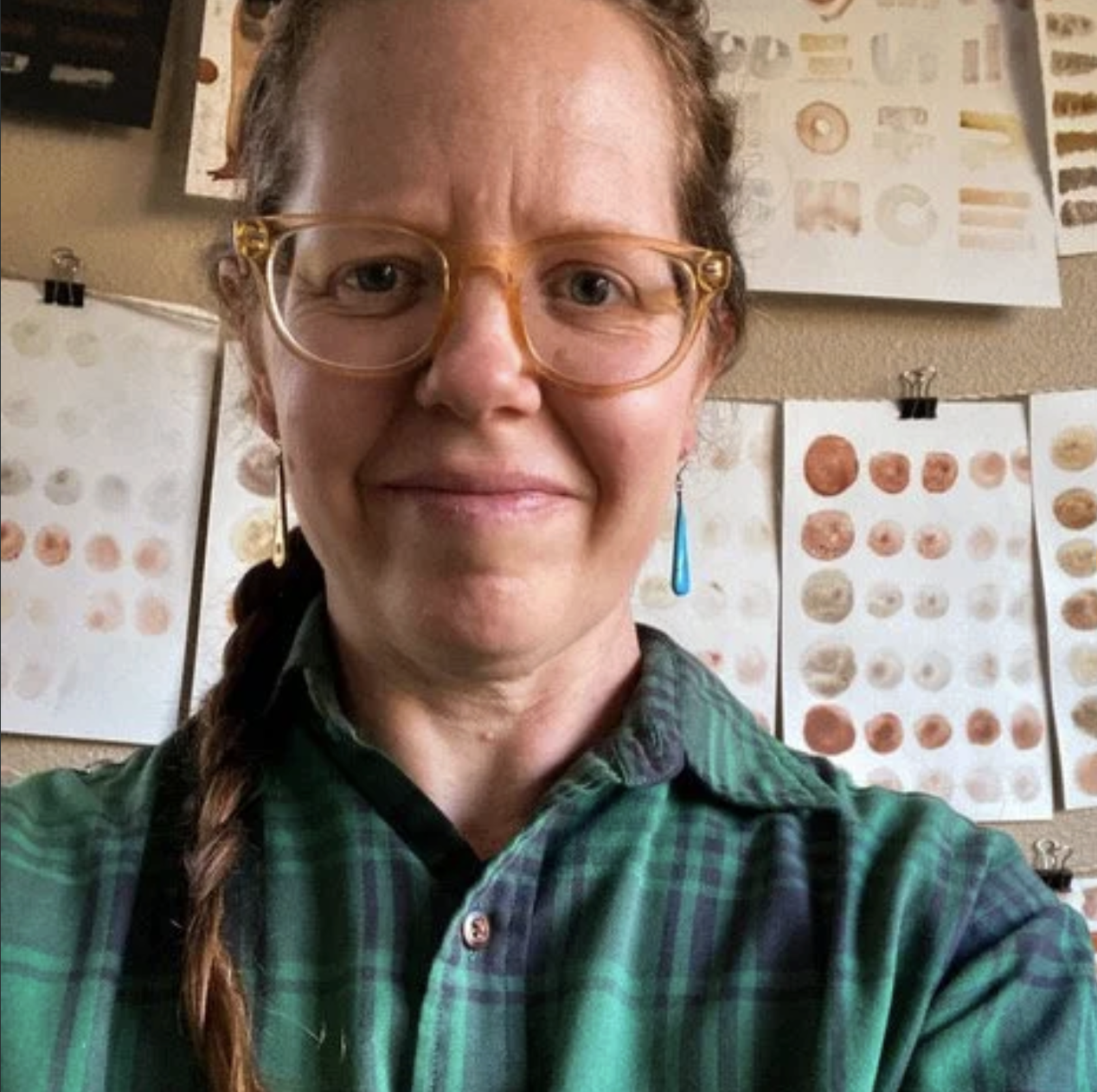
Carolyn Sweeney
Carolyn Sweeney is an artist and art teacher based in Portland, Oregon. She uses mineral and botanical color on paper, mostly foraged from public roadways and the compost piles of neighbors. Carolyn has a BA in Fine Art from Whitman College and later studied textiles at Oregon College of Art and Craft. It was in the midst learning to weave and spin that Carolyn first encountered natural color, using natural dyes for her textile projects. After having a child she went back to working on paper, and started making botanical inks from her natural dye plants. From there she discovered mineral pigments and making her own watercolor paints. She now uses a variety of handmade artist materials- watercolors, lake pigments, pastels, egg temperas, soy wax crayons, and others that defy neat categories. She is also a beginning papermaker, and paper nerd.
Carolyn’s own art practice seeks to center these natural materials as co-creators, finding inspiration in the relationships between humans, plants, and the very earth beneath our feet.
-
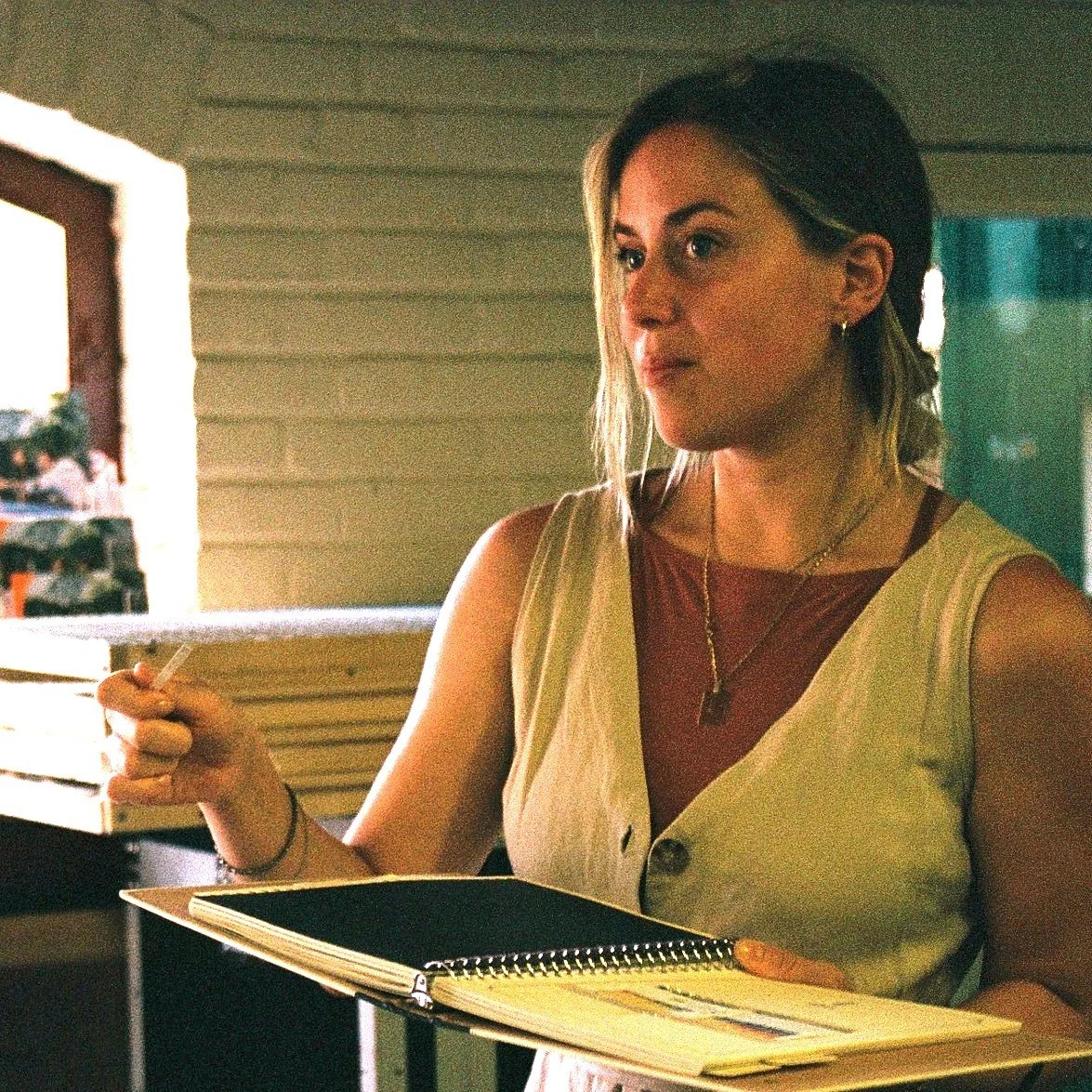
![Greta Desireèe Facchinato in The Garden of Colors, July 2023. Photography by Maryse Aalbers]()
Greta Facchinato
Greta Desirèe Facchinato (IT/LU) is a research-based multidisciplinary artist and designer. She holds a Masters in Artistic Research from KABK Den Haag (NL) and a Batchelors in Visual and Performance Arts with a specialization in Sculpture from Accademia di Belle Arti di Venezia (IT). Through the crossflow of different mediums and the investigation of daily life encounters, gestures, and materials her practice invites us to experience matter from an embodied awareness. She runs a studio focused on research and sustainable education through natural materials, illustration and creative workshops. In 2021 with her project Colour is Alive she researched organic ink making for screen printing. Since then she is been working with the knowledge of color and the interconnection with our environment through the practice of making sustainable ink for printing techniques.
MAKING NATURAL INKS - Sessions in Detail
-
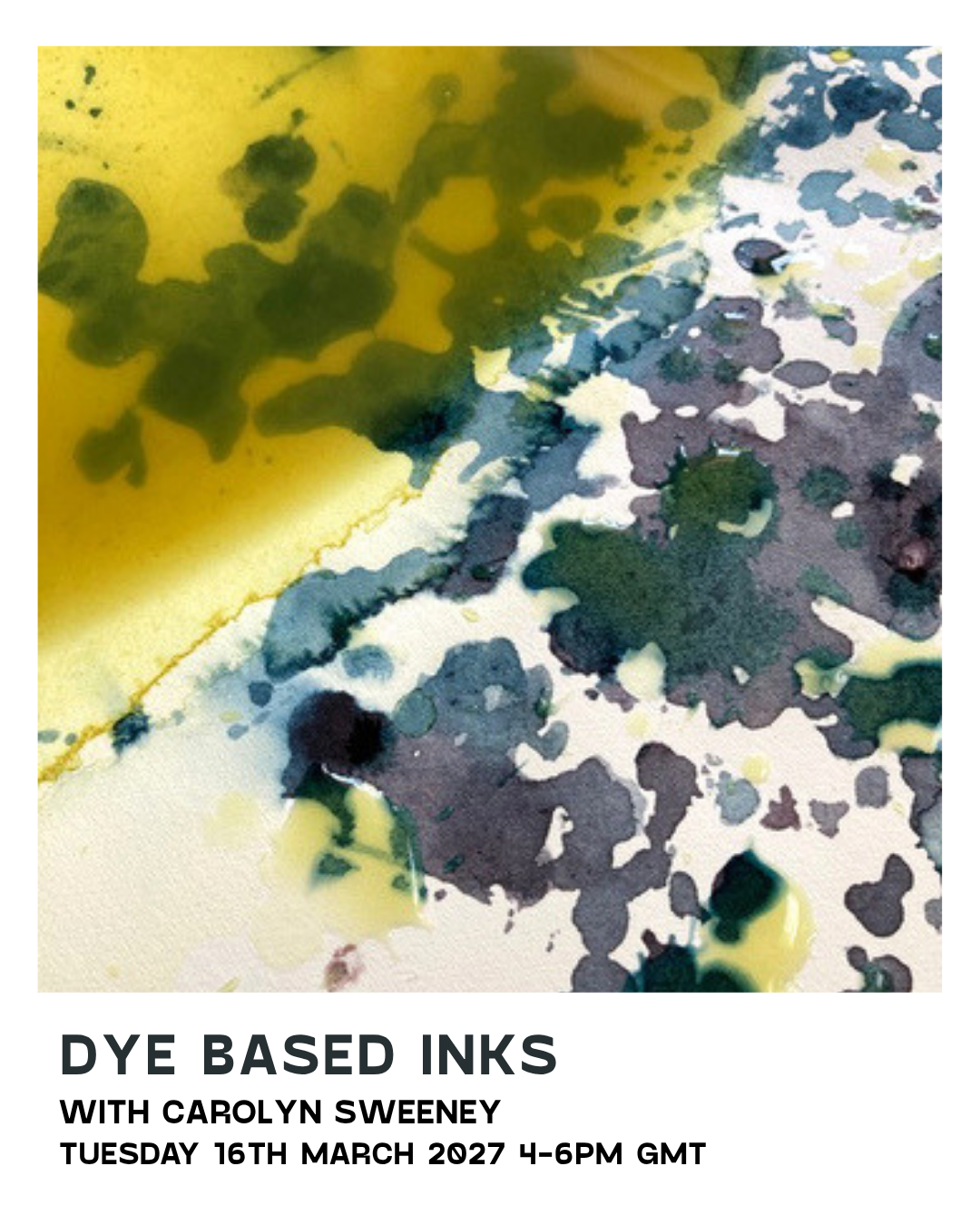
Understanding the difference between dye and pigment is one of the most fundamental concepts in natural color. This class will focus on working with plant dyes, plant colorants that are soluble in water. This is plant color in its most basic form.
Dyes can be used to make a concentrated ink, perfect for painting on paper. We’ll discuss foraging for plant material, storage, recipes, lightfastness, and modifiers. I’ll demonstrate the process of making oak gall ink, walnut ink, and tansy flower ink.
FOR PAPER
-
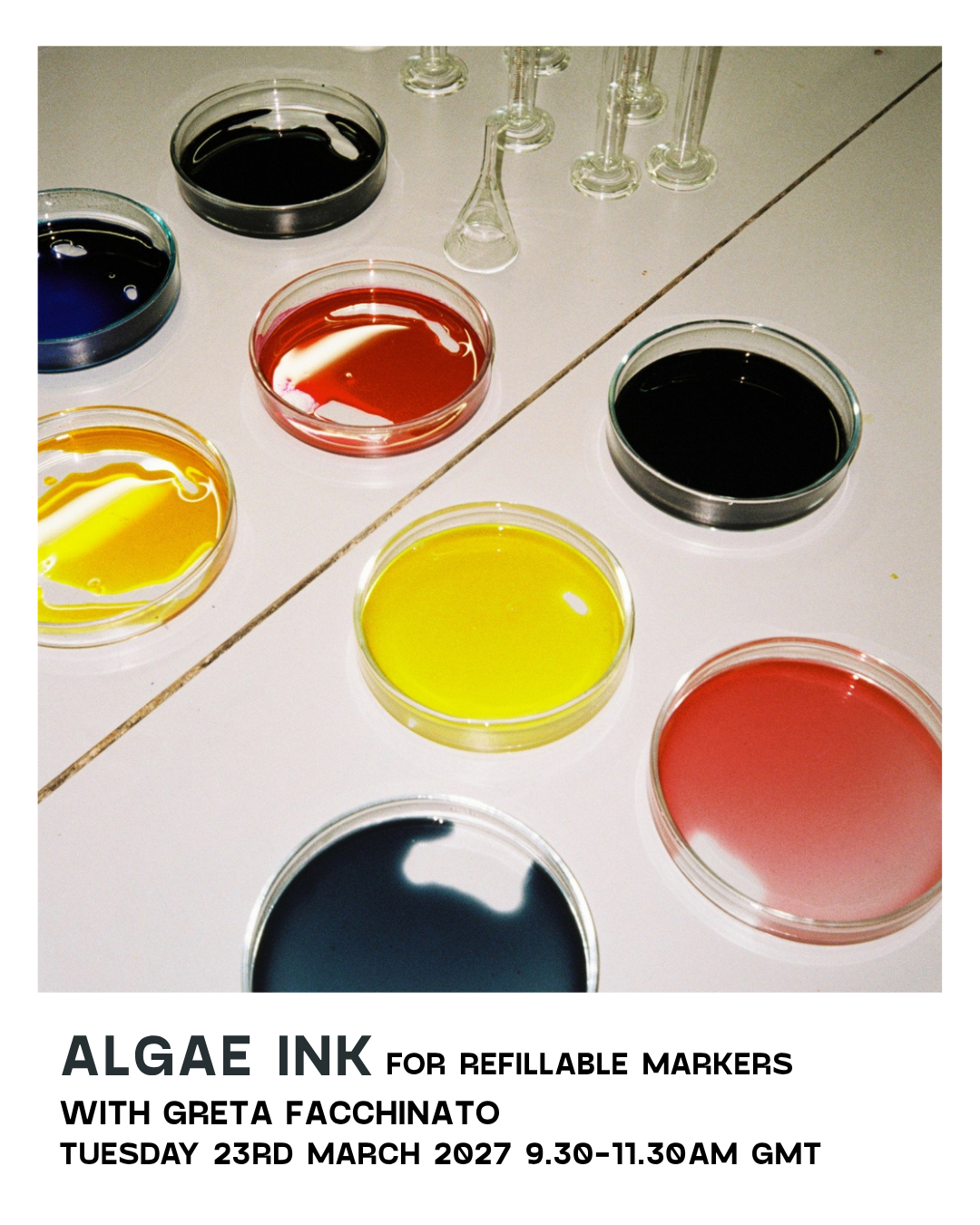
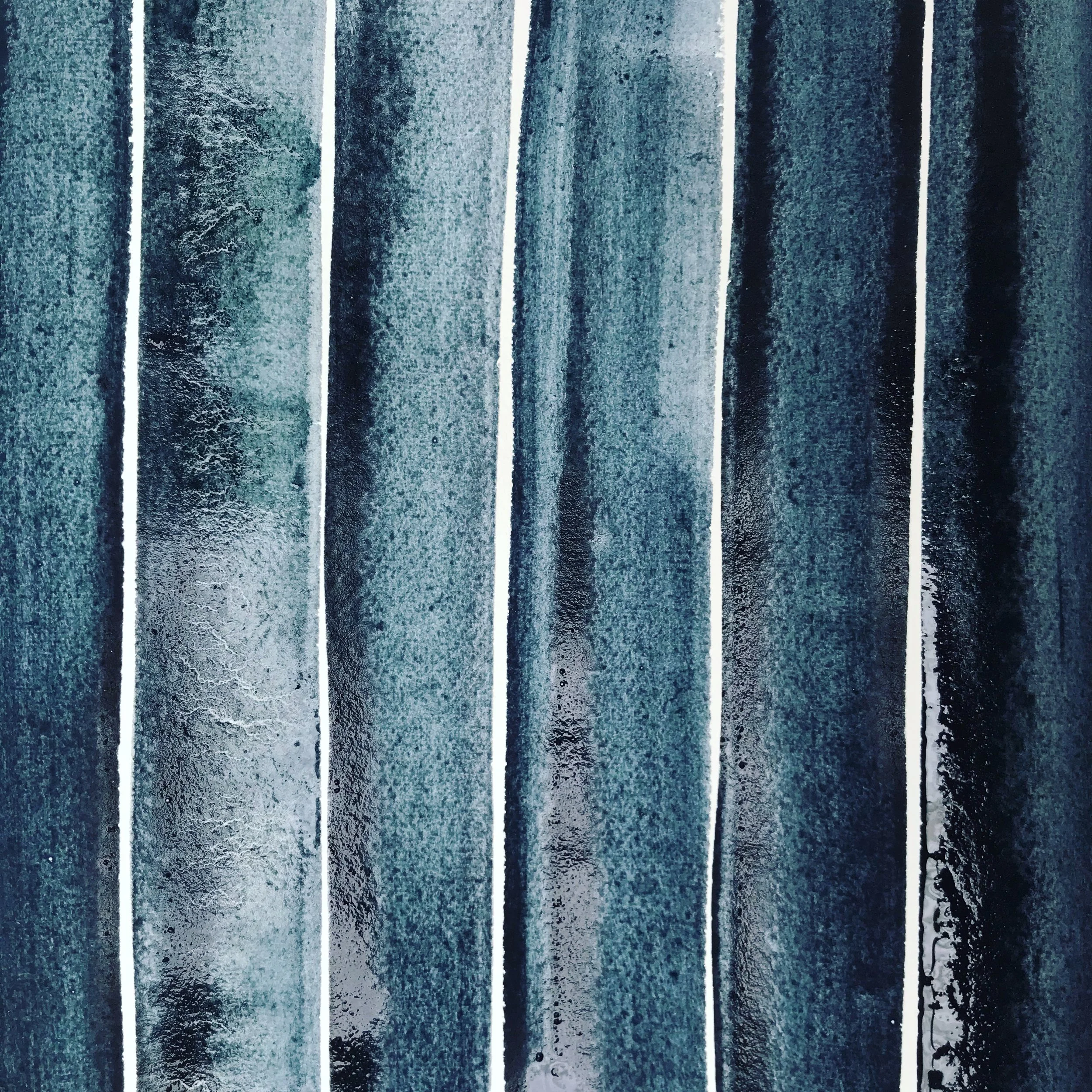
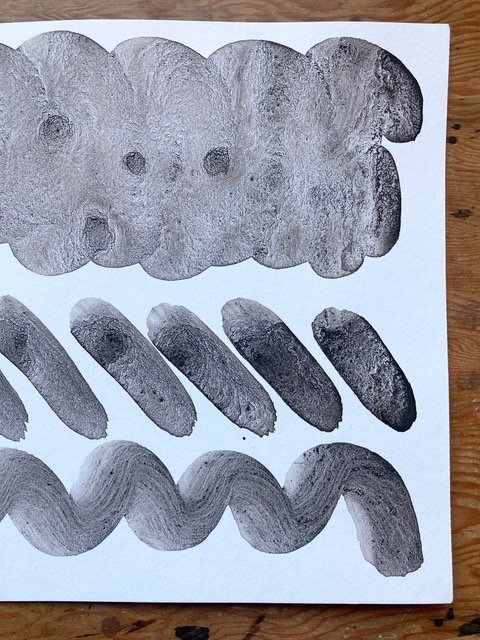
In this class, Greta will share a key part of her experimental research for The Ink Project (2023), focused on creating botanical inks from plants, fungi, and algae for digital printing. Starting with the challenge of developing stable formulas for precision instruments, she found the answer through an open-source approach using pen plotters. This led to the formulation of water-based inks ideal for refillable markers and excellent for freehand use on paper.
Greta will demonstrate how to achieve a palette of vibrant colors reminiscent of the classic digital tetrachromy tones (CMYK: Cyan, Magenta, Yellow, and Black). During the session, you will discover part of her research along with her method for making marker ink, focusing on powdered algae extracts as the primary color source.
FOR PAPER
-
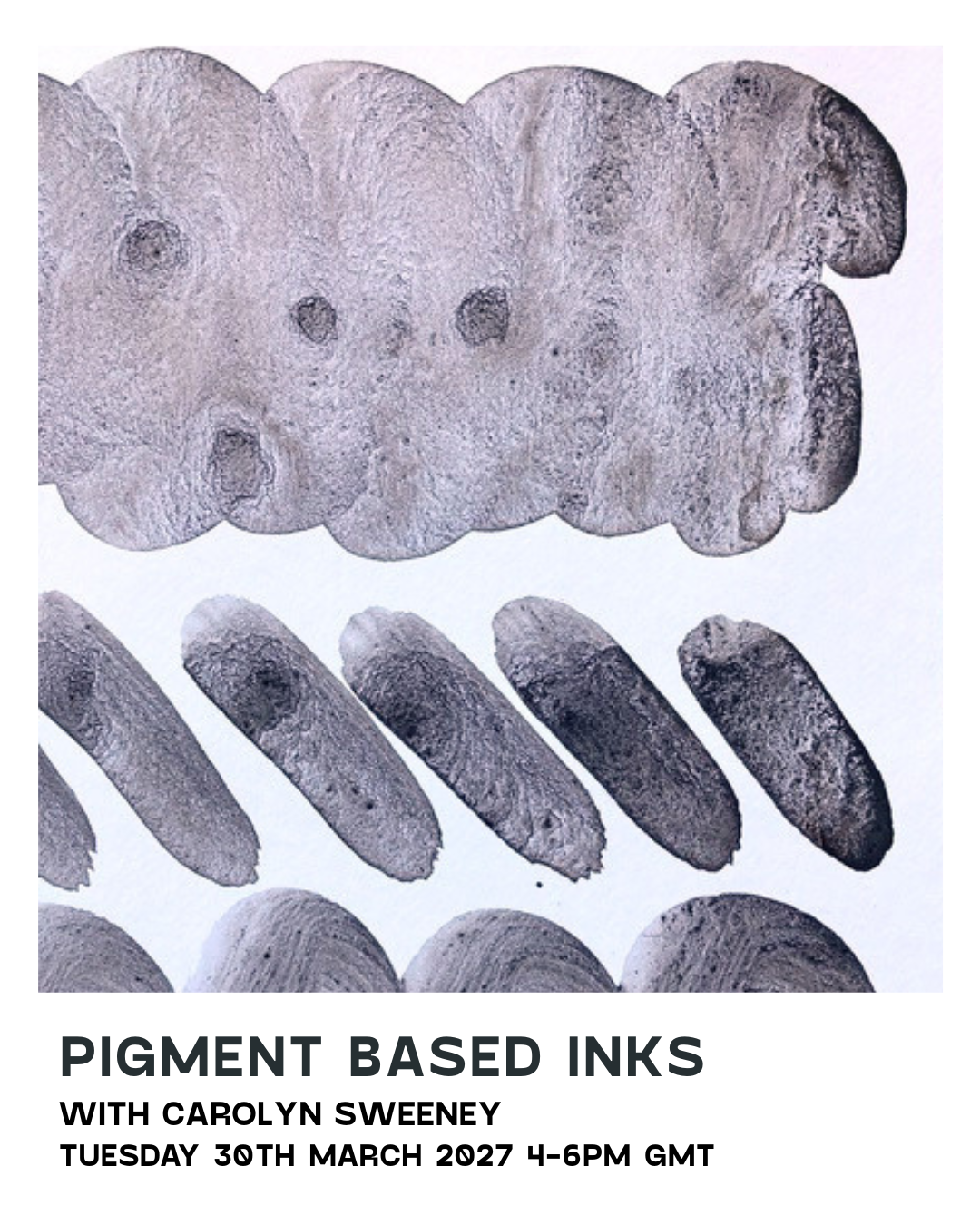
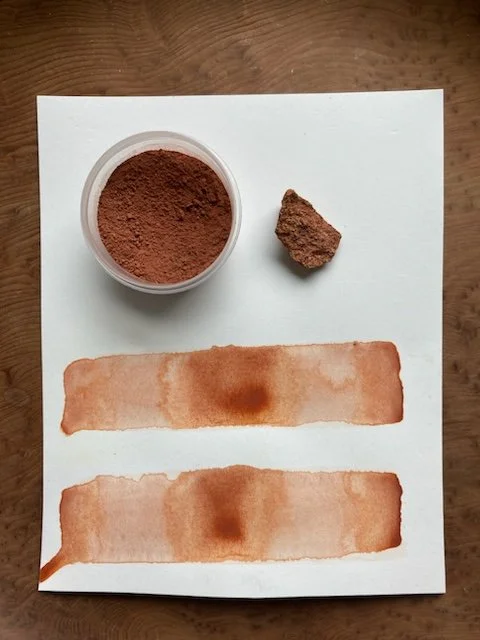
Pigment is a small colored particle that is insoluble in water. Examples of pigments include, foraged earth, indigo, charcoal, and lake pigments. All of these pigments can be used to make water-based inks for painting on paper.
The in class demonstrations will cover simple mortar and pestle inks and then move on to more highly refined mulled watercolor inks. We’ll discuss flocculation, watercolor binder recipes, ink storage, and how to find affordable mulling tools.
FOR PAPER
EARLY-BIRD PAYMENT PLANS AVAILABLE UNTIL 31ST DECEMBER 2026
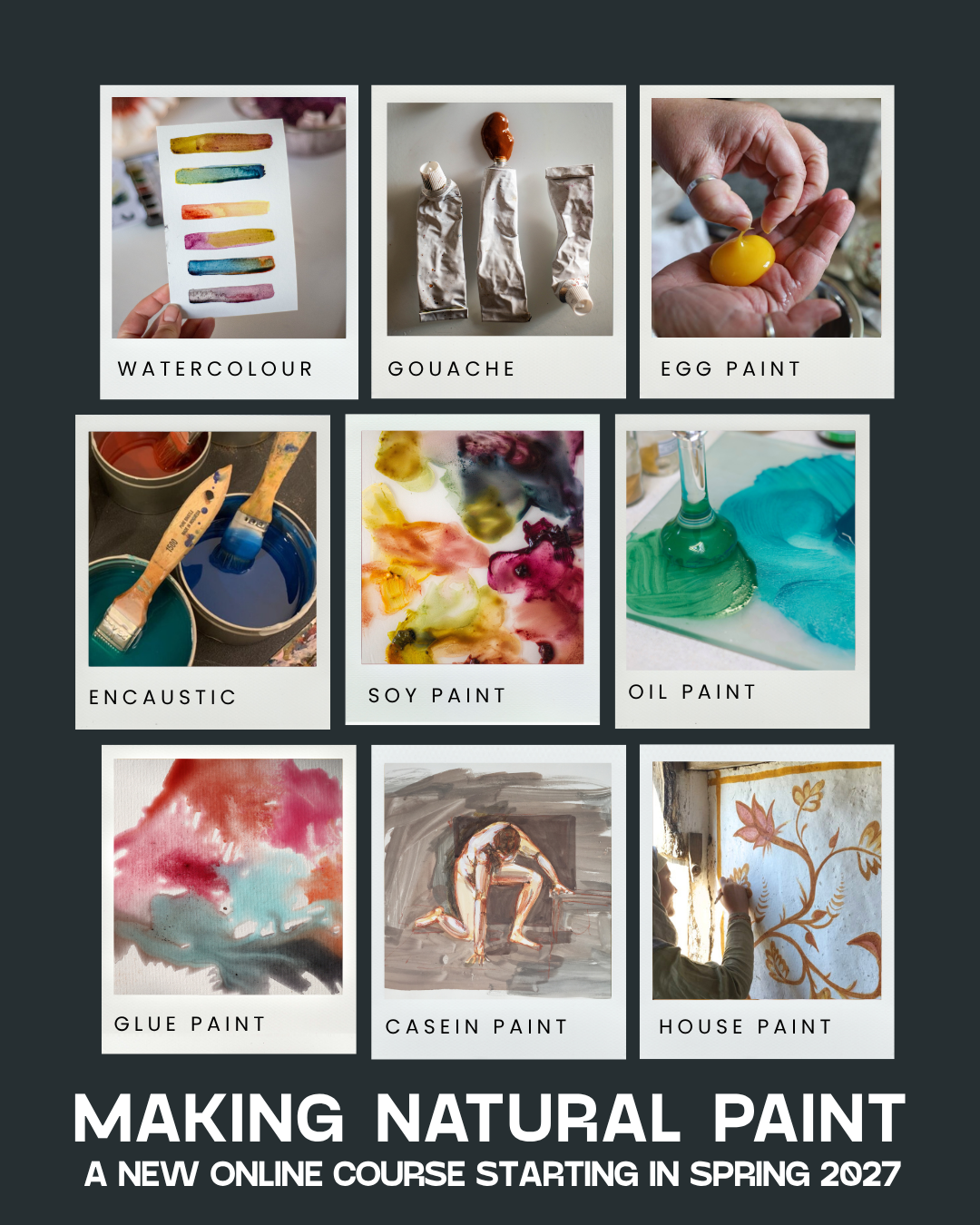
With Natalie Stopka, Caroline Ross, Greta Facchinato, Carolyn Sweeney, Lucy Mayes, Caroline Nicolay & Elise Wagner
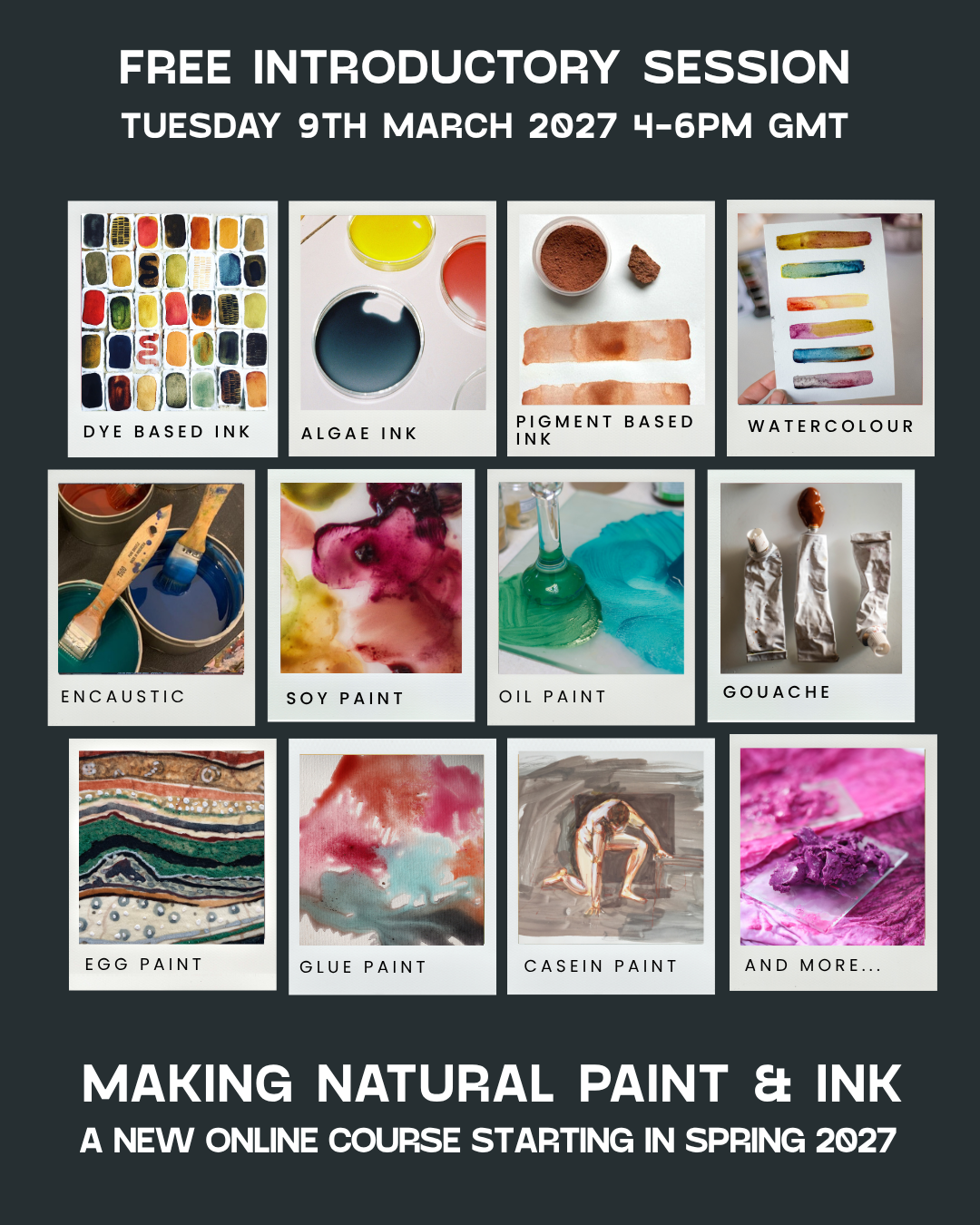
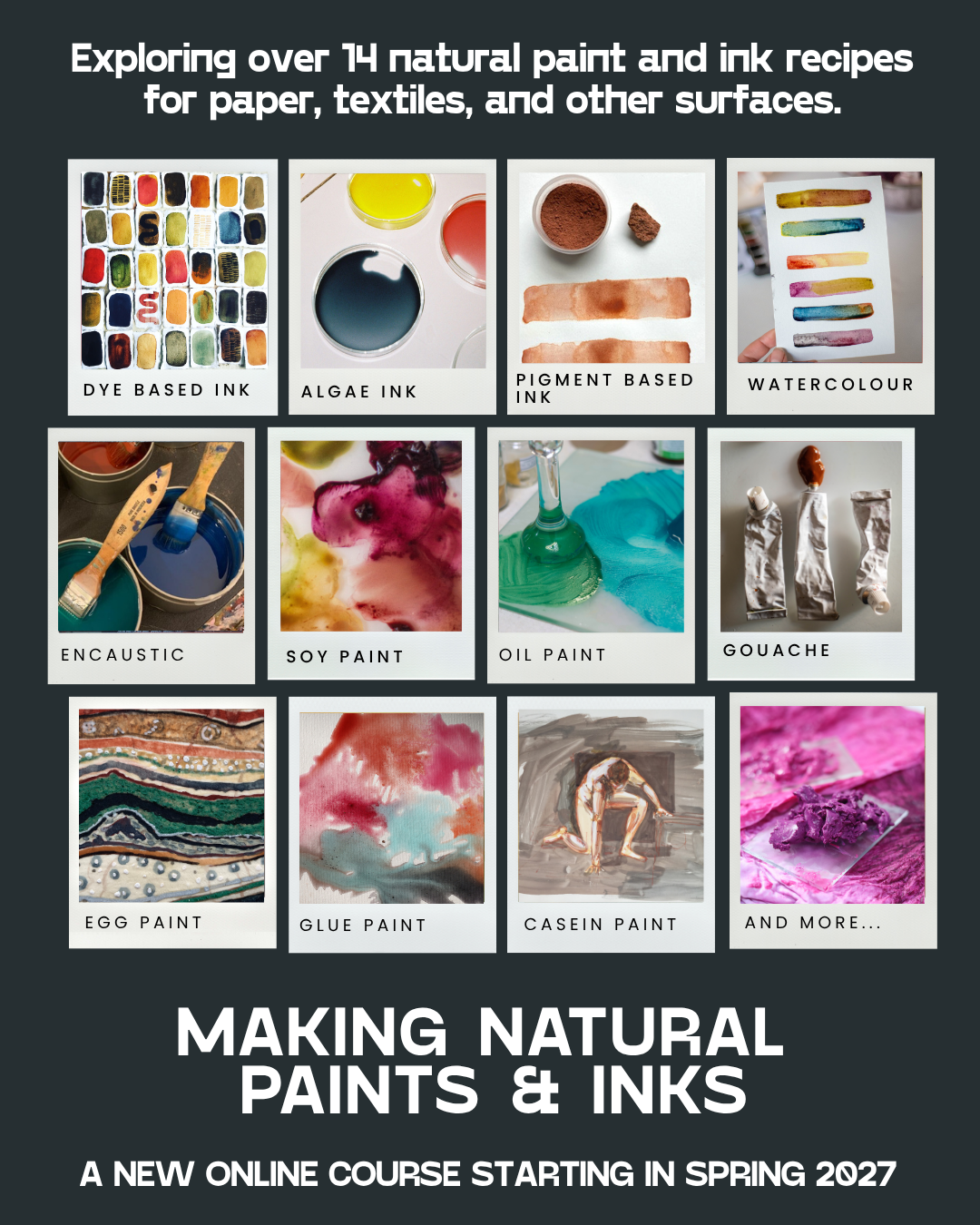
An overview of the Making Natural Paints & Inks learning programme. Meet the teachers and learn about the different types of paint they will be covering in their classes.
Introducing swatching. Looking at what inks and paints can be used on which surfaces and covering what equipment and materials you will need to get started.
One 2 hour live session
Join live or watch the recording